
If you’re like many backyard chicken enthusiasts, you know how crucial it is to create a safe and comfortable environment for your flock. One often-overlooked aspect of chicken run design is providing adequate shade. As summer temperatures rise, heat stress becomes a significant concern for chickens, leading to reduced egg production, behavioral issues, and even health problems. That’s where shade plants come in – not only can they provide natural shelter from the sun, but also boost your hens’ mood and productivity. In this article, we’ll explore the best shade plants for chicken runs, how to incorporate them into your coop design, and tips on how to create a happy and healthy environment that benefits both you and your feathered friends.
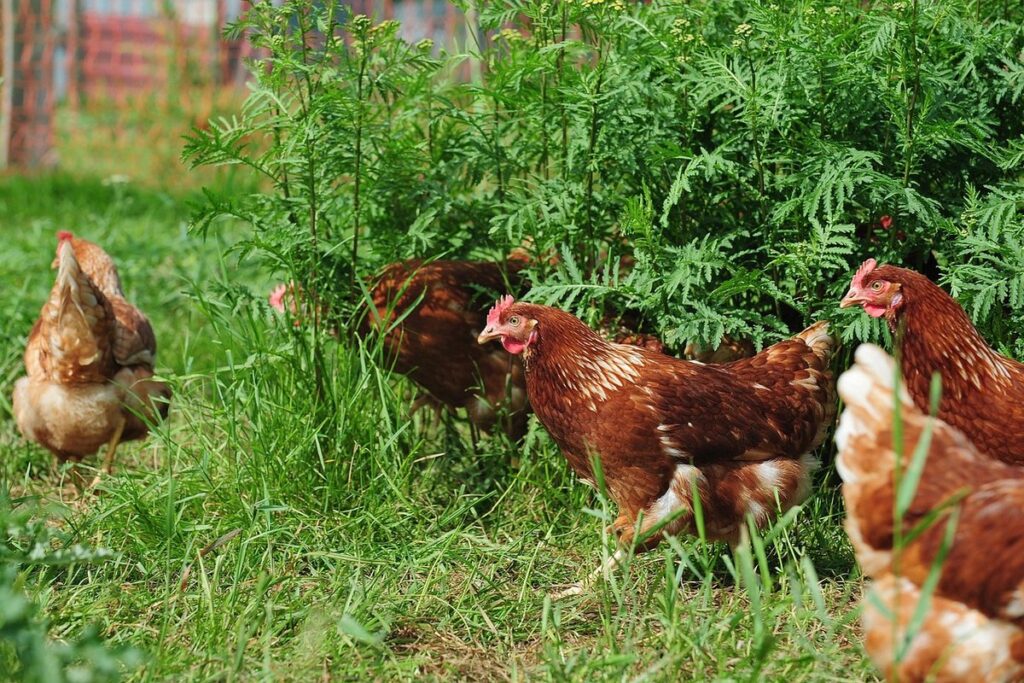
Benefits of Shade in a Chicken Run
Adding shade to your chicken run isn’t just about aesthetics – it’s essential for maintaining the health and well-being of your flock. Let’s explore its numerous benefits.
Reducing Heat Stress
Heat stress is a common concern for chicken owners during hot summer months. Chickens can suffer from heat-related illnesses such as heatstroke and sunburn due to prolonged exposure to direct sunlight. Providing adequate shade is essential to prevent these issues. When chickens have access to shaded areas, they tend to spend more time outdoors, which is crucial for their physical and mental well-being.
In regions with extreme temperatures, it’s not uncommon for chicken mortality rates to rise during the peak summer months. By incorporating shade plants into your chicken run design, you can significantly reduce heat stress in your flock. For example, a study found that chicken flocks provided with adequate shade experienced a 30% decrease in heat-related illnesses compared to those without shade.
When selecting shade plants for your chicken run, consider native species or plants with broad leaves that provide maximum coverage. Some excellent options include trees like willows, maples, and pines. You can also use smaller shrubs and bushes like lavender or rosemary to create a shaded microclimate within the enclosure.
Improving Egg Production
When it comes to improving egg production, shade is often overlooked as a crucial factor. However, providing adequate shade can have a significant impact on your flock’s overall health and productivity. One of the primary reasons shade improves egg production is that it helps regulate body temperature. Chickens are sensitive to heat stress, which can lead to decreased egg production, reduced fertility, and even death.
By keeping your chickens in a shaded area, you’re helping them maintain a healthy metabolism, which is essential for optimal egg production. Shade allows chickens to cool down during hot periods, preventing heat-related issues. This means they’ll be more energetic, and their immune systems will function better. In turn, this leads to healthier birds laying more eggs.
Studies have shown that shade can increase egg production by up to 20%. This is especially noticeable in regions with intense sunlight or high temperatures. To incorporate shade into your chicken run, consider planting trees or shrubs that provide dense foliage, such as willows, poplars, or lavender.
Enhancing Chicken Behavior
Providing shade for your flock is not only essential for their physical well-being but also plays a significant role in enhancing chicken behavior. A comfortable resting spot under the shade of plants encourages chickens to engage in natural behaviors, such as dust bathing and sunbathing, without feeling stressed by direct sunlight.
In a shaded area, chickens can socialize more freely among themselves, which is essential for their mental health. Without the constant need to seek shelter from the sun, they will have ample time to interact with each other, strengthening flock dynamics and reducing stress levels.
For example, a study conducted in Australia found that hens that had access to shaded areas exhibited reduced aggression towards each other compared to those without such provisions. By incorporating shade plants into your chicken run design, you can provide your birds with the perfect environment for relaxation, socialization, and overall well-being.
Choosing the Right Shade Plants
When selecting shade plants for your chicken run, it’s essential to choose varieties that are not only beautiful but also safe and easy to maintain. Let’s explore some popular options together.
Considerations for Climate and Region
When selecting shade plants for your chicken run, it’s essential to consider your climate and region. Different areas of the country experience varying temperatures, humidity levels, and sunlight exposure, which can significantly impact plant growth.
For instance, if you live in a hot and dry climate like Arizona or California, you’ll want to choose drought-tolerant plants that require minimal watering. In contrast, regions with mild winters and cool summers, such as the Pacific Northwest, may allow for more lush and vibrant foliage.
Some shade plants can be more high-maintenance than others, requiring regular pruning or fertilization to thrive. For example, ferns are a popular choice for chicken runs due to their low-light requirements, but they can become invasive if not regularly trimmed.
Before making your final decision, research the specific needs of each plant and ensure it’s well-suited for your local climate and region. This will save you time and effort in the long run and help create a healthy environment for your flock.
Durable and Low-Maintenance Options
When it comes to choosing shade plants for your chicken run, you’ll want to opt for durable and low-maintenance options that can thrive in this unique environment. Shrubs and trees are excellent choices for providing shade while withstanding the rigors of a chicken run.
Consider planting shrubs like Ceanothus or Lavender, which are not only attractive but also resistant to pests and diseases. These plants can tolerate some foot traffic and can be pruned regularly to maintain their shape. Trees like Oak or Maple are also great options, providing shade and acting as a natural barrier against predators.
When selecting trees, choose varieties that have a dense canopy to block sunlight and provide shelter for your chickens. Some popular species include Dwarf Apple or Cherry trees, which can thrive in smaller spaces. Remember to research the specific growing conditions required by each plant to ensure they’ll do well in your climate and soil type.
Attracting Beneficial Wildlife
Attracting beneficial wildlife to your chicken run is not only good for the environment but also provides essential benefits to your flock. By incorporating flowers and herbs that offer nectar and pollen into your shade plant selection, you can create a haven for bees, butterflies, and other pollinators.
Bees are crucial to our ecosystem, playing a vital role in pollination, which is essential for plant reproduction. Without them, many plants would be unable to produce seeds, and consequently, food for humans and animals alike. By planting bee-friendly flowers like lavender, coneflower, or black-eyed Susan, you’ll not only attract these beneficial insects but also enjoy the added bonus of improved pollination within your garden.
Butterflies are another vital component of a balanced ecosystem. These beautiful creatures act as indicators of environmental health, and their presence in your chicken run can signal that your garden is thriving. By incorporating herbs like mint or oregano, which offer nectar-rich blooms, you’ll create an inviting space for butterflies to feed and roost.
To incorporate beneficial wildlife into your chicken run, start by selecting a mix of flowers and herbs that cater to different pollinators’ needs. Consider the specific preferences of bees and butterflies when planting, such as sun exposure requirements or bloom times. Remember, every tiny step towards creating an ecosystem that supports these vital creatures will have far-reaching benefits for both your flock and the environment.
Planting Shade Plants for Maximum Effect
When it comes to creating a chicken-friendly environment, planting shade plants is crucial to protect your flock from harsh sun rays. Let’s dive into our favorite varieties that thrive in partial shade.
Selecting the Right Location
When selecting shade plants for your chicken run, choosing the right location is crucial to ensure they thrive and provide maximum benefits to your flock. Consider the sunlight pattern in your yard – if it receives direct sunlight for most of the day, choose plants that can tolerate full sun or partial shade. Conversely, if your chicken run is shrouded in shade for much of the day, opt for plants that prefer consistent, indirect light.
Wind direction also plays a significant role in selecting the right location. If strong gusts frequently blow through your yard, place shade plants near windbreaks, such as fences or trees, to shield them from harsh winds. This will prevent damage and stress on the plants, keeping them healthy and vibrant.
Accessibility is another vital factor when choosing the perfect spot for your shade plants. Select a location where they’re easy to reach without having to navigate through crowded areas or stepping over gates. This makes it simpler to care for and maintain your plants, reducing time spent managing them.
Preparing the Soil
Before planting shade plants around your chicken run, it’s essential to prepare the soil for optimal growth and health. A well-prepared soil can make a huge difference in the overall effect of your shade plants. To start with, test the pH levels of your soil. Most chickens prefer a slightly acidic to neutral soil pH, between 6.0 and 7.5. If your soil is too alkaline or acidic, it may hinder plant growth and even affect your flock’s health.
You should also check for nutrient deficiencies in your soil. Lack of essential nutrients can lead to stunted growth, yellowing leaves, and reduced fruiting. Consider getting a comprehensive soil test kit that checks for nitrogen, phosphorus, potassium, as well as other micronutrients like magnesium and sulfur. Based on the results, you can amend the soil with organic fertilizers or adjust your irrigation schedule.
Some popular options for soil amendments include compost, manure tea, and worm casting. These natural products not only improve soil fertility but also promote beneficial microbial activity that supports plant growth.
Planting Techniques and Tips
When planting shade plants in your chicken run, it’s essential to get the technique right. This will not only ensure the health and happiness of your flock but also create a lush, vibrant environment for them to thrive.
Firstly, consider spacing. Overcrowding can lead to competition for resources, disease spread, and reduced air circulation. Plant shade plants at least 12-18 inches apart, allowing enough space for growth and maintenance. This will also give you room to prune or replace plants as needed.
Watering is another critical aspect of planting shade plants in your chicken run. Ensure the soil drains well and avoid overwatering, which can lead to root rot and other issues. Water plants deeply once or twice a week, depending on weather conditions. Mulching is also a must – it retains moisture, suppresses weeds, and regulates soil temperature.
Avoid common mistakes like planting too close to your coop’s entrance, as this can create shade-related problems for the chickens’ access to sunlight. Also, steer clear of plants with spiky or toxic leaves that may harm your flock.
Popular Shade Plants for Chicken Runs
When it comes to creating a welcoming chicken run, incorporating shade plants is essential for providing your flock with a comfortable and stress-free environment. Here are some popular options to consider.
Evergreen Trees and Shrubs
When it comes to providing year-round shade for your chicken run, evergreen trees and shrubs are excellent options. These plants not only offer a cooling respite from the sun but also serve as a natural deterrent against predators.
Let’s start with conifers, such as Arborvitae (Thuja occidentalis) or Colorado Blue Spruce (Picea pungens). These evergreen trees are easy to maintain and can grow up to 50 feet tall. Their dense foliage provides a thick barrier against the elements, making them an ideal choice for chicken runs.
Another great option is holly bushes (Ilex spp.), which offer year-round shade and protection from predators like raccoons and foxes. Some popular varieties include English Holly (Ilex aquifolium) and American Holly (Ilex opaca). When selecting a holly bush, be sure to choose one with sharp leaves, as they can help deter unwanted visitors.
When planting evergreen trees or shrubs in your chicken run, consider their mature size and growth habits. Plant them at least 10-15 feet away from the coop to ensure easy access for cleaning and maintenance. With proper care and planning, these plants will provide a safe and shaded haven for your flock year-round.
Deciduous Trees and Shrubs
Deciduous trees and shrubs are an excellent option for providing seasonal shade for your chicken run. These plants offer a unique advantage as they provide shade during the growing season when it’s needed most, but shed their leaves in winter, allowing sunlight to reach the flock.
Oak and maple trees are great examples of deciduous options that can thrive in many climates. They require regular pruning to maintain shape and promote healthy growth. Pruning also allows you to control the size of the tree and direct its canopy towards the chicken run, providing optimal shade coverage.
When selecting a deciduous tree or shrub, consider factors such as mature size, growth rate, and hardiness zone. For example, if you live in an area with harsh winters, choose a tree that can withstand cold temperatures and retain its leaves well. Regular pruning and monitoring of the plant’s health will help ensure it continues to provide shade for your flock while maintaining its overall health.
Some popular deciduous options include red maple, sugar maple, and white oak trees. When pruned properly, these plants can become beautiful additions to your backyard, providing both functional shade and aesthetic appeal.
Perennials and Annuals
When it comes to adding color and vibrancy to your chicken run’s shaded areas, perennials and annuals are excellent options. These plants not only provide beautiful blooms but also attract beneficial wildlife that can help control pests and improve the overall ecosystem.
Some popular perennial options include sunflowers (Helianthus annuus), which can grow up to 12 feet tall and produce large, daisy-like flowers in shades of yellow and orange. Lavender (Lavandula spp.) is another great choice, with its calming scent and purple blooms that attract pollinators like bees and butterflies.
Annuals, on the other hand, offer a range of options for colorful blooms throughout the growing season. Marigolds (Tagetes spp.), zinnias (Zinnia spp.), and cosmos (Cosmos bipinnatus) are all great annual choices that can add vibrant colors to your chicken run’s shaded areas.
To get started, choose a mix of plants that suit your climate and growing conditions. Plant perennials in well-draining soil with full sun or partial shade, while annuals prefer full sun to partial shade. Water regularly, but avoid overwatering, which can lead to root rot and other issues.
Maintenance and Care of Shade Plants
To keep your shade plants thriving, you’ll want to know how to properly water, prune, and fertilize them to ensure they stay healthy and happy in your chicken run. Regular maintenance will also help prevent pests and diseases from taking hold.
Watering and Irrigation
When it comes to watering and irrigating shade plants in a chicken run, there are several factors to consider. First and foremost, rainfall is an excellent natural source of water for your plants. If you live in an area with adequate rainfall, you may not need to supplement with irrigation systems. However, if your climate is dry or prone to droughts, it’s essential to ensure your shade plants receive enough moisture.
Check the soil moisture regularly by inserting your finger into the soil up to the knuckle. If the soil feels dry, it’s time for watering. You can also use a moisture meter for more accurate readings. Be mindful of overwatering, which can lead to root rot and other problems.
Choose shade plants that are drought-tolerant or have low water requirements. Some excellent options include coral bells, hostas, and ferns. For example, the coral bell plant (Heuchera spp.) requires minimal watering and can thrive in areas with poor soil. By selecting plants that are adapted to your climate and soil type, you’ll save time and resources on irrigation while keeping your shade plants happy and healthy.
Pruning and Trimming
When it comes to maintaining shade plants in your chicken run, pruning and trimming are essential tasks that often get overlooked. However, regular maintenance of this nature is crucial for the health and well-being of both your flock and the plants themselves.
Pruning not only helps maintain the shape of the plant but also promotes healthy growth by removing dead or diseased branches. This process allows air and sunlight to reach inner leaves, reducing the risk of disease and pests. For instance, if you’re growing a hydrangea in your chicken run, pruning it back after flowering will encourage new blooms and prevent the spread of fungal diseases.
Trimming, on the other hand, helps control the size of the plant and keeps it from becoming too leggy or overwhelming the surrounding area. By regularly trimming back overgrown branches, you’ll maintain a neat and tidy appearance while also preventing any potential hazards for your chickens.
To prune and trim effectively, make sure to remove no more than one-third of the plant’s foliage at a time, as this will prevent shock and promote healthy recovery. Also, be mindful of your chickens’ safety by keeping sharp tools out of reach and maintaining a clean work area.
Pest and Disease Management
When it comes to maintaining shade plants in a chicken run, pest and disease management are crucial factors to consider. Pests like slugs, snails, aphids, and whiteflies can easily infest these plants, while diseases such as root rot, leaf spot, and powdery mildew can quickly spread.
Prevention is key when it comes to managing pests and diseases. Choose shade plant varieties that are resistant to common problems in your region. For example, if you live in an area prone to aphid infestations, select plants like Hostas or Ferns that tend to be more resistant. Also, maintain good hygiene practices such as regularly disinfecting tools and cleaning up debris.
To control pest populations, use natural methods whenever possible. Spray neem oil or insecticidal soap on affected areas to repel pests without harming the environment. For diseases, remove infected leaves or stems to prevent the spread of disease, and treat plants with fungicides if necessary.
By implementing these measures, you can keep your shade plants healthy and thriving in the chicken run while minimizing risks to your flock’s health. Regular monitoring and prompt action will help you stay on top of potential problems before they become major issues.
Conclusion: Creating a Thriving Chicken Run with Shade Plants
Now that you’ve selected the perfect shade plants for your chicken run, let’s discuss how to create a thriving environment for your flock with minimal effort required. This is where planning comes into play.
Recap of Key Takeaways
As you conclude your journey to creating a thriving chicken run with shade plants, remember that providing adequate shelter from the sun is crucial for your flock’s health and happiness. Selecting suitable shade plants was a key takeaway from this guide, but it’s equally important to maintain them properly.
Proper maintenance of your chosen shade plants will ensure they continue to thrive and provide maximum benefit to your chickens. This includes regular watering, fertilizing, and pruning as necessary. Don’t forget to monitor for pests and diseases that could harm both the plants and your flock.
By following these simple steps, you’ll not only be creating a happy and healthy environment for your chickens but also a visually appealing one. Just like in any ecosystem, balance is key – make sure your shade plants are balanced with adequate sunlight for photosynthesis to occur. With the right care and attention, your shade plants will become an integral part of your chicken run’s success story.
Final Tips and Recommendations
As you’ve now learned about the benefits of incorporating shade plants into your chicken run and have a better understanding of popular options to consider, it’s time to implement what you’ve learned. To create a thriving chicken run with shade plants, don’t be afraid to experiment with different combinations. What works for one flock may not work for another, so observe your birds’ preferences and adjust accordingly.
Consider the mature size of each plant when selecting varieties to ensure they won’t outcompete or overwhelm other plants in the future. Also, prioritize drought-tolerant options if you’re concerned about the water requirements of your plants. Incorporating a mix of native species will not only benefit your local ecosystem but also provide natural pest control and reduce maintenance needs.
Take photos and notes on what works best for your flock, and share your experiences with fellow backyard chicken keepers online or through local communities to help each other create ideal environments for happy and healthy birds.
Frequently Asked Questions
Can I use shade plants to provide shade for my chicken coop as well?
Yes, many of the shade plants mentioned can also be used to create a shaded area around your chicken coop. However, keep in mind that some plants may have specific growing requirements or preferences for sunlight exposure. Choose plants that thrive in partial shade and are suitable for your climate.
How do I ensure my shade plants are not attracting pests to my chicken run?
While shade plants can attract beneficial wildlife, they can also attract pests like rodents or birds. To minimize the risk, choose plants with natural pest-repellent properties or consider using physical barriers to prevent pests from entering your chicken run.
Can I use annuals instead of perennials for a low-maintenance option?
Yes, annuals can be a great choice for adding shade in the short term. However, they require more frequent replanting and may not provide long-term benefits like perennials do. Consider using a mix of both annuals and perennials to achieve your desired level of shade.
How often should I water my shade plants, especially during hot summer months?
Watering frequency depends on the specific plant species, climate, and soil conditions. As a general rule, water your shade plants when the top 2-3 inches of soil feels dry to the touch. Be cautious not to overwater, as this can lead to root rot and other problems.
Can I use existing trees or shrubs on my property for shading instead of planting new ones?
Yes, using existing trees or shrubs can be a great way to create shade without adding extra work or expenses. However, ensure that the plants are healthy and not causing any issues with your chicken run’s design or layout. Prune or trim branches as needed to maintain a safe and comfortable environment for your flock.