
Crested chickens are a beloved breed for many backyard flock owners, but their unique characteristics also bring special considerations when it comes to care. Their majestic crests can be prone to health issues if not properly cared for, making it essential to have a comprehensive guide on hand.
If you’re one of the lucky few who own these stunning birds, or are thinking of adding them to your flock, this article is for you. Here, we’ll delve into the specific needs of crested chickens, including housing requirements that ensure their crest stays in top condition. We’ll also cover nutrition, health considerations, and show tips – everything you need to know to keep your crested birds happy, healthy, and thriving.
Introduction to Crested Chickens
Crested chickens are a unique and fascinating breed, known for their distinctive topknots and charming personalities. In this introduction, we’ll explore what makes them special.
What are Crested Chickens?
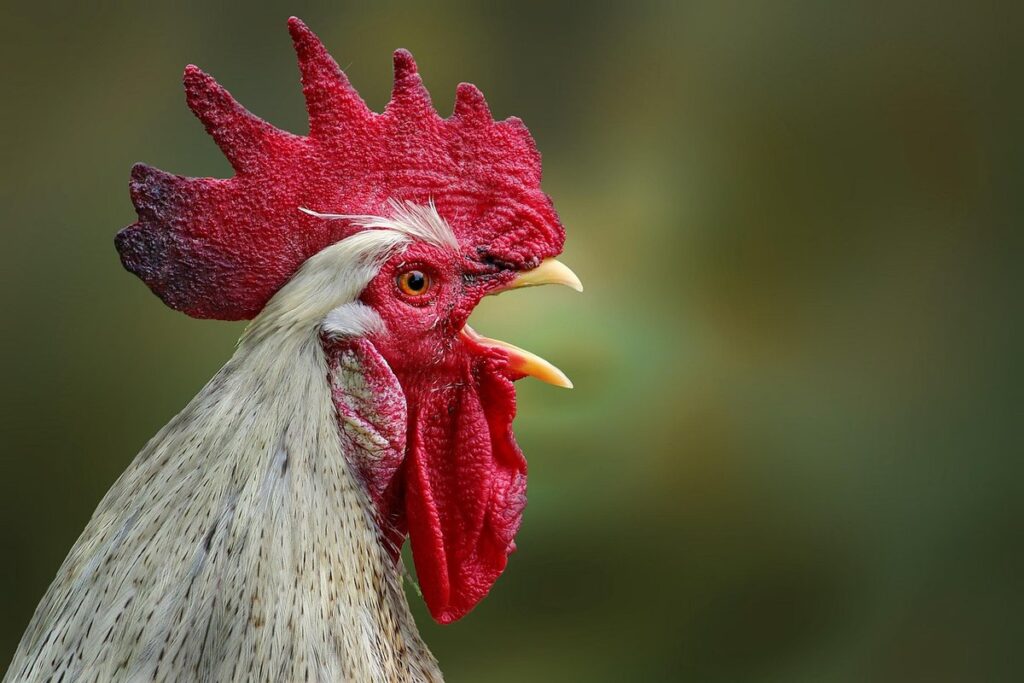
Crested chickens are a unique and fascinating breed that has gained popularity among backyard chicken keepers. One of the most distinctive features of crested chickens is their crest, which is a tuft of feathers on top of their head that gives them a comical appearance. But there’s more to these birds than just their looks – they also have a number of other characteristics that set them apart from other breeds.
For example, crested chickens are known for being gentle and friendly, making them a great choice for families with children or for people who want a low-maintenance pet. They are also relatively small in size, weighing around 4-6 pounds on average, which makes them a great option for those with limited space. Another notable feature of crested chickens is their egg-laying ability – they are prolific layers and can produce up to 200 eggs per year.
In terms of grooming, crested chickens require regular care to prevent matting and tangling of their crest feathers. This involves daily brushing and occasional trimming to keep the crest looking its best. With proper care and attention, crested chickens can live a happy and healthy life in your backyard flock.
History of Crested Chickens
The history of crested chickens dates back to ancient times, with evidence suggesting that they were present in Europe as early as 300 BC. The breed’s unique crest, which is a fleshy growth on top of the chicken’s head, has made them a popular choice for poultry enthusiasts and historians alike.
In medieval Europe, crested chickens were highly prized by nobility for their distinctive appearance and supposed magical powers. They were often kept in ornamental enclosures and were considered a status symbol among landowners. This selective breeding led to the development of various crested chicken breeds, each with its own unique characteristics.
Today, crested chickens are still sought after by many poultry keepers due to their striking appearance and friendly demeanor. However, they require specific care and attention to ensure their crest remains healthy and intact. Regular grooming is essential to prevent matting and tangling of the crest feathers, which can lead to irritation and discomfort for the bird.
Crested chickens have a rich history that spans centuries, and their significance in poultry keeping cannot be overstated. Whether you’re a seasoned breeder or just starting out with crested chickens, understanding their origins and requirements is crucial for providing them with the best possible care.
Housing and Environment for Crested Chickens
When it comes to crested chicken care, providing a suitable environment is crucial to their health and well-being. This includes selecting the right coop design, ventilation, and outdoor space for your feathered friends.
Providing a Suitable Coop
When it comes to providing a suitable coop for your crested chickens, their specific needs must be considered. Crested chickens are known for their unique features and gentle nature, but they require a safe and healthy environment to thrive.
The ideal coop size for crested chickens is around 2-3 square feet per bird, with adequate space for roosting, nesting, and movement. However, this can vary depending on the individual needs of your flock and the climate in which you live. For example, if you live in an area with extreme temperatures, a larger coop or additional ventilation may be necessary to keep your birds comfortable.
Adequate ventilation is crucial for maintaining air quality within the coop. Crested chickens are prone to respiratory issues due to their crest, so proper airflow can help prevent these problems. Ensure that windows and vents are strategically placed to provide cross-ventilation throughout the coop. Furthermore, a safe and secure coop design will protect your birds from predators and other potential threats. Consider adding features like hardware cloth or netting to prevent escape attempts.
In terms of safety considerations, it’s essential to prioritize cleanliness and hygiene within the coop. Regularly clean up droppings and debris to prevent ammonia buildup, which can harm your birds’ respiratory systems. Additionally, ensure that the coop is well-lit and free from obstructions, allowing your crested chickens to move comfortably throughout their living space.
Proper planning and execution of a suitable coop will help create a healthy environment for your crested chickens. Consult with local experts or experienced breeders to gain insight into specific needs and requirements for your region and flock size.
Outdoor Enclosures and Fencing
When it comes to crested chickens, providing them with secure and predator-proof outdoor spaces is crucial for their well-being. Crested chickens are prone to roaming and exploring, which makes them vulnerable to predators like foxes, coyotes, and hawks. To create a safe outdoor enclosure, you’ll need to consider the following key elements.
First, ensure the fence is sturdy and at least 6 feet high to prevent climbing and jumping escape attempts. A good rule of thumb is to use chicken wire or hardware cloth with openings no larger than 1 inch in diameter. You should also bury the fencing material at least 12 inches underground to prevent digging escapes. In addition, consider using a secure gate that can be locked from both inside and outside.
Some popular options for outdoor enclosures include chain-link fences, wooden picket fences, or even electric netting. When choosing an enclosure, make sure it’s large enough for your flock to roam comfortably – a minimum of 2 square feet per bird is recommended. Remember, the key to creating a safe outdoor space is to be thorough in your design and take into account any potential vulnerabilities. By doing so, you’ll be able to give your crested chickens the freedom to exercise and thrive while minimizing the risk of predators.
Nutrition and Feeding Requirements
When it comes to crested chicken care, understanding their nutrition and feeding requirements is crucial for keeping your feathered friends healthy and thriving. Let’s dive into what they need to stay happy and energetic.
Balanced Diet for Crested Chickens
When it comes to providing a balanced diet for crested chickens, there are several key nutritional needs that must be met. Protein is essential for growth and maintenance of muscle tissue, so ensure that you’re feeding a high-quality layer feed that contains at least 16% protein.
Calcium is also crucial for the health of your crested chicken’s bones, particularly their crest which can be prone to issues. A balanced calcium-to-phosphorus ratio is vital; aim for a diet with around 2-3% calcium and 1% phosphorus. Supplementing with crushed eggshells or oyster shells can provide an added boost.
Vitamins are also essential – crested chickens require adequate amounts of vitamin D3 to maintain strong bones, as well as vitamins A, E, and B12 for overall health. Fresh vegetables and fruits, such as leafy greens and berries, can help meet these needs. However, be sure not to overdo it on the treats – a balanced diet should consist mainly of high-quality feed. For example, adding 1/4 cup of chopped kale or spinach per bird per day is a great way to provide essential vitamins without overfeeding.
Supplemental Feeding and Treats
When it comes to crested chicken care, providing healthy treats and supplements is crucial for their overall well-being. However, overfeeding can lead to obesity and other health issues, so moderation is key.
As a general rule of thumb, limit treats to no more than 10% of your crested chicken’s daily calorie intake. You can provide fruits, vegetables, and grains like oats or barley as healthy options. For example, you can offer a mix of carrots, apples, and pumpkin seeds for a tasty and nutritious treat.
Supplements are also important, especially if your crested chicken is not getting enough nutrients from their regular diet. Consider adding calcium powder to their feed to support strong beak and nail growth. You can also provide a multivitamin supplement specifically formulated for chickens to ensure they’re getting all the essential vitamins and minerals.
Remember, it’s always better to err on the side of caution when introducing new foods or supplements. Start with small amounts and monitor your crested chicken’s behavior and health closely.
Health Considerations and Common Issues
When caring for crested chickens, it’s essential to be aware of potential health issues that can arise due to their unique appearance. This includes common problems like obesity and respiratory difficulties.
Breeding-Related Health Concerns
When breeding crested chickens, it’s essential to be aware of potential health issues that can arise. Two common concerns are wry neck and crest curl.
Wry neck is a condition where the chicken’s neck twists or turns abnormally, causing discomfort and affecting its ability to move freely. It can be caused by genetics, but also by poor breeding practices, such as selecting for extreme features without considering overall health. To minimize the risk of wry neck, breeders should prioritize selection for birds with balanced features and sturdy builds.
Crest curl is another issue that can occur in crested chickens. This condition causes the chicken’s crest to grow in an abnormal way, often curling under or over its head. While some degree of curling can be a desirable trait, excessive curling can lead to skin irritation and other health problems. To breed healthier crested chickens, focus on selecting birds with moderate curling, rather than extreme examples.
In both cases, careful selection and breeding practices are key to minimizing the risk of these conditions. By prioritizing overall health and well-being over extreme features, you can help ensure that your crested chickens live long, happy lives.
Managing Mites, Lice, and Other Pests
Managing external parasites is an essential aspect of crested chicken care. These tiny critters can cause stress and discomfort to your feathered friends. Among the most common pests are mites, lice, and fleas. Regular checks on your birds’ plumage and overall health will help you detect any potential issues early.
Mites are small, spider-like creatures that feed on your chickens’ blood, causing anemia, weight loss, and skin irritation. They can also lead to stress-related behaviors like excessive scratching and feather pecking. Lice, on the other hand, lay eggs in the feathers of infested birds, causing discomfort and distress.
To control mites and lice, treat your coop with diatomaceous earth or a pyrethrin-based spray. This will help kill any external parasites before they cause harm to your flock. Regular cleaning of the coop, disinfecting food and water containers, and providing a balanced diet rich in nutrients will also help maintain a healthy environment for your crested chickens.
It’s crucial to treat any affected birds promptly and humanely using over-the-counter medications like ivermectin or permethrin, following the product instructions carefully. Keep an eye out for signs of infestation, such as excessive droppings, lethargy, or unexplained weight loss.
Breeding and Raising Crested Chickens
When it comes to bringing up your own flock, understanding how to breed and raise healthy crested chickens is crucial for their well-being. This guide will walk you through the process.
Selecting Suitable Breeders
When selecting suitable breeders for your Crested chicken flock, it’s essential to prioritize their health and genetic diversity. Look for breeders who have a strong reputation for producing high-quality birds with excellent temperaments.
Start by researching local breeders or attending poultry shows to network with experienced Crested chicken enthusiasts. Ask for recommendations from other owners or seek advice from online forums. Once you’ve identified potential breeder stock, inspect their facilities and observe the breeding process firsthand.
Key indicators of healthy breeder stock include clean living conditions, access to fresh food and water, and a balanced diet. Look for birds with good egg-laying records, robust feathering, and no signs of disease or injury. When selecting breeding pairs, consider factors like compatibility, fertility rates, and the genetic diversity they’ll introduce to your flock.
Ultimately, choosing the right breeders will set the foundation for a healthy, thriving Crested chicken population. Take the time to research, inspect, and evaluate potential breeder stock to ensure you’re getting the best possible genetics for your flock.
Hatching and Brooding Crested Chicks
When it’s time to hatch and brood crested chicks, you’ll want to follow some special instructions to ensure their survival. Incubating crested eggs is similar to incubating other chicken breeds, but keep in mind that they may have a slightly lower fertility rate due to their unique characteristics.
First, make sure your eggs are stored correctly before incubation – a consistent temperature between 50-60°F and high humidity will help preserve them. Once the incubator is set up, follow the manufacturer’s guidelines for maintaining optimal temperatures (99.5-100.5°F) and turning the eggs at regular intervals.
When hatching time arrives, monitor the eggs closely for signs of pipping or cracking – crested chicks may take a little longer to hatch due to their larger beaks and nostrils. If you notice any issues during hatching, intervene gently with a soft brush or cloth to aid the chick in emerging safely.
Once hatched, transfer the chicks to a brooder with adequate ventilation and maintain a consistent temperature (around 90-95°F) for the first week or two. Provide a balanced starter feed, fresh water, and monitor their health closely during this critical period.
Showing and Exhibiting Crested Chickens
When it comes time to show off your prized crested chickens, there are specific rules and guidelines you’ll need to follow to impress judges. We’ll walk you through what to expect.
Show Rules and Regulations
When participating in crested chicken shows and exhibitions, it’s essential to understand the breed standards, show rules, and requirements. This knowledge will not only help you prepare your birds for competition but also ensure a positive experience for both you and your flock.
Breed standards for crested chickens are set by governing bodies such as the American Bantam Association (ABA) or the American Poultry Association (APA). These organizations establish specific guidelines for size, plumage, comb type, and overall appearance. Familiarize yourself with these standards to ensure your birds meet the requirements.
For shows, some essential rules include:
* Birds must be at least 20 weeks old
* Hens are usually shown in egg-laying condition
* Males should have a well-developed saddle and tail
* Crests should be neat and even
When preparing for exhibitions, ensure your birds’ health, cleanliness, and overall appearance align with these standards. Practice handling and grooming to make the experience enjoyable for both you and your crested chickens.
Preparing Your Bird for the Show Ring
Preparing for the show ring requires dedication and patience, but with the right approach, you can showcase your crested chicken’s unique qualities. First and foremost, it’s essential to get your bird accustomed to being handled and groomed regularly. This means setting aside time each week to gently comb its feathers, clean its beak, and trim its nails.
As you work on grooming your crested chicken, also focus on training it to obey basic commands, such as “stand” and “step up.” A well-behaved bird is crucial for the show ring, where judges expect animals to be calm and responsive. Practice with treats and toys to create a positive association between handling and rewards.
When presenting your crested chicken in the show ring, make sure its plumage is clean and well-groomed. Pay particular attention to areas prone to matting or tangling, such as around the crest and neck. Also, ensure your bird’s coop and living quarters are clean and free of drafts, which can affect its overall appearance and health.
When walking with your crested chicken, keep a firm but gentle grip on its wings, ensuring it stays balanced and secure. Avoid sudden movements or loud noises that might startle the bird. Remember to handle your crested chicken gently and carefully at all times, as they are sensitive birds prone to stress.
Conclusion: Tips for Successful Crested Chicken Keeping
You’ve made it through our comprehensive guide on crested chicken care, and now it’s time to put your newfound knowledge into practice. Here are some valuable tips to ensure a happy and healthy flock.
Recap of Key Considerations
As you’ve reached the end of this comprehensive guide to crested chicken care, it’s essential to recap the key considerations for successful keeping. From selecting the right breed and understanding their unique characteristics to providing optimal housing and nutrition, there are several factors to keep in mind.
Proper housing is crucial for crested chickens, who require ample space to roam and exercise. A well-ventilated coop with adequate nesting boxes will help prevent health issues and stress. Ensure your flock’s safety by installing secure fencing and netting to protect against predators.
Regular health checks and veterinary care are vital in maintaining the overall well-being of your crested chickens. Schedule annual vaccinations, monitor for signs of illness or injury, and be prepared to address any emerging issues promptly.
Maintaining a balanced diet and providing fresh water daily will help keep your flock thriving. Incorporate a mix of grains, fruits, and vegetables into their feed to promote optimal health and prevent nutritional deficiencies. By keeping these key considerations in mind, you’ll be well on your way to creating a happy and healthy crested chicken flock.
Encouragement for New Keepers
As you embark on the wonderful journey of crested chicken keeping, remember that it’s completely normal to feel overwhelmed. With their unique appearance and charming personalities, these birds require specialized care and attention. Don’t worry if you’re not an experienced poultry keeper; with time, patience, and practice, you’ll become a pro in no time.
One of the most valuable resources for new keepers is online communities dedicated to crested chicken enthusiasts. Websites like Facebook groups and forums are perfect for connecting with other breeders, asking questions, and sharing knowledge. These networks can provide invaluable guidance on everything from nutrition to health issues specific to your flock.
To further your learning, consider attending local poultry shows or workshops where you can meet experienced breeders and learn hands-on about crested chicken care. You might also find helpful tutorials on YouTube channels focused on backyard chicken keeping. Remember, taking the time to research and learn will pay off in the long run – your feathered friends will thank you for it!
Frequently Asked Questions
Can Crested Chickens be kept with other breeds, or should they have their own flock?
Yes, crested chickens can be kept with other breeds, but it’s essential to ensure compatibility and provide enough space for all birds to roam. Introducing new birds to a crested chicken flock requires patience and gradual integration to prevent stress. Monitor behavior and adjust the environment as needed to create a harmonious multi-breed flock.
How often should I trim my Crested Chicken’s crest, and what tools are best suited for this task?
Trimming your crested chicken’s crest is crucial for maintaining its shape and preventing overheating. Trim every 6-8 weeks, or more frequently in hot climates. Use sharp, dedicated shears specifically designed for birds’ crests to avoid damaging the feathers or causing discomfort.
Can Crested Chickens be raised from hatchlings using a brooder, or is it necessary to use a starter kit?
Crested chickens can indeed be raised from hatchlings using a standard brooder. However, consider investing in a larger, well-ventilated brooder specifically designed for chicks with crests. These birds need extra space and airflow to prevent respiratory issues.
What should I do if my Crested Chicken has mites or lice infestation?
If you suspect an infestation, inspect your bird thoroughly under good lighting, paying attention to the base of the crest, feathers, and beak. Treat affected areas with a mild insecticide specifically designed for poultry, following product instructions carefully. Regular cleaning, dusting, and changing bedding can also help prevent re-infestation.
Can Crested Chickens be kept in a small backyard coop with limited space, or do they require more extensive outdoor areas?
Crested chickens are relatively low-maintenance when it comes to housing, but they still need adequate space for exercise. If your coop is small (less than 2 square feet per bird), consider providing an enclosed run or adding enrichment toys and activities to keep them stimulated and active.