
The way we raise our food is often shrouded in secrecy, but the truth about confined chicken farming is finally coming to light. When millions of chickens are packed into tiny cages, their welfare suffers drastically. Confinement leads to inhumane conditions, where birds are unable to engage in natural behaviors like foraging and nesting. This not only causes stress but also affects their nutritional intake, leaving them vulnerable to disease. As consumers, we have the power to demand better. In this article, we’ll explore the devastating effects of confinement on chicken welfare, examine free-range alternatives that prioritize animal well-being, and discuss policy reforms and consumer actions driving change towards a more humane food system. By the end, you’ll be empowered to make informed choices about the chicken products you buy and support.
The Problem with Confinement
When we think of chicken welfare, it’s easy to overlook the harsh realities of confinement. This section tackles the critical issue of overcrowding and its devastating effects on chickens’ physical and mental well-being.
Inhumane Conditions
When chickens are confined to small spaces, their welfare is severely compromised. Lack of space is one of the primary concerns, as it can lead to stress, aggression, and behavioral problems. Imagine a flock of chickens crammed into a tiny coop with no room to stretch their wings or take a dust bath – it’s no wonder they become irritable and restless.
Confinement also makes chickens more susceptible to disease. When birds are packed tightly together, the spread of pathogens is almost inevitable. A study by the University of British Columbia found that chicken flocks raised in confinement were 3-4 times more likely to contract diseases than those raised in free-range systems.
To mitigate these issues, farmers can consider increasing space allocations per bird or implementing enrichment activities like foraging toys and climbing structures. By giving chickens room to roam and engage in natural behaviors, we can significantly improve their welfare.
Economic Pressures Driving Confinement
Commercial chicken farms often prioritize efficiency over animal welfare due to economic pressures. One of the primary drivers is cost savings. To reduce expenses, farmers may opt for large-scale operations and automation, which can lead to overcrowding and inadequate living conditions for chickens.
For instance, many farms adhere to production quotas set by large corporations or suppliers, which emphasizes quantity over quality. Meeting these quotas requires maximizing egg production per bird, often at the expense of animal welfare. This pressure to meet productivity targets can result in shorter breeding cycles, increased vaccination programs, and more frequent health checks – all of which can be stressful for chickens.
Farmers may also face financial penalties if they fail to meet quota requirements or maintain specific production standards. To mitigate these risks, some farms may choose to prioritize efficiency over animal welfare, even if it means sacrificing the birds’ well-being.
Regulatory Failings and Gaps in Animal Welfare Laws
Existing animal welfare laws are often inadequate to protect chickens from confinement-related suffering. For instance, many countries have regulations that set maximum stocking densities for poultry farms, but these limits are frequently ignored or circumvented by industry leaders. In the United States, the 2014 Farm Bill included provisions aimed at improving animal welfare in agriculture, yet implementation and enforcement remain inconsistent.
Furthermore, loopholes in laws allow large-scale farming operations to sidestep accountability. For example, some companies exploit ambiguities in labeling regulations, downplaying or omitting information about confinement practices. The public is misled into believing that their purchasing decisions support humane treatment when, in reality, the opposite may be true.
To navigate these regulatory failings and advocate for improved chicken welfare, it’s essential to stay informed about local laws and industry practices. Support organizations pushing for legislative changes, choose egg and poultry producers with transparent and humane practices, and hold companies accountable through vocal consumer demand.
The Impact on Chicken Health
When we think about factory farming, it’s easy to overlook the impact on the chickens themselves. But how does confinement affect their health and well-being?
Disease Susceptibility and Immune System Suppression
When chickens are confined to small spaces with inadequate ventilation, it can lead to a weakened immune system. This is because the close proximity of birds allows disease-causing pathogens like E. coli and Salmonella to spread quickly through the flock.
In such environments, stress levels among chickens increase due to overcrowding, noise, and lack of natural light. Chronic stress compromises the immune system, making birds more susceptible to diseases. For instance, a study found that 70% of mortality in intensive poultry production is attributed to infectious diseases.
Additionally, confinement can lead to malnutrition as birds may not get enough space to forage or engage in physical activity. A diet lacking essential nutrients further weakens the immune system. To promote chicken health and reduce disease susceptibility, farmers can implement some simple changes like providing more space per bird (at least 0.15 sq meters), improving ventilation systems, and introducing natural light through skylights or large windows.
It is crucial to recognize that weakened immune systems are not just an animal welfare issue but also have significant economic implications for poultry farmers, as they can lead to increased disease prevalence and reduced productivity.
Stress-Induced Behaviors and Compulsive Disorders
When confined chickens are subjected to stress, they may exhibit abnormal behaviors that can be detrimental to their well-being. One common issue is feather pecking, where birds peck at each other’s feathers, leading to injuries and damage. This behavior is often a result of boredom, lack of stimulation, or inadequate space.
Cannibalism is another concerning behavior that can occur in confinement. Chickens may resort to eating their own kind when they’re stressed, hungry, or experiencing overcrowding. For instance, a study on layer hens found that those kept in small groups were more likely to engage in cannibalistic behavior compared to those kept in larger groups.
Another stress-related behavior is pacing, where birds continuously walk back and forth within their enclosure due to frustration or lack of exercise opportunities. This excessive movement can lead to exhaustion and other health issues. To mitigate these behaviors, farmers can consider implementing enrichment programs, such as providing toys, scratching posts, and varying the environment through changes in lighting and temperature.
Farmers can also ensure adequate space per bird (around 0.1-0.2 sqm for laying hens) to prevent overcrowding and promote natural behavior. Regular monitoring of chicken behavior and adjusting living conditions accordingly can help minimize stress-related issues.
Nutritional Deficiencies and Malnutrition Risks
Confining chickens can lead to nutritional deficiencies due to inadequate access to foraging and exercise. As a result, they may not be able to maintain optimal gut health, leading to malabsorption issues. Nutrient deficiencies are common in confined chicken systems, particularly those relying on commercial feed.
Some key nutrients that may be compromised include vitamin D3, calcium, and omega-3 fatty acids. For example, studies have shown that broiler chickens raised indoors may experience reduced levels of vitamin D3, which is essential for bone health and immune function. Similarly, inadequate access to grass and foraging areas can lead to a lack of omega-3 fatty acids, important for heart health.
To mitigate these risks, farmers should prioritize providing adequate foraging opportunities and enriching the environment with natural light, dust baths, and perches. Consider incorporating probiotics or prebiotics into feed to support gut health and nutrient absorption. By taking steps to address nutritional deficiencies, you can promote better chicken welfare and overall health.
The Benefits of Free-Range and Organic Systems
Now that we’ve explored the issues surrounding confined chicken welfare, let’s delve into the advantages of free-range and organic systems for both birds and consumers. These alternative methods can have a significant impact on chicken wellbeing.
Improved Welfare Outcomes for Chickens
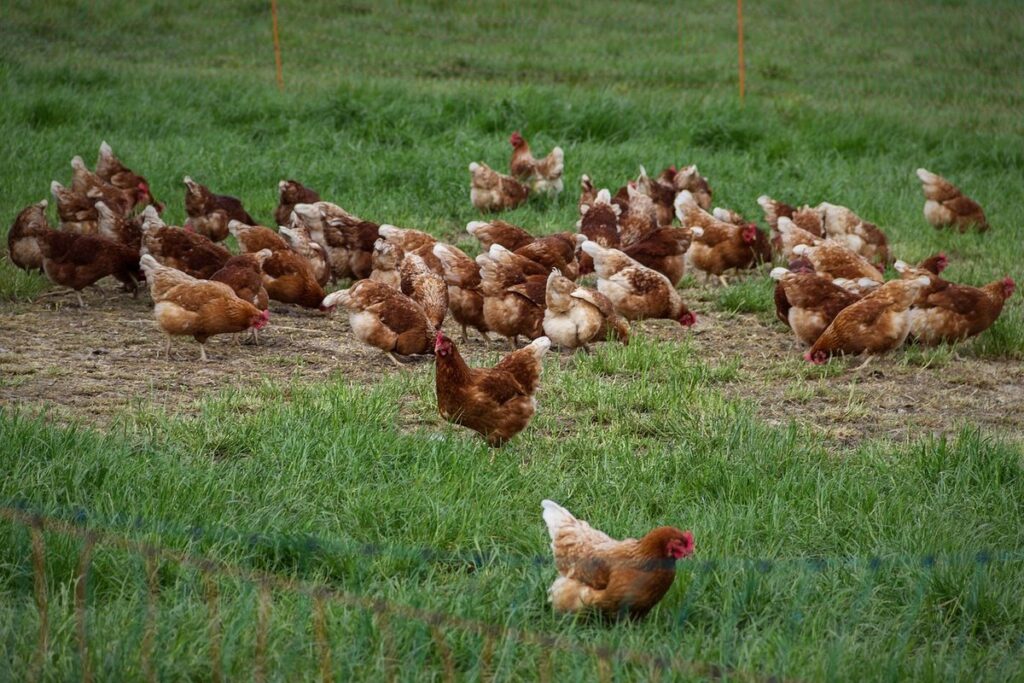
Free-range systems offer numerous benefits for chicken welfare, with improved physical activity, reduced stress, and better health outcomes being just a few of the advantages. When chickens are given access to outdoor spaces, they’re able to engage in natural behaviors like foraging, scratching, and perching – activities that are essential for their mental and physical well-being.
In contrast, confined systems often result in over-crowding, which can lead to stress-related health problems. Research has shown that free-range chickens exhibit lower levels of corticosterone, a hormone associated with stress, compared to their confined counterparts. Moreover, by allowing chickens to move freely, we reduce the risk of muscle and bone disorders caused by prolonged periods of inactivity.
Practically speaking, implementing free-range systems doesn’t have to be daunting. Even small measures, such as providing a dedicated outdoor space or rotating flocks between different areas, can significantly improve chicken welfare. By prioritizing their natural behaviors and needs, we can create healthier, happier chickens – the key to producing high-quality eggs and poultry products while promoting animal welfare.
Enhanced Consumer Trust and Loyalty
As consumers become more aware of the treatment and living conditions of farm animals, their purchasing decisions are increasingly influenced by animal welfare concerns. This shift towards prioritizing higher-welfare products is driving demand for systems that promote better living conditions, such as free-range and organic farming methods.
For instance, a study found that 67% of consumers in the US consider animal welfare when making food choices, with many opting for labels like “free-range” or “organic”. This trend is not limited to developed countries; even in emerging markets, consumers are increasingly seeking products that align with their values. To cater to this growing demand, companies can explore alternative farming methods that prioritize chicken welfare.
To leverage this trend and build consumer trust, businesses should focus on transparency and accountability. This can be achieved by publishing regular updates on farm practices, ensuring third-party audits for higher-welfare certifications, or offering tours of farms to educate customers about animal care practices. By adopting these strategies, companies can not only meet the growing demand for higher-welfare products but also foster long-term relationships with consumers who share their values.
Increased Profitability Through Higher-Quality Products
When you shift to free-range or organic systems, you’re not only improving the welfare of your chickens but also opening up opportunities for increased profitability through premium pricing and improved product quality. Many consumers are willing to pay a higher price for products that come from more humane and sustainable production methods.
In fact, studies have shown that organic chicken sales can command a 30-50% price premium in some markets. This is because customers are willing to pay more for the perceived health benefits of organic produce, as well as the positive impact on animal welfare. By adopting free-range or organic systems, you can tap into this market and increase your revenue.
To maximize the profit potential of these systems, focus on highlighting the unique features of your products in marketing campaigns. Use language that emphasizes the humane treatment of animals, sustainable practices, and high-quality produce. For example, you could emphasize the increased time chickens have to forage and exercise, or the absence of antibiotics and hormones.
By shifting your production methods to free-range or organic systems, you can create a more valuable product that commands higher prices in the market. With careful marketing and emphasis on these unique features, you can capitalize on consumer demand for sustainable and humane products, leading to increased profitability and better returns on investment.
Creating a Better Future for Chickens
Let’s dive into practical solutions and innovative approaches that can make a significant difference in improving the lives of chickens raised indoors. This includes alternative systems and technologies.
Implementing Changes in the Industry
As commercial farms look to transition towards more humane and sustainable practices, it’s essential to consider incremental changes that promote gradual improvement. One approach is to introduce aviary systems, which provide birds with elevated perches, nesting boxes, and scratching posts. This design allows chickens to engage in natural behaviors while still maintaining efficiency.
Another strategy is to phase out battery cages by replacing them with enriched colonies or group housing. These systems enable birds to move freely, reducing stress and promoting social interaction. For instance, the UK’s Better Chicken Commitment has led several major retailers to pledge to source eggs from farms using more humane practices.
To implement such changes, start by assessing your current infrastructure and identifying areas for improvement. Collaborate with suppliers and industry partners to explore new technologies and management techniques that align with your vision. By taking incremental steps towards more humane and sustainable practices, commercial farms can contribute to a better future for chickens.
Policy Reforms and Advocacy Efforts
Advocacy groups, consumers, and policymakers can work together to push for stronger animal welfare laws and enforcement. This collaborative approach is crucial in creating a better future for confined chickens.
Consumers play a significant role in driving change by choosing products from companies that prioritize chicken welfare. For instance, some brands have committed to sourcing eggs and meat from farms that provide better living conditions for their animals. When consumers support these brands with their purchasing decisions, they send a clear message to the market that animal welfare matters.
Advocacy groups can also raise awareness about confined chicken welfare issues through campaigns and educational initiatives. They often partner with policymakers to develop and advocate for legislation that addresses specific concerns, such as beak trimming or overcrowding in hen houses. Policymakers can then work with these advocacy groups to enforce existing laws and implement new regulations.
To get involved, consumers can start by contacting their local representatives and sharing their concerns about confined chicken welfare. They can also join advocacy groups or support organizations working towards better animal welfare standards.
Consumer Education and Support
As consumers, we hold significant power to drive demand for higher-welfare products and support initiatives that promote chicken welfare. By making informed choices about the food we eat, we can create a ripple effect that encourages farms and producers to prioritize animal welfare.
One way to exercise this influence is by choosing certified high-welfare labels such as Animal Welfare Approved or Free Range. These labels ensure that chickens have access to natural light, fresh air, and space to move around. You can also look for products from companies that have made public commitments to improving chicken welfare.
Another step you can take is to reduce your meat consumption or choose plant-based alternatives. This not only benefits animal welfare but also the environment. Consider buying in bulk or directly from farmers who prioritize welfare, as this often supports more humane and sustainable farming practices.
Supporting organizations that work to improve chicken welfare through advocacy, research, and on-farm initiatives is also crucial. Some notable examples include the Humane Society of the United States and Compassion in World Farming. By supporting these efforts, you can help drive systemic change within the industry.
Frequently Asked Questions
What can I do as a consumer to support better chicken welfare?
You can start by checking the labels on the chicken products you buy, looking for certifications like “free-range” or “organic.” You can also choose to shop from local farmers who prioritize animal well-being. Support companies that have made commitments to improving chicken welfare and advocate for policy reforms in your community.
How do I know if a free-range or organic label is genuine?
While labels are not perfect, they can be a good starting point. Look for third-party certifications like the Certified Humane label or the Organic Farmers Association logo. Research the farm or producer to see if they have transparent practices and a commitment to animal welfare.
Can I raise my own chickens at home and still support the local economy?
Yes. Consider raising a few backyard chickens as a hobby, which can provide you with fresh eggs while also supporting your local community. You’ll need to check local regulations regarding backyard chicken-keeping and obtain any necessary permits.
What about smaller-scale or backyard farmers who might not be able to meet free-range standards? Should I still support them?
Yes. Smaller-scale farmers often have more flexibility in their operations, allowing them to prioritize animal welfare without breaking the bank. Supporting these local farmers can also help build a more diverse and resilient food system.
How can I get involved in advocating for policy reforms that benefit chicken welfare?
Start by contacting your local representatives or joining organizations dedicated to improving animal welfare laws. You can also participate in campaigns, sign petitions, and share information on social media to raise awareness about the issue. Consider partnering with other advocates or consumer groups to amplify your impact.