
Raising chickens on your family farm can be a fun and rewarding experience, but it requires attention to detail and proper care. Not only do happy, healthy hens provide delicious eggs for your family, but they also teach children valuable lessons about responsibility and where food comes from. However, without the right nutrition, health checks, and predator protection, your flock may fall prey to common issues like mites, feather pecking, or fox attacks.
In this comprehensive guide, we’ll cover everything you need to know about family farm chicken care. We’ll dive into the world of chicken nutrition, exploring what your hens should be eating to stay healthy and strong. You’ll also learn how to identify potential health issues early on, from recognizing the signs of a sick bird to administering basic first aid. Finally, we’ll share expert tips for keeping predators at bay and protecting your flock from harm.
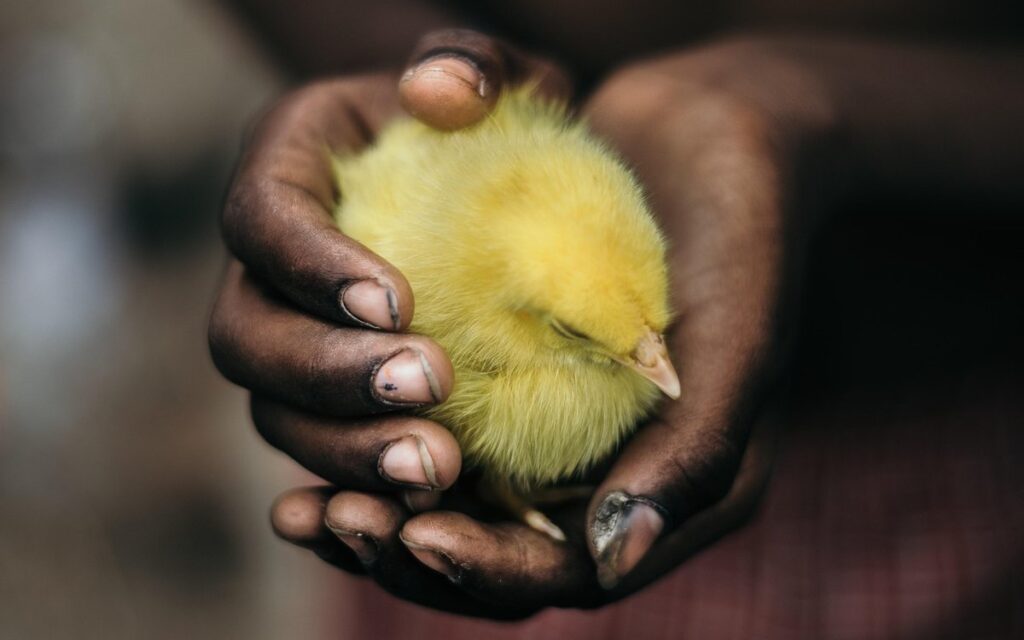
Introduction to Raising Chickens on a Family Farm
Starting a backyard flock can be both exhilarating and intimidating, but don’t worry, we’ve got you covered with the basics of raising chickens. Let’s begin with the fundamentals of introducing chickens to your family farm.
Understanding the Benefits of Backyard Chickens
Raising backyard chickens can be a fantastic addition to your family farm, offering numerous benefits that extend far beyond just providing fresh eggs. One of the most significant advantages is the cost savings that come with having your own egg-laying hens. Not only will you save money on grocery store-bought eggs, but you’ll also enjoy reduced costs for feed and supplies as you learn to manage your flock efficiently.
Another benefit is the educational opportunities for children who can learn hands-on about responsibility, animal care, and sustainable living. Watching chicks hatch from eggs, observing hens’ behavior, and participating in daily feeding and cleaning tasks can be a fun and engaging learning experience. Additionally, raising chickens provides an excellent chance to teach kids about where their food comes from and the importance of self-sufficiency.
To make the most of these benefits, start small with 2-3 hens and gradually expand your flock as you gain experience. Consider enlisting the help of older children or teenagers to share in the responsibilities and develop essential life skills. With a little planning and dedication, your backyard chicken venture can become a rewarding and enriching experience for the entire family.
Setting Up a Coop and Run
When setting up a chicken coop and run on your family farm, there are several essential components to consider. First and foremost, size matters. A good rule of thumb is to provide at least 2-4 square feet of space per bird inside the coop and 8-10 square feet in the run. This will allow your chickens to move around comfortably and engage in natural behaviors.
Ventilation is also crucial to keep your birds healthy. Ensure that the coop has adequate airflow by installing windows or vents that allow fresh air to circulate. A minimum of 1 foot of clearance between the top of the coop and the roof will help prevent moisture buildup and reduce the risk of respiratory problems.
Predator protection is another key consideration when designing your chicken run. Use sturdy fencing materials, such as hardware cloth or chicken wire with openings no larger than 1 inch, to prevent raccoons, foxes, and other predators from getting in. Secure any gaps around doors and windows with hardware cloth or electric fencing for added protection.
Nutrition and Feed Options for Family Farm Chickens
When it comes to feeding your family farm chickens, you want to ensure they’re getting a balanced diet that meets their nutritional needs. This section will explore your options for nutritious feeds and supplements.
Understanding Chicken Nutrition Basics
When it comes to keeping happy and healthy family farm chickens, nutrition is key. As a responsible backyard chicken keeper, you want to ensure that your flock receives the right balance of nutrients to support their growth, egg production, and overall well-being.
Chickens have different nutritional needs at various stages of their lives. For example, chicks require higher amounts of protein (about 20-22%) during the first few weeks of life to support rapid growth and development. As they mature, their protein requirements decrease to around 15-16%. Calcium is also crucial for strong eggshell production and bone health, with a daily requirement of about 1-2% of their diet.
To meet these nutritional needs, you can offer a high-quality commercial layer feed as the main staple, supplemented with fresh fruits, vegetables, and grains. For example, adding crushed oyster shells to their feed will provide an extra calcium boost for eggshell production. Remember, every flock is different, so observe your chickens’ behavior and adjust their diet accordingly.
Feed Types: Laying Pellets, Grains, and Supplements
When it comes to feeding your family farm chickens, there are various options available, each with its own benefits and drawbacks. Laying pellets are a popular choice for their convenience and ease of use. These feed formulations are specifically designed for laying hens, providing the necessary nutrients for egg production. However, they may not offer as much variety in terms of ingredients or flexibility in formulation compared to other options.
Grains, on the other hand, provide a more natural approach to feeding your chickens. By offering a mix of grains such as oats, barley, and corn, you can promote digestive health and encourage foraging behavior. Grains are also often less expensive than commercial pellets and allow for greater control over what your chickens eat.
Supplements play an important role in ensuring your chickens receive all the necessary nutrients for optimal health. Consider adding oyster shells to support strong eggshells or crushed eggshells to provide calcium directly. Other supplements, such as probiotics, can aid digestion and boost overall immunity. When choosing a supplement, consider factors like nutrient content, quality of ingredients, and potential allergens.
As you explore different feed types, keep in mind that a balanced diet is key to maintaining your chickens’ health and egg production. A mix of laying pellets, grains, and supplements can provide the necessary nutrients for optimal performance. Be sure to consult with a veterinarian or poultry expert to determine the best feed options for your specific flock.
Health and Hygiene Practices for Family Farm Chickens
When it comes to keeping your family farm chickens healthy, maintaining good hygiene practices is crucial to prevent illness and ensure their well-being. Let’s dive into some essential health and hygiene tips for your flock.
Monitoring Flock Health and Identifying Signs of Illness
Monitoring flock health is crucial to prevent the spread of diseases and ensure the overall well-being of your family farm chickens. Some common chicken diseases and parasites that you should be aware of include Avian Influenza, Newcastle Disease, and internal parasites like worms and coccidiosis.
To monitor flock health, start by observing your birds daily for signs of illness, such as changes in appetite, droopy wings, or labored breathing. Keep an eye out for changes in the color or consistency of their droppings, which can indicate internal parasites. You should also regularly inspect their living conditions to ensure they are clean and free from pests.
Some key indicators of flock health include:
* A steady weight gain
* Clear eyes and shiny feathers
* Energetic behavior and willingness to forage
* Regular laying (for hens)
Regular checks can help you identify problems early on, allowing you to take preventative measures or administer treatment.
Biosecurity Measures to Prevent Disease Outbreaks
To keep your family farm chicken flock healthy and thriving, it’s essential to implement robust biosecurity measures. These practices not only prevent disease outbreaks but also protect your chickens from external pathogens.
Hand sanitation is a simple yet crucial step in maintaining biosecurity. Ensure all family members wash their hands thoroughly with soap and water before handling the chickens or entering the coop. This habit prevents the transfer of bacteria, viruses, and other microorganisms that can cause diseases such as avian influenza, Newcastle disease, and salmonella.
Regular foot baths are another vital practice to prevent disease spread. Soak your feet in a 10% bleach solution for at least 30 seconds before entering the coop. This step is particularly important during wet or muddy conditions when bacteria and pathogens can easily adhere to your shoes and subsequently infect the flock.
Isolation procedures are also critical during a suspected outbreak. Immediately remove any affected birds from the main flock, quarantine them in a separate area, and consult with a veterinarian for guidance on treatment and prevention strategies.
Breeds and Genetics: Choosing the Right Chickens for Your Farm
When it comes to starting a chicken farm, selecting breeds that thrive in your specific climate and environment is crucial. We’ll explore the essential factors to consider when choosing the perfect flock for your family’s needs.
Popular Backyard Chicken Breeds for Family Farms
When it comes to choosing the right chicken breeds for your family farm, there are several popular options that excel in egg-laying ability, temperament, and overall hardiness. For small-scale farms with families involved in daily care, breeds like the Rhode Island Red and Barred Plymouth Rock are excellent choices.
Rhode Island Reds are known for their high egg production, laying around 200-220 brown eggs per year. They’re also friendly and docile, making them a great fit for families with children who want to get involved in chicken care. Barred Plymouth Rocks, on the other hand, are another popular breed that lays around 200-250 brown eggs annually. They’re known for their hardiness and adaptability, thriving in both warm and cool climates.
Other breeds worth considering include the Australorp, which lays an impressive 300+ eggs per year, and the Golden Comet, a cross between a Rhode Island Red and a White Leghorn that excels in egg production and friendly temperament. When selecting breeds for your family farm, consider factors like climate, available space, and personal preferences to ensure you choose birds that thrive under your care.
In terms of temperament, look for breeds that are known for being gentle and easy-going, such as the Brahma or Orpington. These birds tend to be more laid-back and less prone to stress, making them ideal for families with children or pets. Ultimately, research different breeds and their unique characteristics to determine which ones best fit your family’s needs and preferences.
Understanding Chicken Genetics and Crossbreeding
When it comes to raising chickens on your family farm, understanding chicken genetics and crossbreeding is crucial for selecting breeds that thrive in your specific environment. Let’s break down the basics: Genetics are the instructions encoded in an organism’s DNA that determine its traits, such as egg-laying capacity, growth rate, or feather type.
Inbreeding occurs when two closely related chickens produce offspring, which can lead to a loss of genetic diversity and increased susceptibility to disease. Heterosis, on the other hand, is the opposite – it happens when you cross two breeds with different genetic backgrounds, resulting in offspring that exhibit improved traits such as increased egg production or enhanced resistance to diseases.
For family farm chicken care, choosing breeds that benefit from heterosis can be a game-changer. For example, crossing a Leghorn (known for its high egg-laying capacity) with a Rhode Island Red (famous for its hardiness and disease resistance) can produce offspring that excel in both areas. Research local breed associations or consult with experienced farmers to find the right crossbreeding combinations for your farm’s specific needs and goals.
Remember, genetics play a significant role in determining the success of your flock. By understanding the basics of chicken breeding, you’ll be better equipped to make informed decisions about which breeds to raise on your family farm.
Predator Protection and Fencing for Family Farm Chickens
To keep your flock safe from predators, we’ll explore the importance of fencing and protective measures to safeguard your family farm chickens. Proper fencing is crucial for their well-being.
Choosing the Right Fencing Materials and Design
When it comes to creating a secure and escape-proof enclosure for your family farm chickens, choosing the right fencing materials and design is crucial. You’ll want to consider factors such as durability, ease of maintenance, and predator resistance.
For fencing materials, options range from traditional wood and metal to more modern alternatives like vinyl and electric netting. Wood fencing is a popular choice, but it can be prone to rot and damage if not properly treated or maintained. Metal fencing, on the other hand, offers excellent durability and strength, but can be noisy and may require additional support for taller enclosures.
Consider using materials that are specifically designed for agricultural use, such as durable vinyl or polypropylene-coated mesh. These options offer excellent resistance to weathering, rot, and pests, while also being easy to clean and maintain. When designing your enclosure, remember to take into account the age and mobility of your chickens. A secure door system and sufficient ventilation are essential for preventing escape attempts.
When selecting a fencing material, think about factors such as climate, terrain, and local regulations. For example, if you live in an area with high winds or extreme weather conditions, a sturdy metal fence may be the best choice. If you have limited space or need to create separate enclosures for different breeds, consider using modular designs that can be easily assembled and rearranged.
When choosing fencing materials, make sure to check local building codes and regulations regarding animal enclosures. Consider factors such as height, spacing, and gate security to ensure your enclosure meets all requirements.
Deterrents and Deterrence Methods for Predators
When it comes to protecting your family farm chickens from predators, non-lethal deterrent methods are an effective and humane solution. These methods aim to scare away potential threats without causing harm to either the animals or the environment.
One popular option is hot pepper sprays. These sprays contain capsaicin, a compound found in chili peppers that repels animals with its intense burning sensation. When sprayed around the coop or run, hot pepper sprays can deter raccoons, coyotes, and other predators from approaching your flock. However, be sure to follow the instructions carefully, as overuse of these sprays can cause discomfort to both humans and chickens.
Another effective deterrent is ultrasonic devices. These electronic devices emit a high-frequency sound undetectable to humans but unpleasant for many animals. By placing them around the perimeter of the coop or run, you can create an uninviting environment that discourages predators from entering. Some devices even come with adjustable settings and multiple frequencies to target specific species.
When choosing non-lethal deterrents, consider your farm’s unique challenges and predator types. Be sure to position these devices strategically, following the manufacturer’s guidelines for optimal effectiveness.
Conclusion: Tips for Success with Family Farm Chickens
As you near the end of your family farm chicken care journey, it’s time to put all that knowledge into action and learn the essential tips for a thriving flock. Here are our top recommendations for success.
Lessons Learned from Experienced Farmers
Experienced family farmers who have successfully raised backyard chickens share valuable insights and lessons learned that can benefit you as well. Let’s hear from some of these experts to glean the most important takeaways.
Many experienced chicken keepers agree that planning is key to a successful flock. “Don’t just wing it,” says Sarah, a seasoned homesteader with over 10 years of experience raising backyard chickens. “Research different breeds, consider your climate and available space, and make sure you’re prepared for the initial investment.” This includes not only purchasing chickens but also setting up coop and run infrastructure.
Another crucial lesson learned from experienced farmers is the importance of integrating chickens into your existing homestead operations. “Chickens are a great addition to our farm,” says John, who raises 20+ birds on his small acreage. “They provide eggs, entertainment, and even help with pest control.” He recommends allocating specific areas for chicken activities, like a designated feeding station or nesting box.
When it comes to health and disease management, expert advice is clear: maintain strict cleanliness standards and monitor your flock regularly. Regular vaccinations, parasite checks, and probiotic supplements are also essential practices shared by experienced farmers.
One crucial aspect that’s often overlooked but is essential for long-term success with family farm chickens is record-keeping. Keeping track of breed, age, weight, feeding habits, and egg production can help identify potential issues before they become major problems.
Incorporating these expert recommendations into your own backyard chicken operation will undoubtedly enhance the overall experience. Remember that raising family farm chickens requires a commitment to care, dedication, and flexibility – but with these tips from experienced farmers, you’ll be well on your way to creating a thriving flock.
Frequently Asked Questions
How do I introduce new chickens to my existing flock without causing stress or disease transmission?
Introducing new chickens can be a challenging process, but it’s essential for maintaining a healthy flock. To minimize stress and prevent disease transmission, make sure the new birds are from a reputable breeder or supplier, and keep them separate from your existing flock for at least 30 days before integrating them. Quarantine the new birds in a clean area with their own feeders, waterers, and nesting boxes.
What are some common signs of illness that I should look out for in my chickens?
Regular monitoring of your flock’s health is crucial to preventing disease outbreaks. Common signs of illness include changes in droppings, appetite, or egg production, as well as lethargy, labored breathing, or difficulty walking. If you notice any of these symptoms, isolate the affected bird and consult with a veterinarian or experienced chicken keeper for guidance.
Can I raise chickens on my family farm without proper predator protection?
No, it’s essential to take measures to protect your flock from predators like foxes, coyotes, and hawks. A sturdy coop with secure latches and a strong fence around the run are crucial for preventing escapes and attacks. Consider using materials like hardware cloth or chicken wire with openings of 1 inch or smaller to prevent predator entry.
How often should I clean and disinfect my flock’s living area?
Regular cleaning and disinfection of your chickens’ living areas is essential for maintaining a healthy flock. Aim to clean the coop at least once a month, removing soiled bedding material and disinfecting all surfaces with a solution of 1 part white vinegar to 9 parts water.
What are some natural deterrents I can use to protect my chickens from predators?
While fencing and secure coops are essential for protecting your flock, natural deterrents like motion-activated sprinklers, ultrasonic repellent devices, or hot pepper sprays can also help deter predators. Consider using a combination of these methods to create an effective defense system for your family farm chickens.