
As you venture out into the cold, it’s essential to be aware of the risks associated with frostbite. This winter weather condition can sneak up on anyone, regardless of their age or experience level. If you’re planning to spend time outdoors in freezing temperatures, understanding how to prevent frostbite is crucial. In this article, we’ll share expert tips on clothing and gear that will keep you warm, as well as emergency preparedness strategies to ensure your safety. We’ll also identify high-risk groups and discuss the importance of taking preventative measures. By the end of this post, you’ll be equipped with the knowledge to stay safe in extreme cold temperatures and enjoy your time outdoors with peace of mind.
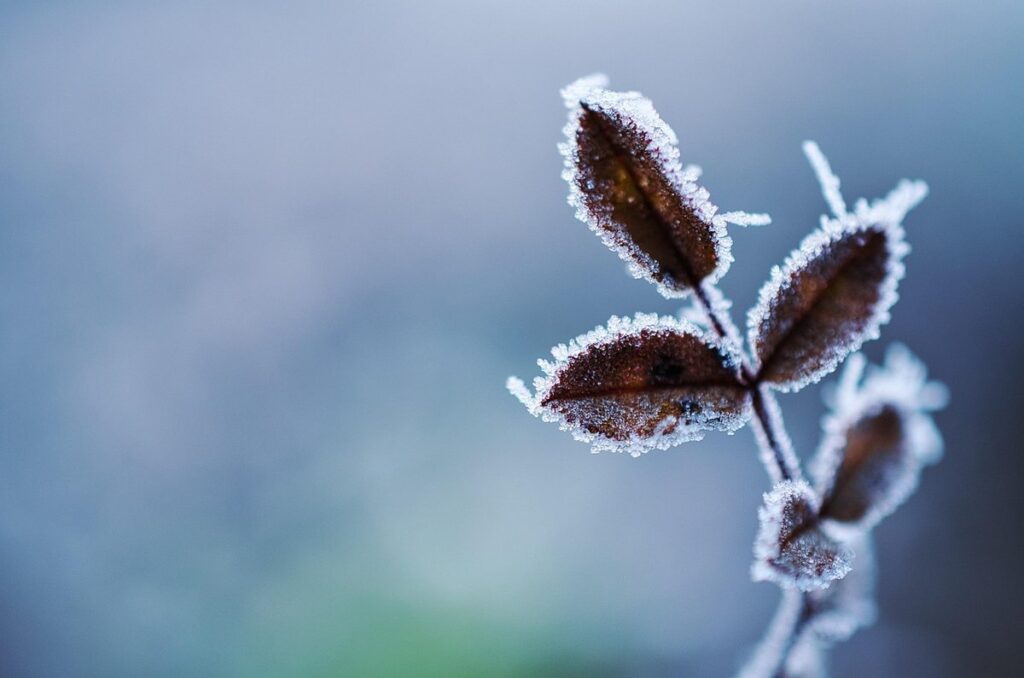
Understanding Frostbite Risks
When venturing outdoors in freezing temperatures, it’s essential to be aware of frostbite risks and take proactive steps to minimize your exposure to extreme cold. We’ll break down the key factors that increase your chances of getting frostbite.
The Dangers of Prolonged Exposure
Prolonged exposure to cold temperatures can have devastating consequences on the human body. When skin is exposed to freezing conditions for an extended period, it can lead to frostbite, a condition that causes damage to the skin and underlying tissues. If left untreated or prolonged exposure continues, it can result in permanent damage.
Frostbite occurs when blood flow to the affected area is severely reduced, causing ice crystals to form within the tissues. This can lead to numbness, tingling, and eventually, a range of serious complications. In severe cases, frostbite can cause permanent nerve damage, resulting in loss of sensation or even amputation.
The risk of permanent damage increases significantly when exposure exceeds 30 minutes to freezing temperatures below 32°F (0°C). It’s essential for outdoor enthusiasts to recognize the warning signs of frostbite and take action immediately. If you experience numbness, pain, or tingling, seek medical attention promptly.
Identifying High-Risk Groups
When it comes to preventing frostbite, some individuals are more susceptible than others. Older adults and young children are particularly vulnerable due to their reduced circulation and lower body fat reserves. As we age, our skin’s ability to withstand cold temperatures decreases, making older adults more prone to frostbite.
Similarly, young children have a harder time regulating their body temperature, making them more susceptible to frostbite. In fact, according to the American Red Cross, children under the age of 10 are at a higher risk for hypothermia and frostbite due to their small body mass and limited ability to shiver.
Individuals with certain medical conditions also face a higher risk of developing frostbite. People with diabetes, Raynaud’s disease, or poor circulation may experience numbness or tingling in their extremities, making it more challenging for them to detect the onset of frostbite. If you have any underlying medical condition, be sure to take extra precautions when spending time outdoors in cold weather. This includes dressing warmly, staying dry, and seeking shelter if symptoms persist.
Recognizing Early Warning Signs of Frostbite
Knowing how to identify frostbite early on is crucial, so let’s dive into the common warning signs that can help you react quickly and prevent serious damage.
Tingling or Numbness in Extremities
If you’re experiencing tingling or numbness in your hands, feet, or other extremities while outdoors in cold weather, it’s essential to take action right away. These sensations can be an early warning sign of frostbite, a condition that occurs when skin and underlying tissues freeze due to prolonged exposure to cold temperatures.
Don’t wait until the numbness becomes more pronounced or your fingers and toes start turning white – by then, damage may already have been done. When you notice tingling or numbness in your extremities, seek shelter immediately and take steps to warm up slowly. Remove any wet clothing, including shoes and socks, to prevent further heat loss.
Use body heat to warm up: Place your hands under your armpits, wrap a scarf around your head, or use a hot water bottle wrapped in a towel to provide warmth to the affected areas. Gently massage the numb area with your fingers to improve circulation. If symptoms persist or worsen despite these steps, seek medical attention as frostbite can be serious and even lead to permanent damage if not treated promptly.
Discoloration and Loss of sensation
Discoloration and loss of sensation are two warning signs that indicate more severe frostbite is setting in. If you notice white or gray skin on an affected area, it’s a sign that the skin’s blood vessels have constricted to conserve heat. This discoloration can spread rapidly, especially if exposed to cold air or wet conditions. On the other hand, loss of sensation means your body has lost its ability to feel pain and temperature.
If you’re experiencing numbness, tingling, or a prickling feeling in an affected area, it’s essential to take action immediately. Delaying treatment can lead to permanent damage or even amputation. To check for frostbite, press the skin with your finger; if it feels hard and cold, seek medical attention.
Keep in mind that frostbite can be unpredictable and may not follow a consistent pattern. That’s why it’s crucial to stay alert and monitor your body’s response to cold temperatures. If you notice any unusual signs or symptoms, don’t hesitate to take action. Always err on the side of caution when dealing with cold-related injuries.
Preventing Frostbite: Clothing and Gear
When it comes to preventing frostbite, having the right clothing and gear can make all the difference. In this section, we’ll explore essential items to keep you warm and safe in cold conditions.
Choosing the Right Outerwear
When venturing outdoors in cold weather, it’s essential to prioritize wearing layers that will keep you warm and dry. This layering system is crucial for preventing frostbite, as it allows you to adjust your clothing according to the temperature and activity level.
Start with a moisture-wicking base layer that draws sweat away from your skin and dries quickly. Look for materials like merino wool or synthetic fabrics designed for high-performance activities. Next, add an insulating mid-layer such as fleece or down-filled jacket to trap warmth without weighing you down. This is where the magic happens: even if your outer layer gets wet, the mid-layer will still keep you warm.
Finally, top it off with a waterproof and breathable outer layer that protects against wind and precipitation. Look for materials like Gore-Tex or similar technologies that allow moisture vapor to escape while keeping water out. Don’t forget to consider a hat, scarf, and gloves that fit well and won’t compromise circulation. By wearing layers that work together in harmony, you’ll be better equipped to fight off the cold and prevent frostbite.
Hand and Foot Protection
When it comes to preventing frostbite in high-risk areas such as hands and feet, proper gear is essential. A good pair of gloves or mittens can make all the difference in keeping your extremities warm and protected. Look for gloves made from materials like wool, fleece, or synthetic fabrics that are designed to retain warmth even when wet.
For socks, choose moisture-wicking materials that will help keep your feet dry and blister-free. Avoid cotton as it can become heavy and cold when wet. For insulated boots, look for those with a waterproof membrane and a good grip to prevent slipping on icy surfaces. Consider using gaiters or boot gators to prevent snow and ice from entering the boot.
When choosing gear, consider the activity you’ll be doing and the expected conditions. If you’ll be in extremely cold temperatures, look for gear with multiple layers of insulation. Remember, it’s not just about keeping your hands and feet warm, but also dry. By investing in proper gear, you can significantly reduce your risk of frostbite.
Staying Warm in Extreme Cold
When venturing out into extreme cold, staying warm is crucial to preventing frostbite. This next section shares essential tips for maintaining body heat and avoiding exposure.
Building Insulation and Shelter
When venturing out into extreme cold, it’s easy to lose body heat quickly. Building insulation and shelter can be a game-changer for maintaining warmth. One of the most effective ways to stay warm is by building a shelter that protects you from wind and snow. This can be as simple as digging a hole in the ground or creating a snow wall around you.
Using proper insulation techniques can also help retain body heat. When setting up your shelter, make sure to lay down a layer of insulating material like dry leaves, grasses, or even space blankets. You can also use snow itself as an insulator by piling it up around the perimeter of your shelter. Another trick is to create a windbreak using branches or a tarp.
It’s also essential to choose the right spot for your shelter. Look for areas that are partially shaded and protected from prevailing winds. Avoid setting up camp in low-lying areas where cold air tends to collect. By following these simple tips, you can stay warm and reduce the risk of frostbite.
Fire Safety and Management
When using fire for warmth in emergency situations, it’s crucial to prioritize fire safety and proper management. This not only helps prevent accidents but also reduces the risk of frostbite while staying warm.
In cold temperatures, fires can be an effective way to stay warm, especially if you’re stranded outdoors or without electricity. However, misuse of fire can lead to serious consequences. Always ensure that your campfire or fireplace is at least 15 feet away from any flammable materials and surrounded by a clear, three-foot radius.
Properly managing the fire will also help maintain a safe temperature for warmth. Keep the flames small and controlled, as high heat can cause burns. Use dry, seasoned wood to minimize smoke production and avoid using gasoline or other accelerants that can release toxic fumes.
Additionally, never leave an open flame unattended in cold conditions, as this can lead to accidents and increase the risk of frostbite while staying warm by the fire. Always have a fire extinguisher nearby and know how to use it effectively in case of emergencies.
First Aid for Frostbite Victims
If you’re unlucky enough to suffer from frostbite, knowing how to properly treat it can be a lifesaver. This is what you need to do if someone in your care has developed frostbitten skin.
Recognizing Severity and Symptoms
When assessing frostbite victims, it’s essential to evaluate the severity of their condition as soon as possible. One way to do this is by checking for color changes on their skin. If the affected area has turned pale or blue-gray, it could be a sign of superficial frostnip, which is the mildest form of frostbite. However, if the skin appears white and feels cold to the touch, but not numb, it may indicate a more severe case.
To identify symptoms, look for blisters that are painful to touch, swelling in the affected area, or darkened skin due to increased blood flow as the body tries to warm itself up. In some cases, frostbite can cause nerve damage, leading to loss of sensation or feeling in the affected areas.
It’s crucial to recognize these symptoms early on and act quickly to prevent further damage. If you suspect someone has frostbite, gently remove any constricting items from around their affected limbs and help them get indoors or a warm place as soon as possible.
Treatment and Recovery Steps
If you’ve been unlucky enough to suffer from frostbite, prompt first aid can make all the difference. The goal is to thaw affected areas slowly and safely to prevent further damage.
Thawing should begin as soon as possible, but never use hot water or an open flame to speed up the process. Instead, run lukewarm tap water over the area for 20-30 minutes to gently warm it up. Gently pat dry with a clean towel once thawed.
Never rub the affected skin with towels or clothing, as this can cause further damage and irritation. Once thawed, soak the area in warm water (not hot) for 20-30 minutes several times a day to promote blood flow and healing. Avoid using harsh soap or any other products on the frostbitten area until it’s fully recovered.
Monitor your body temperature closely during recovery as hypothermia can be a complication of frostbite. Seek medical attention immediately if you experience numbness, tingling, or pain in affected areas that persists after treatment, or if you notice blisters or blackening of skin.
Emergency Preparedness and Prevention Plans
Having a solid emergency preparedness plan is crucial when venturing out into cold temperatures. Let’s explore some essential steps to take before you head outside.
Creating a Personal Safety Plan
When venturing outdoors during extremely cold weather, it’s essential to create a personal safety plan that includes measures to prevent frostbite. This means taking proactive steps to avoid prolonged exposure and stay informed about the current weather conditions.
Before heading out, check the forecast for wind chill, precipitation, and temperature drops. This will help you determine the best times for outdoor activities and allow you to plan accordingly. If you must venture outside during harsh conditions, dress in layers with a focus on keeping extremities warm, such as your hands and feet. Wear gloves or mittens that are designed for cold weather and consider bringing extra pairs in case the first pair gets wet.
Additionally, inform someone about your planned activities and estimated return time. This will ensure help is available if you encounter issues while outside. Always carry a phone with you in case of emergencies. In extreme cases, know the nearest location to seek medical attention for frostbite treatment.
Building a Community Support System
Building a community support system is crucial for emergency situations like frostbite cases. When you’re outdoors in extreme cold, help may be delayed or unavailable. Having people who can check on you and provide aid if needed can make a significant difference in the outcome.
Identify potential helpers before heading out into the cold. This could include friends, family members, or even coworkers who have outdoor responsibilities. Make sure they understand your itinerary and expected return time. In extreme situations, also consider notifying local authorities or emergency services about your plans.
For long-term care and recovery from frostbite, having a support system is essential. Friends and family can provide emotional support during the healing process. They can also help with tasks like meal preparation, transportation, and household chores, allowing you to focus on rehabilitation.
In addition to personal relationships, consider joining local outdoor or emergency response groups. These organizations often have trained members who can offer advice and assistance in case of an emergency.
Frequently Asked Questions
What are some common mistakes people make when it comes to preventing frostbite, and how can I avoid them?
When venturing out into the cold, many people underestimate the severity of frostbite risks or overlook essential precautions like dressing in layers or keeping extremities dry. To prevent these mistakes, always prioritize layering your clothing, choose moisture-wicking fabrics, and be mindful of wind chill factors when planning your outdoor activities.
Can I still experience frostbite even if I’m dressed warmly?
Yes, even with proper attire, frostbite can occur due to prolonged exposure or inadequate blood circulation. Be aware of the early warning signs like tingling or numbness in extremities, discoloration, and loss of sensation. If you notice any of these symptoms, seek medical attention immediately.
How often should I check on someone who’s been exposed to cold temperatures for an extended period?
Regularly check on individuals who have been outdoors for an extended period, especially those with pre-existing conditions or elderly individuals. Every 15-30 minutes, ask them about their comfort level and watch for signs of frostbite.
What are some essential items I should include in my emergency kit to prevent frostbite?
Pack a basic first aid kit with essentials like warm blankets, gloves, hats, and hand/foot warmers. Also, include warm liquids like hot chocolate or tea to help raise body temperature. Don’t forget a portable charger for your phone, as well as any medications you may need in case of an emergency.
Can I treat frostbite at home, or do I need medical attention?
No, it’s essential to seek immediate medical attention if you suspect someone has frostbite. While initial first aid can be provided, treatment requires a professional evaluation to prevent further damage and ensure proper recovery.