
Winter is here, and your wattle tree needs extra TLC to thrive. As the temperatures drop, wattles can be particularly vulnerable to pests, diseases, and harsh weather conditions that can weaken their branches and roots. Proper care during this season is crucial to ensure your tree stays healthy and vibrant come springtime. In this article, we’ll dive into expert tips on how to prune, mulch, water, and manage pests to keep your wattles in top shape throughout the winter months. From identifying potential threats to implementing practical maintenance strategies, you’ll discover everything you need to know to keep your wattles thriving despite the cold weather. By following our guidance, you can enjoy a beautiful and resilient wattle tree that brings color and life to your garden even during the darkest of winters.
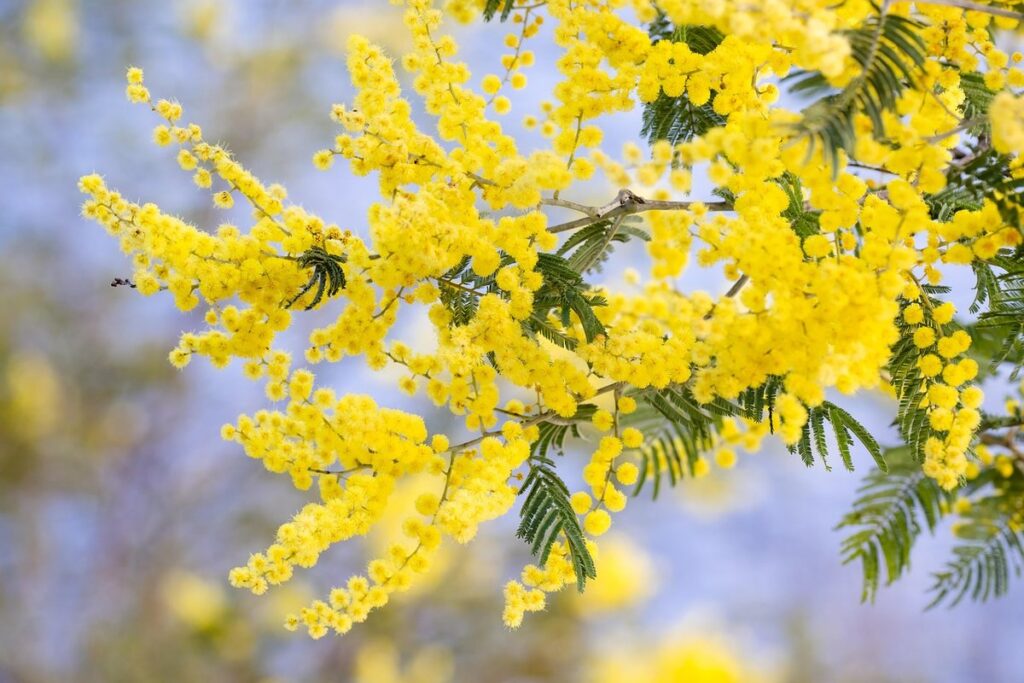
Understanding Wattles and Their Needs
Wattles have unique needs that change with the seasons, and understanding these changes is crucial for keeping your plant healthy during winter. Let’s dive into what makes wattles special.
What are Wattles?
Wattles are a type of flowering tree that originates from Australia and New Zealand. They’re commonly found in dry woodland areas and are often associated with native ecosystems. In gardens, you’ll typically come across several species, including the Acacia dealbata, Acacia baileyana, and Acacia melanoxylon. These trees have adapted to survive in harsh conditions, which makes them an attractive option for gardeners who want low-maintenance plants.
One of the key characteristics of wattle trees is their ability to thrive in poor soil and withstand drought. This adaptability has led to their widespread cultivation in gardens across Australia and beyond. However, this also means that they require specific care to ensure they remain healthy during periods of extreme weather conditions, such as winter. Understanding the native habitats and species of wattles can help you tailor your care routine to meet their unique needs, ensuring they continue to thrive throughout the year.
Identifying the Signs of Stress
Recognizing when your wattle tree is under stress due to winter conditions can be crucial for its survival. One of the most common signs of stress is leaf drop, where leaves fall off prematurely or excessively. If you notice a significant amount of leaves dropping, it could be a sign that your wattle tree is struggling to adapt to the changing temperatures.
Another indicator of stress is color changes. Wattle trees typically have bright yellow or golden flowers and green foliage. However, if the leaves turn pale or develop brown spots, it may be a sign that your tree needs attention. Reduced growth is also a common sign of winter stress, where the tree’s growth slows down or becomes stunted.
If you notice any of these signs, inspect your wattle tree for pests, diseases, or nutrient deficiencies. Adjust its watering schedule and provide adequate fertilization to ensure it receives essential nutrients. Monitor your tree closely and take corrective action promptly to prevent further damage. By being vigilant and proactive, you can help your wattle tree bounce back from winter stress and thrive when the seasons change.
Preparing Your Wattle for Winter
To keep your wattle thriving through winter, you’ll want to focus on preparing it for the cold months ahead by protecting its roots and foliage. This involves some simple yet essential steps.
Pruning and Maintenance
Pruning is an essential part of wattle care, especially during the dormant season. This is because pruning helps to maintain the plant’s shape, promote healthy growth, and prevent disease. When pruning a wattle, it’s best to do so when the plant is completely dormant, as cutting back in this state will cause minimal stress.
The timing for pruning varies depending on the type of wattle you have. For example, young wattles (Acacia spp.) can be pruned annually during the winter months to maintain a desired shape and encourage new growth. More mature wattles, on the other hand, require less frequent pruning – ideally every 2-3 years.
When pruning your wattle, make sure to:
* Use clean and sharp tools to prevent spreading disease
* Remove any dead or damaged branches first
* Cut back no more than one-third of the plant’s foliage at a time
* Prune in an outward direction, rather than cutting into the center of the plant
Mulching and Protection from Extreme Weather
Mulching around your wattle tree is one of the most effective ways to protect it from extreme weather conditions. Not only does mulch retain moisture and regulate soil temperature, but it also suppresses weeds that can compete with your wattle for water and nutrients. A 5-7cm layer of organic mulch such as wood chips or bark is ideal for preventing frost damage and retaining heat.
To protect your wattle from extreme temperatures, consider using a windbreak or row cover to shield the tree from harsh winds. You can also wrap the branches with burlap or fleece to prevent scorching by intense sunlight. When it comes to frost protection, make sure to water your wattle thoroughly before the temperature drops, as this will help the roots absorb moisture and reduce damage.
In areas prone to extreme weather conditions, consider planting cold-hardy wattle varieties that can tolerate temperatures below 0°C. With proper care and attention, your wattle tree should be able to withstand even the harshest of winters.
Winter Care and Maintenance
To keep your wattle thriving through winter, it’s essential to be aware of some specific care and maintenance tasks that’ll protect it from harsh weather conditions. This includes pruning and mulching to safeguard its health.
Watering and Fertilization
Watering and fertilization are crucial aspects of wattle care during winter months. When it comes to watering, be mindful of the soil type and climate you’re in. In general, wattles prefer well-draining soil and can tolerate some drought. However, during winter, the tree’s growth slows down, and it requires less water.
In areas with high humidity or rainfall, reduce watering frequency to prevent root rot. For drier climates, continue to water your wattle regularly, but make sure not to overwater. Check the soil moisture by inserting a finger into the soil up to the knuckle. If the soil feels dry, it’s time to water.
When it comes to fertilization, winter is an ideal time for applying organic fertilizers like compost or manure. These slow-release fertilizers provide essential nutrients without burning your wattle’s roots. Avoid using chemical fertilizers during winter as they can cause more harm than good. A balanced fertilizer with a ratio of 10-10-10 (nitrogen-phosphorus-potassium) is suitable for wattles. Apply it according to the manufacturer’s instructions, and you’ll be on your way to a healthy and thriving wattle tree come spring.
Pest and Disease Management
As winter sets in, wattles are susceptible to pests and diseases that can cause significant damage. One of the most common issues is aphids, which can be identified by their small, soft bodies and usually appear on young growth. These pesky insects feed on sap, causing curled or distorted leaves.
To prevent infestations, inspect your wattle regularly for any signs of pests and diseases. Look out for yellowing or browning leaves, black spots, or powdery mildew. If you notice any issues, treat the plant with a suitable insecticide or fungicide, following the product’s instructions carefully.
Regular pruning is also essential in controlling pest populations. Remove any affected growth to prevent the problem from spreading. Consider using neem oil or horticultural soap to control aphids and other pests. When it comes to diseases, prevention is key: ensure good air circulation around your wattle and avoid overwatering, which can encourage fungal growth.
For powdery mildew, a common issue in winter, use a fungicide specifically designed for this condition. Apply the product according to the instructions, usually during early morning or evening when the plant is at its most vulnerable.
Keep an eye out for scale insects, too – these armored pests can be challenging to treat but are often manageable with neem oil and regular pruning. If you do encounter a problem, act quickly to prevent it from getting worse.
Winter Pruning Techniques for Different Wattle Species
When it comes to pruning wattle trees, not all species are created equal. Each type has its own unique requirements and considerations that can make a big difference in their health and appearance.
Pruning Native Australian Wattles
Pruning native Australian wattles is an art that requires patience and attention to detail. When it comes to shaping and maintaining their natural growth habit, the key is to prune selectively, rather than drastically cutting back the entire plant. This approach allows you to encourage new growth and maintain the wattle’s unique characteristics.
To begin pruning your native Australian wattle, start by removing any dead, diseased, or damaged branches. Cut these off at a 45-degree angle, just above a bud or a lateral shoot. Next, focus on shaping the plant by cutting back overgrown tips to encourage new growth and promote a balanced silhouette. For example, if your wattle has grown too tall, prune the top third of the tallest branch to encourage branching and prevent it from becoming leggy.
When pruning native Australian wattles, it’s essential to make clean cuts using sharp, sterile tools. This will help prevent disease and promote healthy healing. By following these tips and pruning regularly, you’ll be able to maintain your wattle’s natural beauty while encouraging new growth and a thriving, healthy plant.
Pruning Ornamental Wattle Varieties
When it comes to pruning ornamental wattle varieties, you need to consider their unique needs. These plants are known for their vibrant flowers and varying growth patterns, so a one-size-fits-all approach won’t work. For example, the ‘Cardinal Wreath’ and ‘Dwarf Cassiobury’ varieties produce masses of small white or pink flowers in spring, while others like ‘Aurea’ have bright yellow foliage.
To maintain their flowering habits and promote new growth, prune ornamental wattles after they’ve finished blooming. This is usually around late winter to early spring. Cut back overgrown branches by one-third to encourage bushy growth and prevent the plant from becoming leggy. Remove any dead, diseased or damaged wood as you work.
Some wattle varieties can grow quite large, so prune them more heavily if necessary. ‘Murray Darling’ is a good example of this – it can reach up to 6m tall in ideal conditions. Prune back the tallest branches to maintain shape and size, but avoid over-pruning as this can reduce flowering.
Keep an eye out for any signs of dieback or water stress, which can lead to the spread of disease. Regular pruning will help prevent these issues by promoting healthy growth and reducing the risk of pests and diseases taking hold.
Common Winter Care Mistakes to Avoid
When it comes to wattle care, winter can be a challenging time for your plants. Neglecting common mistakes is crucial to keeping them healthy and thriving during this season.
Over-Pruning and Damage
Over-pruning is one of the most common mistakes homeowners make when caring for their wattle trees during winter. It’s essential to understand that pruning isn’t a solution for every problem, and over-pruning can do more harm than good.
When you prune your wattle tree excessively, you’re removing too much of its foliage, which can cause stress to the plant. This stress can weaken the tree’s root system, making it vulnerable to disease and pests. Furthermore, over-pruning can also lead to an imbalance in the tree’s nutrient uptake, causing it to become malnourished.
To avoid over-pruning, focus on removing only what’s necessary – dead or diseased branches that are compromising the health of your wattle tree. Prune selectively, cutting back branches that are rubbing against each other or growing into neighboring plants. Avoid pruning more than one-third of the tree’s foliage in a single season. By being mindful of how you prune your wattle tree, you’ll help it stay healthy and strong throughout winter and beyond.
Under-Estimating the Importance of Mulching
When it comes to wattle care in winter, there’s one crucial aspect that often gets overlooked: regular mulching. While it may seem like a minor detail, the importance of mulching during this season cannot be overstated.
Mulch plays a vital role in retaining moisture in the soil, which is especially essential for wattles during winter when rainfall can be scarce. By covering the soil with a layer of organic material such as wood chips or bark, you help prevent water from evaporating and keep the roots hydrated. This ensures that your wattle continues to thrive, even on dry days.
Mulch also has another significant benefit: suppressing weeds. Weeds compete with wattles for nutrients and water, which can weaken their growth. By applying a thick layer of mulch, you create an environment where weeds struggle to grow, giving your wattle the upper hand.
Finally, mulch helps regulate soil temperature, keeping it consistent during winter’s cold snaps. This is especially important for wattles, as they prefer a slightly acidic soil pH and optimal temperatures between 15-25°C (59-77°F). By maintaining a stable soil temperature through regular mulching, you provide your wattle with the ideal conditions to grow strong and healthy.
Conclusion and Next Steps
Now that you’ve learned how to care for your wattle plant during winter, let’s review what you should do next to keep it thriving through the cold months.
Recap of Key Takeaways
To ensure your wattle tree remains healthy throughout winter, let’s recap the key takeaways from this article. Proper care and maintenance are crucial during this season to prevent damage to the plant.
Firstly, it’s essential to protect your wattle tree from extreme cold temperatures by mulching around its base. This helps retain moisture in the soil, preventing root damage and promoting healthy growth.
Regular watering is also vital, but be cautious not to overwater as this can lead to root rot. Aim for a consistent moisture level, allowing the top 5 cm of soil to dry out between waterings.
Pruning your wattle tree during winter can seem counterintuitive, but it’s a great time to remove any dead or damaged branches. This encourages healthy growth and helps prevent disease from spreading.
Additionally, ensure your wattle tree receives sufficient nutrients by using a balanced fertilizer during the growing season.
By following these simple tips, you’ll be able to keep your wattle tree thriving even in the coldest winter months.
Encouraging Further Research and Exploration
As you’ve learned some valuable tips and tricks for caring for your wattle plant during winter, we’re sure you’ll want to dive deeper into the world of wattle care. There’s a wealth of information out there just waiting to be explored! For those who are eager to learn more, here are some fantastic resources to get you started:
• Check out some excellent books on wattle care, such as ‘The Wattle Book’ by [Author’s Name], which offers in-depth guidance on growing and caring for wattles.
• Join online forums like the Australian Native Plants Society or the Wattle Enthusiasts Group on Facebook, where you can connect with fellow wattle enthusiasts, ask questions, and share your own experiences.
• Consider consulting with an expert, such as a local nursery owner or a certified horticulturist, who can provide personalized advice tailored to your specific climate and growing conditions.
By exploring these resources, you’ll be well on your way to becoming a wattle care master! Remember to always keep learning and adapting to the changing needs of your plant. Happy gardening!
Frequently Asked Questions
Can I still prune my wattle tree during the winter months if it’s not actively growing?
Yes, pruning can be done year-round, but it’s essential to avoid pruning during extreme weather conditions or when your wattle is under stress. Pruning during dormancy (usually from late autumn to early spring) helps maintain its shape and promotes healthy growth in the upcoming season.
How often should I water my wattle tree during winter, considering its reduced growth rate?
Watering frequency decreases with lower temperatures, but it’s crucial not to let your wattle tree dry out completely. Aim for minimal watering (about 1-2 times a month), depending on weather conditions and soil moisture levels. Be cautious not to overwater, which can lead to root rot.
Are there any specific mulching materials that are beneficial for wattles in winter?
Organic mulches like wood chips or bark work well during winter as they help retain moisture, suppress weeds, and regulate soil temperature. Avoid using high-nitrogen mulches, which can promote new growth and make your wattle more susceptible to frost damage.
Can I use chemical pest control methods on my wattle tree if it’s infested with pests?
Chemical controls should be used as a last resort and only after considering natural deterrents like neem oil or introducing beneficial insects. These methods can harm beneficial microorganisms in the soil, making your wattle more vulnerable to future pest attacks.
How long does it take for a newly pruned wattle tree to recover from winter pruning?
The recovery time varies depending on factors like species, climate, and severity of pruning. Generally, wattles can take anywhere from 2-6 weeks to show signs of new growth after winter pruning. During this period, ensure your tree receives sufficient water, nutrients, and protection from extreme weather conditions.