
Are you a chicken owner worried about your flock’s beak health? You’re not alone! A well-maintained beak is essential for your chickens’ overall well-being and can even impact their ability to eat and drink properly. But what exactly does it mean to condition and care for your chickens’ beaks, and where do you start? In this article, we’ll explore the importance of beak conditioning, provide tips on how to trim those beaks safely, and share some natural remedies to help keep them healthy and strong. We’ll also cover common mistakes to avoid when it comes to beak care, so you can ensure your chickens are living their best lives. Whether you’re a seasoned chicken owner or just starting out, this guide will provide you with the knowledge you need to improve your flock’s health and happiness today!
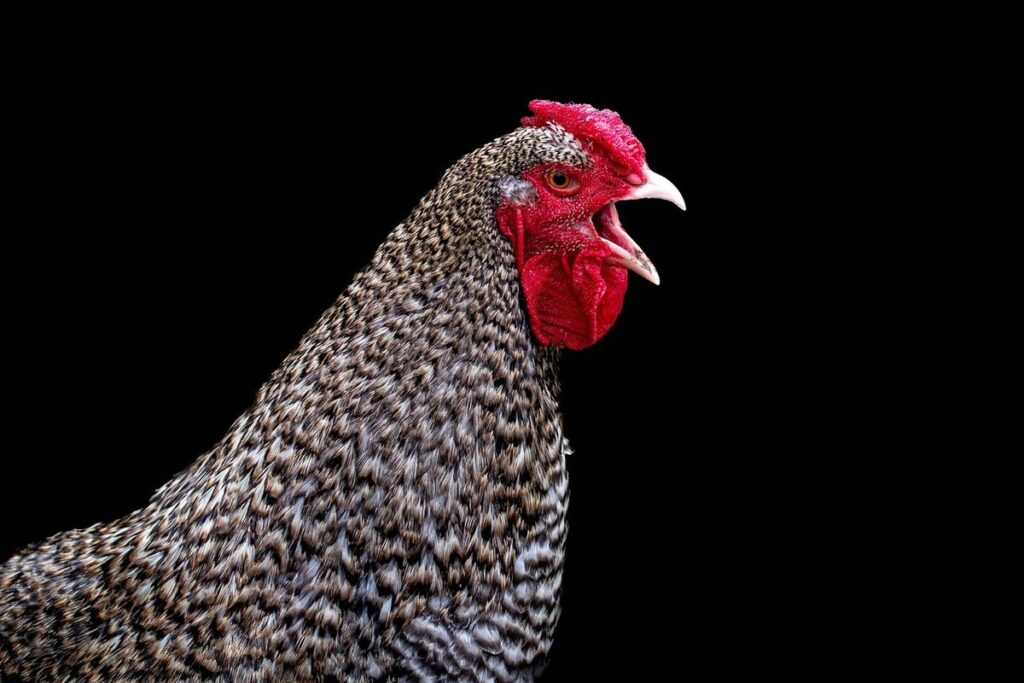
Understanding the Importance of Beak Conditioning
When it comes to beak care, understanding its significance is crucial for a chicken’s overall health and well-being. In this next part, we’ll delve into why beak conditioning matters.
Why Beak Conditioning is Crucial for Chicken Health
When it comes to maintaining the overall health and well-being of chickens, beak conditioning is an essential aspect that often gets overlooked. However, neglecting this crucial step can lead to a host of problems, from overgrown beaks to stress and discomfort.
Firstly, preventing overgrowth is vital for chicken health. Beak trimming or excessive wear can cause the beak to grow unevenly, leading to difficulties with eating, drinking, and even social interactions within the flock. A well-conditioned beak ensures that your chickens can access food, water, and perches without any hindrance.
Moreover, a healthy beak plays a significant role in reducing stress levels among chickens. When their beaks are trimmed regularly, they’re able to interact with each other more confidently, as they don’t have to worry about being picked on or struggling to eat.
Regular beak conditioning also promotes overall health by preventing pecking order-related issues and encouraging foraging behavior. By ensuring your flock’s beaks stay in top condition, you’ll significantly reduce the risk of stress-related problems and create a more harmonious coop environment.
Identifying Beak Problems in Chickens
When it comes to beak conditioning in chickens, neglecting this essential practice can lead to some serious problems. If left unchecked, a chicken’s beak can become weak and brittle, making it prone to cracking or even breaking. This is often referred to as beak chipping or splitting.
One of the most common issues related to poor beak conditioning is overgrowth. When a chicken’s beak grows too long without proper trimming, it can become difficult for them to eat and drink comfortably. Imagine trying to peck at food through a pair of sharp scissors – that’s essentially what’s happening when a chicken has an overgrown beak. Overgrowth can also lead to uneven wear on the beak, causing pain and discomfort.
To avoid these issues, it’s crucial to establish a regular beak trimming schedule for your flock. This should be done every 4-6 weeks, or as needed, depending on individual birds’ growth rates. By doing so, you’ll not only prevent potential problems but also keep your chickens happy and healthy throughout their lives.
The Benefits of Regular Beak Trimming
Regular beak trimming offers a multitude of advantages for your flock’s health and well-being, from preventing overgrowth to reducing stress. Let’s dive into these benefits in detail.
How Regular Beak Trimming Can Prevent Health Issues
Regular beak trimming is an essential aspect of maintaining your chicken’s overall health. A well-maintained beak can significantly reduce the risk of illness and injury to your feathered friends. Chickens with overgrown beaks are more susceptible to respiratory problems, as they tend to breathe through their mouths instead of their nostrils. This can lead to conditions such as sinusitis and pneumonia.
Furthermore, a long beak can also cause discomfort while eating, drinking, and even walking. When your chicken’s beak becomes too long, it can become brittle and prone to breaking or splitting, resulting in painful injuries. Regular trimming helps prevent these issues by keeping the beak at a safe length, ensuring your chickens can eat, drink, and breathe comfortably.
To implement regular beak trimming into your flock’s care routine, start by monitoring their beaks regularly. Check for any signs of overgrowth, such as drooping or curling, and trim them accordingly using proper techniques to avoid causing stress or discomfort to your birds.
Choosing the Right Tools for Beak Trimming
When it comes to beak trimming, having the right tools is crucial for a safe and effective process. As you prepare to trim your chicken’s beaks, make sure you have the following essential items:
* High-quality beak trimmers: Choose trimmers specifically designed for beak trimming, with curved or angled blades that allow for precise cuts.
* A clean workspace: Clear any clutter from the area where you’ll be working, and ensure good lighting to help you see what you’re doing.
* A non-slip surface: Place a non-slip mat or towel under your chicken’s perch to prevent them from slipping while being trimmed.
It’s also essential to disinfect all tools before and after use. Use a pet-safe disinfectant, and make sure to rinse the trimmers thoroughly to remove any residue. Regular cleaning will help prevent the spread of diseases and ensure a healthy trimming process for your chickens. Remember to always handle beak trimmers with care, as they can be sharp and cause injury if mishandled.
Best Practices for Conditioning Chicken Beaks
When it comes to conditioning your chickens’ beaks, a consistent routine is key to preventing overgrowth and keeping them healthy. In this section, we’ll share our top tips for maintaining well-conditioned beaks in your flock.
How to Condition Chicken Beaks Using Natural Remedies
When it comes to conditioning chicken beaks using natural remedies, you’ll be pleased to know that there are several effective options available. One of the most popular and widely used is apple cider vinegar (ACV). Mix 1 tablespoon of ACV with 1 gallon of water in your flock’s drinking trough for a few days to help soften and condition their beaks.
Another natural remedy you can try is coconut oil, which has incredible moisturizing properties. Apply a small amount of melted coconut oil directly to the chicken’s beak using a cotton swab or Q-tip, making sure not to get any in their eyes or nostrils. You can also add a teaspoon of coconut oil to their feed to promote healthy beak growth from the inside out.
Some other natural remedies you can try include olive oil and banana peels. While they may not be as effective as ACV or coconut oil, they can still provide some benefits. For example, banana peels contain potassium and vitamins that can help nourish and soften beaks. Simply rub a slice of banana peel on the chicken’s beak for a few minutes before washing it off with warm water.
Tips for Trimming and Shaping Chicken Beaks
Trimming and shaping chicken beaks requires careful attention to detail to avoid causing harm to the bird. Before you begin, make sure to have all necessary equipment within reach, including a good pair of pruning shears specifically designed for trimming beaks.
To trim the beak, start by holding the bird securely in your non-dominant hand or using a beak trimmer holder to keep it steady. Locate the yellowish-pink area at the tip of the beak, which is the growth plate. Trim about 1-2 mm from this area, taking care not to cut too close to the skin.
When shaping the beak, focus on removing any uneven or sharp edges that may be causing discomfort to the bird. Use a gentle sawing motion with your pruning shears to smooth out the shape of the beak. Keep in mind that over-trimming can lead to beak deformities and should be avoided at all costs.
Regular trimming and shaping will help prevent damage to feeders, waterers, and other equipment caused by overgrown beaks.
Managing Chickens with Overgrown Beaks
When you notice one of your chickens is struggling with overgrown beaks, it’s essential to address the issue before it leads to discomfort and health problems. This section will guide you through the process of safely trimming their beaks at home.
Identifying Signs of Beak Overgrowth in Chickens
When it comes to beak conditioning in chickens, one of the most crucial steps is identifying signs of overgrowth. Beak overgrowth can lead to a range of problems, from difficulty eating to reduced mobility.
One of the first signs of beak overgrowth is when you notice your chicken having trouble pecking at food or water. If their beaks are too long, they may struggle to get a good grip on feed or even pierce through hard foods like seeds and pellets. You might also see them tilting their heads or using more force than usual while eating.
Another sign is when you observe your chicken waddling around the coop instead of strutting with ease. Beak overgrowth can cause discomfort, leading to changes in gait and mobility. Some chickens may even avoid certain activities like foraging or roosting due to beak pain.
If you suspect beak overgrowth, inspect your flock regularly, paying attention to any unusual behavior or physical signs. You can also monitor their diet, ensuring they have access to grit and oyster shells that help maintain healthy beak growth. By catching these early warning signs, you can intervene promptly and prevent more severe problems from arising.
Treating Beak Overgrowth in Chickens
When treating beak overgrowth in chickens, it’s essential to take a multi-faceted approach that addresses both immediate and long-term needs. Medicated treatments can provide quick relief from pain and discomfort, but they should be used judiciously as part of a comprehensive plan.
One common method is to trim the affected area under close supervision to prevent further damage. However, this should only be done by an experienced individual or a veterinarian to avoid causing more harm. Nutritional changes are also crucial in preventing beak overgrowth from reoccurring. A balanced diet rich in calcium and phosphorus can help maintain healthy beak growth.
To promote optimal beak health, consider adding supplements such as crushed eggshells or cuttlebone to their feed. These sources provide essential minerals that support strong beaks. Additionally, ensure your flock is getting enough grit and oyster shells to aid digestion and prevent overgrowth. Regular monitoring of beak condition and adjusting the diet accordingly can help prevent further complications and maintain overall chicken well-being.
Common Mistakes to Avoid When Conditioning Chicken Beaks
When conditioning your chickens’ beaks, it’s easy to overlook some crucial steps that can hinder their health and progress. Let’s take a closer look at common mistakes to avoid.
Risks Associated with Improper Beak Trimming
Improper beak trimming can lead to a multitude of risks for your chickens. One of the most significant concerns is the potential for pain and discomfort. When beaks are trimmed too short, it can cause nerve damage, leading to chronic pain and discomfort for the bird. This can manifest in changes in behavior, such as lethargy or loss of appetite.
Infection is another major risk associated with improper beak trimming. When a chicken’s beak is cut too close to the sensitive tissue underneath, it can expose these areas to bacteria, leading to infection. This can cause swelling, redness, and pus around the affected area, making it essential for you to monitor your chickens closely after trimming their beaks.
To avoid these risks, it’s crucial to trim your chickens’ beaks properly, taking care not to cut too much tissue at once. It’s also vital to follow proper hygiene practices during and after trimming to prevent infection. This includes washing your hands thoroughly before and after handling the birds and keeping the trimming area clean.
Best Practices for Safe and Effective Beak Trimming
When it comes to beak trimming, using the right tools is essential for safe and effective results. Choose a high-quality beak trimmer specifically designed for chickens, with curved blades that allow for precise cuts. Never use human nail clippers or scissors, as these can crush the beak or cause irreparable damage.
Proper technique is also crucial to avoid causing unnecessary stress or pain to your birds. Hold the chicken firmly but gently, making sure its wings are secure and out of the way. Identify the natural beak growth line by feeling along the length of the upper mandible. Trim just above this line, taking care not to cut too much or too little.
After trimming, provide a warm, quiet space for your birds to recover. Offer treats and water to help them relax and distract from any potential discomfort. Regularly monitoring their beak health is also vital; keep an eye out for signs of overgrowth, and trim as needed to maintain optimal length and shape. By following these best practices, you’ll ensure a safe and effective trimming process that promotes overall beak health in your flock.
Advanced Beak Conditioning Techniques
Now that you’re familiar with the basics, let’s dive deeper into more advanced techniques to help you achieve optimal beak health and happiness for your flock.
Using Supplements to Promote Healthy Beaks
When it comes to promoting healthy beaks and preventing overgrowth, supplements can play a vital role in your flock’s overall well-being. A balanced diet that includes essential vitamins and minerals is crucial for maintaining the health of your chickens’ beaks.
One key supplement to consider is calcium. Calcium helps to harden and strengthen beak tissue, reducing the risk of cracks and breaks. You can add crushed eggshells or oyster shells to their feed as a natural source of calcium. Aim to provide about 1-2% of their daily diet in the form of calcium supplements.
Another important supplement is vitamin D3. This vitamin helps regulate the growth of new beak tissue, preventing overgrowth and promoting healthy growth. You can add a small amount of vitamin D3-rich supplements, such as cod liver oil or flaxseed oil, to their feed. A general rule of thumb is to provide 1-2 drops per pound of feed.
By incorporating these supplements into your flock’s diet, you’ll be taking proactive steps towards maintaining healthy beaks and preventing overgrowth.
Implementing a Long-Term Beak Conditioning Plan
Implementing a long-term beak conditioning plan requires ongoing effort and adaptation. It’s essential to regularly monitor your flock’s beaks, making adjustments as needed to maintain optimal health and condition.
Start by setting specific goals for your beak conditioning program, such as reducing beak damage or improving egg production. Establish a schedule for regular monitoring, ideally weekly or bi-weekly, depending on the size of your flock and the age of your chickens.
During each monitoring session, inspect individual birds’ beaks for signs of wear, overgrowth, or damage. Document your findings to track progress and identify areas that require attention. Beak shape and color can also provide valuable insights into a bird’s overall health and well-being.
Adjustments may include introducing new feeding strategies, such as providing more calcium-rich foods or using beak-friendly feeders. You may also need to implement enrichment activities, like foraging or scratching exercises, to reduce stress and promote natural beak wear.
Frequently Asked Questions
What are some common signs that my chickens need their beaks trimmed?
Chickens with overgrown beaks may exhibit difficulty eating, drinking, or even walking. Their beak may appear misshapen, and you might notice visible cracks or splits in the beak. Keep an eye out for these warning signs to ensure your flock’s overall health and well-being.
How often should I trim my chickens’ beaks?
The frequency of beak trimming depends on several factors, including breed, age, and environment. Generally, it’s recommended to trim beaks every 4-6 weeks during peak growth periods (spring and summer) and less frequently in winter months when growth is slower.
Can natural remedies really help condition chicken beaks?
Yes! Certain herbs, vitamins, and minerals can promote healthy beak growth and prevent overgrowth. For example, adding crushed oyster shells to your flock’s diet can provide essential calcium for strong, durable beaks.
What are some common mistakes new chicken owners make when it comes to beak care?
Some common pitfalls include trimming beaks too short or unevenly, failing to maintain a regular trimming schedule, and neglecting to address early signs of beak problems. By being aware of these potential mistakes, you can take proactive steps to ensure your flock’s overall health.
Are there any specific tips for conditioning chicken beaks in extreme weather conditions?
Yes! During hot summer months, it’s essential to monitor your chickens’ beak health closely as dry air and high temperatures can cause rapid growth. In contrast, cold winter months may slow down beak growth, but still require regular trimming to prevent overgrowth.