
When you’ve got a flock of chickens at home, knowing their age can be crucial for determining breeding cycles, health checks, and even managing your coop’s population. However, identifying a chicken’s age can be tricky, especially if you’re new to backyard poultry keeping. Unlike dogs or cats, chickens don’t come with an ID tag or a birth certificate, so it’s essential to rely on physical characteristics, behavioral changes, and measurement techniques. In this article, we’ll delve into the world of avian aging, covering breed-specific developmental rates, and explore the latest technological advancements in age determination. We’ll also provide you with practical tips on how to use these methods to determine your chickens’ ages accurately, helping you better care for your feathered friends and make informed decisions about their well-being.
Understanding Chicken Aging
When it comes to understanding chicken aging, you need to know that different breeds grow at varying rates, making age identification a bit more complex than initially thought. Let’s dive into this topic and explore its specifics further.
Physical Characteristics and Developmental Stages
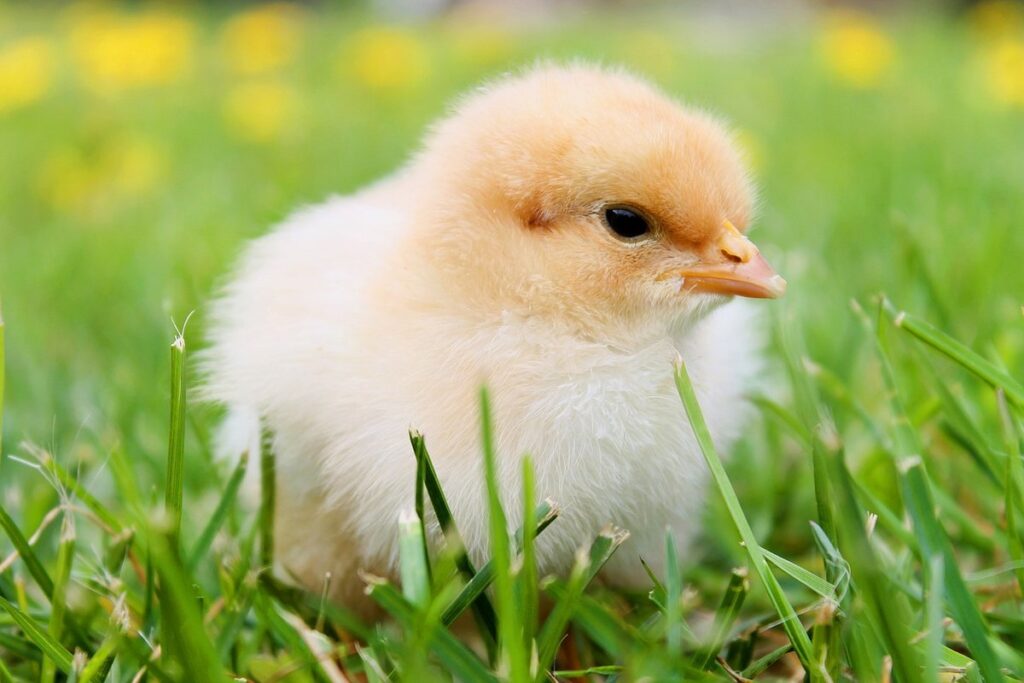
As you examine a chick’s physical characteristics, several key milestones can indicate its age. At hatch, chicks are covered in soft, downy feathers that provide warmth and insulation. Within the first few days, these down feathers start to fall out, making way for the growth of primary flight feathers. These early feathers, also known as pin feathers or blood feathers, are initially pale yellow but gradually darken to a mature brown color.
By around 7-10 days old, secondary feathers begin to emerge from their follicles. You can spot these by looking for small, fluffy tufts near the chick’s body. As they grow, these secondary feathers will eventually reach lengths of up to 12 inches or more, depending on the breed.
Another indicator of age is beak color and shape. Newborn chicks have a bright yellow beak that gradually darkens to orange, pink, or even red as it matures. Weighing your chick regularly can also provide valuable insights into its development. Between days 10-14, chicks typically double in weight, reaching around 100 grams.
Behavioral Changes with Age
As your flock grows and matures, you’ll start to notice significant changes in their behavior. One of the most noticeable transformations is the transition from chicks to pullets (young hens) or cockerels (young roosters). Around 16-20 weeks old, you may observe a decrease in activity levels as they begin to focus on feather development and muscle growth.
At this stage, social interactions become more complex. Pullets will start to establish dominance hierarchies within the flock, often led by a more assertive bird. Cockerels, on the other hand, will exhibit increased aggression towards each other as they compete for dominance. Be prepared to intervene if necessary to prevent fighting.
Vocalizations also change significantly during this period. Pullets will begin to make soft clucking noises, while cockerels will produce loud, strident crowing sounds. Pay attention to these changes in vocalization to identify the sex of your birds and determine their age. By recognizing these behavioral shifts, you can better understand your flock’s needs and adjust your care accordingly.
Determining Chicken Age through Visual Inspection
Determining a chicken’s age can be tricky, but using visual inspection is an effective method to get an estimate of how old your flock members are. This section will walk you through the process step by step.
Feather Patterns and Molt Cycles
As you inspect a chicken’s plumage, you may notice distinct patterns that can reveal its age. One way to determine a chicken’s age is by observing its molt cycles and the growth of new feathers. Pullet and cockerel chicks will exhibit different feather development characteristics.
At around 6-8 weeks of age, pullets and cockerels begin to develop their adult plumage. However, males tend to mature faster than females in this regard. Cockerels will often display a more rapid growth spurt, with longer feathers emerging on the neck, back, and tail regions. In contrast, pullet chicks may take another 2-4 weeks to achieve similar feather lengths.
Keep an eye out for specific plumage markers that can indicate age. For example, cockerels’ hackle feathers (those on the neck) often reach full length by around 12 weeks of age, while pullets’ may not be fully developed until closer to 16-18 weeks. These subtle differences in feather growth can provide valuable clues about a chicken’s age and sex, making visual inspection an effective tool for breeders and backyard farmers alike.
Leg and Comb Development
When inspecting a chicken’s age through visual means, it’s essential to examine two distinct characteristics: leg length and comb formation. These features undergo notable changes as chickens mature, providing valuable clues for estimations.
Legs become more robust with age, allowing chickens to support their increasing body weight. Younger chickens typically have slender legs, whereas those that are several months old exhibit longer, thicker limbs. To gauge this development, gently lift the chicken’s leg and compare it to others of similar breeds. Pay attention to muscle mass, bone density, and overall structure.
The comb, a vital indicator of age, undergoes significant changes as well. At hatching, combs are small and pointed; however, they gradually increase in size and turn from yellow to reddish-pink with age. As the chicken matures, its comb will grow more pronounced, filling out with age. Regularly inspecting the comb can help you determine whether a chicken is still growing or has reached full maturity.
Using Measurement Techniques to Determine Age
Measuring techniques are a crucial tool for determining the age of chickens, allowing you to accurately assess their growth and development. Let’s explore how to use these methods effectively.
Weight and Body Measurements
Measuring a chicken’s weight and body dimensions is another reliable way to estimate its age. This method involves taking precise measurements of specific body parts using calipers or a tape measure.
When measuring the body length, also known as the keel-to-vulture measurement, hold the calipers along the top of the breastbone (keel) and the bottom of the tailbone (vulture). Record this measurement in millimeters for accurate comparisons. Chickens typically grow about 0.5-1 mm per week during their first year, so regular measurements help track growth over time.
Another key measurement is the wing span, particularly useful for young chickens. To take a wing span measurement, hold the calipers or tape measure along the longest part of the wing, from the tip to the body. Record this in millimeters as well, and note that chickens grow about 0.25-0.5 mm per week during their first year.
These measurements can be plotted on growth charts specifically designed for chickens to estimate age with a high degree of accuracy.
Wing Length and Feather Development Measurements
To estimate a chicken’s age using measurement techniques, you’ll want to focus on wing length and feather development. Measuring wing length is a straightforward process: simply grasp the wing at its base and measure from the joint to the tip of the wing. Compare this measurement to a standard chart or consult with an experienced poultry keeper to determine age. Keep in mind that wing size can be influenced by overall health, so it’s essential to consider other factors when making your estimate.
When measuring feather development, pay attention to the number and length of feathers on the neck, back, and tail. Younger chickens will have shorter feathers and fewer quills on their bodies, while older birds will display more extensive plumage. Note that some breeds develop at a faster rate than others, so it’s crucial to consider breed-specific growth patterns when making your assessment.
A general rule of thumb is to expect the following feather development milestones: chicks (0-2 weeks): soft, fluffy feathers; pullets (8-20 weeks): short feathers on neck and back; young hens (20-30 weeks): longer feathers on neck and back, with quills developing on tail.
Considering Breed Characteristics
When evaluating a chicken’s age, it’s essential to consider its breed characteristics, as some breeds mature faster than others and exhibit distinct physical traits. Different breeds will require unique considerations when determining age.
Breed-Specific Developmental Rates
When considering the age of a chicken, it’s essential to take into account the breed-specific developmental rates. Different breeds have varying growth patterns and egg-laying abilities, which can significantly impact their overall development.
For instance, some breeds like Leghorns are known for their exceptional egg-laying capacity, producing around 300 eggs per year. In contrast, heavy breeds like Orpingtons may take longer to mature, often reaching full production at around 24-30 weeks of age. This disparity highlights the importance of understanding breed-specific characteristics when determining a chicken’s age.
To accurately assess your chicken’s developmental rate, research their specific breed and note any expected milestones. Consider factors such as growth rates, egg-laying capabilities, and feather development. By taking these breed-specific differences into account, you’ll be better equipped to make informed decisions about your flock’s health, nutrition, and overall well-being.
Keep in mind that individual birds may vary within a breed, so it’s also crucial to observe and monitor each chicken’s unique characteristics.
Genetic Factors Influencing Aging
When it comes to identifying the age of chickens, breed characteristics play a significant role. However, genetic factors also have a profound impact on aging in chickens. Research suggests that certain breeds are more prone to accelerated development due to their genetic makeup.
For instance, some chicken breeds develop faster than others due to selective breeding for growth rate and egg production. This can lead to early maturation, which may result in the bird being considered mature before its actual biological age. Conversely, other breeds may inherit traits that promote longevity, allowing them to live longer and healthier lives.
To better understand the genetic factors influencing aging in your flock, consider the following: look for breed-specific traits such as egg-laying capacity, growth rate, and disease resistance. These characteristics can be indicative of a bird’s genetic predisposition to accelerated development or extended lifespan. By recognizing these inherited traits, you’ll be better equipped to accurately determine the age of your chickens based on their individual characteristics rather than relying solely on breed averages.
Using Technology to Determine Age
When it comes to determining a chicken’s age, technology can be a game-changer. We’ll explore how tools and software can accurately estimate your flock’s ages.
Ultrasonic Measurements and Scanning
Ultrasonic measurements and scanning technologies have revolutionized the process of determining a chicken’s age. These non-invasive methods use high-frequency sound waves to estimate the bird’s age based on its skeletal development, feather growth, and body composition.
One of the most significant benefits of using ultrasonic technology is its accuracy. Studies have shown that ultrasonic measurements can predict a chicken’s age with an average error margin of only 10-15%. This level of precision makes it an ideal tool for commercial producers who need to determine the optimal slaughter weight or egg-laying potential of their flock.
Another advantage of ultrasonic scanning is its speed and efficiency. The process typically takes only a few seconds per bird, making it a time-saving alternative to traditional methods like physical examination or radiography. However, it’s essential to note that ultrasonic measurements require specialized equipment and trained personnel, which can be a limitation for small-scale producers or backyard farmers.
Radiographic Imaging
Radiographic imaging is a valuable tool for assessing skeletal maturity in chickens. By using X-rays to visualize the bones, you can gain insights into the bird’s developmental stage and overall health. This non-invasive technique allows you to examine specific features such as bone density, joint development, and the fusion of growth plates.
For example, you can use radiographic imaging to assess the ossification center of the tibiotarsus, a key indicator of age in chickens. The ossification process involves the gradual formation of solid bone tissue from cartilage. By analyzing the degree of ossification, you can estimate the bird’s age and identify potential developmental issues.
When using radiographic imaging for age assessment, it’s essential to follow proper protocols to ensure accurate results. This includes selecting an experienced technician, choosing the right equipment, and following a standardized procedure for image acquisition and analysis. By doing so, you’ll be able to rely on this valuable tool to make informed decisions about your flock’s health and development.
Best Practices for Recording and Maintaining Chicken Age Data
To ensure accuracy and efficiency, it’s essential to develop a system for recording and maintaining chicken age data from hatch day onwards. This includes tracking milestones such as molting cycles and weight gain.
Record-Keeping Strategies
Maintaining accurate records is crucial when tracking chicken ages. It’s essential to develop effective strategies for organizing data to ensure that you can easily retrieve and analyze information as needed. One of the most practical ways to achieve this is by using digital record-keeping tools, such as spreadsheets or apps specifically designed for farm management.
When choosing a tool, consider your needs and preferences. For instance, Google Sheets is an excellent option for those familiar with the interface, while apps like FarmWise offer more streamlined solutions tailored to specific agricultural tasks. Regardless of the tool you select, be sure to establish clear categories for recording data, including breed, hatch date, sex, and any notable health or growth milestones.
In addition to digital tools, a well-organized physical record book can also serve as a valuable backup system. Be consistent in your documentation, and make it a habit to update records daily or weekly to avoid missing crucial information. This way, you’ll be able to track the age of your chickens accurately and make informed decisions about their care and management.
Long-Term Health Monitoring
When it comes to maintaining the health and well-being of your flock, incorporating long-term health monitoring into your management plan is crucial. By tracking age-related metrics, you can make informed decisions about healthcare and welfare that are tailored to the specific needs of your birds.
Start by setting up a database or spreadsheet to record key health metrics for each bird, such as weight, wing length, and visible symptoms of illness or injury. This will allow you to track changes over time and identify potential issues before they become serious problems. For example, if you notice that birds are consistently gaining weight at a slower rate than usual during certain periods of the year, it could indicate a nutritional deficiency or other underlying issue.
Regular health checks should be performed on all birds, with records kept on everything from vaccination schedules to parasite control measures. This information can then be used to identify trends and areas for improvement in your flock’s overall health.
By tracking age-related metrics and staying vigilant about health checks, you’ll be better equipped to anticipate and respond to potential health issues as they arise. This proactive approach not only helps maintain the health and well-being of individual birds but also ensures the long-term sustainability of your flock.
In addition to monitoring weight and growth rates, consider tracking other age-related metrics such as:
• Mortality rates: Keep a record of deaths in your flock, including cause of death where possible. This can help identify patterns or trends that may indicate underlying issues with nutrition, disease, or environmental factors.
• Health anomalies: Document any unusual health issues or abnormalities observed during regular checks, including signs of stress or discomfort.
By doing so, you’ll be able to make data-driven decisions about your flock’s healthcare and welfare, ultimately leading to healthier, happier birds.
Frequently Asked Questions
What are some common mistakes to avoid when measuring chicken wings for age determination?
When measuring wing length, ensure you’re holding the chicken firmly but not too tightly, which can cause stress. Also, consider using a ruler or caliper with clear markings to avoid human error. Keep in mind that wing length can be influenced by breed and sex, so it’s essential to have a reference range for your specific flock.
Can I use radiographic imaging as a standalone method for determining chicken age?
While radiographic imaging can provide valuable information about skeletal development, it should not be relied upon solely for age determination. This method is best used in conjunction with other visual inspection techniques and record-keeping to ensure accurate and comprehensive results.
How often should I weigh my chickens for accurate age assessment using weight measurements?
For accurate age assessment through weight measurements, consider weighing your chickens weekly or biweekly during the early growth stages (0-16 weeks). This frequency will help you capture significant milestones in their development. Be sure to use a consistent scale and keep detailed records.
Are there any specific considerations when using ultrasonic measurements for determining chicken age?
When employing ultrasonic measurements, it’s essential to choose equipment specifically designed for avian aging, as human error can lead to inaccuracies. Also, be aware that sex and breed differences may affect measurement results, so it’s crucial to develop a reference range tailored to your flock.
What role does record-keeping play in accurately determining chicken age over time?
Maintaining accurate records of weight, wing length, and other measurements is essential for tracking changes over time. By regularly updating these records, you’ll be better equipped to identify developmental patterns specific to your chickens, ensuring more informed decisions about their care and well-being.