
Are you tired of worrying about your chickens’ safety while they roam around in their backyard enclosure? One effective solution is to install an overhead netting system in their chicken run. Not only does it provide protection from aerial predators like hawks and owls, but it also keeps those pesky raccoons out! By creating a secure and enclosed space for your flock, you can rest assured that they’ll be safe while enjoying the fresh air and exercise.
In this article, we’ll walk you through everything you need to know about setting up an overhead netting chicken run. We’ll cover the benefits of using netting, including increased security and reduced stress for your birds. Plus, we’ll provide a step-by-step guide on how to install and maintain the system. And, just in case something goes wrong, we’ll troubleshoot common issues you might encounter along the way.
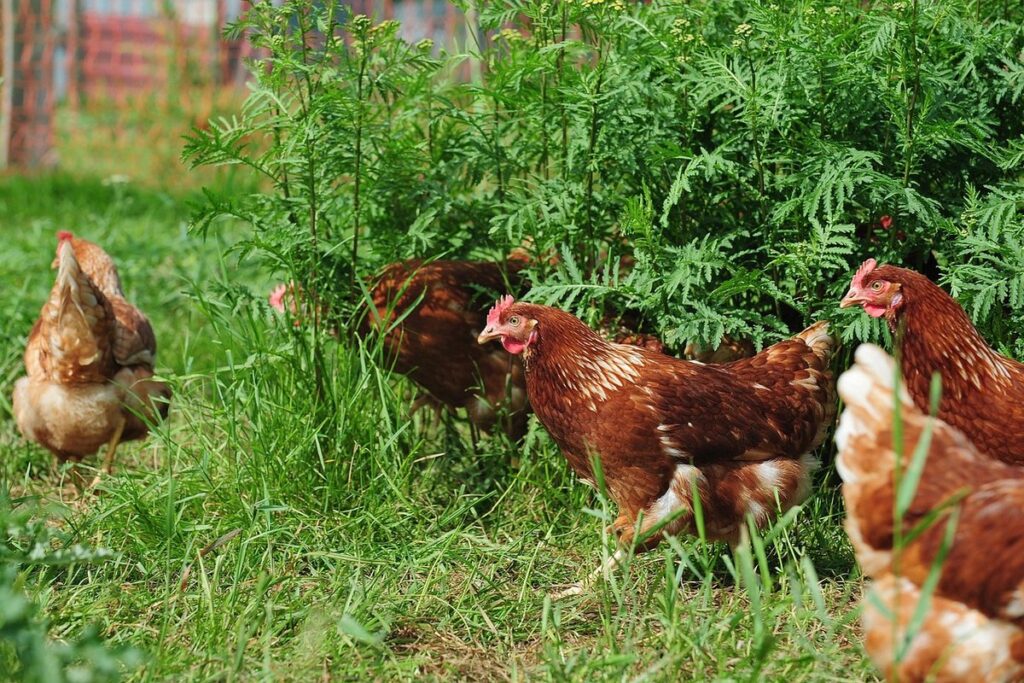
Benefits of an Overhead Netted Chicken Run
By installing an overhead netted chicken run, you’ll not only protect your flock from predators but also provide them with a safe and stress-free environment to roam freely. This section highlights the key benefits of this innovative design.
Reduces Predator Risk
When it comes to protecting your flock from predators, an overhead netted chicken run is a game-changer. One of the most significant benefits of this type of enclosure is that it prevents aerial predators like hawks and owls from swooping down and snatching your chickens. These birds of prey are attracted to the noise and commotion of a chicken run, making them a major threat to your flock’s safety.
But overhead netting isn’t just about keeping aerial predators out – it also protects against ground-dwelling predators like foxes and raccoons that can easily dig under or climb over lower fencing. By installing an overhead net with openings of 1 inch (2.5 cm) or smaller, you can ensure that even the sneakiest predators can’t get in.
In fact, a study by the University of California found that chicken flocks raised behind overhead netting experienced significantly reduced predation rates compared to those without protection. By investing in an overhead netted chicken run, you can rest assured that your flock is safe from harm – and enjoy peace of mind knowing they’re protected from predators 24/7.
Protects Birds from Flying Injuries
One of the most significant benefits of an overhead netted chicken run is its ability to protect birds from flying injuries. When birds are enclosed within a standard wire mesh pen, they often fly into each other, causing painful collisions and potentially leading to more serious health issues.
This is especially true when it comes to chickens with strong flying instincts or those who become aggressive as they mature. By installing an overhead net, you can prevent these types of incidents from occurring in the first place. The netting not only protects your birds from each other but also prevents them from flying into objects within the run, such as feeders, waterers, and even themselves.
In fact, a study by the Humane Society found that up to 50% of chicken injuries occur due to collisions or flying into objects within the coop. By investing in overhead netting, you can significantly reduce this risk and create a safer environment for your flock. To install an effective overhead net, make sure it’s at least 3 feet above the top wire mesh to prevent birds from squeezing through the gap between the two.
Choosing the Right Overhead Netting Material
When it comes to constructing your overhead netting chicken run, selecting the right material for the netting itself is a crucial decision that can impact your flock’s safety and well-being. This section will guide you through the process of making an informed choice.
Types of Materials Used for Overhead Netting
When it comes to choosing the right material for your overhead netting chicken run, there are several options available. Polyethylene (PE) is a popular choice due to its durability and resistance to mildew and mold. It’s also relatively inexpensive compared to other materials. However, PE can become brittle in extreme temperatures, which may affect its overall performance.
Polypropylene (PP), on the other hand, offers better UV resistance than PE and can withstand harsh weather conditions without degrading quickly. This makes it an excellent option for areas with intense sunlight or high winds. Nylon is another commonly used material for overhead netting, known for its strength and flexibility. It’s often used in combination with other materials to create a durable and long-lasting barrier.
When selecting a material, consider factors such as climate, weather conditions, and the size of your flock. For example, if you live in an area prone to strong winds or extreme temperatures, a material like polypropylene may be a better choice. It’s essential to weigh the pros and cons of each option and choose the one that best suits your needs.
Factors to Consider When Selecting a Material
When choosing an overhead netting material for your chicken run, there are several factors to consider beyond just its aesthetic appeal. Durability is a top priority, as it will be exposed to the elements 24/7. Look for materials that can withstand harsh weather conditions, such as heavy rain or intense sunlight, and won’t deteriorate quickly.
UV resistance is also crucial, as prolonged exposure to direct sunlight can cause materials to break down and become brittle. Consider using materials with built-in UV protection or those specifically designed for outdoor use.
Another essential factor to consider is weight capacity. Your overhead netting material should be able to support the weight of any potential intruders, such as raccoons or foxes, without sagging or collapsing. Check the manufacturer’s specifications and choose a material that can handle at least 50 pounds per square foot. By considering these factors, you’ll be able to select an overhead netting material that will keep your flock safe and secure for years to come.
Installing an Overhead Netted Chicken Run
Before you start installing your overhead netting chicken run, make sure you have all the necessary materials and a clear plan for securing it to your existing coop. This will ensure a safe and secure enclosure for your flock.
Measuring Your Space
To ensure that your overhead netted chicken run is effective in keeping your flock safe and happy, it’s essential to measure your existing space accurately. Start by taking precise measurements of the length, width, and height of your coop or run using a tape measure. Don’t forget to account for any obstructions, such as windows, doors, and nesting boxes.
Consider the size of your chickens and their movement patterns when planning the net’s coverage area. For example, if you have large breeds, you’ll need to allow more space for them to move around comfortably. A general rule of thumb is to provide at least 3-4 square feet of space per chicken inside the coop.
When measuring for the overhead net, also factor in any gaps or openings that might allow predators to enter your run. Make sure to note these areas so you can plan accordingly when installing the netting. Taking accurate measurements will help you choose the right size and type of overhead netting for your specific needs, ensuring a secure and safe environment for your chickens.
Setting Up the Frame and Netting
Setting up the frame and attaching the overhead netting is a crucial step in creating a safe and secure chicken run. Begin by assembling the frame according to the manufacturer’s instructions. Ensure that it is sturdy enough to support the weight of the netting and any potential weather conditions.
When attaching the netting, start at one end and work your way across, ensuring that it is tight and evenly spaced. Use wire ties or clips to secure the netting to the frame, making sure they are tightened firmly but not too tightly. This will prevent damage to the netting and ensure it remains in place.
To secure the netting to the ground, drive stakes into the soil around the perimeter of the run, spacing them about 6-8 inches apart. Tie the netting to the stakes using wire or twine, making sure they are tight enough to prevent any sagging. This will keep predators out and your chickens safe from flying debris. It’s also essential to consider wind direction and ensure the netting is securely attached in that area.
Overhead Netting Chicken Run Maintenance and Repair
Regular checks and maintenance of your overhead netting chicken run are crucial to ensure its durability and effectiveness in protecting your flock. This section covers essential tips for upkeep and repair tasks.
Regular Cleaning and Inspection
Regular cleaning and inspection of the overhead netting are crucial to ensure its effectiveness in keeping your flock safe and happy. Over time, debris such as twigs, leaves, and feathers can accumulate on the netting, compromising its integrity and potentially creating weak points that predators can exploit. To maintain optimal performance, set aside time each week to inspect the netting for any signs of damage or wear.
Begin by gently brushing off loose debris with a soft-bristled brush or a vacuum cleaner with a gentle suction setting. For more stubborn dirt or stains, mix a solution of mild soap and water, dip a soft cloth in it, and wipe down the affected area. Regular cleaning not only maintains the netting’s integrity but also prevents pest infestations that can spread disease among your birds.
During inspections, check for any signs of damage, such as torn or frayed sections, loose stitching, or sagging areas that may compromise the netting’s ability to support the weight of predators. Make a note of any issues you identify and address them promptly to avoid any potential risks to your flock’s safety. By incorporating regular cleaning and inspection into your maintenance routine, you’ll enjoy peace of mind knowing your birds are protected and thriving within their overhead netted enclosure.
Repairing Damages and Replacing Worn-Out Sections
Identifying damaged sections of your overhead netting can be a challenging task, especially if you’re not aware of what to look for. Start by inspecting the netting regularly, checking for signs of wear and tear such as fraying, sagging, or loose connections. You may also notice holes or gaps in the netting where predators could potentially squeeze through.
To repair damaged sections, you’ll need a few basic tools like wire cutters, pliers, and some replacement mesh panels. Begin by carefully removing the damaged area and replacing it with a new panel, making sure to secure it tightly with the existing clips or fasteners. If the damage is extensive, consider reinforcing the entire section with additional netting or wire support.
Replacing worn-out areas may also be necessary if you’ve had your overhead netting for an extended period. Inspect each section carefully and make repairs as needed to ensure the integrity of the structure remains intact. Regular maintenance will help prevent costly repairs down the line, keeping your flock safe and secure within their enclosure.
DIY vs. Professional Installation: What’s Best for You?
When deciding on an overhead netting chicken run, you’ll need to weigh the pros and cons of a DIY installation versus hiring a professional to do the job for you. This crucial decision affects your flock’s safety.
Pros and Cons of DIY Installation
When it comes to installing an overhead netted chicken run, you have two main options: DIY installation or hiring a professional. While both methods have their advantages and disadvantages, understanding the pros and cons can help you make an informed decision that suits your needs.
On one hand, installing an overhead netted chicken run yourself can be cost-effective. You won’t have to pay for labor costs, which can save you around $500-$1000, depending on the size of the run. Additionally, DIY installation allows you to learn about the process and gain hands-on experience with the material. However, it’s essential to consider your level of expertise and the time required to complete the task correctly.
On the other hand, hiring a professional can provide peace of mind, as they will ensure that the installation is done efficiently and safely. Professionals also bring their knowledge and experience to the project, which can be particularly valuable if you’re new to chicken keeping or unsure about local building codes. Furthermore, professionals often come equipped with the necessary tools and equipment, which can save you time and hassle in the long run.
Ultimately, whether you choose to install an overhead netted chicken run yourself or hire a professional, make sure to carefully weigh your options based on your specific needs and circumstances.
Factors to Consider When Deciding Between Options
When deciding between DIY or professional installation for an overhead netting chicken run, several factors come into play. First and foremost is budget. While a DIY kit can be more affordable upfront, it may require additional costs for materials and labor if you’re not handy with tools. On the other hand, hiring a professional installer may save you money in the long run by ensuring a secure and sturdy setup.
Another key consideration is your available time. If you have limited free hours or prefer to focus on chicken care rather than construction, DIY might be the better choice. However, if you’re comfortable with power tools and building projects, a DIY installation could be completed quickly and efficiently.
Finally, think about your level of expertise when it comes to building and netting systems. If you’ve had experience with similar projects or have access to online tutorials and guidance, DIY may be feasible. But if you’re unsure about safety protocols or structural integrity, it’s best to leave the installation to a professional.
Troubleshooting Common Issues with Overhead Netting
You’ll encounter some hiccups along the way, so let’s troubleshoot common issues with overhead netting together and get your flock back on track. We’ll tackle sagging nets, animal escape attempts, and more!
Identifying Potential Problems
As you set up your overhead netting chicken run, it’s essential to identify potential problems that may arise. Sagging and tangling are common issues that can compromise the integrity of your netting system. Regularly inspect the netting for sagging areas, especially after heavy rainfall or strong winds. Make sure the netting is properly secured to the frame and adjust the tension as needed.
Another issue to watch out for is damage from weather. Harsh sunlight, rain, and snow can cause the netting material to degrade over time. Consider using a UV-resistant netting material or applying a protective coating to extend its lifespan. Also, be mindful of loose debris that may accumulate on the netting and create weak points.
To prevent these problems, establish a regular maintenance routine. Inspect your netting system at least once a week during peak weather conditions. Keep an eye out for signs of wear and tear, such as holes, tears, or frayed edges. Address any issues promptly to avoid costly repairs or even worse – a predator breach that puts your flock in danger.
Solutions to Common Problems
When installing an overhead netted chicken run, you may encounter some common issues that can compromise its effectiveness. Don’t worry; we’ve got solutions to these problems right here.
One of the most significant concerns with overhead netting is sagging or drooping. This can be due to heavy snowfall, strong winds, or inadequate support. To prevent this issue, ensure your netting system has reinforced poles and sturdy anchors that can withstand harsh weather conditions. You can also consider investing in wind-resistant netting materials specifically designed for outdoor use.
Another common problem is netting damage caused by predators like raccoons, foxes, or stray dogs. To mitigate this risk, install a secondary barrier around the perimeter of your coop using hardware cloth or chicken wire. This will provide an extra layer of protection against unwanted visitors.
If you live in areas prone to extreme weather conditions, consider investing in a netting system with built-in tensioning systems or adjustable poles. This will enable you to tighten or loosen the netting as needed to maintain its shape and prevent sagging.
In addition to these solutions, regular maintenance is essential for ensuring your overhead netted chicken run remains effective. Check the netting regularly for signs of damage, clean it regularly to prevent pest infestations, and inspect the support structures periodically to ensure they’re still secure.
Frequently Asked Questions
Can I use overhead netting for a large backyard with multiple chicken coops?
If you have a sprawling backyard with multiple coops, yes, you can install an overhead netted system to connect them securely. Consider measuring the entire area and choosing durable materials that can withstand wind and weather conditions. This will ensure your flock’s safety while they roam freely between coops.
What if I encounter damaged or torn sections of the netting after installation?
It’s not uncommon for netting to get damaged over time due to harsh weather, pests, or accidental damage. Yes, you should regularly inspect the system and repair any damaged areas promptly. For DIY installations, consider carrying spare materials on hand to avoid costly delays. Replacing worn-out sections will help maintain the integrity of your overhead netted chicken run.
How do I prevent sagging or drooping of the netting due to heavy snowfall?
While an overhead netted system provides excellent protection against aerial predators, it’s essential to consider factors like wind resistance and weight capacity. To prevent sagging or drooping during heavy snowfall, ensure you choose materials with sufficient strength and stiffness. You can also consult with a professional for expert advice on installing additional support structures as needed.
Can I use overhead netting in areas prone to strong winds?
In regions with high winds or extreme weather conditions, it’s crucial to select materials that can withstand these forces. Yes, you should consider using heavy-duty netting materials designed specifically for windy areas. Additionally, take extra precautions when installing the system, ensuring all attachments and connections are secure and tightly fastened.
How do I ensure my chickens don’t fly into the netting or get trapped?
While an overhead netted system provides excellent protection against predators, it’s essential to consider your flock’s behavior and safety. Yes, you should take steps to train your chickens not to fly into the netting by providing alternative perches and exercising them regularly in a safe area. Regular inspections will also help identify any potential issues before they become serious problems.