
If you’re an avid backyard chicken keeper, chances are you’ve encountered one of the most frustrating problems in raising a healthy flock: lice infestations. These pesky parasites can cause stress, discomfort, and even health issues for your beloved birds. But don’t worry, with the right knowledge and strategies, you can prevent and treat lice infestations effectively. In this comprehensive guide, we’ll delve into the causes of lice in chicken flocks, explore prevention methods that work, and discuss treatment options to get rid of these unwanted critters for good. We’ll also share long-term strategies to keep your flock lice-free, so you can focus on what matters most – raising happy, healthy birds. By following our expert advice, you’ll be well-equipped to tackle this common problem and enjoy a stress-free chicken-keeping experience.
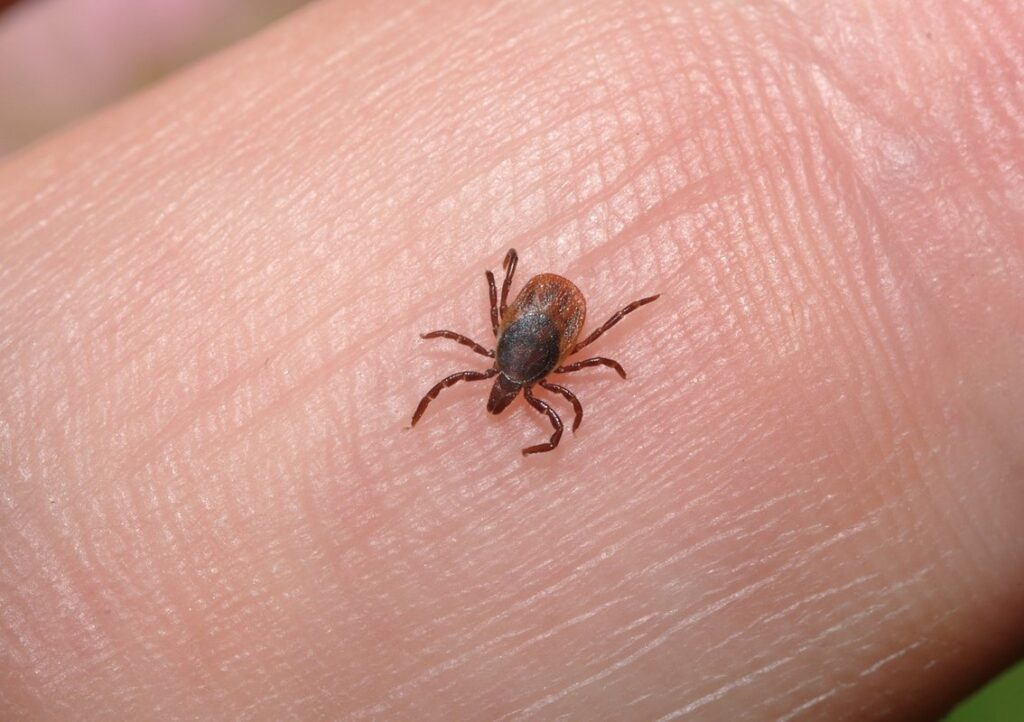
Understanding Lice Infestations in Chickens
To effectively manage lice infestations, it’s essential to first understand the causes and signs of an infestation in your chicken flock. Recognizing these early warning signs will help you take swift action to prevent the spread of lice.
Causes and Consequences of Lice Infestations
Lice infestations can occur due to various factors such as poor ventilation, overcrowding, and inadequate sanitation. For instance, if a chicken coop is not well-ventilated, it creates an ideal environment for lice to thrive. Similarly, when chickens are kept in close proximity to each other, the likelihood of lice transmission increases.
Chickens with lice infestations may exhibit symptoms such as excessive scratching, feather loss, and skin irritation. If left uncontrolled, lice can cause stress, discomfort, and even secondary infections in chickens. In severe cases, it can lead to anemia due to excessive blood loss from the bites of female lice.
Controlling lice infestations is crucial not only for the health of the chickens but also for maintaining a clean and hygienic environment. Regular cleaning and disinfection of the coop, as well as monitoring the flock regularly, can help prevent re-infestation. It’s also essential to identify and treat individual birds promptly to avoid further stress on the rest of the flock.
Identifying Common Types of Lice Found in Chicken Flocks
There are several types of lice that affect chicken flocks, each with distinct physical characteristics and habits. The three most common species found on chickens are the Chicken body louse (Menacanthus stramineus), the Northern fowl mite (Ornithonyssus sylviarum) – although it’s not technically a true lice but a type of ectoparasite, and the Deplancheliella spp. which is also known as a type of chicken louse.
The Chicken body louse is the most common type found on chickens and is characterized by its small size, typically measuring around 1-2 millimeters in length. They have six legs and a flattened, oval-shaped body that allows them to easily move across the feathers. These lice feed on the skin and feathers of their host birds, causing discomfort and stress.
It’s essential for chicken owners to be aware of these types of lice and take preventative measures to control infestations. Regular inspections, cleanliness, and proper management practices can help prevent lice from taking hold in your flock. Keep an eye out for signs of infestation such as excessive preening, feather loss, or egg-laying issues in your birds.
Prevention is Key: Best Practices for Lice Control
Effective lice control starts with prevention, which means being proactive and taking steps to prevent infestations before they happen. We’ll explore these essential best practices next.
Creating a Healthy Environment for Your Chickens
Maintaining a clean and healthy coop environment is crucial in preventing lice infestations. Start by removing soiled bedding material and replacing it with fresh, dry litter. This simple step can make a significant difference in reducing the likelihood of lice infestations. Ensure that the coop is well-ventilated to prevent moisture buildup, which can create an ideal breeding ground for lice.
Regularly inspect your coop for signs of debris, mold, or mildew. Remove any visible parasites, such as mites or ticks, and disinfect areas where they were found. Keep in mind that a dirty environment is more likely to attract pests, including lice. Maintain a strict cleaning schedule to keep the coop spotless.
Some essential tips for maintaining a healthy coop include:
• Changing bedding material completely every 2-3 months
• Disinfecting feeding and watering equipment regularly
• Removing any debris or clutter that can accumulate dust and moisture
• Ensuring adequate light and ventilation
By following these simple guidelines, you’ll significantly reduce the risk of lice infestations in your chicken flock. A clean coop is not only essential for lice control but also promotes overall health and well-being for your birds.
Nutrition and Its Role in Preventing Lice Infestations
Providing a balanced diet and keeping chickens hydrated is crucial in preventing lice infestations. A well-nourished chicken flock is less susceptible to lice, as their immune system functions optimally when they receive the necessary nutrients. Focus on offering a diverse range of feed that includes essential vitamins and minerals such as vitamin B complex, which plays a significant role in maintaining healthy skin and feathers.
Maintain access to clean, fresh water at all times. Dehydration can weaken a chicken’s immune system, making it more vulnerable to lice infestations. Ensure your chickens’ feeding troughs are cleaned regularly to prevent bacterial growth, which can exacerbate existing health issues, including lice.
By prioritizing your chickens’ dietary needs and ensuring they remain hydrated, you create an environment that discourages the development of lice populations. It’s also essential to monitor your flock’s overall health and address any potential nutritional deficiencies promptly to maintain a healthy, lice-free chicken population.
Treatment Options: Using Chemicals, Natural Remedies, and Comb-Out Methods
When it comes to treating lice infestations in your chicken flock, you have several options at your disposal, including chemical treatments, natural remedies, and comb-out methods. Let’s take a closer look at each of these approaches.
Chemical Treatments for Lice Control
Chemical treatments for lice control are widely used in poultry farming due to their effectiveness and relatively low cost. However, it’s essential to weigh the benefits against potential risks and consider alternative methods. Malathion and permethrin are two of the most common chemical treatments used to control lice infestations.
Malathion is often considered more effective than permethrin but carries a higher risk of residue contamination in eggs and meat. Permethrin, on the other hand, has a lower risk of residue contamination but may require multiple applications for optimal results. Both chemicals work by disrupting the nervous system of lice, ultimately causing their death.
When using chemical treatments, it’s crucial to follow label instructions carefully, including application rates and retreatment intervals. A minimum of two weeks should pass between treatment and harvesting eggs or meat to ensure any potential residue has dissipated. Regular monitoring is also vital to prevent re-infestation and minimize the need for repeated applications. By understanding the risks and taking necessary precautions, chemical treatments can be an effective tool in lice control management.
Natural Remedies for Lice Infestations
When it comes to controlling lice infestations in chicken flocks, many farmers and backyard chicken keepers are turning to natural remedies as a safer and more environmentally friendly alternative. Essential oils such as peppermint, lemongrass, and tea tree oil have been shown to be effective against lice due to their insecticidal properties.
Herbs like neem and lavender can also help repel lice and soothe irritated skin on the birds. Homeopathic treatments like silica-based powders can be used to dehydrate and kill lice, while diatomaceous earth can be applied directly to the affected areas to absorb moisture and cause lice to die.
To use essential oils effectively, mix a few drops with water and spray it directly onto the birds’ feathers or in their coop. Repeat this process regularly for several days to ensure complete eradication of the infestation. Be sure to choose high-quality oils that are specifically labeled as safe for use on animals.
When using herbs or homeopathic treatments, follow the manufacturer’s instructions carefully to avoid any adverse reactions. Regular cleaning and disinfection of the coop and living areas can also help prevent lice re-infestation.
Comb-Out Methods: Removing Lice Manually
Manually removing lice from chickens is a time-consuming but effective method for controlling infestations. To do this, you’ll need a specialized louse comb with fine teeth that are close together, typically 1/4 inch apart. This type of comb allows you to remove not just the adult lice, but also their eggs, which are attached to the chicken’s feathers.
Begin by brushing your chickens gently but thoroughly with the louse comb, working from head to tail. Be sure to inspect each section carefully for any remaining lice or nits. It may be helpful to use a magnifying glass or good lighting to make this process easier. Nit-picking is another method that involves manually removing individual nits from the feathers using your fingers or a specialized tool.
When nit-picking, it’s essential to be gentle to avoid causing damage to the chicken’s skin or breaking off feathers. This process can be slow and labor-intensive, but it’s an effective way to ensure that you’re removing all lice and eggs.
Managing Lice Infestations in Commercial Chicken Operations
When dealing with lice infestations in commercial chicken operations, it’s essential to understand the impact on flock health and productivity, as well as implement effective control measures.
Large-Scale Solutions for Commercial Farms
Controlling lice infestations on a commercial scale presents unique challenges. Large commercial farms with thousands of birds require efficient and effective strategies to prevent lice outbreaks. One key consideration is the use of integrated pest management (IPM) systems, which combine physical barriers, monitoring, and targeted treatments to minimize chemical usage.
Another crucial aspect is the implementation of biosecurity measures. This includes regular cleaning and disinfection of facilities, strict visitor protocols, and proper ventilation to prevent lice re-infestation. Regular monitoring of bird health and behavior can also help identify potential issues early on.
In terms of treatment, commercial farms often rely on permethrin-based products or ivermectin for large-scale use. However, it’s essential to rotate treatments and implement a quarantine program to break the disease cycle. By combining IPM systems with targeted treatments and biosecurity measures, commercial farmers can effectively manage lice infestations and maintain flock health.
Considerations such as labor costs, equipment needs, and treatment efficacy must also be factored into large-scale solutions. Regular training for farm staff on lice identification and management is crucial to ensure effective implementation of these strategies.
Integrating Lice Control into Your Farm’s Biosecurity Plan
Integrating lice control into your farm’s biosecurity plan is crucial to prevent infestations and maintain a healthy flock. When reviewing your existing biosecurity protocols, consider the following key areas to incorporate effective lice control measures: personnel hygiene, equipment sanitation, and rodent control.
Firstly, ensure that all employees involved in chicken handling wear clean clothing and footwear, and wash their hands thoroughly before and after handling birds. Implement a regular cleaning schedule for all equipment used in poultry facilities, paying particular attention to areas around nesting boxes and roosts where lice tend to congregate.
Regularly inspect your farm’s premises for signs of rodent activity, as these pests can facilitate the spread of lice. Seal any holes or gaps in walls and floors, and store food and supplies in secure containers to prevent attracting rodents. By incorporating these simple yet effective measures into your biosecurity plan, you’ll significantly reduce the risk of a lice infestation affecting your flock’s health and productivity.
Long-Term Strategies for Preventing Future Infestations
To truly safeguard your flock, it’s essential to develop long-term strategies that not only eliminate existing lice but also prevent future infestations from occurring. Effective planning will keep your birds healthy and thriving.
Ongoing Monitoring and Maintenance
Regular monitoring and maintenance are crucial to preventing re-infestation of lice in chicken flocks. It’s essential to develop a routine that involves checking the birds regularly for signs of lice infestations, such as excessive scratching or irritation around the neck, vent area, and under wings.
In addition to visual inspections, you can use a fine-toothed comb or a specialized louse-killing powder to manually remove lice from the birds. It’s also vital to maintain cleanliness in the coop by regularly cleaning droppings, dusting surfaces with diatomaceous earth, and ensuring proper ventilation.
To prevent re-infestation, it’s crucial to implement a regular parasite control program that includes treating the flock at least twice a year. However, treatment should be tailored to the specific needs of your flock based on factors such as age, breed, and environmental conditions.
Implementing Integrated Pest Management (IPM) Strategies
Implementing Integrated Pest Management (IPM) Strategies is crucial for managing lice infestations in chicken flocks. By adopting an IPM approach, you can minimize the use of chemical pesticides and reduce the risk of developing pesticide-resistant lice populations.
The first step in implementing IPM involves conducting a thorough assessment of your flock’s environment and management practices to identify potential entry points for lice. This includes inspecting the coop, run, and surrounding areas for signs of lice infestation, as well as reviewing feeding, watering, and cleaning protocols. By understanding where lice are likely to be present, you can develop targeted strategies to prevent their spread.
Regular monitoring is also essential in an IPM approach. This involves regularly inspecting your flock for signs of lice infestation and using a variety of methods such as visual inspections, sampling, or using lice-detecting equipment. With this information, you can adjust your management practices accordingly, implementing interventions such as increased cleaning, improved ventilation, or targeted treatments when necessary.
Key to an IPM approach is the use of multiple control measures in conjunction with one another. This may include mechanical removal of dead birds and debris, improving coop hygiene, reducing stress through environmental enrichment, and using natural or low-toxicity products to manage lice populations. By combining these approaches, you can create a comprehensive management plan that minimizes the risk of lice infestation while promoting the health and well-being of your flock.
Conclusion: Effective Lice Control for a Healthy Flock
In conclusion, controlling lice in your chicken flock requires a multi-faceted approach that incorporates regular monitoring, strategic management, and proactive measures. By following the tips outlined in this guide, you can significantly reduce the risk of lice infestations and promote a healthy environment for your birds to thrive. Remember to inspect your flock regularly, identify early signs of lice, and take prompt action to prevent re-infestation. Additionally, maintain good hygiene practices, such as cleaning coop areas and equipment thoroughly, and consider integrating natural deterrents like diatomaceous earth or essential oils into your management routine.
By implementing these strategies consistently and making them a part of your regular flock maintenance routine, you’ll be well on your way to achieving effective lice control and enjoying a stress-free and healthy flock.
Frequently Asked Questions
What should I do if I’ve already noticed lice infestation symptoms in my chicken flock?
Monitor your flock closely for signs of stress or discomfort, such as excessive preening, scratching, or changes in appetite. Remove any affected birds from the main coop to prevent further spread and consider treating them immediately.
How often should I check my chicken coop for lice infestations?
Regular checks are crucial to prevent the spread of lice. Check your flock at least once a week during peak breeding seasons (spring and fall) and after introducing new birds to the coop. This ensures early detection and allows you to take swift action.
Can natural remedies completely replace chemical treatments for lice control in my chicken flock?
Natural remedies can be effective, but it’s not always possible to achieve complete elimination of lice without some form of treatment. A combination of natural methods (such as diatomaceous earth or essential oils) and regular monitoring can help manage infestations effectively.
What steps should I take after a lice infestation has been treated?
After treating an infestation, focus on maintaining a healthy environment for your flock through proper ventilation, sanitation, and nutrition. Monitor their behavior and overall health closely to prevent future occurrences.
Can I use lice control methods designed for small farms on my backyard chicken operation?
While some large-scale solutions can be adapted for smaller operations, it’s essential to tailor treatments and strategies to the specific needs of your flock and coop size. Consult with a veterinarian or poultry expert for guidance on implementing effective lice control measures in your unique setting.