
If you’re an avid backyard chicken enthusiast, you know how crucial it is to keep your flock healthy and happy. One often overlooked aspect of their well-being is their feeding setup. A durable, easy-to-clean PVC chicken feeder can make all the difference in maintaining a pest-free and stress-reduced environment for your birds. Not only does it protect them from pesky critters like mice and rats, but it also makes cleanup a breeze for you. In this article, we’ll show you how to build and install a PVC chicken feeder that’s tailored to meet the specific needs of your flock. We’ll walk you through the materials required, the simple building process, and provide tips on installation and maintenance, ensuring you have a reliable feeding solution that promotes the health and happiness of your beloved chickens.
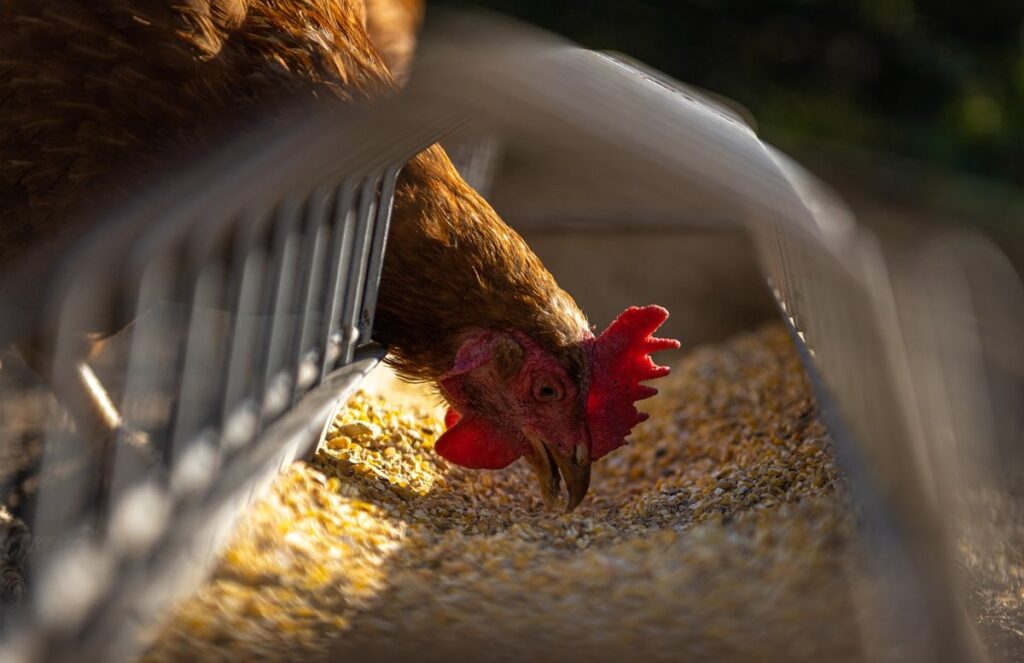
What is a PVC Chicken Feeder?
A PVC chicken feeder is a DIY-friendly, cost-effective feeding solution for your backyard flock that’s easy to make and customize. Let’s dive into what makes it special!
Definition and Purpose of PVC Feeders
A PVC chicken feeder is a versatile and efficient feeding solution designed specifically for backyard chickens. It’s made from PVC (polyvinyl chloride) materials, which are durable, easy to clean, and resistant to corrosion. Unlike traditional feeders that can be prone to mold, mildew, and contamination, PVC feeders provide a hygienic way to feed your flock.
The primary purpose of a PVC chicken feeder is to offer an uninterrupted supply of food while minimizing waste and mess. Its design allows for easy filling, scooping, and cleaning, making it a convenient option for busy poultry keepers. A well-designed PVC feeder will also help to prevent overcrowding at the feeding area, reducing competition among birds and stress on your flock.
When choosing a PVC chicken feeder, consider its capacity, material quality, and durability. Look for feeders with adjustable settings to accommodate different types of feed or supplements. Some models may also come equipped with additional features like weatherproof lids or built-in water containers.
Benefits of Using a PVC Feeder
Using a PVC feeder comes with numerous benefits that can improve the overall health and happiness of your flock. One of the most significant advantages is its durability. Made from high-quality PVC materials, these feeders are built to withstand harsh weather conditions, heavy use, and frequent cleaning.
Cleaning your chicken feeder should be an effortless task, and a PVC feeder makes it just that. Its smooth surface allows for easy wiping down with soap and water, eliminating the risk of bacterial growth and keeping your flock safe from diseases caused by contaminated food.
PVC feeders also offer resistance to pests, such as rodents, raccoons, and chickens themselves trying to peck at the feeding area. The material is impervious to pest damage, ensuring that your flock’s food remains untouched and untainted.
In addition to these benefits, PVC feeders are often easy to assemble and install, reducing setup time and effort. This convenience factor allows you to focus on other aspects of chicken keeping, like providing a nutritious diet and a safe living environment for your birds.
Materials Needed for Building a PVC Chicken Feeder
To build your very own PVC chicken feeder, you’ll need some essential materials that we’ll cover in detail below. Let’s get started on gathering what you’ll need!
Types of PVC Pipes and Fittings
When building a PVC chicken feeder, it’s essential to understand the different types of PVC pipes and fittings available. These components come in various shapes, sizes, and materials, making them suitable for diverse applications. Here are some common types you can use:
Sch 40 and Sch 80 PVC pipes: These schedules refer to the thickness of the pipe wall, with Sch 80 being thicker and more durable than Sch 40. They’re ideal for high-pressure applications like chicken feeders that need to withstand water flow.
PVC elbow fittings: These allow for smooth connections between pipes, reducing friction and ensuring water flows easily. You can use them to create a seamless feeding system or adapt to changing feeder designs.
T-junctions and Y-connectors: These fittings enable you to split the water supply into multiple branches or create a network of pipes for optimal watering distribution.
PVC couplings and adapters: Use these to join pipes together, extend your piping system, or change pipe diameters as needed. This versatility allows you to design an efficient feeding system tailored to your flock’s specific needs.
Additional Materials Required
In addition to the PVC pipe itself, you’ll also need some essential materials to build and complete your chicken feeder. These items will help ensure a sturdy and functional feeder that keeps your flock’s food clean and protected.
To start with, you’ll need end caps to cover the ends of the pipes and prevent any debris or moisture from entering the feeder. These end caps are usually made of PVC material and come in various sizes, so make sure to choose ones that fit your pipe diameter. You can also use a special type of end cap called “end caps with holes” which allows for easy cleaning and maintenance.
Another important item is PVC elbows, which will help you create the desired bends and turns in your feeder’s design. These elbows come in different sizes and angles, so choose the ones that fit your specific needs. You’ll also need PVC glue to secure all the joints and connections together, making sure they are watertight.
Remember to choose a high-quality adhesive specifically designed for PVC pipes, as it will ensure a strong bond between the parts. With these additional materials, you’ll be able to build a sturdy and functional PVC chicken feeder that will keep your flock happy and healthy for years to come.
Step-by-Step Instructions for Building a PVC Chicken Feeder
To build your very own PVC chicken feeder, follow these easy-to-execute steps, carefully outlined below to ensure a stress-free building process. You’ll be feeding your flock in no time!
Design Considerations
When designing your PVC chicken feeder, it’s essential to consider the needs of your flock. A well-designed feeder should meet their requirements for size, capacity, and accessibility.
A feeder that is too small will lead to overcrowding, causing stress and competition among your birds. On the other hand, a feeder that is too large may encourage waste and overeating. Aim for a feeder with multiple compartments or sections to ensure each bird has enough space to eat comfortably without feeling cramped.
Consider the capacity of the feeder based on the number of birds you have and their individual needs. A good rule of thumb is to provide 1-2 square feet of feeding area per bird. This will also help prevent overcrowding and mess.
Accessibility is another crucial aspect to consider. Your chickens should be able to easily access the feeder without straining or stressing themselves. Position the feeder at a comfortable height, ideally around 12-18 inches off the ground, to make it easy for them to eat and reduce strain on their necks and backs.
Cutting and Assembling the PVC Components
When it’s time to cut and assemble the PVC components for your chicken feeder, make sure you have all the necessary tools and materials ready. You’ll need a miter saw or a PVC pipe cutter to accurately cut the pipes and fittings to the required lengths.
To start, lay out all the pieces according to your plans and ensure that you have enough pipe glue and primer on hand. Use a pencil to mark the cutting lines on each piece of pipe, taking into account any necessary bevels for easy assembly. Apply primer to both ends of each pipe before gluing them together.
When assembling the PVC components, use a level to ensure everything is square, especially when attaching the roof and the feed trough. Make sure all connections are secure, but avoid over-tightening, which can damage the pipes or fittings. If you’re new to working with PVC, consider practicing on some scrap materials before starting your project.
As you assemble the feeder, double-check that all openings for food and water are accessible to your chickens.
Installation and Maintenance Tips
To ensure your PVC chicken feeder remains effective and durable, proper installation and maintenance are crucial steps to keep your flock healthy and happy. Let’s dive into some essential tips to get you started.
Mounting the Feeder in Your Coop
Mounting the feeder at a comfortable height for your chickens is crucial to prevent them from straining their necks and backs while eating. A good rule of thumb is to install the feeder so that it’s between 2-3 feet off the ground, allowing them to easily access food without having to stretch or jump.
When choosing a mounting location, consider placing the feeder near the roosting bar or nesting boxes, making it easy for your flock to grab a bite before settling in for the night. This also reduces the likelihood of scattered feed, as they’ll be less likely to get up and move around while eating.
Make sure the feeder is securely fastened to the coop’s structure using screws or brackets, ensuring it won’t tip over easily. You can also use a level to ensure the feeder is perfectly horizontal, preventing any spills or uneven feeding.
Cleaning and Disinfecting the Feeder
Regular cleaning and disinfecting of your PVC chicken feeder is crucial to prevent disease transmission among your flock. When the feeder isn’t cleaned regularly, bacteria, mold, and yeast can accumulate, contaminating the feed and putting your birds at risk. To maintain a healthy environment for your chickens:
* Clean out any leftover feed from the previous day before refilling.
* Use a mixture of 1 part white vinegar to 9 parts water to wipe down the feeder. This solution effectively kills bacteria, viruses, and fungi without damaging the PVC material.
* Allow the feeder to air dry completely after cleaning to prevent bacterial growth.
Disinfecting your PVC chicken feeder once every two weeks is also recommended. Mix a solution of 1 tablespoon unscented bleach per gallon of water, apply it to the feeder with a soft-bristled brush, and let it sit for 10-15 minutes before rinsing thoroughly with clean water. Always rinse the feeder completely after disinfecting to prevent residue buildup.
Remember to replace your PVC chicken feeder every two years or when it shows signs of wear and tear.
Common Issues and Troubleshooting
As you continue using your PVC chicken feeder, you may encounter some issues that need to be addressed. This is where troubleshooting comes in, to ensure a smooth feeding process for your flock.
Clogging and Blockages
Clogging and blockages are common issues that can occur with PVC chicken feeders, especially if not maintained properly. Food particles and debris can accumulate inside the feeder, preventing birds from accessing their food. To prevent clogging, it’s essential to clean the feeder regularly, ideally after every feeding session.
Here are a few tips to help you clean your PVC chicken feeder effectively:
* Use a soft-bristled brush or a small vacuum cleaner to remove any loose debris from the feeder.
* Mix equal parts of water and white vinegar in the feeder and let it sit for 10-15 minutes. Then, rinse thoroughly with fresh water.
* For stubborn blockages, try soaking the feeder overnight in warm soapy water.
Regular maintenance will help prevent clogging issues, but if you do encounter a blockage, don’t worry – it’s usually easy to fix. Simply remove any large debris by hand and then follow the cleaning tips above.
Repairing Damaged Feeders
If you’re experiencing issues with your PVC chicken feeder, such as cracks, holes, or worn-out parts, it’s essential to repair them promptly to prevent your flock from getting injured or developing health problems. Here are some steps and tips to help you repair damaged feeders:
Start by inspecting the damage thoroughly to determine the extent of the problem. For small cracks or holes, you can use a PVC adhesive or cement to seal them. Make sure to follow the manufacturer’s instructions for application and drying times.
If the feeder has more significant damage, such as broken handles or torn mesh, you may need to replace these parts entirely. You can find replacement parts at most hardware stores or online retailers that sell poultry equipment. When replacing parts, ensure they are compatible with your feeder model and follow proper installation procedures.
To prevent future damage, consider adding a protective coating or clear varnish to the feeder’s surface, especially in areas prone to wear and tear. Regular cleaning and maintenance will also help extend the life of your PVC feeder.
Tips for Choosing the Best PVC Chicken Feeder for Your Flock
When it comes to selecting the perfect PVC chicken feeder, there are a few key factors to consider to ensure your flock is well-fed and happy. Let’s break down what to look for.
Factors to Consider When Selecting a Feeder
When selecting a PVC feeder for your flock, there are several key factors to consider. First and foremost, think about the size of your flock and the amount of food each bird will need. A larger capacity feeder may be necessary for bigger flocks, but it’s also important to ensure that the feeder is not too large for smaller groups.
Consider the durability of the feeder as well. PVC feeders can be prone to cracking or breaking if they’re made with low-quality materials, so look for a feeder made from thick, heavy-duty PVC that can withstand the elements and your flock’s pecking habits.
You should also think about the design of the feeder. A feeder with multiple compartments can help keep food fresh by allowing you to store different types of feed in separate sections. Additionally, consider a feeder with a easy-to-clean design, such as one with removable trays or a simple, mess-free feeding system.
Remember, a good PVC feeder is an investment in your flock’s health and happiness. By choosing the right size, capacity, and durability, you can ensure that your birds are well-fed and thriving.
Additional Features to Look For
When shopping for a PVC chicken feeder, there are several additional features to look out for that can make a big difference in maintaining a healthy and happy flock. First and foremost, consider a feeder with a built-in watering system or easy access point for refilling water and food separately.
Another important feature is the ease of cleaning. Look for a feeder with removable parts, such as trays or inserts, that can be washed with soap and water. This will save you time and effort in the long run. Some feeders also come with antimicrobial coatings or features that help prevent mold and mildew growth, which can be especially beneficial in humid climates.
Some PVC chicken feeders also include additional storage compartments for supplements or treats, such as oyster shells or mealworms. This can be a convenient feature if you need to provide your flock with extra nutrients or treats throughout the day. Ultimately, choose a feeder that meets your specific needs and fits within your budget.
Conclusion: Why a PVC Chicken Feeder is an Essential Investment for Any Backyard Farmer
So, you’ve made it to the end of our comprehensive guide to PVC chicken feeders – now let’s talk about why investing in one is a game-changer for your backyard flock. It’s an essential investment that will save you time and stress.
Recap of Benefits
By investing in a PVC chicken feeder, you’ve taken a significant step towards creating a happy and healthy flock. Let’s recap the benefits of this essential tool:
A PVC chicken feeder is designed to be easy on the birds’ necks, reducing strain and promoting better posture as they eat. This leads to improved overall health and reduced instances of respiratory problems. With its low-maintenance design, you’ll spend less time cleaning and refilling feeders, giving you more time to focus on other aspects of your backyard farm.
One of the standout features of PVC chicken feeders is their resistance to moisture and pests. This means that your flock’s food will stay fresh for longer, reducing waste and the risk of contamination. In fact, studies have shown that chicken feeders made from durable materials like PVC can increase feed efficiency by up to 20%. By making this simple switch, you’ll be taking a proactive approach to keeping your birds safe and thriving.
By choosing a PVC chicken feeder, you’re investing in a long-term solution for your backyard farm. With its durability and low maintenance requirements, it’s an investment that will pay off time and again.
Final Thoughts on the Importance of Keeping Your Flock Healthy
As you’ve seen throughout this comprehensive guide, investing in a PVC chicken feeder is not just about providing your flock with a convenient and durable feeding system. It’s also about ensuring their overall health and happiness. A healthy flock is the key to a thriving backyard farm, and it all starts with proper nutrition.
By keeping your flock healthy, you’ll reduce the risk of disease outbreaks, improve egg production, and even extend the lifespan of your birds. A well-designed PVC chicken feeder can help prevent overcrowding, which is a common contributor to health issues in flocks. By providing each bird with its own feeding space, you’ll encourage good habits like eating slowly and avoiding wastage.
To take it to the next level, consider implementing a few simple measures: provide plenty of fresh water at all times, maintain clean living conditions, and monitor your flock’s behavior for any signs of stress or illness. By doing so, you’ll be creating an optimal environment for your birds to thrive, and that’s where a high-quality PVC chicken feeder comes into play – as the perfect complement to your flock’s overall health and well-being.
Frequently Asked Questions
Can I use a PVC chicken feeder for large flocks with multiple feeding stations?
Yes, you can easily scale up your PVC feeder design to accommodate larger flocks by adding more feeding stations or using larger diameter pipes. Just ensure you calculate the correct pipe lengths and fittings required for your specific setup.
How often should I clean and disinfect my PVC chicken feeder?
Regular cleaning is essential to maintaining a healthy environment for your birds. Clean your PVC feeder at least once a week, and after any significant weather events or bird health issues. Use a mild soap solution and water, followed by a 1:10 ratio of bleach to water for disinfection.
What type of pipe cutter should I use when cutting PVC pipes?
For accurate cuts and smooth edges, use a high-quality PVC pipe cutter specifically designed for cutting rigid PVC pipes. Avoid using regular saws or utility knives, as they can create rough edges that may lead to leaks or contamination issues.
Can I attach my PVC feeder directly to the coop’s roof or wall without any additional support?
No, it’s crucial to provide extra support and stability to your PVC feeder to prevent accidental tipping or collapse. Install a sturdy bracket or hanging system specifically designed for heavy loads like this feeder to ensure it remains secure and easy to access.
How can I ensure my PVC chicken feeder is securely mounted in case of strong winds or heavy rain?
To prevent damage or loss due to severe weather conditions, use heavy-duty screws, brackets, and anchors that are rated for outdoor use. Additionally, consider mounting your PVC feeder at a slight angle or on a swivel base to allow for easy access and stability during extreme weather events.
What if my PVC feeder becomes clogged with debris or blockages?
Yes, clogging can be a common issue, especially in areas with heavy rainfall or bird feed contamination. Regularly inspect and clean your feeder, and consider adding a screen or mesh filter to prevent large debris from entering the feeding area. If issues persist, consult your local hardware store or online forums for DIY solutions or PVC-specific products designed to address clogging problems.