
Are you tired of dealing with smelly compost piles and limited space for waste management? Look no further than black soldier fly composting, an innovative solution that’s revolutionizing the way we think about waste reduction. By harnessing the power of these tiny, eco-friendly insects, you can transform your organic waste into nutrient-rich fertilizer while minimizing odors and environmental impact. In this article, we’ll explore the benefits of black soldier fly composting in detail, including how it works, its advantages over traditional composting methods, and tips for implementing this sustainable solution in your community. Whether you’re a gardener, a small business owner, or simply an environmentally conscious individual, you won’t want to miss this opportunity to learn about the game-changing power of black soldier fly composting.
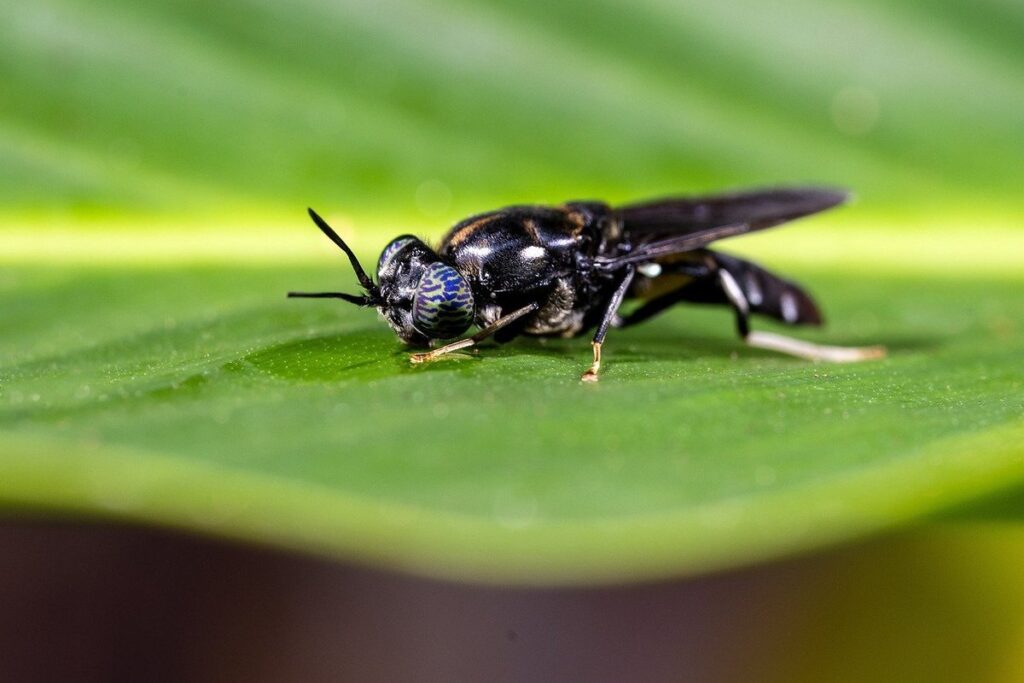
What is Black Soldier Fly Composting?
So, you’re curious about black soldier fly composting and want to know where it all starts. Let’s dive into what exactly it is and how it works!
Benefits of Black Soldier Fly Composting
One of the most significant benefits of black soldier fly composting is its ability to minimize odors associated with traditional composting methods. This is because the larvae break down organic matter at a faster rate than microorganisms, resulting in minimal volatile organic compounds (VOCs) being released into the environment. In contrast, traditional composting can be plagued by unpleasant smells that not only offend the senses but also attract pests and create environmental concerns.
Faster decomposition rates are another significant advantage of black soldier fly composting. By using the larvae’s efficient breakdown process, you can accelerate the composting cycle from weeks to mere days. This means that your waste is converted into nutrient-rich fertilizer faster than ever before, saving time and resources in the long run.
Not only do black soldier flies reduce odors and speed up decomposition, but they also minimize labor requirements. With traditional composting methods, you may need to regularly turn piles or monitor moisture levels to ensure optimal conditions for microbial activity. Black soldier fly larvae, on the other hand, thrive in a wide range of environments with minimal maintenance, making them an attractive solution for those looking to simplify their waste management practices.
History and Origins of Black Soldier Fly Composting
Black soldier fly composting has its roots in traditional practices of using microorganisms to break down organic matter. However, modern applications of this method owe a debt to the pioneering work of researchers and innovators who have refined and optimized the process.
In the early 2000s, scientists began exploring the potential of black soldier flies (BSFs) as a biological means of managing waste. Key milestones include the establishment of the first BSF breeding facilities in Europe and North America, which provided a reliable source of larvae for research and commercial applications.
A significant breakthrough came with the development of controlled environment systems that could efficiently rear BSFs on organic substrates. These innovations paved the way for large-scale implementation, making it possible to process tons of waste per day while minimizing environmental impact.
The evolution of BSF composting has been driven by growing concerns over traditional waste management methods, which often generate greenhouse gas emissions and pollution. By contrast, black soldier fly composting offers a low-carbon alternative that can divert significant amounts of organic waste from landfills, resulting in substantial reductions in methane production.
Understanding Black Soldier Fly Life Cycle
To effectively manage waste using black soldier fly composting, it’s essential to understand the fascinating life cycle of these remarkable insects. Let’s dive into their development stages.
Stages of Development: Eggs to Pupae
A black soldier fly’s life cycle begins with egg laying, where female flies deposit their eggs into moist organic matter. This stage is crucial as it sets the foundation for the entire development process. The eggs hatch after 24-30 hours, and the larvae emerge.
During this larval stage, which lasts about 7-10 days, the black soldier fly undergoes a dramatic transformation. They break down complex organic materials into nutrient-rich biomass through enzymatic digestion. This process is highly efficient, with a single black soldier fly larva able to consume up to its body weight in food every day.
As the larvae grow, they molt several times, increasing their size and development rate. Eventually, they reach full growth and enter a prepupal stage before moving on to pupation. The prepupal stage is characterized by the formation of a reddish-brown puparium that surrounds the pupae, protecting them from dehydration.
This remarkable life cycle showcases the black soldier fly’s incredible ability to efficiently break down organic waste. By harnessing this process through composting, we can create nutrient-rich soil amendments while reducing our environmental footprint.
The Importance of Temperature and Moisture Control
Maintaining optimal temperature and moisture levels is crucial for successful black soldier fly composting. Flies thrive within a narrow temperature range of 50°F to 90°F (10°C to 32°C), with ideal temperatures falling between 70°F to 85°F (21°C to 29°C). Temperatures above 90°F can lead to decreased microbial activity, while temperatures below 50°F slow down the decomposition process.
Proper moisture control is equally vital. Flies require a moist environment to feed and thrive, but excessive moisture can result in anaerobic conditions, leading to unpleasant odors and pathogen growth. Aim for a mix of dry and wet ingredients to maintain a balanced moisture level between 40% to 60%. Monitor temperature and moisture levels regularly by inserting probes or simply checking the compost pile’s appearance.
Proper control also prevents pest infestations and reduces fly mortality rates, ensuring a thriving colony and efficient waste breakdown.
Setting Up a Black Soldier Fly Composting System
To successfully start your black soldier fly composting system, you’ll need to choose a suitable location and set up necessary equipment for optimal performance. Let’s dive into these essential steps together!
Design Considerations: Space, Climate, and Equipment
When setting up a black soldier fly composting system, it’s essential to consider three critical design elements: space, climate, and equipment. The wrong choice can compromise the efficiency and effectiveness of your system.
In terms of space, you’ll want to ensure that you have enough room for the larvae to thrive. A general rule of thumb is to allocate at least 10-15 square feet per pound of waste being processed. This will provide ample space for the larvae to feed and grow without overcrowding.
Climate-wise, black soldier fly composting can be done in a variety of environments, but it’s crucial to maintain optimal temperature ranges between 60°F to 90°F (15°C to 32°C). Avoid extreme temperatures, as this can negatively impact the health and productivity of the larvae.
As for equipment, you’ll need a secure enclosure that protects the system from pests and animals while allowing for proper airflow. A sturdy, food-grade plastic bin or a wooden structure with a mesh bottom will suffice. Also, consider investing in a temperature gauge to monitor the environment and ensure optimal conditions for the larvae.
Implementing Best Practices for Fly Health and Safety
Maintaining healthy fly populations and ensuring safety is crucial to the success of your black soldier fly composting system. To do this, it’s essential to understand the unique needs of these insects. Ensure that your system provides adequate ventilation, temperature control, and moisture levels. A well-ventilated area helps prevent the buildup of carbon dioxide, which can be toxic to the flies.
Temperature is also critical; most black soldier fly breeds thrive between 65°F to 90°F (18°C to 32°C). Monitor temperature fluctuations and adjust your system accordingly. Maintaining optimal moisture levels will also promote healthy fly growth. Aim for a moist environment but avoid waterlogged conditions, which can lead to fungal growth.
To prevent the spread of disease, maintain proper sanitation within your system. Regularly clean feeding areas, and ensure that all food waste is properly sorted and added to the system. This includes removing any contaminants or debris that could harm the flies or contaminate the compost. By following these best practices, you’ll be able to maintain a healthy fly population and create a safe environment for both humans and animals.
Benefits of Using Black Soldier Fly Composting
By using black soldier fly composting, you can enjoy numerous benefits that make it a game-changer for sustainable waste management and a healthier environment. Let’s dive into these advantages now!
Nutrient-Rich Compost: A Valuable Resource for Farmers
Using black soldier fly compost as a nutrient-rich fertilizer can be a game-changer for farmers looking to improve crop yields and reduce their environmental impact. This type of compost is teeming with beneficial microbes that help break down organic matter, release essential nutrients, and promote healthy root development.
One of the key advantages of using black soldier fly compost is its high nitrogen content, which is typically 20-30% higher than traditional compost. This makes it an excellent choice for crops like leafy greens, tomatoes, and peppers that require a lot of nitrogen to grow well. Additionally, black soldier fly compost has been shown to improve soil structure, increase water retention, and support beneficial microbial communities.
To incorporate black soldier fly compost into your farming practice, simply mix 2-5% of the compost into your soil at planting time or as a side-dressing throughout the growing season. Be sure to monitor your crop’s response and adjust your application rates accordingly. By doing so, you can unlock the full potential of your crops and enjoy healthier, more resilient plants that thrive in a balanced ecosystem.
Opportunities for Waste Reduction and Carbon Sequestration
Black soldier fly composting is not only an innovative solution for waste management but also a valuable tool for reducing waste and mitigating climate change. By utilizing the larvae of black soldier flies to break down organic matter, we can significantly reduce the amount of waste sent to landfills. In fact, according to a study by Wageningen University, black soldier fly composting can reduce organic waste volumes by up to 90%.
This reduction in waste is particularly important for mitigating climate change, as rotting organic waste in landfills releases methane – a potent greenhouse gas with a global warming potential 28 times higher than carbon dioxide. By using black soldier flies, we can divert this waste away from landfills and towards more sustainable management practices.
To incorporate black soldier fly composting into your operation, consider the following steps: Identify suitable organic waste streams to feed the larvae, establish a controlled environment for larval growth, and implement a regular harvesting schedule to produce high-quality compost. By doing so, you’ll not only reduce waste but also create a nutrient-rich resource for sustainable agriculture.
Challenges and Limitations of Black Soldier Fly Composting
While black soldier fly composting is a promising solution, it’s not without its drawbacks. In this next section, we’ll explore some of the challenges and limitations you should be aware of when considering this method.
Regulatory Frameworks: Navigating Local Regulations
One of the key challenges to implementing black soldier fly composting is navigating local regulations. Regulations can vary significantly from one region to another, and it’s essential to understand what permits and licenses are required for operation.
Before starting a black soldier fly composting project, research the regulatory framework in your area. Check with local authorities to determine if there are any specific permits or licenses needed. For instance, some areas may require a waste management permit or an environmental impact assessment. Ensure that you comply with all applicable regulations and obtain necessary permits before commencing operations.
When interacting with local authorities, be prepared to provide detailed information about your project’s design, operational procedures, and waste management practices. This will help build trust and demonstrate your commitment to regulatory compliance. It’s also essential to maintain accurate records of permit applications, renewals, and compliance checks.
Cost-Benefit Analysis: Evaluating the Financial Viability
Conducting a thorough cost-benefit analysis is essential to determining the financial viability of implementing black soldier fly composting systems. This involves weighing the initial investment costs against the long-term benefits and savings.
To begin, calculate the initial setup costs, including the price of equipment, infrastructure, and personnel. This can range from $10,000 to $50,000 or more, depending on the system’s scale and complexity. Next, consider the ongoing operational expenses, such as feedstock costs (food waste), maintenance, and labor.
Now, evaluate the benefits side of the equation. Black soldier fly composting can help reduce waste disposal fees by turning organic waste into a valuable resource. According to the EPA, the average cost of disposing of food waste is around $100 per ton. With black soldier fly composting, this waste can be converted into nutrient-rich fertilizer worth up to 50% more than traditional compost.
By comparing these costs and benefits, you can determine whether black soldier fly composting is a financially viable option for your organization. Consider the following tips: prioritize energy-efficient equipment, source local feedstock to reduce transportation costs, and explore government incentives or tax credits for implementing sustainable waste management systems.
Integrating Black Soldier Fly Composting into Existing Systems
If you’re already managing composting operations, integrating black soldier fly composting can be a seamless addition to your existing systems, reducing waste and environmental impact. Let’s explore how to make it work for you.
Case Studies: Successful Implementations in Various Settings
In recent years, black soldier fly composting has gained significant attention as a sustainable solution for waste management. Let’s take a closer look at some successful implementations of this technology in various settings.
For instance, the company Full Harvest uses black soldier fly composting to turn food scraps into nutrient-rich fertilizer. They’ve implemented a large-scale operation that processes over 100 tons of organic waste per month, significantly reducing their carbon footprint and generating revenue through the sale of the resulting compost. Another notable example is the urban farm in Brooklyn, New York, where a decentralized black soldier fly composting system has been used to turn restaurant waste into fertilizer for crops.
These case studies demonstrate the potential of black soldier fly composting in various settings. By implementing similar systems, communities can reduce their reliance on landfills and create sustainable solutions for managing organic waste. When selecting a black soldier fly composting solution, consider factors such as scalability, efficiency, and adaptability to your specific needs.
Potential Applications in Different Industries and Sectors
Black soldier fly composting is poised to revolutionize waste management across various industries and sectors. In agriculture, for instance, this innovative method can be used to recycle organic waste into nutrient-rich fertilizers that promote healthy plant growth. This not only reduces the environmental impact of chemical-based fertilizers but also increases crop yields.
In waste management, black soldier fly composting can help divert large quantities of organic waste from landfills and reduce greenhouse gas emissions. Municipalities and communities can implement this technology to create sustainable waste management systems that benefit both the environment and local economies.
Environmental conservation is another area where black soldier fly composting has significant potential. By converting organic waste into a valuable resource, we can significantly reduce pollution in our waterways and soil. This eco-friendly approach also promotes biodiversity by creating habitats for beneficial insects like the black soldier fly itself.
Moreover, this technology can be scaled up to address large-scale environmental challenges such as oil spills or contaminated soil remediation.
Frequently Asked Questions
Can I use black soldier fly composting indoors?
Yes, it is possible to set up a black soldier fly composting system indoors, but you’ll need to consider factors such as temperature, humidity, and air circulation. This method can be beneficial for households with limited outdoor space or in urban areas where space is scarce.
How do I maintain the optimal moisture level for my black soldier fly composting system?
Maintaining the right balance of moisture is crucial for a healthy fly population and efficient decomposition. You’ll want to keep the material moist, but not waterlogged. Aim for a consistency similar to a damp sponge, and check the moisture levels regularly to ensure they’re within the ideal range.
Can I use black soldier fly composting for all types of organic waste?
Not all types of organic waste are suitable for black soldier fly composting. Avoid adding meat, dairy products, or oily foods as they can attract pests and create unpleasant odors. Instead, focus on using vegetable scraps, fruit peels, and other high-carbon materials.
How long does it take to produce nutrient-rich compost with black soldier fly composting?
The time it takes to produce nutrient-rich compost varies depending on factors like the size of your system, the type of waste being processed, and the desired level of maturity. Generally, you can expect to harvest usable compost within 2-6 weeks after introducing larvae to the system.
Can I integrate black soldier fly composting with my existing composting setup?
Yes, it is possible to integrate black soldier fly composting into your existing composting setup. This can help reduce odors and improve decomposition efficiency while also providing a valuable resource for fertilizer production. Consult local experts or conduct further research to determine the best approach for your specific situation.