
Are you tired of losing precious eggs to pesky predators? Protecting your backyard flock from harm can be a daunting task, but one effective solution is using livestock guardian dogs (LGDs) specifically bred to defend chickens. These gentle giants have been guarding flocks for centuries and are an excellent addition to any small farm or homestead. But not all LGDs are created equal, and choosing the right breed is crucial to harmonious coexistence with your feathered friends.
In this article, we’ll explore the world of livestock guardian dogs for chickens, including how to select the perfect breed, train them to work effectively, and ensure a peaceful living arrangement for both humans and animals. By following our expert advice, you can safeguard your flock from predators and enjoy stress-free egg collecting – sounds like a dream come true!
Benefits of Livestock Guardian Dogs
By far, one of the most significant advantages of raising livestock guardian dogs is their ability to protect your flock from predators. This section will explore the many benefits they bring to your farm.
Protecting Your Flock from Predators
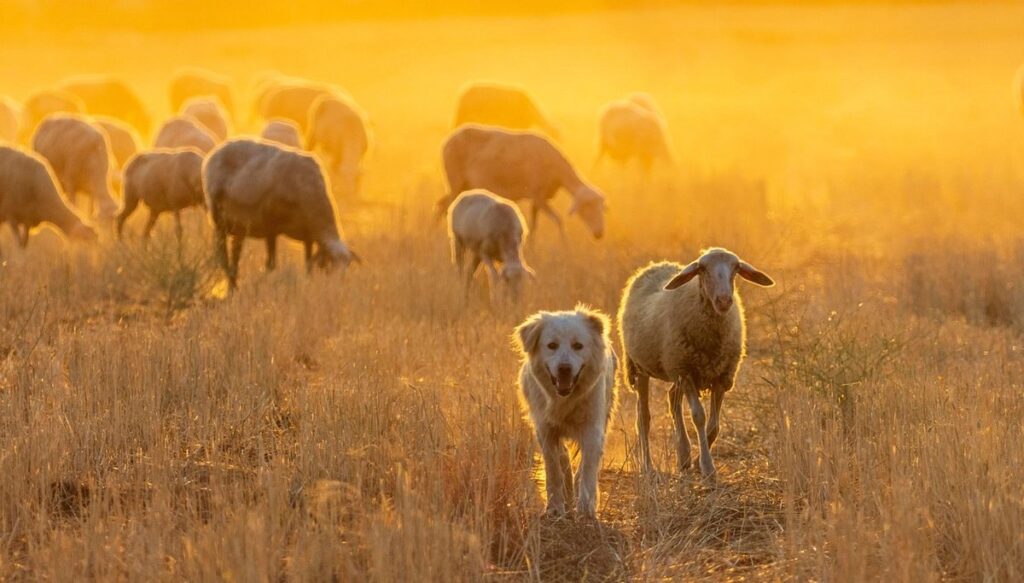
When it comes to protecting your flock from predators, livestock guardian dogs (LGDs) are an invaluable asset. These natural guardians have been used for centuries to safeguard sheep and other small animals from threats such as coyotes, wolves, and mountain lions.
In real-world scenarios, the effectiveness of LGDs is well-documented. For instance, a study conducted in Montana found that ranches with LGDs had significantly lower predation rates (average 20% reduction) compared to those without them. Another case study from New Mexico showed a remarkable 90% decrease in coyote attacks on sheep herds after introducing LGDs.
To get the most out of your LGD, it’s essential to socialize and train them properly. Introduce your dog to the chickens gradually, allowing them to become familiar with each other’s scent, sounds, and movements. You should also teach your LGD basic obedience commands and encourage them to patrol the perimeter of their territory.
By following these steps and providing adequate care for your LGD, you can create a safe and harmonious environment for both your dogs and chickens.
Choosing the Right Breed for Chickens
When it comes to choosing the right breed of livestock guardian dog (LGD) for protecting chickens, there are several factors to consider. The size and temperament of the dog will play a significant role in determining whether it can effectively guard against predators such as coyotes, foxes, and stray dogs.
Some popular breeds of LGDs that are well-suited for chicken protection include the Maremma, Akbash, and Komondor. These breeds have been traditionally used to protect livestock in various parts of the world and possess the necessary characteristics to safeguard chickens. For instance, the Maremma is known for its independent nature and strong guarding instincts, making it an excellent choice for farms with large chicken flocks.
In addition to breed selection, it’s essential to consider the dog’s size. A larger dog will be more effective at deterring predators than a smaller one. However, keep in mind that size alone does not guarantee success, as temperament and trainability also play crucial roles. When choosing an LGD for chicken protection, prioritize breeds with strong guarding instincts and easy trainability.
To ensure the best possible outcome, it’s essential to socialize your LGD well from an early age and provide ongoing training. This will help establish a strong bond between the dog and its flock, making it more effective at detecting potential threats and protecting the chickens.
Training Your Livestock Guardian Dog
Training your Livestock Guardian Dog (LGD) to effectively guard against predators requires patience, consistency, and positive reinforcement. Introducing them to their new role is a crucial step in their training process. Start by gradually introducing the LGD to the chickens’ enclosure, allowing them to become familiar with each other’s scents, sounds, and movements.
As your LGD begins to take on its guarding responsibilities, reinforce desired behaviors such as alerting you to potential threats and protecting the flock from predators. Reward your dog for remaining vigilant and standing its ground when faced with a mock predator (such as a decoy animal). Be cautious not to over-reward or coddle your LGD, as this can inadvertently encourage aggression towards people.
Establish clear boundaries and expectations through consistent training exercises. Practice “watching” drills, where your LGD is tasked with observing a designated area for signs of potential threats. This will help them develop their critical thinking skills and respond accordingly in real-life situations. By following these steps and providing your LGD with the necessary guidance and support, you can trust that they’ll effectively guard against predators and protect your flock.
Caring for Chickens in Harmony with Livestock Guardian Dogs
When keeping chickens and livestock guardian dogs together, it’s essential to establish a harmonious coexistence by providing separate areas for each species and establishing clear boundaries.
Creating a Harmonious Coexistence
Creating a harmonious coexistence between chickens and livestock guardian dogs (LGDs) requires patience, careful planning, and gradual introduction. It’s essential to understand that LGDs have an instinctual prey drive, which can be triggered by the presence of small animals like chickens. To avoid any conflicts, introduce your chickens to the LGD gradually.
Start by separating the animals initially, allowing them to become familiar with each other’s scents, sounds, and visual cues without direct interaction. You can do this by placing their living areas near each other or by switching their bedding materials. Once they seem comfortable with each other’s presence, begin supervised introductions in a controlled environment.
Monitor your chickens’ behavior closely during these interactions, intervening if necessary to prevent any stress or aggression. With time and careful management, most LGDs can learn to coexist peacefully with chickens, protecting them from predators while avoiding harm to the flock. Remember, every dog is unique, so be prepared to adapt your approach based on their individual temperament and needs.
Providing Adequate Shelter for Both Animals
When it comes to caring for chickens and livestock guardian dogs (LGDs) together, providing adequate shelter is a top priority. Both animals require specific living conditions that must be met when building or modifying enclosures.
Start by assessing the climate where you live. If you experience harsh winters or extreme temperatures, ensure your enclosure has sturdy walls, waterproof roofing, and adequate ventilation to keep both animals safe and comfortable. Chickens need protection from wind, rain, and sun exposure, which can lead to heat stress.
Consider a multi-purpose shelter that accommodates both chickens and LGDs. A spacious enclosure with individual areas for each species will help prevent competition for resources and reduce stress. For instance, provide a section for chicken nesting boxes and separate spaces for feeding, drinking, and roosting. Ensure the shelter has enough space to allow animals to move freely and exercise.
Key features to incorporate include:
• Sturdy fencing to prevent escape or predator entry
• Easy access points for cleaning and maintenance
• Adequate ventilation and insulation
• Space for future expansion
By providing a suitable living environment, you’ll create a harmonious coexistence between chickens and LGDs.
Managing Resources for a Thriving Flock
Managing resources effectively is crucial when integrating chickens and livestock guardian dogs (LGDs) on a single farm. A well-planned resource management system can lead to significant benefits, such as reduced expenses, increased productivity, and improved overall animal health.
When it comes to food, consider implementing a dual-purpose feeding strategy. This involves providing separate feeders for LGDs and chickens to prevent competition and ensure each species receives the nutrients they need. For example, you can place chicken feed on elevated platforms to keep them out of reach from curious dogs. Also, consider supplementing their diet with local fruits and vegetables to promote diversity.
Water management is also vital, especially during hot weather conditions. Install separate water sources for both LGDs and chickens to prevent overcrowding and ensure each animal has access to clean drinking water at all times. Regularly inspect water troughs and replace them as needed to maintain cleanliness.
By carefully managing resources, you can create a harmonious environment that fosters the well-being of both your chickens and livestock guardian dogs. For veterinary care, establish a relationship with a local veterinarian who has experience in caring for LGDs and poultry. This will ensure prompt attention to any health issues that may arise.
Understanding the Behavior of Livestock Guardian Dogs
To truly get the most out of your LGD and chickens, you need to understand how these incredible dogs think and behave in real-life situations. This section will help you grasp their instincts and quirks.
Instinctual Behaviors of LGDs
As you observe your LGD’s behavior around their flock, you may notice certain instinctual actions that signal they’re on high alert. These behaviors are essential to recognize and respond to properly, as they indicate the dog is guarding its flock from potential threats.
Some common instinctual behaviors of LGDs include:
* Freezing or stiffening when sensing a predator
* Raising their hackles (the hair on their back) in response to a perceived threat
* Growling or barking to deter an intruder
* Displaying a “wide-stance” position, with front legs splayed out to the sides and hindquarters low to the ground
When you see your LGD exhibiting these behaviors, it’s crucial to remain calm and not interfere. Instead, observe from a safe distance, taking note of what triggered the response. This will help you understand their instincts and improve your ability to recognize potential threats before they become issues. By respecting and understanding these instinctual behaviors, you’ll be better equipped to support your LGD in its role as guardian of your flock.
Body Language Cues from Your LGD
When interacting with your LGD, it’s essential to pay attention to their body language cues. By recognizing these signals, you can better understand their intentions and emotions, leading to more effective communication and management of their behavior.
As you observe your LGD, look for relaxed postures such as a loose gait, ears up, and tail wagging. These signs indicate that your dog is feeling calm and content. On the other hand, a tense posture with ears back, raised hackles, or growling may suggest fear or anxiety in response to a perceived threat.
Watch for subtle changes in behavior like increased vigilance, pacing, or whining, which could indicate that your LGD has detected something unusual. By paying attention to these cues, you can intervene early and prevent potential conflicts between your LGD and other animals on the farm.
Remember, every dog is unique, so take the time to learn your individual LGD’s language. Observe their habits and reactions to different situations, and use this knowledge to inform your management strategies. With practice, you’ll become more attuned to your LGD’s needs and be better equipped to provide them with a safe and effective working environment.
Recognizing Health Issues in LGDs
Recognizing health issues in livestock guardian dogs (LGDs) is crucial to maintaining their well-being and effectiveness as guardians. Common health problems affecting LGDs include hip dysplasia, elbow dysplasia, and certain eye conditions like cataracts or progressive retinal atrophy.
As a chicken keeper, it’s essential to learn the signs of illness or injury in your LGD. Look for changes in appetite, energy level, or behavior. For instance, if your LGD is not responding to commands or seems lethargic, it may be a sign of an underlying health issue. Regular veterinary check-ups can help identify potential problems early on.
Some specific signs to watch out for include:
* Swelling or pain around the joints
* Redness or discharge in the eyes
* Changes in coat condition or skin health
* Lethargy or loss of appetite
If you notice any of these symptoms, consult with a veterinarian as soon as possible. Regular check-ups can also help detect issues before they become severe, ensuring your LGD remains healthy and effective at protecting your flock.
Integrating Livestock Guardian Dogs with Other Farm Animals
When integrating Livestock Guardian Dogs with other farm animals, it’s essential to consider the social dynamics and compatibility of different species on your homestead. This section explores practical tips for harmonious coexistence between LGDs and chickens.
Benefits of Multispecies Integration
By integrating chickens with other farm animals under the protection of a single Livestock Guardian Dog (LGD), you can enjoy numerous benefits that enhance your farm’s productivity and efficiency. One significant advantage is reduced labor, as the LGD will take care of defending not only the chickens but also other animals from predators.
This multispecies integration can increase efficiency in several ways. For instance, a single LGD can effectively guard multiple species, eliminating the need for separate dogs to protect different types of animals. This means you’ll save time and resources that would be spent training and caring for individual LGDs. Additionally, having one large pasture area where all animals graze together simplifies tasks like feeding and monitoring.
Another benefit is that a multispecies flock can provide a more natural and diverse environment for the chickens. With other animals present, they will have constant stimulation and exercise, reducing stress and promoting better health. This in turn leads to improved egg production and overall well-being of your chicken flock.
Managing Conflicts Between Different Species
When introducing livestock guardian dogs (LGDs) to chickens on your farm, it’s essential to consider potential conflicts between different species. Proactive measures can help minimize stress and promote harmony among all animals.
To prevent conflicts, ensure each animal has its own space and resources. For example, provide a separate enclosure or run for the chickens where they can retreat if feeling overwhelmed by the LGDs. This simple step can go a long way in reducing tension between species.
Additionally, monitor body language and behavior closely during the introduction phase. If you notice any signs of aggression or fear, intervene promptly to prevent escalation. For instance, if an LGD is aggressively pursuing a chicken, calmly redirect it to a different area or reward the dog for calm behavior around the chickens.
By prioritizing separation and monitoring animal interactions, you can create a harmonious coexistence between your LGDs and chickens. This setup not only benefits both species but also promotes overall farm well-being.
Creating a Balanced Farm Ecosystem
Creating a balanced farm ecosystem is crucial when integrating livestock guardian dogs with chickens. By promoting biodiversity and minimizing environmental impact, you’ll not only ensure a thriving ecosystem but also maintain a healthy population of both animals. To achieve this balance, start by assessing the existing conditions on your farm.
Consider the type of vegetation, water sources, and microclimate present. For instance, if your land is predominantly grassy, introducing chickens will help control weeds, while livestock guardian dogs will protect against predators. Conversely, a farm with a mix of crops and livestock may require more targeted strategies to promote biodiversity.
One effective approach is crop rotation, which can help maintain soil quality and reduce the need for pesticides and fertilizers. This, in turn, benefits both animals and the environment by creating a healthier ecosystem. Consider incorporating native plants, trees, or shrubs that provide food and shelter for beneficial insects, pollinators, or birds.
Best Practices for Raising Chickens with Livestock Guardian Dogs
When raising chickens alongside livestock guardian dogs, it’s essential to consider their unique needs and how they’ll interact with each other. This section shares practical tips for harmonious coexistence.
Tips for First-Time Chicken Keepers
As a first-time chicken keeper introducing livestock guardian dogs (LGDs) to your flock, it’s essential to consider their unique needs and interactions with your chickens. When initially introducing LGDs to your coop, start by separating them from the chickens at first, allowing both species to become familiar with each other’s scents, sounds, and movements. This gradual introduction phase is crucial in preventing any potential aggression or fear-based behaviors.
Once you’ve established a comfortable level of familiarity between the two groups, it’s time to consider ongoing management strategies. Monitor your LGD’s behavior closely, taking note of any changes in their alertness or interaction with the chickens. Ensure that both species have access to adequate shelter and resources, such as food and water, to prevent competition or stress.
When managing multiple breeds within a single flock, it’s also crucial to recognize individual personalities and temperaments. For example, some LGDs may be naturally more inclined towards herding than guarding, so adjust your expectations accordingly. With patience and observation, you’ll develop a harmonious relationship between your LGD and chickens, fostering a safe and thriving environment for both species to thrive.
Common Challenges and Solutions
When raising chickens with livestock guardian dogs (LGDs), you may encounter some common challenges that can be resolved with proper planning and attention. One of the main issues is predator behavior, particularly if you’re introducing new birds to an existing flock with a seasoned LGD.
To minimize conflicts, it’s essential to monitor your dog’s behavior closely during this transition period. If you notice any signs of aggression towards the chickens, such as growling or snapping, intervene promptly by separating them and reintroducing them gradually under close supervision. This will help prevent stress on both animals and ensure a harmonious coexistence.
Another challenge is maintaining the health and well-being of your flock in the presence of an LGD. Regular vaccinations, parasite control measures, and proper fencing can go a long way in preventing disease outbreaks and protecting your birds from predators.
It’s also crucial to provide adequate shelter, food, and water for both species, ensuring they have access to necessary resources without competition or stress. For instance, consider installing separate feeding stations and watering troughs for the chickens and LGD, reducing competition and potential conflicts.
Long-Term Planning for a Sustainable Flock
Maintaining a healthy and thriving flock requires more than just providing adequate food and shelter. Long-term planning is crucial to ensure that your livestock guardian dogs (LGDs) and chickens continue to thrive for years to come.
When it comes to succession planning, consider the future needs of your flock. Who will take over when you’re no longer able to care for them? Identify potential successors or explore alternative arrangements such as leasing out your land to a new farmer. This may seem daunting, but having a plan in place can prevent the loss of valuable breeding stock and years of hard work.
Effective financial management is also vital. Develop a budget that accounts for routine expenses like feed, vaccinations, and equipment maintenance. Consider setting aside funds for unexpected events such as disease outbreaks or natural disasters. By doing so, you’ll be better equipped to handle any challenges that may arise.
Adapting to changing circumstances can be difficult, but being proactive is key. For example, if a severe weather event causes damage to your coop, have a plan in place to repair it quickly and minimize losses. Similarly, stay up-to-date with local regulations and adjust your management strategies accordingly.
Frequently Asked Questions
Can I introduce a livestock guardian dog to my existing flock, or should I start with them from the beginning?
Yes, introducing a new LGD to an existing flock can be done gradually, but it’s essential to ensure a smooth transition. Start by keeping the LGD in a separate area for a few days to allow your chickens to become familiar with its presence and scent.
How long does it take for a livestock guardian dog to become effective at protecting my flock?
The effectiveness of an LGD can vary depending on factors such as breed, training, and individual temperament. Generally, it may take several weeks or even months for an LGD to become fully effective at defending your flock against predators.
Can I keep multiple breeds of livestock guardian dogs together with my chickens?
While some breeds may get along, introducing multiple LGDs can be challenging, especially if they’re not from the same litter. It’s crucial to research and choose breeds that are known to coexist peacefully or introduce them gradually under close supervision.
How do I recognize potential health issues in livestock guardian dogs, especially considering their large size?
Regular veterinary check-ups, monitoring body language cues (such as changes in appetite or energy levels), and being aware of breed-specific health concerns can help you identify potential health issues early on. Keep an eye out for signs like excessive panting, lameness, or skin problems.
What’s the ideal ratio of livestock guardian dogs to chickens, and how often should I supervise their interaction?
A general rule of thumb is 1-2 LGDs per 10-20 chickens. However, this can vary depending on factors such as breed, terrain, and predator activity in your area. It’s essential to monitor their behavior and adjust the ratio accordingly, ensuring both species have enough space and resources to thrive.