
Are you aware that your backyard chickens have their very own bodyguard watching over them? That’s right – your rooster is naturally designed to protect his flock from predators, and it’s essential to understand this behavior if you want to keep your birds safe. As a chicken keeper, you might be wondering how your rooster does its job so effectively. Do they have super-sharp vision or incredible hearing? The answer lies in their instinctual behavior and unique characteristics that make them the ultimate flock protectors.
In this article, we’ll explore the fascinating ways roosters defend their flocks from predators, such as hawks, foxes, and coyotes. You’ll learn about the importance of understanding and supporting your rooster’s natural instincts to ensure the well-being of your chickens.
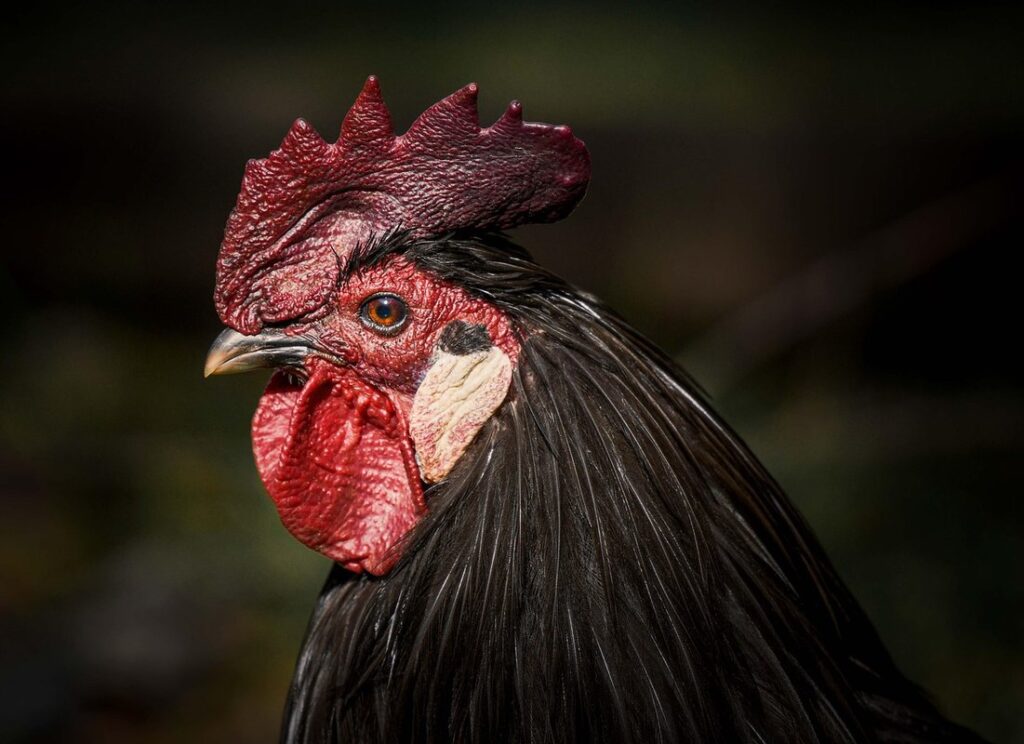
The Importance of Flock Protection
When it comes to flock protection, there are several key reasons why having a rooster around is more than just a bonus. In this section, we’ll break down their crucial role in keeping your hens safe.
Natural Instincts and Rooster Behavior
When it comes to protecting their flock, roosters are driven by an innate instinct that’s deeply rooted in their nature. This behavior is a result of their evolutionary history as predators and prey, where the strongest and most alert individuals had a better chance of survival.
In the wild, roosters would have needed to be vigilant to safeguard against threats like foxes, coyotes, or hawks. Their role was not just to fight but also to detect potential dangers early on and sound an alarm to alert the rest of the flock. This natural instinct is still present in domesticated roosters, which is why they’ll often take on a sentinel-like position at the periphery of their territory.
Understanding this aspect of rooster behavior can help you appreciate their role as protectors and even encourage them by providing suitable resources like adequate space to patrol or an unobstructed view of potential threats. By acknowledging and supporting this instinct, you’re not only ensuring the flock’s safety but also fostering a more harmonious and secure living environment for all your backyard chickens.
Communication and Warning Systems
When a rooster senses potential danger, it will alert its flock using various warning systems and signals. This communication is crucial for the hens’ safety, as it allows them to take evasive action quickly. Roosters use different vocalizations to convey the level of threat, with louder calls indicating greater urgency.
For example, a rooster may sound an alarm call when spotting a predator, such as a fox or coyote. This warning will typically be repeated several times to ensure all hens are alerted. In some cases, a rooster may also engage in aggressive behavior towards the perceived threat, drawing attention away from its flock.
It’s essential for backyard chicken keepers to recognize these warning signs and respond accordingly. If you notice your rooster sounding an alarm call repeatedly, it’s likely that there is a genuine threat present. Take immediate action by securing the coop, checking for any breaches or weaknesses in the enclosure, and removing any potential attractants that may be drawing predators.
Roosters also use visual signals to alert their flock, such as raising their hackles or spreading their wings. By being aware of these warning systems and taking prompt action, you can help protect your hens from potential harm.
Aggression and Defensive Strategies
When defending their flock, roosters employ a range of aggressive strategies to deter predators. But what triggers this behavior? For one, it’s often an instinctual response to potential threats, such as loud noises, unfamiliar sights or sounds, or even changes in their environment.
In the wild, roosters have evolved to be vigilant and alert to potential dangers. When they perceive a threat, they’ll sound the alarm, letting out loud crowing or other warning calls to alert the rest of the flock. This is often accompanied by aggressive posturing, such as puffed-out chests, raised hackles, and strutting behaviors.
To protect themselves and their mates, roosters will also employ physical defense strategies. These can range from chasing away predators with sharp kicks and pecks, to engaging in intense battles with larger threats like coyotes or foxes. In some cases, they may even sacrifice themselves to save the rest of the flock – a testament to their strong maternal instincts.
For backyard chicken keepers, understanding these aggression triggers and defense strategies can help you better appreciate your rooster’s role as a protector. By recognizing the signs of alertness and aggression, you can take steps to minimize potential threats and provide a safe environment for both your birds and yourself.
Recognizing Signs of Flock Protection
As you watch your flock, pay attention for subtle changes in behavior that could indicate a rooster is taking on protective duties. These signs often go unnoticed by inexperienced owners.
Alerting Behaviors
When a rooster is aware of potential danger, it will often exhibit specific alerting behaviors to warn the rest of the flock. One of the most common signs is an increase in vocalization, where the rooster lets out loud crowing or warning calls to alert hens to stay vigilant.
These alarm calls can serve as a signal for hens to take action and prepare themselves for potential threats. For instance, if a predator such as a fox or coyote is spotted near the coop, the rooster may sound an urgent warning call, prompting hens to retreat to safety within the enclosed area of their coop.
In addition to vocalizations, a rooster may also display aggressive posturing when sensing danger. This can include spreading its wings, puffed out feathers, and a lowered head posture. Such displays are designed to deter potential threats while also alerting other flock members to stay on high alert.
Observing these behaviors is crucial in recognizing whether your rooster is performing its protective duties effectively.
Vigilance and Patrolling
A rooster’s role as a flock protector is not just about chasing away predators, but also about maintaining vigilance and patrolling their territory to prevent potential threats. When it comes to patrolling, roosters are incredibly skilled at mapping out their surroundings, using a combination of visual and auditory cues to detect any anomalies.
In fact, research has shown that roosters can recognize individual predators after just one encounter, allowing them to adjust their defense strategy accordingly. This keen sense of awareness is essential in detecting predators, especially when they’re trying to sneak up on the flock.
So, how do you know if your rooster is doing its job effectively? Pay attention to its behavior: a rooster that’s actively patrolling its territory will be more alert and vocal than one that’s simply strutting around. Listen for any sudden changes in its warning calls or observe whether it’s standing guard at the periphery of the flock, ready to sound the alarm if necessary.
Flock Dynamics and Rooster Protection
When it comes to maintaining a harmonious flock, understanding rooster behavior is crucial. In this next part of our guide, we’ll explore how roosters interact with their hens and protect them from potential threats.
Dominant Roosters and Hierarchy
When a dominant rooster takes charge of its flock, it sets the tone for the entire group’s behavior. This natural leader guides its hens through various situations, ensuring their safety and well-being. However, understanding how this hierarchy impacts protection is crucial to maximizing the effectiveness of our flock protectors.
In a well-established flock, the dominant rooster will often establish a clear pecking order. This means that other roosters within the group will defer to the leader’s decisions, allowing him to allocate resources and make critical judgments about potential threats. For example, if a predator is spotted in the area, the dominant rooster will sound an alarm call, alerting the rest of the flock to danger.
To leverage this natural hierarchy to enhance protection, it’s essential to provide your dominant rooster with a safe and secure environment. This includes ensuring ample food, water, and shelter for the entire flock. By maintaining a balanced ecosystem within the coop and surrounding area, you can help your rooster stay alert and focused on protecting its group.
Cooperative Defense
While roosters are often credited with protecting their flocks, hens also play a crucial role in defending each other. In fact, many species of hens will actively work together to chase off predators and alert the rest of the flock to potential threats.
This cooperative defense is especially evident when it comes to ground-dwelling predators like foxes or coyotes. Hens have been observed forming tight groups and pecking at the predator’s face and eyes, momentarily blinding them and giving the rooster time to intervene. This teamwork allows even a small flock of hens to protect themselves against larger threats.
As a chicken keeper, you can encourage cooperative defense by providing your hens with a safe and secure living space, plenty of space to forage, and adequate roosting perches where they can observe their surroundings from above. By fostering this social bond between your hens, you’ll create a more robust defense system that includes both the rooster’s watchful eye and the collective vigilance of your flock.
Breeds and Genetics
Understanding the role of genetics in determining a rooster’s protective nature can help you identify the best breeds for your flock’s specific needs. This involves examining various factors like aggression levels and alertness.
Heritage Breeds and Natural Protection Instincts
When it comes to heritage breeds and their natural protection instincts, it’s fascinating to explore what factors contribute to this trait. Some breeds, such as the Old English Gamecock or the Brahma Rooster, have a long history of being used for fighting and are naturally more aggressive when defending their flock.
Research suggests that genetics play a significant role in determining an individual rooster’s protective instincts. For instance, studies on chicken aggression have shown that certain breeds exhibit higher levels of aggression due to their genetic makeup. However, this doesn’t mean that all heritage breeds possess a strong protection instinct.
In fact, many heritage breeds were originally developed for egg-laying or meat production and may not necessarily have an innate desire to protect the flock. To identify a rooster with natural protection instincts, look for characteristics such as alertness, assertiveness, and a tendency to sound the alarm when detecting potential threats.
Selective Breeding for Flock Protection
Selective breeding is one of the most effective ways to enhance the natural instincts of roosters and improve their ability to protect the flock. By carefully selecting for specific traits, breeders can concentrate the desirable qualities that make a good guardian rooster. This process involves identifying and mating birds with exceptional protective instincts, alertness, and aggression in response to potential threats.
Genetic selection can significantly impact a rooster’s ability to safeguard the flock. For instance, research has shown that certain breeds are more inclined to defend their territory and hens against predators due to their genetic makeup. However, it is essential to note that breeding for specific traits should be done responsibly and with caution, as over-breeding can lead to negative consequences such as health issues or reduced fertility.
To incorporate selective breeding into your flock protection strategy, start by evaluating the existing roosters’ behavior and performance in protecting the hens. Identify those with exceptional instincts and consider crossing them with high-quality females to produce offspring that inherit their desirable traits.
Environmental Factors Affecting Rooster Behavior
Let’s dive into the environmental factors that can significantly impact a rooster’s behavior and decision-making when it comes to protecting his flock. This includes everything from extreme temperatures to predator presence.
Predator Pressure and Adaptation
When it comes to protecting their flock, roosters have evolved to adapt to varying predator pressures. The environmental factors that influence their behavior are crucial for a rooster’s ability to safeguard its hens. For example, a rooster living on a farm with a history of fox attacks will likely be more vigilant and aggressive than one raised in an area with minimal predation.
The presence of predators also affects the rooster’s vocalization patterns. In areas with high predator pressure, roosters tend to be more vocal, alerting their flock to potential threats. Conversely, in low-predator environments, they may become less vigilant and more prone to territorial displays. As a flock owner, understanding these adaptations can help you manage your rooster’s behavior. Provide your rooster with adequate shelter, cover, and a balanced environment to reduce stress and promote healthy vigilance.
When managing predator pressure, consider the following:
* Install physical barriers around your coop or pen
* Use noise-making devices to deter predators at night
* Rotate forage areas to reduce the likelihood of attracting predators
By understanding how environmental factors influence rooster behavior and adapting their living conditions accordingly, you can create a safer environment for both your flock and its protector.
Living Conditions and Stress Levels
When it comes to a rooster’s ability to protect its flock, living conditions and stress levels can play a significant role. A rooster’s priority is to ensure the safety and well-being of its hens, but if they’re not provided with a suitable environment, their ability to fulfill this duty can be compromised.
A dirty or cramped coop can lead to increased stress levels among both the rooster and his flock. This can manifest as aggressive behavior, which may seem counterintuitive for a bird trying to protect its group. In reality, stress causes tension within the flock, making it harder for the rooster to maintain order and defend against potential threats.
To mitigate this issue, provide your flock with ample space to roam and a clean living area. Regular cleaning of the coop, adequate ventilation, and sufficient light exposure can greatly reduce stress levels. By creating a comfortable environment, you’ll be enabling your rooster to focus on its primary responsibility: protecting its hens from predators and other external threats.
Conclusion
In conclusion, roosters play a vital role as flock protectors. By understanding their instincts, behavior, and needs, you can effectively utilize them to safeguard your chicken flock from predators. Remember that every rooster is unique, so it’s essential to get to know each bird’s personality and strengths. Don’t underestimate the importance of providing adequate space, nutrition, and healthcare for your roosters, as a healthy flock will be better equipped to defend itself. If you’re considering adding a rooster to your flock, make sure you’re prepared to provide the necessary attention and resources. With proper care and understanding, a well-trained rooster can become a loyal protector of your birds, giving you peace of mind and a safer, more secure coop environment.
Frequently Asked Questions
Can any breed of rooster be effective at protecting my flock?
While some breeds are naturally more alert and vigilant, it’s not just about the breed. A rooster’s effectiveness as a protector depends on its individual temperament, upbringing, and exposure to predators. Focus on raising your rooster with natural behaviors encouraged, and provide an environment that fosters its protective instincts.
What if I have multiple roosters in my flock? Will they fight or work together?
Yes, it’s not uncommon for multiple roosters to share the responsibility of protecting their flock. In fact, having two or more dominant roosters can create a cooperative defense system where each bird assumes its own territory and watches over different areas of the yard.
How do I know if my rooster is doing its job effectively?
Pay attention to your rooster’s behavior during daylight hours. A healthy, vigilant rooster will be actively patrolling its surroundings, alerting you (and other birds) to potential threats. If you notice a sudden change in its activity level or increased aggression towards specific areas of the yard, it may indicate that predators are present.
Can I train my rooster to protect against a specific type of predator?
While roosters can adapt to various types of threats, training them to focus on a single predator is challenging. However, you can encourage your rooster’s natural instincts by exposing it to different scenarios and environments. This will help develop its protective behavior and increase its chances of effectively defending against any predators that may enter the yard.
How do environmental factors like weather and living conditions affect my rooster’s ability to protect?
Weather conditions like extreme temperatures, heavy rain, or strong winds can impact your rooster’s vigilance and alertness. Similarly, inadequate shelter, poor nutrition, or stress caused by overcrowding can compromise its ability to effectively defend the flock. Ensure a stable and comfortable environment that supports your rooster’s natural instincts and helps it perform at its best.