
As a backyard chicken keeper, you’re likely no stranger to the joys of raising your own flock. However, one often-overlooked aspect of chicken-keeping is managing food waste – those pesky leftovers and scraps that end up scattered on the ground or worse, in the chickens’ digestive systems. Not only can this be an eyesore and a hassle to clean up, but it’s also a significant financial burden and a health risk for your birds. Fortunately, there are efficient solutions out there to help you reduce waste, save money, and keep your feathered friends happy and healthy. In this article, we’ll explore the world of waste-reducing chicken feeders – from DIY builds to store-bought options – and show you how to create a more sustainable and cost-effective backyard flock.
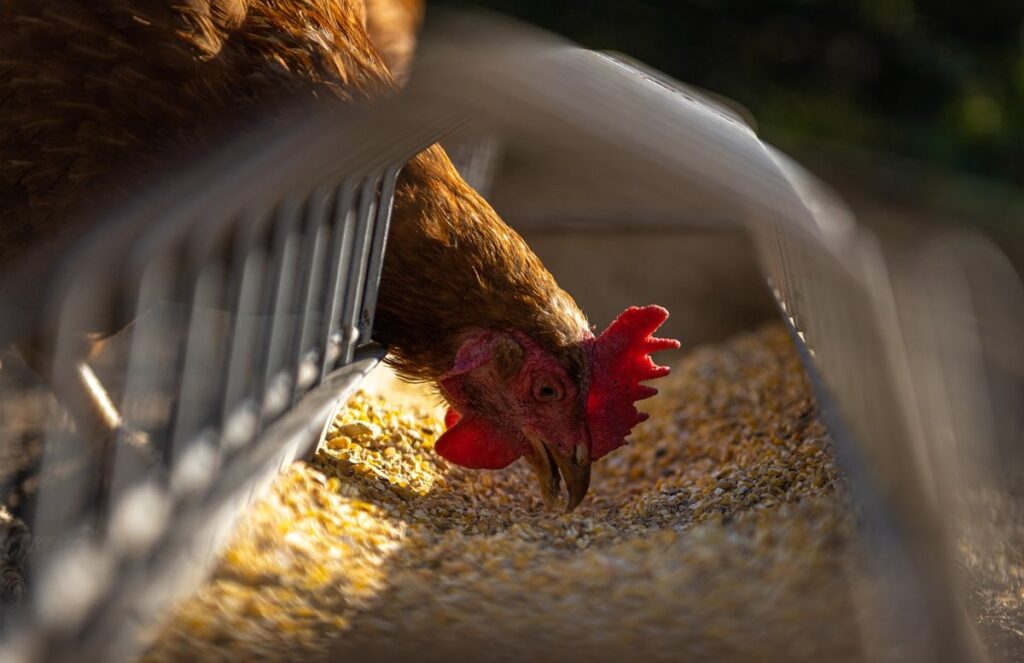
Understanding the Problem of Food Waste in Backyard Chickens
Food waste is a common issue many backyard chicken keepers face, but did you know it can be a significant problem for your flock’s health and sustainability? Let’s explore why food waste is a concern.
The Alarming Statistics on Food Waste in Poultry
Did you know that backyard chicken flocks are contributing to the staggering 40% of global food waste? It’s estimated that a typical flock can discard up to 20-30% of their daily feed, resulting in significant financial losses and environmental impact. For instance, if you have a small flock of five hens, they could be throwing away around $100-$150 worth of feed every month.
The reasons for this waste are multifaceted: overfeeding, poor feeder design, and hens’ natural behavior all play a role. It’s common for backyard chicken keepers to overfill the feeders, leading to spillage and waste. Moreover, traditional feeders often have small openings that cause food to become compacted, making it difficult for birds to access.
To put this into perspective, consider the following: if you were to reduce your flock’s daily waste by just 10%, you could save around $50-$75 per month on feed costs alone. By implementing a waste-reducing chicken feeder in your backyard flock, you can make a significant dent in these alarming statistics and create a more sustainable and efficient feeding system for your birds.
The Consequences of Food Waste on Chicken Health and Environment
When food waste accumulates, it can have serious consequences on the health and productivity of your backyard chickens. Excess moisture from rotting feed can create an ideal breeding ground for mold, bacteria, and pests like rodents and insects. These unwanted critters can spread disease to your flock, leading to costly vet bills and potentially even fatalities.
Furthermore, food waste contributes significantly to greenhouse gas emissions, soil pollution, and water contamination. According to the United Nations Food and Agriculture Organization (FAO), one-third of all food produced globally is lost or wasted. This staggering statistic underscores the critical need for responsible feeding practices in backyard flocks.
The impact on chicken health is just as alarming: moldy feed can cause respiratory problems, allergic reactions, and even liver damage in chickens. By addressing this issue through waste-reducing strategies like using a feeder designed to minimize waste, you can safeguard your flock’s well-being while also doing your part for the environment.
Designing an Efficient Waste Reducing Chicken Feeder
Now that you have a better understanding of waste-reducing feeders, let’s dive into designing one for your backyard flock to minimize food waste and maximize efficiency.
Key Components of a Waste-Reducing Chicken Feeder
A waste-reducing chicken feeder is only as effective as its key components. When designing an efficient waste-reducing chicken feeder, there are several essential features to consider.
For instance, adjustable feeding ports play a crucial role in controlling the flow of feed to each bird. By allowing you to adjust the size and number of ports, you can ensure that each chicken is getting exactly what they need without wasting excess food. This not only reduces waste but also encourages healthy eating habits among your flock.
Another vital component is self-emptying troughs. These ingenious designs allow for effortless removal of waste and uneaten feed, making cleaning a breeze. Self-emptying troughs come equipped with mechanisms that automatically dispense waste into a separate container, keeping your coop clean and minimizing the risk of disease transmission.
The incorporation of these features enables you to monitor food intake more accurately, identify patterns in feeding behavior, and make data-driven decisions to optimize feeding efficiency. By combining adjustable feeding ports and self-emptying troughs, you’ll be well on your way to creating a waste-reducing chicken feeder that’s truly effective in reducing waste and promoting a healthy backyard flock.
Materials and Build Options for a Custom Feeder
When it comes to creating a custom waste-reducing chicken feeder, the materials and build options are endless. One popular choice is using recycled plastic containers, such as old tubs or buckets. These can be easily cleaned and sanitized, reducing the risk of bacterial contamination. Another option is building with wood, using untreated lumber that’s safe for your flock to peck at.
For a more eco-friendly approach, consider using reclaimed wood or bamboo. Not only will these materials reduce waste, but they’ll also add a touch of natural charm to your backyard coop. DIY tutorials are abundant online, and many can be made with minimal tools and expertise.
Cost is an important consideration when building a custom feeder. A simple plastic container feeder can cost as little as $10-$20, while more complex designs made from wood or metal may range from $50-$100 or more. When calculating the costs, remember to factor in any additional materials needed for construction, such as nails, screws, or wire mesh.
If you’re new to woodworking or DIY projects, consider starting with a simple design and gradually moving on to more complex builds. This will not only save time but also help prevent costly mistakes.
Benefits of Using a Waste Reducing Chicken Feeder
By using a waste reducing chicken feeder, you’ll not only save time and money on feed cleanup, but also create a healthier environment for your backyard chickens.
Reduced Food Waste and Cost Savings
Using a waste-reducing chicken feeder is one of the most effective ways to minimize food waste and associated costs in backyard flocks. According to the United States Environmental Protection Agency (EPA), food waste accounts for approximately 30-40% of municipal solid waste in the US, with a significant portion of this waste coming from animal feed.
A waste-reducing chicken feeder works by allowing chickens to eat as needed, rather than having access to more food than they can consume. This reduces overeating and the resulting food waste, which not only cuts down on costs but also minimizes the environmental impact of production and disposal. On average, a backyard flock consuming 10 pounds of feed per day can save up to $50 per month by reducing excess food.
Some key tips for optimizing the performance of your waste-reducing chicken feeder include:
• Regularly monitoring and adjusting the feeder’s capacity to ensure it remains aligned with your flock’s needs.
• Keeping accurate records of feed consumption to help inform future adjustments and optimize your feeding strategy.
• Providing a balanced and nutritious diet that meets the needs of your chickens, minimizing waste and related costs.
Improved Chicken Health and Productivity
Using an efficient waste reducing chicken feeder can have a profound impact on the overall health and productivity of your backyard flock. One of the most significant benefits is the reduction of stress that comes with foraging through food waste and debris. By providing clean, easily accessible feed, you’re giving your chickens the gift of reduced anxiety and a more relaxed environment.
Improved digestion is another key area where an efficient feeding system really shines. When chickens don’t have to rummage through messes to find their next meal, they’re able to focus on breaking down nutrients from their food instead of expending energy sorting through trash. This results in healthier digestive systems, fewer instances of coccidiosis and other diseases, and even better egg production.
To maximize these benefits, make sure your waste reducing chicken feeder is designed with a self-emptying system that minimizes mess and reduces the likelihood of contamination. Regular cleaning and maintenance will also help keep your flock healthy and happy. With the right equipment in place, you can enjoy a more stress-free, efficient, and sustainable backyard flock.
DIY vs. Purchased Waste Reducing Chicken Feeders: Pros and Cons
When deciding which type of waste reducing chicken feeder is right for your flock, it’s essential to weigh the pros and cons of making one yourself versus buying a pre-made solution.
Advantages and Disadvantages of Homemade Feeders
When it comes to creating a waste-reducing chicken feeder, one option is to make it yourself. While this approach offers several benefits, there are also some drawbacks to consider. On the plus side, building a custom feeder allows you to tailor its design and features to meet the specific needs of your flock. You can incorporate waste-reducing technologies, such as spiral feeders or gravity-fed systems, that minimize waste and optimize food distribution.
Moreover, making your own feeder can be cost-effective in the long run. By using locally sourced materials and repurposing existing items, you can create a functional feeder without breaking the bank. For instance, an old plastic container or a wooden pallet can be transformed into a unique feeder with some creativity and elbow grease.
However, there are also some downsides to creating your own feeder. Time-consuming design and construction may take away from other essential tasks related to chicken care. Additionally, if you’re not experienced in DIY projects, it can be challenging to ensure the feeder meets your flock’s needs while minimizing waste. Furthermore, a poorly designed feeder might lead to health issues for your chickens or create more problems than it solves.
Popular Brands and Models for Purchase
If you’re not inclined to build your own waste reducing chicken feeder, there are many reputable brands offering innovative designs and features. Some popular options include the Tyke Feeder, which offers a compact design with adjustable feed ports, and the Pullet Feeder, designed specifically for young chickens with built-in waste trays.
Another notable brand is Omlet’s Eglu Go Feeder, a self-contained feeder that prevents waste and encourages chickens to scratch. Customers rave about its durability and ease of cleaning. A more budget-friendly option is the Fancier Farm’s DIY-Kit, which allows you to assemble your own feeder with interchangeable parts.
When shopping for a waste reducing chicken feeder, consider factors such as size, material, and customer reviews. Research local suppliers or online marketplaces like Amazon to compare prices and features. Consider purchasing from brands that offer durable materials, easy cleaning designs, and positive customer feedback.
Ultimately, when choosing a purchased waste reducing chicken feeder, prioritize products with features that align with your flock’s specific needs and your personal preferences for sustainability and ease of use.
Maintenance and Upkeep Tips for Your Waste Reducing Chicken Feeder
To keep your waste reducing chicken feeder functioning optimally, regular maintenance is key to preventing clogs and ensuring it continues to reduce waste effectively. Here are some simple tips to get you started!
Regular Cleaning and Sanitizing Schedule
To keep your waste reducing chicken feeder in optimal condition and prevent bacterial growth, it’s essential to establish a regular cleaning and sanitizing schedule. The frequency of cleaning may vary depending on the size of your flock and usage, but as a general rule, aim to clean the feeder every 1-2 weeks.
Start by removing any loose debris or feed waste from the feeder using a soft-bristled brush or a scoop. Rinse the feeder thoroughly with warm water, then scrub it gently with a mild detergent to remove any stubborn stains or odors. After cleaning, sanitize the feeder with a solution of 1 part white vinegar to 9 parts water.
Regular cleaning and sanitizing will not only prevent bacterial growth but also maintain hygiene standards in your backyard flock. Make sure to always wear gloves when handling and cleaning the feeder to avoid cross-contamination. By incorporating these simple steps into your maintenance routine, you’ll be able to enjoy a healthier and more sustainable backyard flock with minimal waste.
Troubleshooting Common Issues with Feeders
Clogged feeding ports and uneven distribution of feed are common issues that can arise with waste reducing chicken feeders. These problems not only lead to food waste but also affect the overall health and well-being of your flock. To address these issues, it’s essential to regularly clean and maintain your feeder.
Start by checking the feeder’s design for any blockages or kinks in the feeding ports. If you have a feeder with adjustable feed distribution, ensure that the settings are correct. A misaligned setting can cause uneven feed distribution, leading to wasted food.
To prevent clogs, it’s crucial to keep the feeder clean and dry. Regularly wash the feeder with soap and warm water, and dry it thoroughly before refilling. This simple maintenance task can go a long way in reducing waste and ensuring your flock stays healthy and happy. Additionally, monitoring the feeder’s performance and adjusting the settings as needed will help you identify any potential problems early on.
By taking these steps, you’ll be able to minimize waste and ensure that your waste reducing chicken feeder continues to work efficiently for years to come.
Integrating a Waste Reducing Chicken Feeder into Your Sustainable Backyard Operations
Now that you’ve chosen a waste reducing chicken feeder, let’s talk about how to integrate it seamlessly into your backyard flock’s daily routine. This will ensure minimal disruptions and optimal benefits from your new investment.
Coordinating Feeding Systems with Other Sustainable Practices
When you integrate a waste-reducing chicken feeder into your backyard operations, it’s just one piece of a larger sustainable ecosystem puzzle. By combining this innovative feeder with other permaculture principles and systems, you can create a thriving and regenerative environment for both your chickens and the planet.
For instance, rainwater harvesting can provide a consistent water source for your flock, reducing the demand on municipal supplies and minimizing wastewater generated from traditional feeders. This not only saves money but also reduces the environmental impact of your operation. Consider installing a small-scale rainwater collection system to store and distribute water efficiently throughout your backyard.
Similarly, integrating a waste-reducing chicken feeder with composting can create a closed-loop system where all waste is converted into nutrient-rich fertilizer for your garden or orchard. This mirrors the permaculture principle of “close-the-loop” thinking, where resources are cycled back into the ecosystem rather than being wasted or discarded.
By embracing these holistic approaches, you’ll not only reduce waste and minimize environmental harm but also create a more self-sufficient and resilient backyard operation that benefits both your family and the environment.
Tips for Extending the Life of Your Feeder
To get the most out of your waste reducing chicken feeder and minimize waste, it’s essential to extend its lifespan through regular maintenance, repair, and upgrade options. Start by cleaning the feeder at least once a week to prevent bacterial growth and ensure optimal functionality.
Begin by removing any leftover feed or debris from the feeder. Use a mixture of water and mild detergent to scrub away stubborn stains, then rinse thoroughly with clean water. This simple task will help maintain hygiene and extend the lifespan of your feeder.
Regular inspections can also help identify potential issues before they become major problems. Check for signs of rust or corrosion on metal parts, and replace any damaged components promptly. You may also consider upgrading to new components that are designed for durability and ease of cleaning.
By incorporating these maintenance habits into your routine, you’ll be able to enjoy the benefits of a waste reducing chicken feeder for years to come. With proper care, your feeder will continue to provide a clean and efficient feeding experience for your flock.
Frequently Asked Questions
How do I determine the right size of a waste-reducing chicken feeder for my flock?
When choosing a waste-reducing chicken feeder, consider the number of chickens you’re feeding and their eating habits. A general rule of thumb is to provide about 1-2 square feet of feeder space per bird. This will help prevent overcrowding and reduce competition for food, which can lead to wasted feed.
Can I use a waste-reducing chicken feeder with multiple types of feed, such as pellets and scratch grains?
Yes! Many waste-reducing chicken feeders are designed to accommodate different types of feed, including pellets, scratch grains, and even mixed feeds. When choosing a feeder that can handle multiple feed types, consider the compatibility of your current feeding setup and any potential challenges with mixing different feed sources.
How often should I clean my waste-reducing chicken feeder?
Regular cleaning is crucial to maintaining a healthy flock and reducing waste. Aim to clean your feeder at least once a week, or more frequently if you notice significant buildup or contamination. Remove any debris, clean the feeder thoroughly with soap and water, and disinfect it regularly to prevent bacterial growth.
Can I customize my waste-reducing chicken feeder using recycled materials?
Absolutely! Many backyard chicken keepers opt for custom-built feeders made from recycled materials like plastic containers, wooden crates, or even old pallets. When designing your own feeder, consider the durability, ease of cleaning, and compatibility with your current feeding system.
How do I troubleshoot common issues with my waste-reducing chicken feeder, such as jammed feeds or spills?
If you encounter issues with your waste-reducing chicken feeder, start by inspecting the feeder for blockages, debris, or damage. Check the feed flow and adjust any settings as needed to prevent jams. For spills or overflows, try adjusting the feeder’s capacity or considering a different feeder design that suits your flock’s needs better.