
Are you considering opening your heart and home to a rescued ex-battery hen? With millions of hens freed from factory farms each year, adopting one of these loving companions can be a rewarding experience for both you and your new feathered friend. However, it’s essential to understand the welfare concerns that may have led to their rescue in the first place.
In this article, we’ll explore the unique needs and characteristics of ex-battery hens, including their dietary requirements, social needs, and potential health issues. We’ll also discuss the benefits of adopting a rescued hen, from reduced stress levels to increased egg production. By providing a happy home for an ex-battery hen, you can give her the second chance she deserves, and discover the joy of having these gentle creatures by your side.
Understanding the Issue of Battery Hens
The harsh reality of battery hen farms is a shocking one, and understanding their conditions is essential to caring for ex-battery hens. We’ll delve into the specifics of this issue next.
What are Battery Hens?
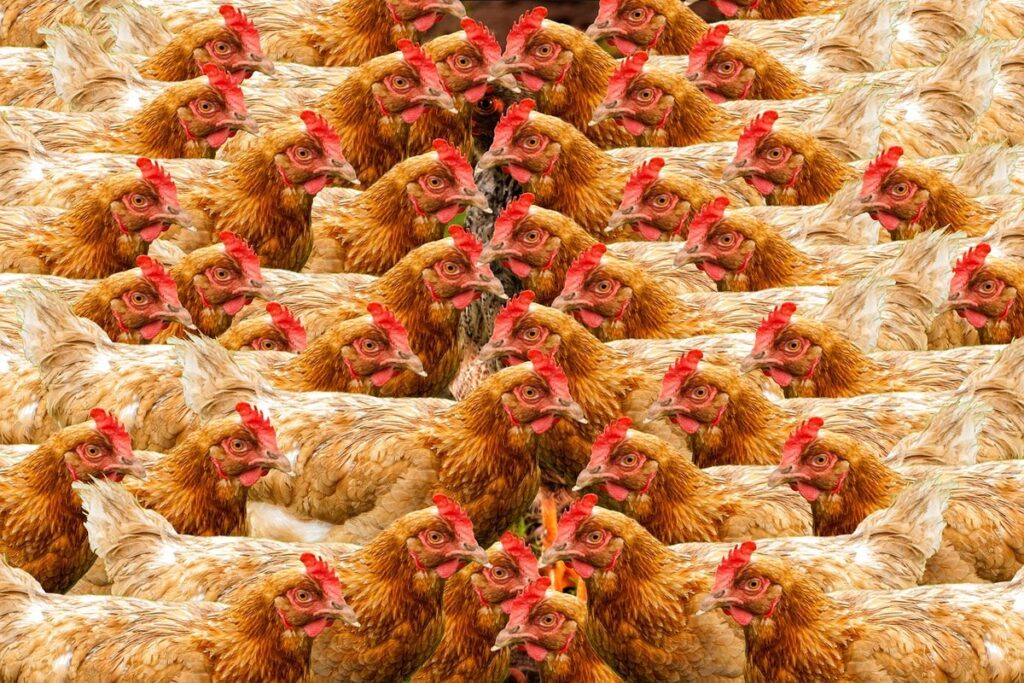
Battery hens are a concern for animal welfare advocates and those considering rehoming ex-battery hens. These hens are typically kept in intensive farming systems where multiple birds are confined to small cages with limited space to move. The conditions can be harsh, with hens often spending their entire lives in these cramped environments.
Confinement is a major issue for battery hens. They may be kept in cages as small as 30 inches by 21 inches, which limits their ability to engage in natural behaviors like foraging and perching. Many are also deprived of natural light, with some farms using artificial lighting systems to stimulate egg production. This can lead to stress, anxiety, and a range of health problems.
As you consider rehoming an ex-battery hen, it’s essential to be aware of these conditions and the potential impact on your new pet. By providing a safe, comfortable environment that allows for natural behaviors, you can help your hen recover from its past experiences. This includes offering plenty of space to roam, access to fresh air and sunlight, and opportunities for exercise and play.
The Welfare Concerns Surrounding Battery Hens
When considering bringing ex-battery hens into your home, it’s essential to understand the potential welfare concerns associated with their previous living conditions. Battery hens are often kept in cramped and unsanitary environments, leading to a range of health issues that can affect their quality of life.
One significant concern is reduced egg production. Due to chronic stress and malnutrition, ex-battery hens may not lay eggs at all, or the eggs they do produce may be smaller and less frequent. Furthermore, these birds are more susceptible to diseases such as respiratory infections and mites, which can be exacerbated by poor living conditions.
As a result of their previous treatment, ex-battery hens often display stress-related behaviors like feather pecking, aggression, and excessive dust bathing. It’s crucial to provide them with a safe and comfortable environment that addresses these concerns. This may involve introducing enrichment activities, providing a spacious coop, and ensuring access to fresh air, water, and nutritious food.
When caring for ex-battery hens, it’s vital to prioritize their health and well-being. By doing so, you can help alleviate their suffering and create a happy, thriving environment for these deserving animals.
Why Rescue Ex-Battery Hens?
You might wonder why rescue ex-battery hens, but these girls have been living in deplorable conditions and deserve a second chance at happy lives. Let’s explore why they need our help.
Benefits of Adopting an Ex-Battery Hen
Adopting an ex-battery hen can have numerous benefits for you and your family. Not only will you be providing a loving home to a hen in need, but you’ll also experience the joy of having these gentle creatures as companions. Studies have shown that interacting with animals, particularly birds, can have a positive impact on mental health. The soothing sounds and visual stimulation provided by hens can help reduce stress levels and improve mood.
If you’re considering adopting an ex-battery hen, you may be wondering how to involve your children in the process. One idea is to create a fun and educational experience by setting up a coop or enclosure for your new feathered friend. This can provide opportunities for your kids to learn about animal care, responsibility, and empathy while enjoying quality time with their new companion.
As an added bonus, ex-battery hens are known to form close bonds with their owners, providing companionship and affection in return for a safe and loving home. By adopting one of these wonderful birds, you’ll not only be giving them a second chance at life but also gaining a loyal friend and confidant.
Tips for Choosing the Right Ex-Battery Hen
When choosing an ex-battery hen, it’s essential to consider her age, temperament, and adaptability. A young hen, typically between 12-18 months old, is often a better choice for inexperienced keepers or those with limited space. These birds are more likely to be energetic and inquisitive, but also easier to train.
On the other hand, older hens may be more docile and laid-back, making them suitable for families with children or individuals who want a low-maintenance pet. However, they might require more care and attention due to potential health issues related to their previous living conditions.
Look for hens that are friendly and curious, but not aggressive. Observe how they interact with people and other animals. Ask the rescue organization about the hen’s history and any known behavioral traits. With proper introduction and socialization, ex-battery hens can thrive in a new environment, bringing joy and companionship to their owners.
It’s also crucial to consider your lifestyle and ability to provide the necessary care for an ex-battery hen. For example, if you have limited space or are away from home frequently, a more laid-back hen might be a better fit.
Preparing Your Home for an Ex-Battery Hen
Before bringing your ex-battery hen home, it’s essential to prepare a safe and welcoming environment that meets her specific needs. This includes setting up a suitable enclosure and providing necessary equipment.
Creating a Safe Environment
When bringing an ex-battery hen into your home, it’s essential to create a safe environment that meets her specific needs. Ex-battery hens often come from cramped and stressful conditions, so providing a spacious and secure area is crucial for their well-being.
Start by ensuring the enclosure is large enough to accommodate your hen’s movement and exercise needs. A good rule of thumb is to provide at least 2-3 square meters of space per bird. This will give her room to roam, stretch her wings, and engage in natural behaviors like pecking and foraging.
Secure fencing is also vital to prevent escape attempts or predator attacks. Use sturdy materials like wood or metal to create a secure perimeter, and ensure the enclosure is at least 1 meter high to deter jumping predators like foxes and dogs.
To protect your hen from aerial predators, consider adding netting or chicken wire to the top of the enclosure. You can also add protective features like roofs or overhangs to provide shelter from the elements and shade. By creating a safe and secure environment, you’ll help your ex-battery hen feel more at ease in her new home.
Essential Supplies for Ex-Battery Hens
When bringing an ex-battery hen home, it’s essential to provide her with all the necessary supplies to ensure a smooth transition and optimal care. Let’s start with the basics:
Food is a crucial aspect of ex-battery hen care. You’ll need to provide a high-quality layer feed that is rich in protein and calcium to support strong egg-laying and overall health. A good quality laying pellets or mash should be the main staple of her diet, supplemented with fresh fruits and vegetables like leafy greens, carrots, and apples. Make sure to provide fresh water at all times, and consider using a waterer that’s easy for her to access.
Bedding is another vital supply you’ll need to provide. Choose a comfortable and dry bedding material like wood shavings or straw to line the coop and run. This will help keep your hen clean and healthy by absorbing droppings and preventing moisture buildup. Don’t forget to change the bedding regularly to maintain cleanliness.
Regular health checks are also essential for monitoring your ex-battery hen’s health. Check her daily for signs of illness, injury, or stress, such as changes in appetite, drooping wings, or lethargy.
Caring for Your Ex-Battery Hen’s Physical Health
When it comes to caring for your ex-battery hen’s physical health, their dietary needs and environment play a crucial role in maintaining their overall well-being. A balanced diet and suitable living space are essential for their continued health.
Nutrition and Hydration Needs
As an ex-battery hen owner, it’s essential to provide your feathered friend with a balanced diet that meets their nutritional needs. A good quality layer pellets should be the main staple of their diet, providing them with the necessary protein, vitamins, and minerals for overall health. However, it’s also crucial to supplement their diet with fresh fruits and vegetables daily, such as leafy greens like kale or spinach, carrots, and berries.
Access to clean water is also vital, so ensure that your hen has a constant supply of fresh water in a clean container. It’s recommended to change the water frequently throughout the day to prevent bacterial growth.
In addition to these basics, mineral supplements may be necessary depending on the quality of the feed or soil. For instance, if you’re raising your hens on pasture, they may require additional calcium and phosphorus for strong bone development. Always consult with a veterinarian or poultry expert before adding any supplements to their diet.
Aim to provide at least 50% of their daily calorie intake from fresh produce, and adjust the amount according to age, breed, and individual needs. This will help ensure your ex-battery hen remains healthy and happy in her new home.
Monitoring Health and Preventing Diseases
Regular health checks are crucial to ensure your ex-battery hen’s physical well-being. Begin by establishing a routine of inspecting her daily, looking for signs of illness or disease such as changes in appetite, lethargy, or labored breathing. Keep an eye out for any visible injuries, wounds, or abscesses on her legs, feet, or underside.
Regular vaccinations are also essential to protect your hen from diseases like Newcastle disease and Infectious Bronchitis. Consult with a veterinarian to determine the best vaccination schedule for your area. Additionally, implement parasite control measures such as mite powder or dusting with diatomaceous earth to prevent internal parasites like worms and coccidia.
Consider keeping a health record for your hen, noting any changes in her behavior, appetite, or physical condition over time. This will help you identify potential issues early on and make informed decisions about treatment or veterinary care if needed. With regular monitoring and preventative measures, you can significantly reduce the risk of disease and ensure your ex-battery hen leads a happy and healthy life.
Enriching Your Ex-Battery Hen’s Life
Now that your ex-battery hen is settled, it’s time to enrich her life and provide a stimulating environment that caters to her natural behaviors. This section explores ways to create a fun and engaging space for her.
Providing Exercise and Mental Stimulation
Providing exercise and mental stimulation is crucial for ex-battery hens to live a happy and healthy life. After being confined to small cages, they need space and activities to stretch their legs, explore, and engage their minds. One of the best ways to do this is by giving them free-range access to a safe outdoor area. This can be as simple as setting up a fenced garden or backyard where they can roam freely.
In addition to free-range time, you can provide puzzle toys filled with treats that challenge your hen’s problem-solving skills. This will keep her engaged and stimulated for hours on end. Scratching posts are also essential for ex-battery hens, allowing them to exercise their legs and stretch their necks while scratching and pecking at the post.
You can also try rotating a variety of toys in and out of your hen’s enclosure to keep things interesting and prevent boredom. For example, you could provide a tumbler filled with food or a hanging feeder that requires her to work for her meals. By incorporating these activities into their daily routine, you’ll be giving your ex-battery hen the exercise and mental stimulation she needs to thrive.
Building a Strong Bond with Your Ex-Battery Hen
Building trust and establishing a strong bond with your ex-battery hen requires patience, consistency, and gentle handling. When you first bring home an ex-battery hen, it’s essential to give her space and allow her to become familiar with her new surroundings. This means providing a quiet area for her to rest and eat without being disturbed.
As she becomes more confident, start introducing gentle handling exercises. Begin by letting her come to you, then gently pet or stroke her while offering treats. Be mindful of your body language and avoid sudden movements that may startle her. Consistency is key: establish a daily routine for feeding, cleaning, and interacting with your ex-battery hen to create a sense of security.
Positive reinforcement training can also help strengthen the bond between you and your ex-battery hen. Use treats or toys to encourage desired behaviors, such as coming when called or stepping onto a perch. By showing patience, empathy, and respect for her needs, you’ll be well on your way to building a trusting relationship with your feathered friend.
Common Challenges Faced by Ex-Battery Hen Owners
As you navigate caring for your ex-battery hen, it’s essential to be aware of the common challenges that can arise, from health issues to behavioral problems. These are often unexpected and can require extra attention.
Stress-Related Behaviors in Ex-Battery Hens
Ex-battery hens often face unique challenges as they adjust to life outside of their former environment. One common issue is stress-related behaviors, which can be detrimental to the hen’s health and well-being if left unaddressed.
Feather pecking, for instance, is a behavior where hens excessively pluck each other’s feathers, leading to injury and discomfort. This can be caused by boredom, lack of stimulation, or even stress related to their past experiences. To prevent feather pecking, provide your hens with plenty of space to roam and engage in activities that stimulate their minds, such as foraging toys filled with treats.
Other common stress-related behaviors include pacing, where hens become anxious and pace back and forth in their enclosure, and egg eating, where they consume eggs instead of laying them. To manage these behaviors, ensure your hens have a balanced diet, adequate exercise, and sufficient space to move around. Providing enrichment activities, such as scratching posts or perches, can also help reduce stress and promote relaxation.
It’s essential to recognize the signs of stress in your ex-battery hen and take prompt action to address them. By creating a nurturing environment that meets their physical and emotional needs, you can help alleviate stress-related behaviors and ensure a happy, healthy life for your hens.
Strategies for Managing Challenging Behavior
When managing challenging behavior in ex-battery hens, it’s essential to create a calm environment that reduces stress and anxiety. This can be achieved by providing a quiet space for them to relax, away from loud noises and other sources of disturbance. You can also try to maintain a regular daily routine, which includes set times for feeding, exercise, and rest.
Redirecting attention is another effective strategy for managing challenging behavior in ex-battery hens. If you notice your hen becoming aggressive or frustrated, redirect her attention to an activity or toy that keeps her occupied. For example, if she’s exhibiting territorial behavior by pecking at the cage bars, try providing a scratching post or a foraging toy filled with treats.
In some cases, challenging behavior may be a sign of underlying health issues or nutritional deficiencies. If you’ve tried all other strategies and your hen continues to exhibit problematic behavior, it’s crucial to seek professional help from an avian expert or a veterinarian specializing in poultry care. They can provide guidance on addressing any potential health issues and offer personalized advice tailored to your hen’s specific needs.
Conclusion: Providing a Second Chance at Happiness
As you embark on caring for an ex battery hen, remember that every moment counts. These birds have endured unimaginable hardships and deserve your compassion and kindness. By providing them with a safe and nurturing environment, you’re giving them a second chance at happiness. Start by creating a haven of peace in their coop, complete with fresh air, clean bedding, and plenty of space to roam. As they settle into their new life, be patient and understanding – it may take time for them to trust and adjust.
By showing love and care, you can help heal the emotional scars of their past. Observe your hen’s unique personality and tailor your approach to her needs. Whether it’s providing enrichment activities or simply offering a warm lap, make every interaction count. With empathy, understanding, and a commitment to their well-being, you’ll be giving these incredible animals a second chance at happiness. And as they thrive under your care, the rewards will far outweigh any challenges – you’ll have the joy of watching them flourish!
Frequently Asked Questions
Can ex-battery hens adapt to a free-range environment with other birds?
Yes, many ex-battery hens can thrive in a free-range environment with other birds, but it’s essential to introduce them slowly and under close supervision. Start by introducing them to a small area with familiar surroundings and gradually increase their access to the main yard.
What should I do if my ex-battery hen develops health issues related to its past conditions?
Monitor your hen’s behavior and health closely, and consult with a veterinarian experienced in caring for rescued birds. They can help you identify potential health concerns and develop a plan to address them. Regular check-ups and preventative care are crucial in helping your hen recover from past neglect.
How long does it take for an ex-battery hen to adjust to its new environment?
Adjustment time varies depending on individual personalities, but most hens require 2-4 weeks to settle into their new surroundings. Provide a stress-free transition by introducing them gradually to their new enclosure and family members.
Can I keep multiple ex-battery hens together in the same coop?
It’s possible to keep multiple ex-battery hens together, but you must ensure they have enough space, food, water, and individual attention. Some birds may require separate quarters or have conflicting personalities, so it’s crucial to observe their behavior before introducing them as a group.
What are some common warning signs of stress in ex-battery hens?
Look for changes in appetite, feather loss, lethargy, or increased aggression as potential indicators of stress in your hen. Consult with a veterinarian if you notice any unusual behavior, and work on creating a calm environment by providing adequate space, social interaction, and enrichment activities.