
Composting deceased chickens is a responsible way to manage waste from your backyard flock, reducing the environmental impact of their passing. As a chicken keeper, you’re likely familiar with the challenges of dealing with dead birds – and it’s not just about disposing of them quickly. By composting their manure, you can create nutrient-rich fertilizer for your garden, promoting healthy plant growth and minimizing waste. In this comprehensive guide, we’ll walk you through best practices, methods, and uses of composted chicken manure. You’ll learn how to safely process the bodies, balance carbon-to-nitrogen ratios, and even use the finished compost as a natural pest deterrent or soil conditioner. By following our expert advice, you can turn what was once waste into a valuable resource for your garden.
Benefits and Necessity of Composting
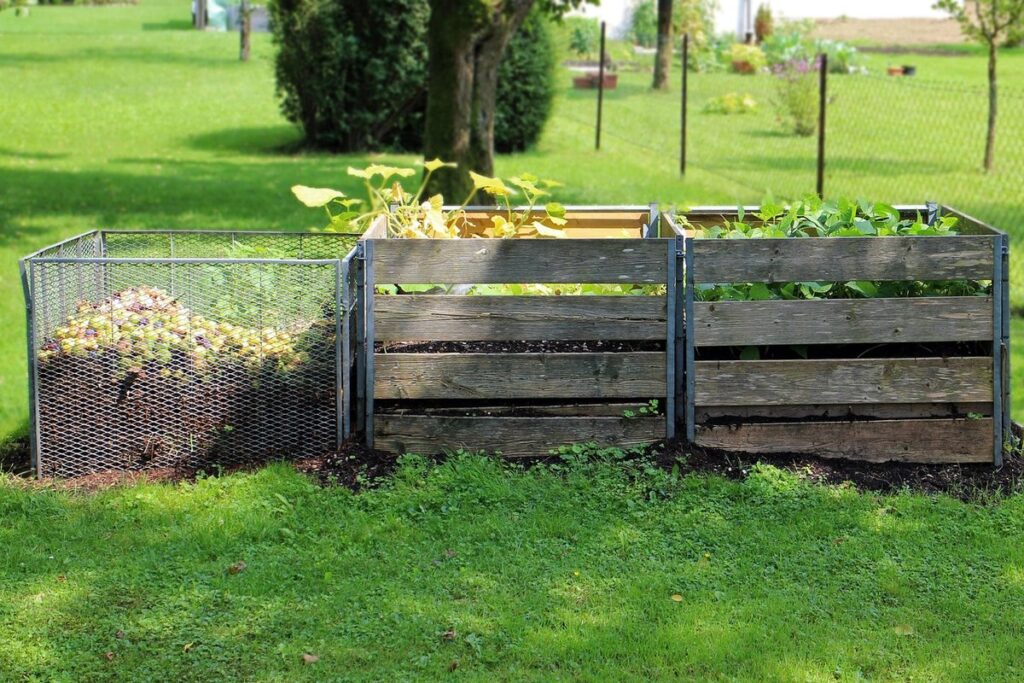
Composting deceased chickens can have numerous benefits, from reducing waste to creating nutrient-rich soil for your garden. Let’s explore the advantages of composting chicken remains in more detail.
Reducing Waste and Environmental Impact
When you compost deceased chickens, you’re not only turning a problematic waste into a valuable resource but also making a significant contribution to minimizing waste and reducing environmental harm. In the US alone, it’s estimated that over 2 million tons of poultry waste ends up in landfills each year.
Composting deceased chickens helps divert this massive amount of organic material from landfills, where it would otherwise contribute to greenhouse gas emissions and soil degradation. By composting these birds, you’re creating a nutrient-rich fertilizer that can help replenish depleted soils, promoting healthy plant growth and reducing the need for synthetic fertilizers.
To minimize waste and environmental impact, it’s essential to follow proper composting procedures. This includes ensuring adequate carbon-to-nitrogen ratios, maintaining optimal moisture levels, and monitoring temperature. By doing so, you’ll not only create a high-quality compost but also prevent potential odors, pests, and environmental concerns associated with improper composting practices.
Remember, every deceased chicken counts – the smaller steps we take towards sustainable resource management can collectively make a significant difference in reducing waste and mitigating our ecological footprint.
Legal and Regulatory Considerations
When it comes to composting deceased chickens, understanding the relevant laws and regulations is crucial. As the practice of composting animal matter becomes increasingly accepted as a sustainable waste management strategy, many jurisdictions have established guidelines for its implementation.
The specific requirements vary depending on your location, so it’s essential to research and familiarize yourself with local regulations. In some areas, you may need permits or licenses to collect and process chicken carcasses for composting. For example, in the United States, the Environmental Protection Agency (EPA) recommends that individuals check with their state or local government for specific requirements.
Additionally, certain pathogens, such as Salmonella, can pose a risk to human health if not properly managed during the composting process. As such, some jurisdictions may require testing and monitoring of the finished compost product. It’s crucial to stay informed about the regulations in your area to ensure compliance and avoid potential fines or penalties.
When in doubt, consult with local authorities or industry experts to guide you through the process.
Health and Safety Precautions
When handling deceased chickens, it’s essential to take necessary precautions to prevent the spread of diseases and contamination. This is particularly crucial when composting, as it can pose a risk to humans, animals, and the environment.
Firstly, make sure to wear personal protective equipment (PPE) such as gloves, masks, and eye protection. These will help prevent contact with potentially hazardous bacteria like Salmonella and E. coli. Wash your hands thoroughly before and after handling deceased chickens or composting materials.
When collecting the chicken, ensure it is stored in a dedicated container or bag to prevent cross-contamination. It’s also crucial to maintain good hygiene practices throughout the process. Regularly clean and disinfect equipment, tools, and work surfaces with a solution of 1 part bleach to 10 parts water.
To further minimize risks, consider composting the chicken at a location separate from your garden beds or other food sources. This will prevent any potential pathogens from spreading to edible plants or other animals on-site. Regularly monitoring temperature, moisture levels, and carbon-to-nitrogen ratios can also help mitigate risks during the composting process.
Keep in mind that even after composting, it’s essential to let the material age for several months before using it as fertilizer. This will allow any remaining pathogens to break down completely, ensuring a safe end-product for your garden.
Choosing the Right Composting Method
When it comes to composting deceased chickens, selecting the right method is crucial for both effectiveness and sanitation. We’ll walk you through the key factors to consider in this section.
Dry Composting: A Low-Maintenance Option
Dry composting is an excellent low-maintenance option for composting deceased chickens. This method involves allowing the natural decomposition process to break down the chicken’s body without adding excessive moisture. To ensure successful dry composting, it’s essential to maintain a proper carbon-to-nitrogen (C:N) ratio.
Aim for a C:N ratio of 25:1 or higher by mixing in materials high in carbon content, such as shredded newspaper, cardboard, or straw, into the pile. This will help balance out the nitrogen-rich chicken material and prevent unpleasant odors. Turning the pile periodically is also crucial to aerate it and promote decomposition.
Monitoring temperature is another vital aspect of dry composting. Aim for temperatures between 130°F and 140°F (54°C and 60°C) – this indicates that the natural decomposition process is underway. Be patient, as this method can take anywhere from a few weeks to several months, depending on factors such as pile size, temperature, and moisture levels.
Wet Composting: A Faster Processing Approach
Wet composting is an efficient method for breaking down deceased chickens, especially when done correctly. To begin with, aeration is crucial to prevent anaerobic conditions that can lead to unpleasant odors and pathogens. You can introduce air by regularly turning the pile or using a compost aerator.
Moisture management is another critical aspect of wet composting. The ideal moisture level for this process is between 50-75%. If the pile gets too dry, it may slow down decomposition, while excessive water can lead to leachate and attract pests. Monitor the pile’s temperature and adjust its moisture as needed.
Bulking agents like straw or wood chips can also be used to maintain a balance between carbon-rich materials (like chicken waste) and nitrogen-rich ones (like food scraps). Aim for 2/3 carbon sources and 1/3 nitrogen sources in your compost pile. With proper care, wet composting can break down deceased chickens within 10-14 days, resulting in rich fertilizer for your garden.
Vermicomposting: Using Worms for Nutrient-Rich Compost
If you’re looking for an alternative method to compost deceased chickens, vermicomposting might just be the answer. Vermicomposting is a process that involves using worms to break down organic matter into nutrient-rich compost. It’s a great option when you need to manage large quantities of chicken waste quickly and efficiently.
Here’s how it works: worms are added to a controlled environment, where they feed on the chicken carcasses and other organic materials. The worm castings produced through this process are then collected and used as fertilizer. Vermicomposting is ideal for small-scale operations or for those who want to produce high-quality compost quickly.
To set up a vermicomposting system for deceased chickens, you’ll need to provide a suitable environment with adequate ventilation, moisture, and temperature control. This can be achieved by using a worm bin or container specifically designed for vermicomposting. With proper care and maintenance, worms can efficiently process large quantities of chicken waste in just a few weeks.
When done correctly, vermicomposting can produce compost that’s not only rich in nutrients but also free from pathogens. This makes it an attractive option for those who want to minimize the risk of disease transmission associated with traditional composting methods.
Preparing Deceased Chickens for Composting
Before adding your deceased chickens to the compost pile, you’ll need to prepare them properly, which involves cleaning and breaking down their bodies. This process may seem daunting but is crucial for creating a healthy compost mix.
Proper Handling and Disposal of Carcasses
When handling deceased chickens for composting, it’s crucial to maintain hygiene and take necessary precautions to prevent contamination. This not only ensures a safe working environment but also preserves the quality of the finished compost.
To transport carcasses safely, use a dedicated container or bag with secure fastening. Line the container with a leak-proof liner or plastic sheet to facilitate easy cleaning and disposal. When carrying the carcass, avoid direct contact with your skin, instead, wear gloves and consider using a tarp or blanket for added protection.
Proper storage of deceased chickens is equally important. Store them in a well-ventilated area, away from living animals and human habitation. Keep the area clean and dry to prevent moisture accumulation, which can lead to unpleasant odors and attract pests. Finally, make sure the carcasses are properly covered with a breathable material, such as burlap or a mesh screen, to maintain airflow and deter scavengers.
Remember, thorough cleaning of equipment, containers, and working surfaces is essential after handling deceased chickens. This will prevent the spread of diseases and ensure a safe composting process.
Removing Inedible Parts and Accessories
When preparing deceased chickens for composting, it’s essential to remove any inedible parts and accessories before adding them to your compost pile. These items can contaminate the compost and even attract pests.
First, start by removing feathers, beaks, and claws as they are not suitable for human consumption or composting. You can either dispose of them separately or compost them separately if you have a dedicated “green” compost bin. Be sure to bury these items deeply in your compost pile to prevent any potential odors or pests.
Next, remove any accessories such as collars, tags, and other identification materials. These are not biodegradable and can contaminate the compost. You can recycle them or properly dispose of them.
Some additional tips to keep in mind include:
* Check for any metal parts, such as snap locks on collars, which should be removed before composting.
* Remove any plastic or synthetic materials that may leach chemicals into the compost.
* Consider using a dedicated compost bin for deceased chickens to prevent cross-contamination with other compost materials.
Deboning and Disassembling Carcasses
Deboning and disassembling chicken carcasses is an essential step in preparing them for composting. This process not only facilitates efficient decomposition but also minimizes the risk of attracting pests and creating unpleasant odors. To debone a chicken, start by removing the giblets and any visible organs from the cavity. Next, use kitchen shears or a sharp knife to cut through the joints, releasing the wings, legs, and thighs from the body.
Once separated, disassemble the carcass into smaller parts, such as wing tips, drumsticks, and breast meat. You can also break down larger bones like the femur and tibia into smaller fragments using a hammer or bone crusher. This will help to increase the surface area of the material, allowing microorganisms to colonize and break it down more efficiently.
Consider using gloves when handling the carcass to prevent bacterial contamination. It’s also essential to keep the disassembled parts separate from each other to maintain good airflow and promote even decomposition. By following these steps, you’ll be able to prepare your deceased chickens for composting in a safe and efficient manner.
Composting Process and Monitoring
Now that we’ve covered the basics of setting up a composting system, let’s dive into the nitty-gritty of the composting process itself. This involves breaking down your deceased chickens’ remains and monitoring their transformation into nutrient-rich fertilizer.
Initial Setup and Carbon-to-Nitrogen Ratios
When setting up a compost pile for deceased chickens, it’s essential to create an optimal environment for decomposition. To achieve this, you’ll need to balance the carbon-to-nitrogen ratio (C:N) in your pile.
A general rule of thumb is to aim for a C:N ratio between 20:1 and 30:1. This means that for every part brown “carbon-rich” materials like straw or shredded newspaper, you’ll add one part green “nitrogen-rich” materials like chicken manure or kitchen scraps. For example, if you’re using 10 pounds of straw as your carbon source, you’ll need about 0.3-0.5 pounds of chicken manure as the nitrogen source.
Bulking agents can also be added to help improve airflow and speed up decomposition. Examples include coconut coir, chopped wood chips, or even shredded cardboard. Aim for about 20-30% bulking agent material in your pile to maintain adequate oxygen flow. Keep in mind that deceased chickens will have a higher nitrogen content than other composting materials, so be cautious not to overdo it with too many green materials.
Turning and Aerating the Compost Pile
When it comes to composting deceased chickens, regular turning and aeration are crucial steps that ensure optimal decomposition. By maintaining oxygen flow, you’ll speed up the process and create nutrient-rich compost for your garden.
Imagine a large pile of rotting chicken waste, but without any air circulation. It’s like a stagnant pond – no life-giving oxygen means anaerobic conditions prevail. This leads to unpleasant odors, slowed decomposition, and potentially pathogenic microorganisms that can harm plants or even humans.
To prevent this, turn your compost pile regularly (about every 7-10 days) using a shovel or pitchfork. Mix the layers of chicken waste with bedding material like straw or hay. Aerate the pile by breaking up clumps and introducing fresh air. You can also use tools like compost aerators or simply stomp on the pile to inject oxygen.
A well-oxygenated compost pile will heat up, decomposing faster and producing fewer odors. Monitor your pile’s temperature – it should reach around 130-140°F (54-60°C) within a few days of turning. This is a sign that microorganisms are actively breaking down the chicken waste into nutrient-rich compost.
Monitoring Temperature and Moisture Levels
Monitoring temperature and moisture levels is crucial to ensure healthy composting processes. You’ll want to check these parameters regularly, especially during the initial stages of decomposition. A general rule of thumb is to maintain a temperature range between 130°F and 140°F (54°C – 60°C) for optimal microbial activity.
To monitor temperature, you can use a compost thermometer or even an oven thermometer buried in the pile. For moisture levels, aim for a mix that’s similar to a damp sponge – not soaking wet, but also not dry as dust. Overly dry conditions can slow down decomposition, while excessive moisture can lead to anaerobic conditions and unpleasant odors.
It’s also essential to maintain adequate oxygen flow within the compost pile by ensuring it’s not too compacted. Regular turning of the pile will help facilitate airflow and speed up the decomposition process. Aim for a mix of 25-30% carbon-rich materials, 10-20% nitrogen-rich materials, and 60-70% “brown” materials like dried leaves or straw.
By monitoring these parameters, you’ll be able to create an ideal environment for efficient composting, reducing the risk of pathogen survival and ensuring a nutrient-rich end product.
End Products and Uses
Once you’ve composted your deceased chickens, what can you do with the nutrient-rich end product? This section explores its uses around the home and garden.
Nutrient-Rich Compost: Analysis and Applications
Finished compost made from deceased chickens is an excellent nutrient-rich resource for gardening. Analyzing its properties reveals a complex mixture of beneficial compounds. The pH level of the finished compost typically ranges between 6 and 7, making it suitable for most plants. This balanced pH supports optimal microbial activity, ensuring the degradation of organic matter.
The nutrient content in chicken-based compost is substantial, with high levels of nitrogen (N), phosphorus (P), and potassium (K). These essential macronutrients promote healthy plant growth, from seed germination to fruit ripening. A 1:10 ratio of “chicken” to “dry materials” composting mix can yield approximately 15-20% N, 3-5% P, and 4-6% K.
Chicken-based compost can be used as a top dressing for existing plants or mixed into potting mixes for new seedlings. When applied correctly, this nutrient-rich resource improves soil structure, increases water retention capacity, and suppresses diseases. In garden beds with poor fertility, incorporate 2-3 inches of chicken compost to rejuvenate the soil ecosystem.
To integrate chicken compost effectively, consider adding it in autumn or early spring when plants are dormant. This allows the beneficial microbes to establish themselves before the growing season begins.
Using Composted Chicken Manure as Fertilizer
Using composted chicken manure as fertilizer is a great way to give back to your farm or garden while minimizing waste. Composting deceased chickens provides a nutrient-rich natural resource that can be reused to promote healthy plant growth.
Composted chicken manure has a high nitrogen content, which makes it an excellent fertilizer for plants that require plenty of nutrients to thrive. It also contains other essential micronutrients like phosphorus and potassium that support root development and overall plant health. For instance, tomatoes are known to love the extra boost from composted chicken manure, resulting in larger fruit size and increased yields.
However, there are a few limitations to consider when using composted chicken manure as fertilizer. Since it’s high in nitrogen, you’ll need to balance its use with other organic matter that’s low in nitrogen but rich in carbon. This prevents an overabundance of ammonia production, which can damage plant roots and harm the soil ecosystem.
To safely use composted chicken manure as fertilizer:
* Mix it with aged bedding materials like straw or wood shavings to dilute its nutrient levels.
* Apply it during the growing season when plants are actively taking in nutrients.
* Start with small amounts and gradually increase usage based on plant response.
Potential Uses Beyond Composting
While composting deceased chickens is an excellent way to manage waste and create nutrient-rich soil, it’s not the only use for these valuable resources. In fact, composted chicken products can be further processed into various end-products that offer significant benefits.
One potential use is as animal feed, particularly for poultry and livestock. Composted chicken meal can provide essential protein, fiber, and other nutrients, making it an attractive alternative to traditional grain-based feeds. This not only reduces the carbon footprint of meat production but also promotes more sustainable farming practices. For instance, a study by the University of Florida found that incorporating composted chicken into broiler diets improved growth rates and reduced greenhouse gas emissions.
Composted chicken products can also be converted into biofuels, offering a clean and renewable energy source. This process involves processing the compost into a biogas, which can be used to power vehicles or generate electricity. While still in its infancy, this technology holds tremendous potential for reducing our reliance on fossil fuels and mitigating climate change.
When exploring these alternative uses, it’s essential to consider local regulations and market demand. Consulting with experts and conducting thorough feasibility studies will help ensure a smooth transition from composting to end-product manufacturing.
Frequently Asked Questions
Can I compost deceased chickens if they’ve been exposed to disease or pesticides?
No, it’s crucial to handle deceased birds safely to avoid contamination of the compost pile. If a chicken has died from a disease or been treated with pesticides, it’s best to contact local authorities for guidance on proper disposal methods.
How do I balance carbon-to-nitrogen ratios in my compost pile when dealing with high-nitrogen animal waste?
When using deceased chickens in your compost pile, it’s essential to maintain the right carbon-to-nitrogen ratio. Aim for a mix of 2/3 “brown” materials (e.g., straw, leaves) and 1/3 “green” materials (e.g., chicken manure). Monitor temperature and moisture levels to ensure optimal decomposition.
What if I notice unpleasant odors or pests in my compost pile? How can I troubleshoot these issues?
Unpleasant odors or pest infestations often indicate imbalanced carbon-to-nitrogen ratios, inadequate aeration, or excess moisture. Check your pile’s temperature (ideal range: 130°F – 140°F) and adjust as needed. Add more “brown” materials to balance out the pile, or increase turning frequency for better aeration.
Can I use composted chicken manure as fertilizer in my vegetable garden without risk of over-fertilizing?
Composted chicken manure is rich in nutrients but can be over-fertilizing if not used judiciously. Start with small amounts (about 1/4 inch layer) and mix into the soil well before planting. Avoid applying composted manure to newly sown seeds, as it may inhibit germination.
Are there any specific considerations when composting deceased chickens in cold climates or during winter months?
Composting in cold climates requires extra precautions. Ensure your pile receives adequate moisture (but not waterlogging) and protection from freezing temperatures. Consider using a heated compost bin or relocating the pile to a protected area, like a greenhouse. Monitor temperature and adjust as necessary to maintain optimal decomposition conditions.