
Are you a homesteader or small-scale farmer looking to boost your egg production? With so many breeds to choose from, it can be overwhelming to decide which ones are right for you. But don’t worry, we’ve got you covered! Whether you’re a seasoned expert or just starting out, understanding the best egg-laying breeds is crucial for optimizing your farm’s output.
In this article, we’ll delve into the top breeds for small-scale farming and homesteading, highlighting their characteristics, pros, and cons. We’ll explore how to choose the right breed for your needs and environment, from temperature tolerance to feed efficiency. From Leghorns to Marans, we’ll cover it all – so you can pick the perfect birds for your farm and start collecting those eggs in no time!
Understanding Egg Production in Different Breeds
As you explore egg production by breed, it’s essential to understand how different breeds perform when it comes to laying eggs, each with its unique strengths and weaknesses. Let’s dive into some of the top performers.
Factors Affecting Egg Production in Various Breeds
When it comes to egg production, different breeds exhibit varying levels of productivity. Genetics play a significant role in determining an individual chicken’s egg-laying abilities. For instance, Leghorns are renowned for their high-egg-counts due to selective breeding over the years. In contrast, Orpingtons, known for their rich flavor and large size, tend to lay fewer eggs than Leghorns.
Nutritional factors also have a considerable impact on an individual chicken’s egg production. Chickens require a balanced diet that includes essential nutrients such as protein, calcium, and phosphorus. Ensuring access to high-quality feed, supplemented with additional minerals and vitamins if necessary, is crucial for optimal egg production. It’s worth noting that overfeeding can lead to decreased egg quality rather than increased quantity.
Management practices also influence an individual chicken’s ability to produce eggs efficiently. Factors such as light exposure, temperature control, and space allocation all contribute to a chicken’s overall health and productivity. Regular monitoring of flock health, including vaccination schedules and parasite control measures, is essential for maintaining high levels of egg production throughout the year.
Breed-Specific Egg-Laying Capacities
When it comes to egg production, different breeds of chickens have varying capacities. Let’s take a look at some popular breeds and their average egg-laying capabilities.
Leghorns are known for being prolific layers, producing around 280-300 eggs per year. They’re one of the most common breeds kept by backyard chicken enthusiasts due to their high egg production and relatively small size. Rhode Island Reds, on the other hand, produce around 200-220 eggs annually, making them a popular choice for commercial egg farms.
Plymouth Rock chickens are another popular breed, laying an average of 200-220 eggs per year. They’re known for their friendly demeanor and hardiness, making them a great choice for backyard flocks.
If you’re looking to increase your flock’s overall egg production, consider breeding these high-producing birds together or introducing new breeds into your existing flock. Keep in mind that individual bird performance can vary depending on nutrition, health, and living conditions. Providing a balanced diet, adequate space, and proper care will help maximize each bird’s potential.
Some breeds are naturally more prone to laying eggs than others. When choosing which breed to keep, consider the egg production needs of your household and select breeds that meet those demands.
Top Egg-Producing Breeds for Backyard Flocks
If you’re looking to boost your backyard flock’s egg production, you’ll want to consider these top-performing breeds that consistently deliver. Let’s take a closer look at their impressive abilities.
Best Breeds for Small-Scale Farmers and Homesteaders
If you’re a small-scale farmer or homesteader looking to boost your egg production, there are several top-performing breeds that thrive in smaller spaces. One of the most popular choices among backyard flock owners is the Leghorn breed. These birds are known for their high egg-laying capacity, producing an average of 280-300 eggs per year.
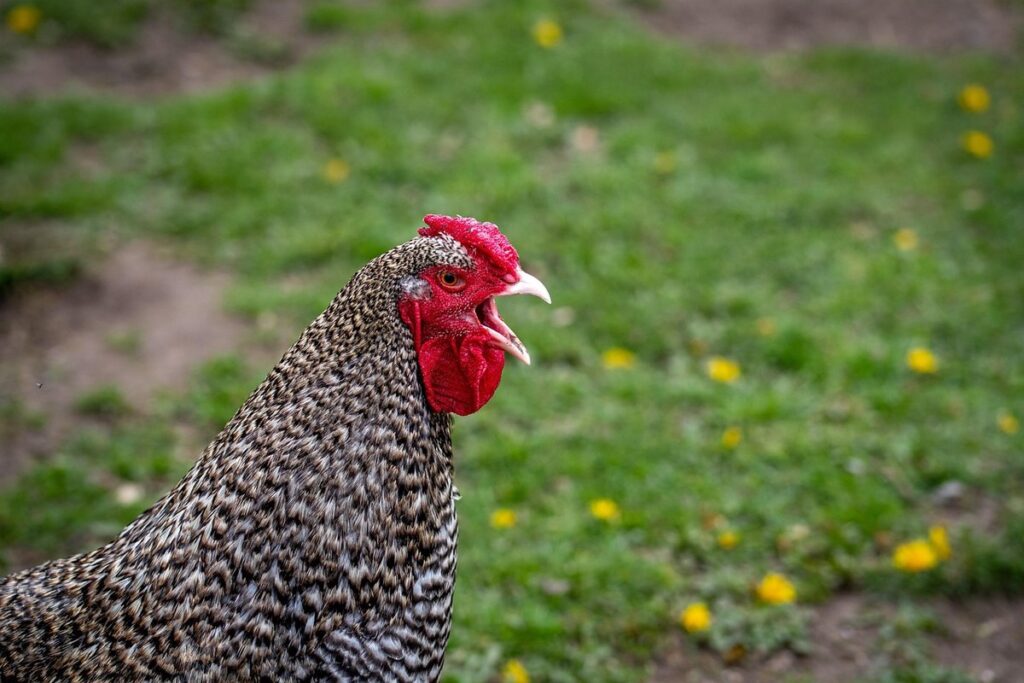
Another great option is the Barred Plymouth Rock, which lays around 200-220 eggs annually. Their hardiness and friendly demeanor make them an excellent choice for small-scale farmers who want a low-maintenance yet productive flock.
For those with even smaller spaces or looking for a more compact bird, consider the Silkies or Polish breeds. These miniature birds may not produce as many eggs (around 100-150 per year), but they’re perfect for garden coops and make great companions.
When choosing an egg-producing breed for your small-scale farm or homestead, consider factors like climate adaptability, space requirements, and personal preferences. With the right breed selection and proper care, you can enjoy a bountiful harvest of fresh eggs from your backyard flock.
Characteristics of High-Egg Producing Breeds
High egg production is not just about genetics; it also depends on the breed’s characteristics. When selecting breeds for a backyard flock, consider their temperament, foraging ability, and fertility.
Temperament plays a significant role in determining a breed’s overall productivity. Friendly, docile breeds are often easier to manage and handle, allowing them to focus on laying eggs rather than fighting with other birds. For example, Leghorns are known for their high egg production, but they can also be quite skittish and flighty. If you’re looking for a breed that’s easy to work with, consider Orpingtons or Plymouth Rock.
Foraging ability is another crucial characteristic of high-egg producing breeds. Breeds like Marans and Barred Rocks are naturally good foragers and tend to roam further in search of food, which can lead to increased egg production. On the other hand, breeds that rely on commercial feed may not have the same level of fertility.
A breed’s fertility is also a determining factor in their overall productivity. Some breeds, like Araucanas and Ameraucanas, are known for their high fertility rates due to their natural ability to lay double yolks.
Breed-Specific Egg Quality and Size
When it comes to egg production, different breeds have varying levels of success, ranging from prolific layers to modest producers. In this section, we’ll explore how breed affects egg quality and size.
Factors Affecting Egg Size and Shape
Egg size and shape are influenced by a combination of genetic, nutritional, and management factors. Genetics play a significant role, as different breeds have been selectively bred for specific egg characteristics. For instance, Leghorn eggs tend to be larger and ovaler due to their high egg production capacity, while Orpingtons lay smaller, more rounded eggs.
Nutrition also affects egg size and shape. A balanced diet rich in calcium and other essential nutrients is crucial for optimal eggshell formation. However, over-supplementation with certain minerals can lead to oversized or misshapen eggs. It’s essential to maintain a precise nutritional balance tailored to the breed’s specific needs.
Management practices also impact egg quality. Housing, lighting, and temperature conditions can influence stress levels, which in turn affect egg size and shape. For example, providing adequate space per bird can reduce stress and promote more uniform egg sizes. By understanding these factors, you can take steps to optimize your flock’s egg production and achieve the desired breed-specific characteristics.
Breed-Specific Egg Shell Quality
When it comes to egg production, breed-specific characteristics can also affect the quality of egg shells. Let’s take a closer look at some popular breeds and their unique egg shell traits.
The Leghorn breed is known for its light brown or white eggs with thin shells. Their eggshells are less dense than those from other breeds, which makes them more prone to cracking. In contrast, the Marans breed produces dark brown eggs with thicker, stronger shells that can withstand rough handling. If you’re planning to incubate your eggs, the extra thickness of these shells can be a real advantage.
Another important factor is shell texture. Some breeds produce eggs with smooth, glossy shells, while others have more textured or ridged ones. For example, the Silkies breed produces eggs with distinctive brown speckles and a rougher texture than many other breeds. These unique characteristics don’t affect egg quality, but they can impact how easily eggs are transported or stored.
In addition to shell thickness and texture, some breeds also produce eggs with varying levels of pigmentation. For instance, the Araucana breed is known for its blue or green eggs due to a genetic trait that affects the way melanin is produced in their shells. Whether you’re raising your chickens for egg production or simply want to know more about these amazing birds, understanding breed-specific characteristics can help you make informed decisions about your flock.
Hybrid Breeds for Commercial Egg Production
If you’re looking to maximize your egg production, hybrid breeds are a popular choice among commercial farmers due to their high egg-laying capacity and strong disease resistance. Let’s take a closer look at some of these exceptional hybrids.
Characteristics of Popular Hybrid Breeds
When it comes to commercial egg production, several hybrid breeds have proven themselves to be top performers. These breeds are often the result of crossing two purebred lines to create a bird that excels in specific areas such as productivity, temperament, and disease resistance.
The following are some of the most popular hybrid breeds used in commercial egg production:
* Leghorn x Rhode Island Red: This cross combines the high egg-laying ability of the Leghorn with the hardiness and ease of management of the Rhode Island Red.
* Barred Plymouth Rock x Leghorn: This breed offers excellent egg production, disease resistance, and a docile temperament, making it a popular choice for large-scale operations.
* ISA Brown x Lohmann Brown: These birds are known for their high egg-laying capacity, with some individuals producing up to 300 eggs per year.
When choosing a hybrid breed for commercial egg production, consider factors such as climate, feed costs, and local regulations. It’s also essential to assess the specific needs of your operation and select a breed that aligns with those requirements. By doing so, you can optimize egg production while maintaining a healthy and productive flock.
Pros and Cons of Using Hybrid Breeds
Using hybrid breeds for commercial egg production can be a double-edged sword. On one hand, they offer several benefits that make them an attractive option for large-scale farmers. For instance, hybrid breeds are bred specifically for high egg production and often lay more eggs per year than purebred chickens. This means you can expect higher yields from your flock, which is essential for meeting the demands of a commercial operation.
Another advantage of using hybrid breeds is their ability to adapt quickly to new environments. Since they’re developed by crossing two distinct breeds, they tend to inherit desirable traits like disease resistance and heat tolerance from one parent and egg-laying prowess from another. This makes them more resilient in challenging conditions, reducing the need for expensive vaccinations or other health interventions.
However, there are also some drawbacks to consider. One of the main concerns is that hybrid breeds often don’t thrive as well in free-range or organic systems, where their intense focus on laying eggs can leave them vulnerable to predators and parasites. Additionally, because they’re bred specifically for egg production, many hybrid breeds have a shorter lifespan than purebred chickens, which can impact your long-term profitability.
Breed Selection for Small-Scale Egg Production
When it comes to small-scale egg production, choosing the right breed is crucial for success. Let’s explore some of the top breeds that are perfect for producing eggs in a backyard setting.
Factors to Consider When Selecting an Egg-Laying Breed
When selecting an egg-laying breed for small-scale production, there are several key factors to consider. First and foremost, think about space requirements. Some breeds, like Leghorns, are compact and require minimal space per bird, making them ideal for backyard flocks or small farms with limited acreage.
However, larger breeds such as Orpingtons and Plymouth Rock require more room to roam, so it’s essential to ensure you have enough space to accommodate their needs. Feed costs are another crucial consideration. Breeds like Marans and Australorps tend to eat less than others, which can help reduce feed expenses over time.
Management needs should also be taken into account. Some breeds, such as Silkies, require extra care due to their delicate nature, while others like Rhode Island Reds are relatively low-maintenance. By considering these factors, you’ll be able to choose a breed that not only meets your egg production goals but also fits within your resources and management capabilities.
When evaluating breeds, research their specific needs and characteristics to ensure they align with your operation’s requirements. For example, if you’re planning to sell eggs directly to consumers, breeds known for their high-quality eggs or unique appearances may be more marketable than others.
Tips for Integrating New Breeds into Your Flock
When introducing new breeds to your flock, it’s essential to consider their compatibility with existing birds. For instance, some breeds are naturally more aggressive than others and may not get along with the birds they’re being added to. Take Leghorns, for example – these high-producing hens can be quite dominant and might bully other birds. To avoid conflicts, start by separating the new breed in a separate enclosure until you’ve observed their behavior around existing birds.
Once the new breed has been integrated, introduce them gradually, allowing each bird to become familiar with one another’s presence. Monitor their interactions closely and intervene if necessary to prevent any fighting or stress on either side. It’s also crucial to ensure that your new additions have enough space and resources to avoid competition for food and water.
When integrating breeds, it’s also a good idea to keep similar-aged birds together to reduce stress and maintain social order within the flock.
Managing Egg Production in Different Environments
When it comes to managing egg production, different environments can greatly impact your flock’s performance. Let’s explore how various settings affect laying rates and overall productivity.
Climate-Related Factors Affecting Egg Production
Climate-related factors significantly impact egg production, making it crucial for breeders and farmers to understand their effects. Temperature plays a vital role, with extreme heat (above 28°C/82°F) and cold stress negatively affecting fertility and overall health. In contrast, moderate temperatures between 15-25°C (59-77°F) promote optimal egg production.
Humidity levels also affect egg quality, particularly in hot climates where high humidity can lead to dirty eggs due to excessive moisture on the feathers. On the other hand, low humidity may cause egg white and yolk separation issues. Maintaining a balanced humidity level between 40-60% ensures better egg quality and reduces the risk of contamination.
Sunlight exposure is another critical factor, with adequate UV light essential for vitamin D3 production in chickens. However, excessive sunlight can lead to heat stress, compromising egg production and health. Breeding farms should provide sheltered areas or adjust coop designs to optimize natural lighting while minimizing heat gain.
In practical terms, farmers can manage climate-related factors by adjusting feeding schedules, providing shade and ventilation, and implementing cooling systems during extreme heatwaves. Regular monitoring of temperature, humidity, and sunlight exposure is also essential for maintaining optimal egg production levels.
Management Strategies for Optimal Egg Production
To optimize egg production, it’s essential to understand that different breeds require tailored management strategies. For instance, Leghorns are prolific layers but need plenty of space and a well-ventilated coop to prevent stress-related issues. In contrast, Orpingtons are slower producers but prefer a more relaxed environment with ample food and water.
When managing egg production, consider the following key factors:
* Temperature control: Ensure the coop remains between 40°F and 80°F (4°C and 27°C) for optimal egg production.
* Lighting: Provide adequate natural light or supplement with artificial lighting to simulate a 14-hour day cycle.
* Nutrition: Feed high-quality layer feed, and consider adding calcium supplements to support strong shell development.
* Hygiene: Maintain clean living conditions to prevent disease and stress.
By implementing these strategies and tailoring them to your breed’s specific needs, you can expect improved egg production rates. For example, a study found that providing adequate space and ventilation increased egg production in Leghorns by 20%. Similarly, ensuring optimal nutrition and hygiene practices resulted in a 15% increase in Orpington egg production.
Conclusion: Choosing the Right Breed for Your Needs
In conclusion, choosing the right breed for your needs is crucial for successful chicken egg production. With so many breeds available, it’s essential to consider factors such as climate, space, and personal preferences when making a decision. For example, if you live in a hot and humid climate, breeds like Leghorns or Rhode Island Reds are ideal due to their heat tolerance and high egg-laying capacity. On the other hand, if you have limited space, consider breeds like Silkies or Polish which are compact and produce fewer eggs but still offer a unique charm. By considering your specific needs and circumstances, you can select a breed that will thrive in your environment and provide you with a steady supply of fresh eggs.
Frequently Asked Questions
How do I determine the ideal breed for my farm’s climate?
Conduct research on temperature tolerance, humidity levels, and other climate-related factors to identify breeds that thrive in your specific environment. Consult with local farmers or poultry experts to gain insight into which breeds perform well in your area.
What are some tips for introducing new breeds to an existing flock?
When integrating new breeds, ensure a gradual introduction process to prevent stress on the birds. Monitor their behavior and adjust feeding schedules accordingly. It’s also essential to maintain breed-specific health requirements and vaccination protocols.
Can I cross-breed chickens from different breeds to improve egg production?
Yes, crossing chickens can result in improved egg-laying capacities due to hybrid vigor. However, it’s crucial to understand the genetic implications of cross-breeding and potential variations in egg size, quality, and quantity.
How do I manage egg production fluctuations during seasonal changes?
Egg production is naturally affected by daylight hours and ambient temperatures. To mitigate these effects, consider providing supplemental lighting or shelter modifications that promote a stable environment for your birds.
What are some common health issues to watch out for in high-egg-producing breeds?
Leghorns, Marans, and other high-production breeds are prone to health issues like reproductive problems, keel bone fractures, and respiratory diseases. Regular veterinary check-ups and adherence to breed-specific health guidelines can help minimize these risks.
How do I balance feed efficiency with high egg production in my flock?
Feed efficiency is a critical factor in maintaining profitability while optimizing egg production. Monitor your birds’ feed consumption, adjust feeding schedules according to their age and breed, and consider incorporating nutrient-rich supplements tailored to your flock’s specific needs.