
If you’re considering adding some extra crunch to your chicken’s diet, you might be wondering if they can safely chomp on cabbage leaves. While cabbage is a nutritious and delicious addition to our own meals, its suitability for chickens isn’t immediately clear. With their unique digestive system and varied dietary needs, it’s essential to understand the nutritional benefits and potential risks of feeding cabbage leaves to your flock.
In this article, we’ll delve into the world of chicken nutrition, exploring the advantages and disadvantages of incorporating cabbage leaves into your birds’ diet. We’ll discuss how to properly prepare and introduce cabbage leaves, as well as share expert tips on safely integrating them into their meals. By the end of this piece, you’ll have a better understanding of whether cabbage leaves are a healthy treat for your chickens or not – and how to make them a part of their balanced diet if they are.
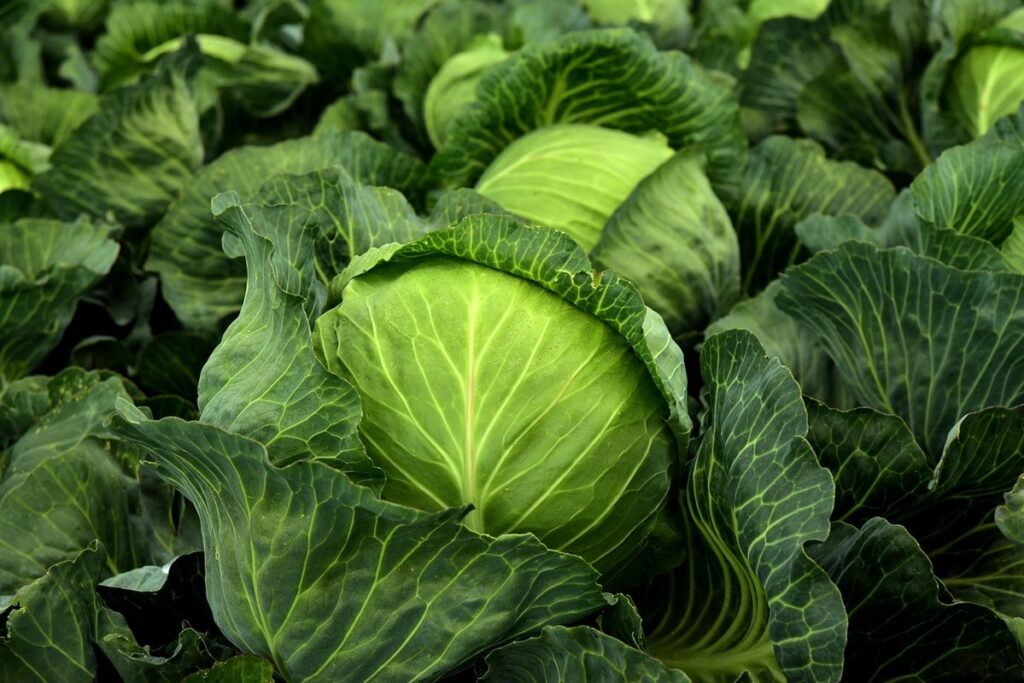
Benefits of Feeding Cabbage to Chickens
Feeding cabbage leaves to your chickens can have some amazing benefits for their health and well-being, and we’re excited to share them with you in this section. Let’s dive into the advantages of adding cabbage to your flock’s diet!
Nutritional Value of Cabbage for Chickens
Cabbage is a nutrient-rich food that can provide several health benefits for chickens. One of its key advantages is its high content of vitamins A and K, which are essential for maintaining healthy skin, feathers, and eyesight. Vitamin A also plays a crucial role in immune system function, helping to protect your flock from diseases.
Cabbage is also an excellent source of dietary fiber, which can aid digestion and support overall gut health. For chickens, fiber-rich foods like cabbage help promote regular bowel movements, reducing the risk of constipation and other digestive issues. A high-fiber diet can also lead to healthier plumage and improved feather condition.
When feeding cabbage to your flock, it’s essential to introduce it in moderation as a treat or supplement their regular feed. Aim for about 1-2 cups of shredded cabbage per 10 birds daily. You can add it to their existing feed mix or offer it separately as a snack.
Using Cabbage as a Treat or Supplement
Incorporating cabbage into your chicken’s diet can be a great way to provide them with essential nutrients and keep them happy and healthy. You can start by introducing small amounts of shredded cabbage as an occasional treat, mixed with their regular feed or given on its own as a snack. Begin with a small amount (about 1-2% of their daily feed) to ensure they adjust well to the new addition.
For example, you can add shredded cabbage to their morning feeding or mix it with some fruits and veggies for a tasty and nutritious treat. As your chickens become accustomed to eating cabbage, you can gradually increase the amount to about 5-10% of their daily feed. This will help them reap the benefits of this versatile veggie without overwhelming their digestive system.
When using cabbage as a supplement, consider adding it in moderation (about once or twice a week) to prevent overconsumption and maintain a balanced diet. Also, be sure to introduce new foods gradually to avoid digestive issues, such as giving them small amounts for a few days before increasing the amount.
Types of Cabbage and Their Safety for Chickens
Let’s dive into the various types of cabbage, from green to red, napa to savoy, and explore which ones are safe for your feathered friends to snack on. We’ll examine each variety’s potential health risks and benefits for your flock.
Headed vs. Leafy Cabbage Varieties
When it comes to feeding cabbage leaves to chickens, understanding the difference between headed and leafy varieties is crucial. Headed cabbages, like those you’d find in a typical supermarket, are bred for their compact, dense heads of tightly packed leaves. These tight formations can make it difficult for your chickens to access the leaves, potentially causing choking hazards or digestive issues.
On the other hand, leafy cabbage varieties have larger, more loosely formed leaves that grow directly from the stem. These types of cabbages are generally easier for chickens to navigate and tend to be lower in fiber content, making them a safer choice. Leafy cabbages like savoy and napa varieties are popular among chicken keepers due to their accessibility and nutritious value.
When selecting cabbage for your flock, opt for leafy varieties or consider growing your own headed cabbage with larger leaves. This will not only provide a safer snacking option but also reduce the risk of spoilage and wastage.
Other Cabbage-Related Plants That Are Toxic to Chickens
If you’re thinking of incorporating cabbage into your flock’s diet, it’s essential to know that not all cabbage-related plants are safe for chickens. In fact, some can be downright toxic. For instance, radishes and turnips belong to the same family as cabbage (Brassicaceae) but contain compounds called glucosinolates, which can cause vomiting and diarrhea in chickens if ingested in large quantities.
Other cabbage-related plants that fall into this category include horseradish and wasabi, also part of the Brassicaceae family. While these plants might not be as commonly found in chicken feed or gardens, they still pose a risk to your flock’s health if accidentally consumed.
To avoid any potential harm, make sure to research thoroughly before introducing new plants into your garden or feeding them to your chickens. Always prioritize their safety and well-being by opting for cabbage varieties that are known to be safe, like Napa or green cabbage, in moderation, of course.
Precautions When Feeding Cabbage Leaves to Chickens
When feeding cabbage leaves to your flock, it’s essential to be mindful of a few key precautions to ensure their safety and health. Always supervise your chickens during mealtime to prevent any potential issues.
Avoiding Overfeeding and Choking Hazards
When feeding cabbage leaves to your chickens, it’s essential to be mindful of the quantity and presentation to avoid overfeeding and choking hazards. Overfeeding can lead to a range of issues, including digestive problems, obesity, and even liver damage. A general rule of thumb is to limit cabbage leaves to about 10-20% of your chicken’s daily diet.
To prevent choking hazards, make sure to chop the cabbage leaves into manageable pieces before offering them to your chickens. Long or thick strips can be a choking hazard, especially for younger birds. You can also try mixing the chopped cabbage with other leafy greens like kale or spinach to ensure a varied and balanced diet.
Another crucial aspect is to monitor your chicken’s eating habits closely. Watch out for signs of overeating, such as reluctance to move or reduced egg production. If you notice any of these symptoms, it may be time to adjust the amount of cabbage leaves in their diet or consider alternative treats.
Potential Health Risks Associated with Raw or Undercooked Cabbage Consumption
When it comes to feeding cabbage leaves to your chickens, it’s essential to be aware of potential health risks associated with consuming raw or undercooked cabbage. One of the primary concerns is digestive issues. Cabbage contains a type of sugar called raffinose, which can be difficult for chickens to digest. If fed in excess, this can lead to bloating, gas, and even diarrhea.
Another risk is bacterial contamination. Raw cabbage can harbor pathogens like E. coli and Salmonella, which can cause serious illness in chickens if ingested. Undercooked or improperly fermented cabbage can also create an ideal environment for bacteria growth.
To minimize these risks, ensure that any cabbage you feed your flock is properly cooked or fermented to kill off bacteria. A simple way to do this is by cooking the cabbage leaves until they’re tender before serving them as a treat. Alternatively, you can ferment the cabbage in a controlled environment using salt and water to create lactic acid, which acts as a natural preservative against bacterial growth.
How to Prepare Cabbage for Your Chickens
Before offering cabbage to your flock, it’s essential to prepare it safely and easily digestible for your chickens. Here’s how to chop, shred, and prep cabbage just right!
Cooking vs. Raw Cabbage Leaves
When it comes to preparing cabbage leaves for your flock, you’ll want to consider whether to serve them raw or cooked. Both options have their benefits and drawbacks.
Cooking cabbage leaves can be beneficial as it breaks down some of the fiber making it easier for your chickens to digest. This is especially true if your chickens are experiencing digestive issues or are older birds that may not be able to process raw fibers efficiently. However, overcooking can lead to a loss of nutrients, so be sure to steam or boil them lightly.
On the other hand, serving raw cabbage leaves provides your chickens with an abundance of vitamins and minerals, including vitamin C and K. These nutrients are essential for maintaining healthy feathers, skin, and overall immune function. Additionally, raw cabbage is lower in calories and contains more antioxidants compared to cooked varieties. If you do choose to serve raw cabbage, be sure to chop or shred it into manageable pieces to prevent any potential choking hazards.
Ultimately, the decision between cooking and serving raw cabbage leaves comes down to your flock’s individual needs and preferences.
Tips for Preparing Cabbage as a Nutritious and Palatable Treat
When it comes to feeding cabbage to your chickens, there are several ways to prepare it that can make it more nutritious and palatable for them. One of the simplest methods is to chop the cabbage into smaller pieces, making it easier for your flock to digest.
You can also sauté or steam the cabbage with a bit of oil or garlic to bring out its natural flavors and aroma, which chickens find irresistible. For an added nutritional boost, try adding some chopped fresh herbs like parsley or dill to the cooked cabbage. Not only will this enhance the flavor, but it will also provide essential vitamins and minerals for your birds.
Another way to prepare cabbage is to ferment it using a process called lacto-fermentation. This method involves allowing the natural bacteria on the cabbage leaves to break down the sugars, creating lactic acid and preserving the nutrients. Fermented cabbage can be added to your chickens’ diet as a probiotic-rich treat or mixed with their regular feed for an extra nutritional boost.
When incorporating cooked or fermented cabbage into your flock’s diet, remember to introduce it gradually to prevent digestive upset. Start with small amounts and observe your birds’ reactions before increasing the serving size. By following these simple tips, you can turn cabbage from a mere leafy green into a nutritious and delicious treat for your chickens.
Case Studies and Real-Life Experiences with Feeding Cabbage Leaves to Chickens
Let’s dive into real-life examples of feeding cabbage leaves to chickens, from enthusiastic backyard flock owners who share their experiences. You’ll see what works and what doesn’t in these practical case studies.
Successful Stories of Using Cabbage as a Chicken Feed Supplement
Many chicken keepers have successfully incorporated cabbage as a supplement into their flock’s diet. For instance, Sarah from a small backyard farm in rural Iowa noticed a significant improvement in her hens’ egg production after adding finely chopped cabbage leaves to their feed mix. She observed that the eggs were larger and had a more vibrant yolk color.
Another chicken enthusiast, Rachel, reported using cabbage as a natural remedy for her flock’s digestive issues. By feeding them a mixture of cabbage and oats, she was able to resolve a bout of diarrhea that had been plaguing her birds. These real-life experiences demonstrate the potential benefits of incorporating cabbage into your chickens’ diet.
When using cabbage as a supplement, it’s essential to introduce it gradually and in moderation. Start by adding small amounts to their feed mix and observe your flock’s reaction. A general rule of thumb is to limit cabbage consumption to about 10% of their daily diet. This will help prevent any adverse reactions or digestive upset.
Lessons Learned from Failure or Negative Outcomes
One of the most valuable lessons learned from feeding cabbage leaves to chickens is that moderation is key. While many backyard chicken keepers have reported successful experiences with incorporating cabbage into their flock’s diet, others have encountered issues with digestive upset or even mold growth in the leaves.
In one instance, a chicken keeper reported that her hens became lethargic and refused food after consuming large quantities of wilted cabbage leaves. Further investigation revealed that the leaves had been contaminated with mold, which can be toxic to chickens. This experience highlights the importance of ensuring that any vegetable matter offered to your flock is fresh, clean, and free from spoilage.
To avoid negative outcomes when feeding cabbage leaves, it’s essential to offer them in moderation (about 5-10% of their daily diet) and only as a treat or supplement. Also, be sure to provide plenty of fresh water and a balanced commercial feed to prevent nutritional deficiencies. By being mindful of these guidelines, you can enjoy the benefits of feeding cabbage leaves to your flock while minimizing potential risks.
Conclusion and Final Thoughts on Feeding Cabbage Leaves to Chickens
Now that we’ve explored whether cabbage leaves are safe for your flock, it’s time to summarize our key takeaways and offer some final advice. Let’s wrap up!
Recap of Key Takeaways
As we wrap up this discussion on feeding cabbage leaves to chickens, let’s take a moment to review the key takeaways from our exploration. We’ve covered a lot of ground, and it’s essential to distill the main points into actionable advice for you to safely incorporate cabbage into your flock’s diet.
Firstly, it’s crucial to note that cabbage is not toxic to chickens, but it should be introduced in moderation due to its high water content and potential impact on egg production. A good starting point is to limit the portion size to about 1-2 leaves per chicken, daily. This will allow your flock to acclimate to the new addition without overwhelming their digestive system.
Another key takeaway is that cabbage’s high sulfur content can cause greenish-blue discoloration of the feathers and potentially lead to respiratory issues if consumed excessively. To mitigate this risk, ensure you’re only using fresh, organic cabbage leaves, and avoid over-supplementing with other sulfur-rich foods like garlic or onion.
We’ve also discussed the importance of proper feeding techniques and storage practices. Always store cabbage in a dry, well-ventilated area to prevent mold growth and contamination. When introducing cabbage to your flock’s diet, do so gradually to monitor their response and adjust as needed.
Lastly, remember that every chicken is unique, just like humans! What works for one bird may not work for another. Be attentive to individual preferences and health needs when incorporating cabbage into their diet. By following these guidelines, you’ll be well on your way to providing a balanced and nutritious meal for your feathered friends.
Frequently Asked Questions
Can I feed cabbage leaves to chickens with sensitive stomachs or digestive issues?
Yes, it’s essential to introduce cabbage leaves gradually and monitor your flock’s reaction, especially if they have pre-existing health conditions. Start with small amounts (about 1-2 leaves per bird) and observe their behavior for signs of discomfort or upset.
How often can I give cabbage leaves as a treat or supplement?
Cabbage leaves should not exceed 10% of your chickens’ daily diet. Limit the frequency to once or twice a week, depending on the age and size of your flock. This will prevent overfeeding and ensure they maintain a balanced nutrient intake.
What if my chickens are eating cabbage leaves regularly but showing signs of vitamin deficiencies?
Regularly inspect your flock’s health and adjust their diet accordingly. Consider supplementing with other nutrient-rich foods or consulting with an avian veterinarian to identify potential issues. Monitor for signs like lethargy, feather loss, or weak eggshell production.
Can I use cabbage leaves in place of commercial chicken feed entirely?
No, it’s crucial not to completely replace commercial feed with cabbage leaves. Cabbage lacks essential amino acids and other nutrients vital for your chickens’ health. Use cabbage as a nutritious supplement to enhance their diet but maintain a balanced and complete feed.
How do I handle cabbage leaf waste or leftovers to prevent attracting pests?
Dispose of unused cabbage leaves in sealed containers, taking care to avoid creating an attractive environment for rodents or insects. Regularly clean the coop and surrounding areas to ensure your flock remains healthy and pest-free.