
If you’re a backyard chicken keeper, you might be wondering if it’s safe to feed your flock mulberries. These sweet and nutritious fruits can be a great addition to your chickens’ diet, but only if you know which varieties are edible and how to prepare them safely. Mulberries are rich in vitamins, minerals, and antioxidants that can provide numerous health benefits for your chickens, including improved immune function and reduced inflammation. However, some types of mulberries can cause digestive issues or even be toxic to your birds if not handled correctly. In this article, we’ll explore the nutritional benefits and potential health risks of feeding mulberries to chickens, providing you with a comprehensive guide on how to incorporate them into your flock’s diet safely and effectively.
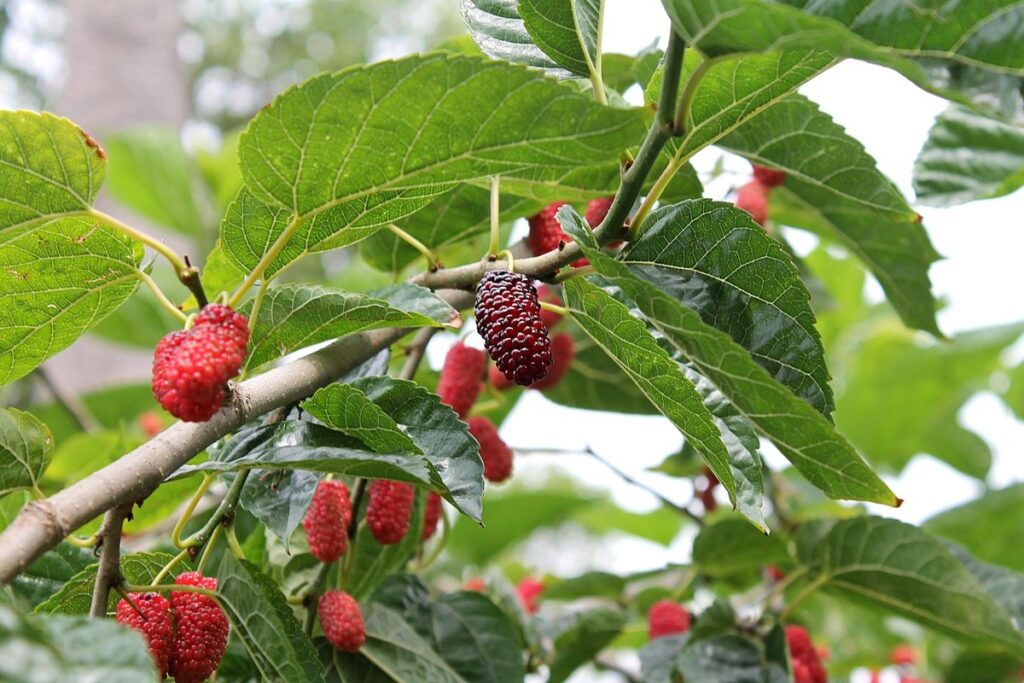
The Benefits and Risks of Feeding Mulberries to Chickens
When it comes to sharing mulberries with your feathered friends, there are several things to consider before adding them to their menu. Let’s weigh the pros and cons together.
Nutritional Value of Mulberries for Chickens
Mulberries are a nutrient-rich fruit that can provide numerous health benefits for chickens. One of the key advantages of incorporating mulberries into their diet is their high levels of vitamins A and C. These essential vitamins play a crucial role in maintaining healthy vision, immune function, and skin integrity. Vitamin A, in particular, helps to promote healthy feathers, while vitamin C supports the chicken’s ability to fight off infections.
Mulberries are also an excellent source of potassium, an electrolyte that aids in maintaining proper hydration levels and nerve function. Potassium deficiency can lead to muscle weakness, fatigue, and even heart problems. By feeding mulberries to your chickens, you can help ensure they receive a sufficient amount of this vital mineral.
Fiber content is another notable benefit of mulberries for chicken health. A diet rich in fiber helps maintain a healthy digestive system, promoting regular bowel movements and preventing issues like constipation or diarrhea. This can lead to improved overall well-being and reduced stress levels among your flock.
Potential Health Risks of Mulberry Consumption in Chickens
While mulberries can be a nutritious and tasty treat for chickens, there are potential health risks to consider. One of the main concerns is digestive issues. Mulberries contain a high amount of sugar and tannins, which can cause stomach upset, diarrhea, or even vomiting in some birds if consumed in excess. This is particularly true for young or sensitive chickens.
Additionally, some chickens may be allergic to mulberries, leading to symptoms such as itching, skin lesions, or respiratory problems. If you notice any of these signs after feeding your flock mulberries, discontinue use immediately and consult with a veterinarian.
It’s also essential to consider interactions between mulberries and other medications or supplements that your birds may be taking. For example, the high vitamin C content in mulberries can interact with certain antibiotics, potentially reducing their effectiveness. Always prioritize your chickens’ health and well-being by introducing new foods gradually and monitoring their behavior closely.
Choosing the Right Type of Mulberries for Your Flock
When it comes to feeding your flock mulberries, you’ll want to make sure you’re giving them a type that’s safe and nutritious for them to eat. Let’s explore some popular varieties that are perfect for chicken snacks!
Identifying Edible vs. Non-Edible Mulberry Varieties
When foraging for mulberries to feed your flock, it’s essential to identify edible varieties from non-edible ones. Edible mulberry varieties tend to have a deeper purple color and a sweeter taste. They are typically oval-shaped with a slightly flattened base. In contrast, non-edible varieties often have a lighter purple or white color and a more bitter taste.
Some common edible mulberry varieties include the White Mulberry (Morus alba), the Red Mulberry (Morus rubra), and the Silk Floss Mulberry (Morus serrata). These varieties are safe for chickens to consume in moderation. However, there is also a type of mulberry called the Indian Mulberry (Morus indica) that should be avoided as it contains toxic compounds.
To ensure you’re providing your flock with edible mulberries, inspect the fruit carefully before offering it to them. Look for signs of ripeness and avoid any berries that appear unripe or have an off-putting smell. It’s also crucial to introduce new foods gradually to prevent digestive issues in your chickens. By following these guidelines, you can safely provide your flock with this nutritious and delicious treat.
Preparing and Serving Mulberries to Chickens
When it comes to feeding mulberries to your chickens, presentation matters. Chickens love variety and getting their daily dose of nutrients in different forms can keep them engaged and interested in mealtime.
Fresh mulberries are a great way to offer your flock this nutritious treat. Simply rinse the berries under cold water, pat them dry with a paper towel to remove excess moisture, and scatter them on the ground or hang them from a bird feeder. Be sure to provide fresh water alongside the mulberry feast to prevent any digestive issues.
If you want to keep mulberries as a long-term food source, consider drying or freezing them. Dried mulberries can be stored for months in an airtight container and rehydrated by soaking them in water before serving. Freezing is another great option; simply rinse the berries, pat them dry, and place them on a baking sheet lined with parchment paper. Once frozen solid, transfer them to airtight containers or freezer bags for storage.
Offering mulberries in different forms can also help prevent spoilage and keep your flock healthy and happy.
How to Incorporate Mulberries into Your Chicken’s Diet
Now that we’ve established mulberries are a safe treat for your flock, let’s dive into how you can easily incorporate them into their daily diet. We’ll cover tips and tricks to get started.
Adding Mulberries to Their Regular Feed
When adding mulberries to their regular feed, it’s essential to do so safely and in moderation. Start by introducing a small amount of fresh or dried mulberries (about 1-2 tablespoons per pound of feed) to their daily rations to gauge their tolerance.
As with any new food, monitor your flock’s behavior and adjust accordingly. Some chickens may develop loose stools or experience digestive issues if they’re not accustomed to the fiber content in mulberries. If you notice any adverse reactions, slow down the introduction process or consult with a poultry expert for guidance.
Aim to limit daily consumption to 5-10% of their total feed intake, as excessive mulberry consumption can lead to an imbalanced diet. Also, be mindful of the seasonality of mulberries, and avoid overfeeding during times when they’re readily available and more likely to become a treat rather than a supplement.
As you integrate mulberries into your flock’s regular feed, consider mixing them with other fruits or vegetables to maintain a balanced nutrient profile and prevent boredom.
Using Mulberries as a Treat or Supplement
Mulberries can be a wonderful addition to your chickens’ diet as a treat or supplement, offering numerous benefits that go beyond just nutrition. One of the most significant advantages is mental stimulation. Chickens, like all animals, need mental and physical activity to stay healthy and happy. Mulberries provide a delightful surprise for your flock, encouraging them to scratch and peck, thus keeping their minds active.
As a supplement, mulberries can support overall health in several ways. Rich in vitamins A and C, potassium, and antioxidants, they help boost the immune system, promoting resistance against diseases. The fiber content also aids in maintaining healthy digestion, reducing the risk of common issues like constipation or egg binding.
To incorporate mulberries as a treat or supplement into your chickens’ diet, consider the following tips: start with small amounts (about 1-2 tablespoons per bird) to gauge their tolerance; mix them with other fruits or vegetables for added variety; and store them in an airtight container to keep fresh. By introducing mulberries in moderation, you can provide your flock with a nutritious treat that also stimulates their minds and encourages healthy habits.
Safety Precautions When Feeding Mulberries to Chickens
Before sharing some delicious mulberry treats with your flock, it’s essential to take a few precautions to ensure their safety and health. Let’s cover what you need to know!
Potential Allergic Reactions and Intolerances
While mulberries are generally considered safe for chickens to eat, some birds may develop allergic reactions or intolerances. Symptoms of an allergy or intolerance can range from mild to severe and include skin lesions, excessive scratching, diarrhea, and lethargy.
If you suspect that your chicken is experiencing an allergic reaction or intolerance after consuming mulberries, monitor their behavior closely and provide a different food source for 24-48 hours. Observe for any improvement in symptoms before reintroducing the fruit.
In severe cases of an allergy or intolerance, treatment may involve administering antihistamines or steroids under the guidance of a veterinarian. To minimize the risk of adverse reactions, start by offering mulberries as a supplement to your chicken’s regular diet rather than as their primary source of nutrition.
It’s also essential to maintain a clean and hygienic feeding environment to prevent contamination and potential allergic reactions. Consider soaking the fruit in water before serving it to remove any pesticide residues or bacteria that may trigger an allergic response.
Interactions with Other Medications or Supplements
When feeding mulberries to chickens, it’s essential to consider their interactions with other medications or supplements. Mulberries are rich in nutrients like potassium and vitamins, which can be beneficial for chickens. However, when combined with certain medications or supplements, the outcome may not be as expected.
For instance, if your chickens are on antibiotics, feeding them mulberries may reduce the effectiveness of these medications. This is because mulberries contain compounds that have antibacterial properties, potentially counteracting the effects of antibiotics. To avoid such interactions, ensure you consult with a veterinarian before administering any new supplements or medications to your flock.
Similarly, probiotics and mulberries can interact in unpredictable ways. Probiotics aim to balance gut bacteria, while mulberries’ high sugar content may alter the gut flora. Monitor your chickens’ behavior and health closely if you’re feeding them both mulberries and probiotics.
To minimize potential interactions, keep a close eye on your chickens’ overall health and adjust their diet accordingly.
Preparing for a Mulberry Harvest: Growing and Maintaining Healthy Trees
Before sharing whether mulberries are safe for your flock, let’s cover the basics of growing healthy trees to ensure a bountiful harvest and a happy coop. A thriving tree is crucial for any successful mulberry harvesting experience.
Tips for Planting and Caring for Mulberry Trees
When planting a mulberry tree, it’s essential to choose a location with well-draining soil and full sun. Mulberries prefer slightly acidic to neutral soil pH (5.5-7.0), so test your soil before planting to ensure optimal conditions. Dig a hole twice as wide and just as deep as the root ball, adding organic matter like compost or manure to improve soil fertility.
Regular pruning is crucial for maintaining healthy mulberry trees and promoting fruiting. Remove any dead, diseased, or damaged branches during the dormant season (winter or early spring), cutting at a 45-degree angle to prevent water from collecting. Thin out interior branches to allow sunlight to reach the fruiting limbs, and shape the tree’s canopy to encourage air circulation.
Keep an eye out for pests like mulberry borers, Japanese beetles, and aphids, which can cause significant damage if left unchecked. Regularly inspect your trees during the growing season (spring-fall), using neem oil or insecticidal soap to control infestations as needed. By following these care tips, you’ll be well on your way to enjoying a bountiful mulberry harvest – and sharing some with your feathered friends!
Maximizing Yield and Quality of Mulberries for Chicken Feed
When it comes to using mulberries as chicken feed, maximizing yield and quality is crucial. The optimal time for harvesting mulberries depends on the variety, but generally, they’re ready between May and July. For maximum flavor and nutrition, pick them when they’re fully ripe and still slightly soft to the touch.
To ensure the best possible quality, store freshly picked mulberries in a cool, dry place, away from direct sunlight. You can also consider freezing or dehydrating excess berries for future use. Freezing helps preserve their nutrients, while dehydration concentrates their flavor and texture.
When it comes to storage, keep in mind that mulberries are highly perishable, so use them within a few days of harvest for optimal freshness. To get the most out of your harvest, consider harvesting every other day or two, as this will encourage the tree to produce more fruit overall. By following these simple tips, you can enjoy a bountiful and nutritious mulberry harvest that will provide your flock with delicious, homegrown feed all season long.
Frequently Asked Questions
Can I feed mulberries to my chickens at any stage of their life?
Yes, mulberries can be a nutritious addition to your flock’s diet throughout their lives, but it’s essential to introduce them gradually and monitor their digestion. Start with small amounts and adjust based on individual bird needs.
How do I know if my chickens have an allergy or intolerance to mulberries?
Keep an eye out for signs of digestive issues, such as diarrhea, vomiting, or lethargy after feeding mulberries. If you notice any adverse reactions, consult with a veterinarian to determine the best course of action and adjust your flock’s diet accordingly.
Can I grow my own mulberry trees, and what are some tips for success?
Yes, growing your own mulberry trees can be a rewarding experience. To maximize yield and quality, choose a variety suitable for your climate, plant in well-draining soil with full sun, and maintain regular watering and pruning practices.
How do I safely prepare and serve mulberries to my chickens?
Before offering fresh or dried mulberries, ensure they are free of any debris or contaminants. You can also consider freezing or dehydrating the fruit for longer storage and convenience.
What are some common mistakes to avoid when feeding mulberries to my flock?
Be cautious not to overfeed, as this can lead to digestive issues. Also, be mindful of the ripeness and variety of the mulberries, as some types may be toxic to your birds. Always supervise your chickens when introducing new foods to their diet.