
If you’re looking to give your flock a nutritional boost, you might be wondering if Swiss chard is safe for them to eat. This leafy green superfood is packed with vitamins and minerals that can provide numerous health benefits for chickens, including vitamin A, calcium, and iron. However, introducing new foods into their diet requires caution to avoid potential risks like vitamin A toxicity. In this article, we’ll explore the nutritional benefits of Swiss chard for chickens and provide guidance on how to introduce it safely into your flock’s diet. We’ll also discuss the risks associated with excessive vitamin A consumption and offer tips on how to incorporate Swiss chard into their meals without compromising their health.
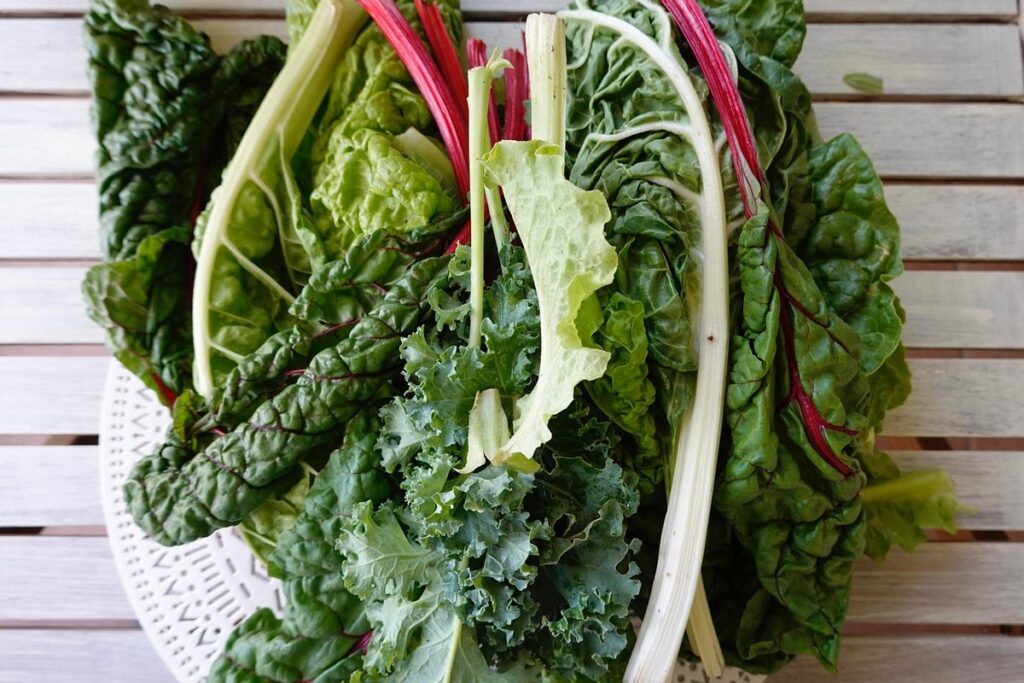
Benefits and Nutritional Value of Swiss Chard for Chickens
Swiss chard is a nutrient-rich treat that offers numerous benefits for your feathered friends, from boosting their immune systems to supporting healthy feathers.
This section will delve into the specific advantages of incorporating swiss chard into your chickens’ diets.
Introduction to Swiss Chard
If you’re considering adding a new leafy green to your backyard flock’s diet, it’s time to get familiar with Swiss Chard. This versatile vegetable is part of the beet family and boasts a rich history dating back thousands of years. Native to the Mediterranean region, Swiss Chard has been cultivated for its edible leaves and stems since ancient times.
One of the reasons Swiss Chard stands out from other leafy greens is its impressive nutritional profile. Packed with vitamins A, C, and K, as well as minerals like calcium and iron, this veggie offers a wealth of benefits for your chickens. The leaves are particularly high in antioxidants, which can help protect against cell damage and inflammation.
When it comes to feeding Swiss Chard to your flock, be sure to provide it fresh or frozen – cooked Swiss Chard is not recommended as the heat can destroy some of its delicate nutrients. Simply chop the leaves and stems into bite-sized pieces, and offer them as a treat or mix with their regular feed for added nutrition.
Nutrient Profile of Swiss Chard
Swiss chard is an excellent addition to your flock’s diet, packed with essential vitamins and minerals that support their overall health. As a rich source of vitamin A, vitamin C, and vitamin K, it plays a crucial role in maintaining healthy vision, immune function, and bone growth. The leafy greens are also an excellent source of calcium, magnesium, and iron, making them an ideal supplement to promote strong bones, muscle function, and red blood cell production.
One cup of cooked Swiss chard provides about 200 milligrams of calcium, which is approximately 20% of a chicken’s daily recommended intake. This makes it an excellent natural remedy for preventing eggshell weakness and promoting healthy bone density in your flock. Moreover, the high fiber content in Swiss chard supports digestive health, reducing the risk of constipation and promoting regular bowel movements.
To incorporate Swiss chard into your chickens’ diet, simply chop or tear the leaves into small pieces and mix them with their regular feed. A good rule of thumb is to start with a 10% inclusion rate and gradually increase it as needed. Be sure to balance the nutrient-rich content with other essential vitamins and minerals in their diet to avoid an overload.
How Chickens Can Benefit from Eating Swiss Chard
Swiss chard is a nutrient-dense leafy green that can provide numerous health benefits for chickens when added to their diet. For instance, the high fiber content of swiss chard can help promote regular bowel movements and prevent constipation in chickens. This can lead to healthier gut bacteria, which in turn boosts the immune system.
Moreover, swiss chard is rich in vitamins A, C, and K, as well as minerals like calcium and iron. These nutrients are essential for maintaining healthy feathers, beaks, and eyes in chickens. Additionally, the antioxidants present in swiss chard can help protect chickens from oxidative stress and inflammation caused by environmental factors.
To incorporate swiss chard into your chicken’s diet, start by adding a small amount to their regular feed (about 1-2 cups per week). You can also mix it with other leafy greens or vegetables like kale, spinach, or carrots. Be sure to chop the leaves finely before serving to prevent choking hazards.
Preparing and Feeding Swiss Chard to Chickens
If you’re excited to share Swiss chard with your flock, here’s what you need to know about preparing and feeding it safely. Let’s get started!
Safe Handling and Preparation of Swiss Chard
When it comes to offering Swiss chard to your flock, properly handling and preparing this leafy green is crucial. Not only can poorly prepared Swiss chard cause digestive issues for your chickens, but it can also harbor bacteria like E. coli, which can lead to serious health problems.
Before giving Swiss chard to your chickens, make sure to wash the leaves thoroughly in cold water to remove any dirt or debris. You should also trim off any tough or fibrous stems, as these can be difficult for your birds to digest. To prepare Swiss chard for consumption, you can either chop it into smaller pieces or leave it whole – either way, be sure to offer a balanced mix of greens and other treats to ensure a varied diet.
When storing Swiss chard, keep in mind that it’s best to use fresh leaves within 3-5 days. If you’re planning to store it for longer periods, consider blanching the leaves before freezing or drying them. This will help preserve their nutritional value and prevent spoilage. By following these simple guidelines, you can safely provide your flock with a nutritious and healthy snack that’s rich in vitamins A, C, and K.
Best Ways to Introduce Swiss Chard into Your Chicken’s Diet
Introducing swiss chard into your chicken’s diet can be a great way to provide them with essential nutrients and fiber. To do this successfully, it’s crucial to introduce it gradually to prevent digestive upset. Start by mixing a small amount of finely chopped swiss chard into their regular food for 1-2 days. Monitor their behavior and stool quality during this time.
If everything goes smoothly, you can begin increasing the proportion of swiss chard in their diet over the next week or two. Consider replacing other leafy greens like kale or spinach with swiss chard to make it a staple part of their menu. Remember that chickens love variety, so try mixing different amounts and types of swiss chard to keep them interested.
For instance, you could offer curly-leaf swiss chard one day and flat-leaf the next. This will also help prevent any potential boredom or overfeeding. Always provide fresh water alongside their new food source to ensure they stay hydrated while adjusting to this change in diet.
Tips for Feeding Swiss Chard to Chickens of Different Ages and Stages
When it comes to feeding Swiss chard to chickens of different ages and stages, it’s essential to consider their nutritional needs at each life stage. For baby chicks, for instance, start by introducing small amounts (about 1-2% of their daily diet) to prevent digestive upset. As they grow into pullets, increase the proportion of Swiss chard in their diet, but ensure it doesn’t exceed 5-7%. Laying hens can enjoy Swiss chard as a regular part of their diet, up to 10% of their daily feed.
Older birds may benefit from smaller amounts due to reduced digestive efficiency. When feeding Swiss chard to chickens, make sure to provide fresh water and a balanced diet to avoid nutrient deficiencies. Chop the leaves coarsely or finely depending on your flock’s preference. Consider mixing it with other leafy greens for variety and minimizing the risk of over-consumption.
Remember that individual birds may have different preferences and requirements, so monitor their health and adjust accordingly. Keep in mind that over-feeding can lead to imbalances in calcium levels, which can cause issues like egg binding or weakened bones.
Can Chickens Eat Too Much Swiss Chard?
While it’s great that your chickens can eat swiss chard, eating too much of it might cause some issues. Let’s discuss what happens when they overdo it on this nutritious green.
Understanding the Risks of Overfeeding Swiss Chard
While Swiss chard is a nutritious and delicious treat for chickens, overfeeding it can lead to some serious health issues. One of the main risks associated with overfeeding swiss chard is vitamin A toxicity. Swiss chard is high in beta-carotene, which converts to vitamin A in the body. While a small amount is beneficial, excessive intake can cause a condition known as hypervitaminosis A.
Symptoms of vitamin A toxicity in chickens include lethargy, weight loss, and impaired immune function. In severe cases, it can even lead to death. To avoid this risk, it’s essential to introduce swiss chard into your flock’s diet gradually and in moderation. A good rule of thumb is to start with small amounts (about 1/4 cup per chicken) and observe their behavior and health. If you notice any adverse effects, reduce the amount or discontinue feeding swiss chard altogether.
Remember, a balanced diet is key. Make sure your flock has access to a variety of foods to minimize the risk of overfeeding.
Signs of Vitamin A Toxicity in Chickens
If you’re feeding your chickens an excessive amount of swiss chard, it may lead to vitamin A toxicity. This is a crucial consideration, as too much vitamin A can cause a range of health issues in birds.
Signs of vitamin A toxicity in chickens include changes in appetite and egg production. Chickens suffering from this condition may exhibit reduced eating habits or even complete loss of interest in food. Egg-laying hens might experience a significant decrease in egg production, with eggs becoming misshapen or not developing properly inside the oviduct.
Behavioral changes are also common signs of vitamin A toxicity. Affected birds may display lethargy, stumbling, or difficulty walking. Their vision can be impaired, leading to increased sensitivity to light and potentially causing chickens to become disoriented in bright conditions.
If you suspect that your flock is experiencing these symptoms due to excessive swiss chard consumption, it’s essential to adjust their diet immediately. Consider replacing high-vitamin A foods with other nutrient-rich options and ensure a balanced mix of supplements to prevent similar issues in the future.
Prevention Strategies for Overfeeding Swiss Chard
When it comes to feeding your flock Swiss chard, prevention is key to avoid overfeeding and ensure they receive a balanced diet. To start, it’s essential to understand that swiss chard is packed with nutrients, but excessive consumption can lead to an overload of vitamins A and K. Monitor your flock’s intake closely, as their needs vary depending on age, breed, and activity level.
To prevent overfeeding, consider the following tips: introduce Swiss chard gradually into your chickens’ diet, starting with small amounts (about 1-2% of their daily ration) to gauge their tolerance. Also, balance the proportion of fresh greens like swiss chard with other nutrient-dense foods like grains and proteins. Aim for a mix that’s at least 50% grains and 30% protein sources.
For example, if you’re feeding your chickens a mixture of grains, legumes, and fruits, make sure to limit the amount of swiss chard to avoid overloading their digestive system. Keep in mind that a balanced diet should include a variety of foods to provide essential nutrients. By being mindful of your flock’s dietary needs, you can ensure they stay healthy and happy while enjoying the benefits of Swiss chard.
Conclusion: Can Chickens Eat Swiss Chard?
Now that we’ve weighed the pros and cons, it’s time to summarize our findings and provide a clear answer to the question on every chicken keeper’s mind: can chickens safely eat swiss chard?
Recap of Benefits and Precautions
In conclusion to our exploration of whether chickens can eat swiss chard, let’s recap the key benefits and precautions to keep in mind when incorporating this nutrient-rich leafy green into your flock’s diet.
Swiss chard offers an excellent source of vitamins A, C, and K, as well as minerals like calcium and iron. These nutrients are essential for maintaining strong eggshell production, supporting healthy digestion, and preventing deficiencies that can lead to weakened immune systems in chickens.
However, overfeeding swiss chard can cause an imbalance in your flock’s diet, leading to issues such as nutritional deficiencies or even toxicity from excessive intake of oxalic acid found in the leaves. To avoid this, it is crucial to introduce swiss chard in moderation and ensure a balanced diet that includes a variety of other fruits, vegetables, and grains.
Aim to provide 10-20% of your flock’s daily greens as swiss chard, and mix it with other leafy greens like kale or spinach for added nutritional diversity. Monitor your birds’ health closely when introducing new foods to their diet, and adjust the quantity accordingly based on individual needs and preferences.
Final Tips for Incorporating Swiss Chard into Your Chicken’s Diet
When incorporating Swiss chard into your chicken’s diet, remember to introduce it gradually and in moderation. Start by mixing a small amount of chopped Swiss chard with their regular feed, and observe their reaction. Some chickens might take time to adjust to the new texture and taste.
To maximize nutritional benefits, choose younger, more tender leaves from the plant. Older leaves can be tougher and less palatable for your flock. Make sure to provide fresh water at all times, as Swiss chard is rich in oxalic acid, which can affect your chickens’ hydration levels.
Aim to include a variety of leafy greens like kale, spinach, and collard greens alongside Swiss chard to create a well-rounded diet. Limit the quantity of Swiss chard to 10-15% of their total daily intake, as excessive consumption can lead to an imbalance in essential nutrients. Monitor your chickens’ overall health, and adjust the proportion of Swiss chard accordingly. With patience and careful introduction, you’ll be able to provide a nutritious and varied diet for your flock.
Frequently Asked Questions
Can I feed Swiss chard to chickens with egg-laying issues?
If your hens are experiencing reproductive problems, it’s essential to introduce new foods gradually to prevent overfeeding on vitamin A. Start by adding a small amount of Swiss chard (about 1/4 cup per bird) and monitor their response before increasing the quantity.
How do I store Swiss chard to keep it fresh for my flock?
To maintain the nutritional value and freshness of Swiss chard, store it in an airtight container or plastic bag in the refrigerator. Keep it away from strong-smelling foods, as its pungency can transfer easily.
Can chickens with different age groups eat Swiss chard together?
While Swiss chard is beneficial for all ages, introduce it gradually to young chicks (1/8 cup per bird) and increase the quantity as they mature. For older hens, start with a moderate amount (about 1/2 cup per bird) to avoid overfeeding on vitamin A.
How often can I feed Swiss chard to my chickens?
For optimal benefits and to minimize risks, limit Swiss chard feeding to 1-2 times a week, depending on the age group and individual needs of your flock. Mix it with other leafy greens or grains for a balanced diet.
Can I give Swiss chard to my chickens when they’re molting?
During molting season, it’s crucial to provide extra nutrients without overfeeding vitamin A. Introduce small amounts (about 1/8 cup per bird) of Swiss chard as a treat and balance their regular diet with other nutrient-rich foods.