
If you’re a backyard chicken enthusiast, you know how crucial it is to create a safe and secure environment for your feathered friends. But have you given much thought to the importance of wire mesh in your chicken coop? A high-quality wire mesh not only keeps predators at bay but also ensures good ventilation and reduces the risk of disease transmission. In this article, we’ll walk you through the process of selecting and installing the perfect wire mesh for your coop, covering the key factors to consider and providing expert tips on how to get it done right. By the end of this guide, you’ll be well-equipped to create a predator-proof and healthy home for your birds, giving you peace of mind as you enjoy your hobby.
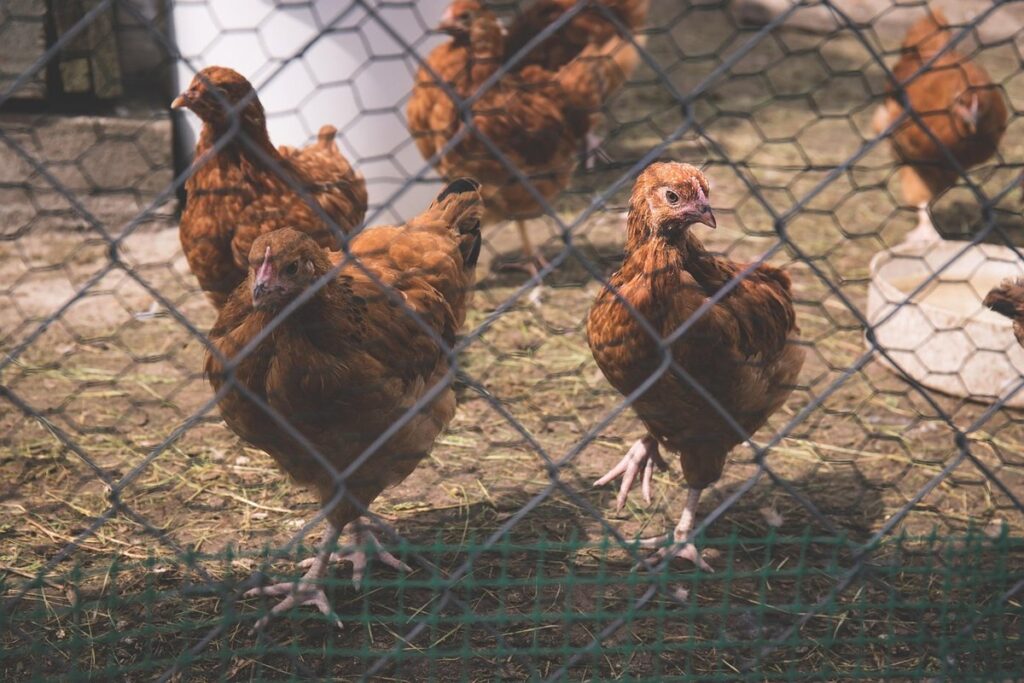
Importance of Wire Mesh in Chicken Coops
When choosing wire mesh for your chicken coop, it’s essential to consider its importance in keeping both you and your flock safe from potential predators. Effective predator protection is a top priority when building or upgrading your chicken coop.
Factors to Consider When Selecting Wire Mesh
When selecting wire mesh for your chicken coop, several key factors come into play. First and foremost is durability – the mesh should be able to withstand harsh weather conditions, including heavy rainfall and strong winds, as well as the wear and tear of daily use by your birds.
Predator protection is another critical consideration. You’ll want to choose a wire mesh with openings that are small enough to prevent predators like raccoons, foxes, and hawks from getting their heads through, but large enough for your chickens’ ventilation needs. Look for meshes with openings of 1 inch or smaller to ensure maximum security.
Ventilation is also essential for maintaining a healthy environment within the coop. A mesh that allows for good airflow will help reduce ammonia buildup, which can be hazardous to your birds’ health. Consider a mesh with perforations spaced about 3-4 inches apart to achieve optimal ventilation and air circulation. Ultimately, choose a wire mesh that balances these competing demands – durability, predator protection, and ventilation – to create a safe and healthy environment for your flock.
Common Types of Wire Mesh Used in Chicken Coops
When it comes to selecting wire mesh for your chicken coop, understanding the different types available is crucial. Three common types of wire mesh used in chicken coops are hardware cloth, chicken wire, and poultry netting.
Hardware cloth is a durable and sturdy option made from heavy-gauge wire that provides excellent protection against predators such as raccoons, opossums, and foxes. Its open weave pattern also allows for airflow and visibility, making it an ideal choice for chicken coops with larger enclosures.
Chicken wire, on the other hand, is a more affordable option but less durable than hardware cloth. It’s made from lighter-gauge wire and features a smaller mesh size that can be easily damaged by predators. While it may not provide adequate protection for your flock, chicken wire can still be used as a secondary layer of security or in areas where larger animals are less likely to be present.
Poultry netting is another popular option designed specifically for chicken coops. It’s lightweight and easy to install but offers excellent protection against small predators like rats, mice, and snakes. When choosing poultry netting, make sure it has a mesh size of at least 1 inch to prevent your chickens from escaping or getting injured.
When selecting any type of wire mesh, consider the specific needs of your flock and the design of your chicken coop. For example, if you have larger breeds that require more space, hardware cloth may be a better option due to its durability and sturdiness. If you’re on a budget, chicken wire could still provide adequate protection for smaller coops or areas with minimal predator activity.
Benefits of Using High-Quality Wire Mesh
Using high-quality wire mesh for your chicken coop can have a significant impact on the health and safety of both your chickens and you. Let’s explore some key benefits that make it worth investing in.
Reduced Risk of Predator Attacks
When you’re investing time and money into building a safe and secure chicken coop, one of the most crucial considerations is choosing wire mesh that can effectively protect your flock from predators. High-quality wire mesh does just that – it acts as an impenetrable barrier against raccoons, coyotes, hawks, and other potential threats.
In fact, studies have shown that strong and durable wire mesh reduces the risk of predator attacks by up to 90%. For example, in a study conducted by the University of California, researchers found that chicken coops protected with galvanized steel wire mesh had significantly lower predation rates compared to those without. This is because high-quality wire mesh is resistant to damage from predators’ attempts to claw or chew through it.
To reap these benefits for yourself, look for wire mesh that meets or exceeds the standards set by the International Association of Animal Behavior Consultants (IAABC). This typically means a mesh with openings no larger than 1 inch in diameter and a gauge rating of at least 9-10. By making this simple yet critical investment, you can safeguard your flock’s well-being and enjoy years of peaceful coexistence with your feathered friends.
Improved Ventilation and Air Circulation
When it comes to creating a healthy environment for your chickens, proper ventilation is essential. A well-ventilated chicken coop not only keeps your birds cool and comfortable but also reduces the risk of respiratory problems and diseases. High-quality wire mesh can play a significant role in improving airflow and reducing moisture buildup within the coop.
Air circulation is critical in preventing ammonia buildup from the droppings, which can be toxic to chickens. With high-quality wire mesh, you can ensure that air circulates freely through the coop, reducing the risk of ammonia accumulation. To maximize ventilation, consider installing windows or vents on opposite sides of the coop to create a cross breeze.
Additionally, high-quality wire mesh allows for better airflow by providing ample space between individual wires. This is particularly important in smaller coops where adequate ventilation can be more challenging. When selecting your chicken coop wire mesh, look for products with larger wire openings (around 1 inch or more) and a sturdy frame that won’t sag over time.
By incorporating high-quality wire mesh into your chicken coop design, you can create a healthier environment for your birds and reduce the risk of respiratory problems.
Installing Wire Mesh in Your Chicken Coop
When it comes to installing wire mesh in your chicken coop, choosing the right type and size is just half the battle – now you need to know how to do it safely and effectively. This section will guide you through the installation process step by step.
Preparing the Frame and Installing Wire Mesh
Before installing wire mesh in your chicken coop, it’s essential to prepare the frame correctly. Start by cleaning and inspecting the coop’s structure to ensure there are no weak points that could compromise the stability of the wire mesh. Remove any debris, old hardware, or other obstructions that might interfere with the installation process.
Next, take measurements of the coop’s walls, ceiling, and floor to determine how much wire mesh you’ll need. Consider using a wire mesh with a sturdy frame or a reinforced corner system to prevent sagging or damage during installation. When securing the wire mesh, use wire ties or screws specifically designed for this purpose, spacing them about 12 inches apart to ensure maximum stability.
Make sure to stretch and tighten the wire mesh as you go to prevent it from sagging or bunching up in one area. If necessary, add additional support with wooden posts or corner brackets to maintain the wire mesh’s shape and prevent damage from predator attacks or harsh weather conditions.
Tips for Cutting and Bending Wire Mesh
When working with wire mesh for your chicken coop, cutting and bending it to fit specific areas can be a daunting task. To avoid injuries and achieve professional-looking results, follow these guidelines.
Firstly, ensure you’re wearing protective gear, including gloves, safety glasses, and a dust mask. Wire mesh is often coated with sharp edges, making it easy to cut yourself. When cutting, use high-quality wire cutters specifically designed for metal. Hold the cutters at an angle to prevent them from slipping and causing accidents.
For bending wire mesh into shape, use a wire bender or pliers. Clamp the mesh in place before applying pressure to avoid any accidental bends. Alternatively, you can use a heat gun to warm up the mesh, making it more pliable. Keep in mind that extreme temperatures may compromise the mesh’s structural integrity.
When dealing with large quantities of wire mesh, consider investing in a mesh cutter or purchasing pre-cut sections from your supplier. This will not only save time but also reduce waste and ensure accuracy.
Maintenance and Repair of Chicken Coop Wire Mesh
Now that you’ve set up your chicken coop wire mesh, it’s essential to learn how to maintain and repair it to ensure the health and safety of your flock. This includes addressing tears, rust, and other damage.
Inspecting and Cleaning the Wire Mesh
Regular inspection of your chicken coop wire mesh is crucial to detect any damage or wear and tear. Check for loose wires, bent frames, and signs of rust or corrosion. Inspect the mesh from all angles, including the roof and walls, to ensure that it’s secure and intact.
Cleaning the wire mesh is another vital step in maintaining its effectiveness. Use a soft-bristled brush or a vacuum cleaner with a gentle suction setting to remove dirt, debris, and manure buildup. Avoid using high-pressure washes or harsh chemicals, as they can damage the metal or compromise the mesh’s integrity.
For tougher stains or mineral deposits, mix baking soda and water to create a paste that can be applied directly to the affected area. Let it sit for 15-20 minutes before rinsing with warm water. Regular cleaning will prevent pest infestations and keep your chickens healthy and safe. Set aside time each week to inspect and clean your chicken coop wire mesh, and you’ll be rewarded with a stress-free cooping experience.
Repairing Damaged or Bent Wire Mesh
When damage occurs to the wire mesh of your chicken coop, it’s essential to address the issue promptly. Bent or damaged areas can compromise the security and safety of your birds, making them vulnerable to predators and escape risks. To repair damaged areas without compromising the integrity of the coop, follow these steps:
Start by assessing the extent of the damage. If a section is merely bent, you may be able to straighten it with pliers or wire strippers. For more severe damage, you’ll need to remove the affected area and replace it with new mesh. Use wire cutters to carefully cut out the damaged portion, taking care not to nick any surrounding wires.
Next, measure the area where the repair is needed and cut a replacement piece of mesh to size. Align the edges carefully and secure them using wire connectors or twist ties. Apply a thin layer of silicone sealant around the edges to prevent water infiltration and ensure a snug fit.
DIY vs. Professional Installation: Which is Best?
When it comes to installing your chicken coop wire mesh, you’re probably wondering whether to go for a DIY approach or hire a professional. Let’s weigh the pros and cons of each option.
Pros and Cons of DIY Installation
When it comes to installing wire mesh in your chicken coop, you’re faced with two options: doing it yourself (DIY) or hiring a professional. Both methods have their advantages and disadvantages, which we’ll explore below.
One of the main pros of DIY installation is cost savings. By taking on the project yourself, you can avoid paying labor costs, which can be significant when hiring a professional. Additionally, you can install wire mesh at your own pace, allowing for flexibility in your schedule. However, this approach requires a certain level of technical expertise and time commitment. If not done correctly, DIY installation can lead to gaps or weaknesses in the wire mesh, compromising the coop’s security.
On the other hand, hiring a professional ensures that the job is done right, with no risk of mistakes or subpar work. Professionals have the necessary skills, experience, and equipment to install wire mesh quickly and efficiently. However, this option comes at a higher cost, which may not be feasible for all budget-conscious chicken keepers.
Ultimately, the decision between DIY and professional installation depends on your individual circumstances, including your level of expertise, available time, and budget constraints. Consider these factors carefully before making a decision that suits your needs.
Factors to Consider When Choosing Between DIY and Professional Installation
When deciding between DIY and professional installation for chicken coop wire mesh, there are several factors to consider. First and foremost, assess your level of comfort with building and installing a secure enclosure. If you’re handy with tools but have limited experience with fencing or enclosures, a DIY installation might be manageable.
However, if you’re unsure about calculating the correct amount of wire mesh needed, ensuring proper spacing between mesh panels, or dealing with potential predators, it’s often better to hire a professional. According to a study by the American Society for the Prevention of Cruelty to Animals (ASPCA), improper fencing is one of the leading causes of animal escapes and injuries.
Consider your budget as well – professional installation can be more expensive than purchasing materials and installing them yourself. Yet, think about the potential long-term costs associated with repairing or replacing a poorly installed wire mesh system. In this case, hiring a professional might save you money in the long run by ensuring a secure and durable enclosure for your chickens.
Additional Safety Considerations for Chicken Coop Wire Mesh
When choosing a wire mesh for your chicken coop, it’s essential to consider safety precautions to protect both your flock and yourself from potential hazards. This includes protecting against escape attempts and predator attacks.
Protecting Chickens from Extreme Weather Conditions
When it comes to protecting your chickens from extreme weather conditions, selecting the right wire mesh for their coop is crucial. High winds can cause loose mesh panels to be blown away, while heavy rain can lead to waterlogging and structural damage. Similarly, extreme temperatures can compromise the mesh’s integrity.
To mitigate these risks, consider a few key factors when choosing your chicken coop wire mesh:
* Look for durable mesh materials that can withstand harsh weather conditions.
* Ensure the mesh has a secure locking system to prevent it from being blown away or dislodged by strong winds.
* Consider a mesh with a waterproof coating or treatment to prevent water damage and ensure structural integrity.
* Install a sturdy frame or supports around the coop to provide additional stability during extreme weather.
In addition, make sure your chickens have access to adequate shelter and ventilation in their coop. This can help protect them from wind chill, heat stress, and other weather-related health issues. By taking these precautions, you can ensure the well-being of your flock even in challenging weather conditions.
Other Safety Risks to Consider When Using Wire Mesh in Chicken Coops
When choosing wire mesh for your chicken coop, it’s essential to consider not only the predator protection and durability but also other potential safety risks. One such risk is related to the mesh’s sharp edges or points. If you have birds with long nails or beaks that can get caught in these areas, they may suffer injuries.
Another consideration is the size of the openings in the wire mesh. While smaller openings provide better protection against predators, larger ones allow for better ventilation and air circulation within the coop. However, if the openings are too large, it could lead to escape attempts by your birds or even predator entry.
It’s also worth noting that some types of wire mesh can be slippery when wet, posing a risk of falls and injuries, especially on steep roofs or high perches. To mitigate this, look for wire mesh with textured surfaces or coatings that increase grip.
When selecting wire mesh, ensure you choose materials that are non-toxic and won’t leach chemicals into the food or water your birds consume. Some types of wire mesh may be coated with zinc, which is toxic to birds in large quantities. Research and opt for safe alternatives to avoid any harm to your flock.
Frequently Asked Questions
Can I use wire mesh with larger openings if I have a small flock?
While it’s possible to use wire mesh with larger openings for smaller flocks, it’s essential to consider the risks of predator attacks. Even if you have a small flock, choosing a mesh with openings that are at least 2 inches apart will still provide adequate protection.
How do I secure wire mesh to the coop frame to prevent sagging?
To ensure the wire mesh remains securely attached to the coop frame, use galvanized or stainless steel hardware cloth and attach it using hog rings or wire. This will also help prevent predators from pushing through the openings.
What’s the best way to clean and inspect wire mesh for damage?
Regular cleaning of the wire mesh is crucial to maintaining its effectiveness. Use a soft-bristled brush to remove debris, and inspect the mesh regularly for signs of wear and tear. Any damaged or bent sections should be repaired promptly to prevent predators from exploiting weaknesses.
Can I use chicken coop wire mesh for other outdoor enclosures?
While chicken coop wire mesh is specifically designed for poultry enclosures, it can also be used for other outdoor applications such as dog runs or garden fencing. However, ensure the mesh meets local building codes and regulations.
How often should I replace or repair my chicken coop’s wire mesh?
The lifespan of wire mesh depends on its quality and exposure to harsh weather conditions. As a general rule, inspect and clean your wire mesh every 6-12 months, and replace it completely every 2-3 years to maintain optimal predator protection and ventilation.