
As a backyard chicken keeper, you’re always on the lookout for healthy and nutritious treats to supplement your flock’s diet. One question that often arises is whether kale stems are safe and beneficial for chickens to eat. Can kale stems be a valuable addition to their meals, or are they toxic? In this article, we’ll delve into the world of kale and chicken nutrition, exploring the potential benefits and risks of feeding your hens these leafy greens. We’ll cover how to prepare kale stems for consumption, discuss potential health risks to watch out for, and provide tips on incorporating them into their daily diet. By the end of this article, you’ll have a better understanding of whether kale stems are a worthy addition to your flock’s meals.
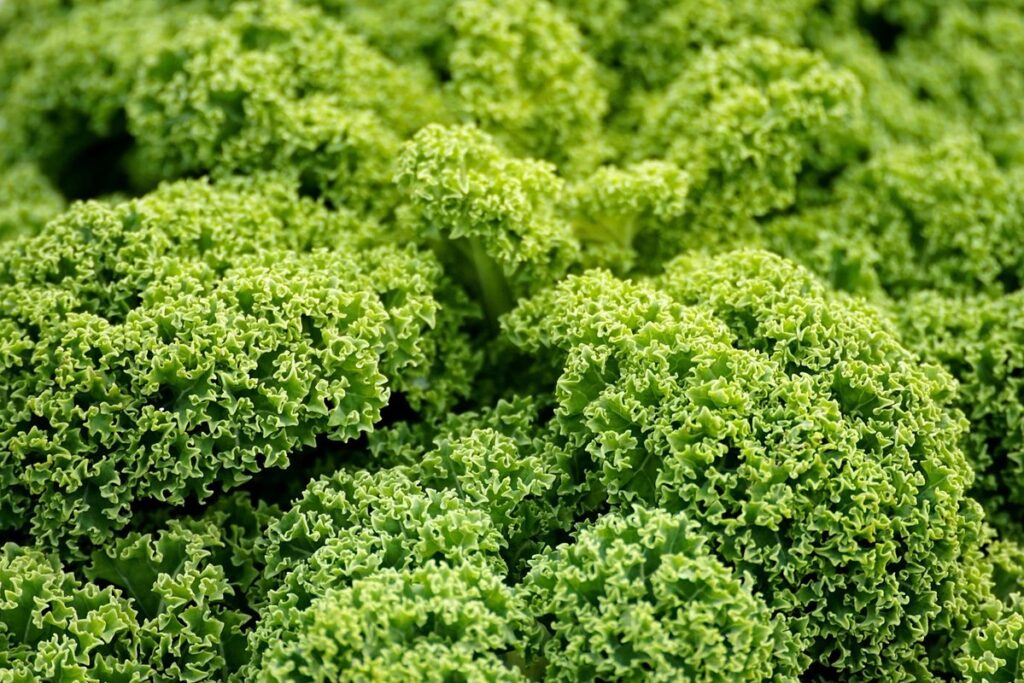
Introduction to Feeding Chickens Leafy Greens
When it comes to feeding your chickens leafy greens, you’re probably curious about what’s safe for them to eat. Let’s dive into why kale stems are a great addition to their diet.
Importance of Leafy Greens in Chicken Diets
Leafy greens are an essential component of a chicken’s diet, and their inclusion can have a significant impact on a flock’s overall health and well-being. Not only do leafy greens provide a rich source of fiber, vitamins, and minerals, but they also play a crucial role in maintaining a healthy digestive system.
In the wild, chickens forage for food by pecking at leaves, stems, and other plant material. By replicating this natural behavior, we can help our backyard chickens maintain their physical and mental health. Leafy greens like kale, spinach, collard greens, and lettuce are all high in antioxidants, which can help reduce inflammation and protect against diseases.
Incorporating leafy greens into your chicken’s diet is also a great way to encourage foraging behavior, even if they’re raised on a conventional feed. By providing them with a variety of leafy greens, you’ll be promoting their natural instincts while also giving them essential nutrients that might otherwise be lacking in commercial feeds.
Regularly feeding your chickens leafy greens can lead to healthier eggs and happier birds.
Common Leafy Greens Fed to Chickens
When it comes to feeding your chickens a balanced and nutritious diet, incorporating leafy greens is an excellent way to provide them with essential vitamins and minerals. Leafy greens are not only beneficial for chickens’ overall health but also offer various health benefits such as improved egg quality and reduced parasite infestations.
Some popular leafy greens given to chickens include kale, spinach, collard greens, mustard greens, and arugula. Kale stems, in particular, can be fed to your flock providing they are fresh and not wilted. In fact, many backyard chicken keepers swear by using the entire kale plant, including the stem, as a nutritious treat for their chickens.
Other leafy greens like Swiss chard and beet greens can also be added to your chickens’ diet in moderation. It’s essential to introduce new foods gradually to prevent digestive upset. For example, you can start by mixing small amounts of leafy greens into their regular feed or offering them as a treat on the side.
Remember to always ensure the leafy greens are fresh and free from pesticides before feeding them to your chickens.
Understanding Kale Stems as a Nutritious Supplement
Kale stems are often discarded, but they’re packed with nutrients and can be a valuable addition to your chicken’s diet. Let’s explore their potential as a healthy supplement for your flock.
Nutritional Value of Kale Stems for Chickens
Kale stems are packed with essential vitamins, minerals, and antioxidants that can significantly benefit chicken health. For instance, kale is an excellent source of vitamin A, crucial for maintaining healthy vision, immune function, and skin integrity in chickens. Additionally, kale stems contain a good amount of calcium, which supports strong bone development and density in poultry. Vitamin K found in kale also plays a vital role in blood clotting and bone health.
The antioxidants present in kale, such as kaempferol and quercetin, possess potent anti-inflammatory properties that can help mitigate oxidative stress and promote overall well-being in chickens. Research has shown that feeding chickens with leafy greens like kale can lead to improved immune responses and reduced risk of diseases. To incorporate kale stems into your flock’s diet, consider adding them as a supplement or mix-in to their feed. Chop the stems finely to prevent digestive issues and start with small amounts to ensure your chickens tolerate them well.
Safety Precautions When Feeding Kale Stems
When feeding kale stems to your flock, it’s essential to consider potential risks and allergies that may arise. Some chickens may develop an intolerance or allergy to certain compounds found in kale stems, such as goitrogens or isothiocyanates. These can cause a range of symptoms from mild discomfort to more severe health issues.
To mitigate these risks, start by introducing kale stems gradually into your chicken’s diet, mixing them with their regular feed in small amounts. Monitor your flock closely for any adverse reactions, such as lethargy, loss of appetite, or changes in droppings. If you notice any of these symptoms, discontinue feeding kale stems immediately.
It’s also crucial to choose kale stems from organic sources, free from pesticides and other chemicals that can exacerbate potential health issues. You can grow your own kale or source it from a trusted local farmer who uses sustainable practices.
Can Chickens Eat Raw or Cooked Kale Stems?
When it comes to kale stems, you’re probably wondering if raw or cooked is safe for your feathered friends. Let’s dive into whether chickens can eat either option.
Raw vs. Cooked Kale Stems for Chickens
When it comes to feeding kale stems to your chickens, you may be wondering whether raw or cooked is best. The choice between these two options depends on several factors, including the nutritional needs of your flock and their individual preferences.
Feeding raw kale stems has its advantages. For one, they retain more nutrients than cooked kale, particularly vitamins C and B6, as well as minerals like calcium and iron. Additionally, raw kale is lower in oxalic acid, a compound that can inhibit nutrient absorption in chickens. However, raw kale can be difficult for your birds to digest, potentially leading to digestive issues.
Cooked kale stems, on the other hand, are easier for chickens to digest. The cooking process breaks down some of the tough cell walls, making it simpler for your flock to access the nutrients within. Cooking also reduces the amount of oxalic acid present in the kale, making it a better option for birds with sensitive digestive systems.
Ultimately, you can offer both raw and cooked kale stems to your chickens as part of their varied diet. A good rule of thumb is to start with small amounts of raw kale and gradually increase the quantity based on your flock’s response. If you notice any adverse reactions, such as diarrhea or lethargy, switch to cooked kale or adjust the serving size accordingly.
Preparing Kale Stems for Chicken Consumption
When preparing kale stems for your chickens to eat, it’s essential to follow proper steps to ensure their safety and optimal nutrition. First, start by washing the kale stems thoroughly with clean water to remove any dirt, debris, or pesticides that might be present.
Next, chop the kale stems into bite-sized pieces or strips, depending on your chicken’s preference. You can also trim any tough or fibrous parts from the stems, as they may be difficult for your chickens to digest.
Before serving the prepared kale stems to your flock, make sure to inspect them visually and smell them for any signs of spoilage or rot. Discard any wilted or moldy kale to prevent illness in your chickens.
To minimize waste, consider using the entire kale plant, including the leaves and stems, in moderation as part of a balanced diet. This will not only reduce food waste but also provide essential nutrients and fiber for your chickens.
Health Benefits of Feeding Kale Stems to Chickens
If you’re considering feeding kale stems to your flock, you’re probably wondering what kind of health benefits they can provide for your chickens. Let’s dive into some surprising advantages.
Boosting Immune Systems with Kale Stems
Kale stems are more than just a nutritious treat for chickens – they also play a vital role in supporting their immune systems. When it comes to keeping our feathered friends healthy, a strong immune system is key. And what’s one of the most effective ways to boost it? Feeding them kale stems!
Here’s why: kale stems are rich in antioxidants and other essential nutrients that help fight off diseases and infections. By incorporating them into your chicken’s diet, you’ll be giving their immune systems an extra layer of protection against common poultry illnesses like respiratory issues and parasites.
In fact, research has shown that kale stem consumption can increase the production of antibody-secreting cells in chickens, which helps to neutralize pathogens and keep disease at bay. So, how can you start incorporating kale stems into your chicken’s diet? Simply chop them up and add them to their food or feed them as a treat.
Aim to include about 1-2% of their daily intake as kale stems. For example, if your chicken eats 100 grams of food per day, try adding 1-2 grams of chopped kale stem to their mix. With regular consumption, you may notice an improvement in their overall health and a reduced risk of disease. Give it a try and see the benefits for yourself!
Improving Egg Yolk Quality with Kale Stems
When it comes to feeding kale stems to chickens, one of the most significant benefits is the improvement in egg yolk quality. The vibrant green color and richness of the yolks are a direct result of the antioxidants and pigments present in kale stems. These nutrients are essential for producing healthy, high-quality eggs.
Kale stems are particularly rich in carotenoids, specifically lutein and zeaxanthin, which are responsible for the yellow and orange colors in egg yolks. By incorporating kale stems into your chicken’s diet, you can expect to see a noticeable increase in yolk color intensity. This is especially important if you’re raising chickens for their eggs, as it can be a key selling point.
In addition to enhanced color, feeding kale stems also contributes to the overall richness of the egg yolks. The high content of omega-3 fatty acids and vitamins A and E in kale stems helps to create a more robust yolk flavor. By adding kale stems to your chicken’s diet, you can enjoy eggs with both impressive appearance and taste.
Tips for Incorporating Kale Stems into Chicken Diets
If you’re looking to get creative with kale stems and add variety to your flock’s diet, here are some practical tips to consider. This section will cover ways to incorporate them safely into their meals.
Gradually Introducing Kale Stems to Chickens
When introducing kale stems to your chickens for the first time, it’s essential to do so gradually to prevent digestive upset. Chickens can be sensitive to sudden changes in their diet, and a radical shift to eating kale stems may lead to discomfort or even illness.
To avoid this, start by mixing small amounts of finely chopped kale stems into their regular feed, ideally at the rate of about 1 tablespoon per chicken per day. This will allow their digestive system to adjust gradually. Monitor your chickens’ behavior and stool quality closely for any signs of adverse reactions.
As they become accustomed to eating kale stems, you can increase the amount over time, aiming for a maximum of 10% of their daily feed intake. For example, if your chicken consumes about 1 cup of feed per day, you could offer 2-3 tablespoons of chopped kale stems as part of that total.
Variety is Key: Combining Kale Stems with Other Leafy Greens
When it comes to providing a balanced diet for your chickens, variety is key. This is especially true when incorporating kale stems into their meals. While kale stems are nutritious and safe for chickens to eat, feeding them the same thing every day can lead to nutritional deficiencies over time.
Aim to combine kale stems with other leafy greens like collard greens, mustard greens, and dandelion greens. For example, you could mix 1 cup of chopped kale stems with 1/2 cup of chopped collard greens and 1/4 cup of chopped parsley for a nutrient-packed treat. Rotate the types of leafy greens you offer your chickens regularly to ensure they’re getting all the essential vitamins and minerals they need.
Consider creating a salad bar-style feeding system where your chickens can choose from a variety of greens, including kale stems. This will not only keep them engaged but also encourage them to try new foods and eat their recommended daily intake. By mixing things up and offering multiple leafy greens, you’ll be doing your flock a favor by providing the balanced diet they deserve.
Conclusion: Making Informed Decisions about Feeding Chickens Kale Stems
Now that you’ve learned whether chickens can safely enjoy kale stems, let’s discuss how to incorporate them into their diet in a way that’s healthy and beneficial.
Recap of Benefits and Precautions
As we wrap up this article on feeding kale stems to chickens, let’s recap the key takeaways and highlight both the benefits and precautions to keep in mind.
On the benefits side, feeding kale stems to your flock can be a great way to provide essential nutrients and fiber. The high concentration of vitamins A, C, and K in kale makes it an excellent addition to their diet. Additionally, the calcium content in kale stems supports strong bone growth and development. We also discussed how incorporating kale stems into their meals can help reduce stress and boost overall health.
However, as with any new food introduction, there are precautions to take note of. First and foremost, ensure that you provide only kale stems without the leaves or flowers, as these contain higher amounts of oxalates, which can be toxic to chickens in large quantities. It’s also crucial to introduce kale stems gradually, mixing them with their regular feed to avoid digestive upset.
A general rule of thumb is to limit kale stem consumption to about 1-2 cups per 10 pounds of bird weight per week. This will help prevent overfeeding and minimize the risk of vitamin K toxicity. When foraging, always supervise your chickens to ensure they’re not eating too much kale at once. Lastly, make sure to store kale stems properly to maintain their nutritional value.
By following these guidelines and being mindful of the potential risks, feeding kale stems can be a nutritious and delicious addition to your flock’s diet. Remember to monitor their overall health and adjust their kale intake accordingly. With a little planning and caution, you can provide your chickens with this wonderful superfood and reap its many benefits.
Frequently Asked Questions
What’s the ideal way to store kale stems for my chickens?
Store kale stems in a cool, dry place or refrigerate them to keep them fresh for longer. This will prevent spoilage and maintain their nutritional value when feeding them to your chickens.
How long can I take before introducing kale stems as a regular supplement?
Introduce kale stems gradually, allowing your flock to adjust to the new food source over 7-10 days. Start with small amounts (about 1/4 cup per bird) and monitor their response to avoid digestive issues.
Can chickens eat kale stems that have gone limp or wilted?
No, it’s best to discard wilted kale stems as they may be contaminated with bacteria or mold, which can harm your flock. Use fresh, crisp kale stems for optimal nutrition.
How often can I feed my chickens kale stems in addition to their regular diet?
Feed kale stems 1-2 times a week, depending on the size of your flock and individual bird needs. This will help maintain a balanced diet and prevent over-reliance on one food source.
What’s the best way to prepare kale stems for raw feeding to my chickens?
Rinse the kale stems thoroughly, then chop or shred them into manageable pieces before serving. You can also dry or freeze kale stems for later use, which helps preserve nutrients and extends shelf life.