
If you’re like many backyard chicken enthusiasts, you’ve likely found yourself pondering what to feed your feathered friends. One common question that often arises is whether chickens can safely eat peanut shells. While peanut shells may seem like a harmless snack for your hens, there are some important considerations to keep in mind. On one hand, peanut shells are a good source of fiber and protein, but they also pose a significant choking hazard if not properly processed. In this article, we’ll delve into the risks and benefits of feeding chickens peanut shells, including their nutritional content and safe alternatives to ensure a balanced diet for your flock.
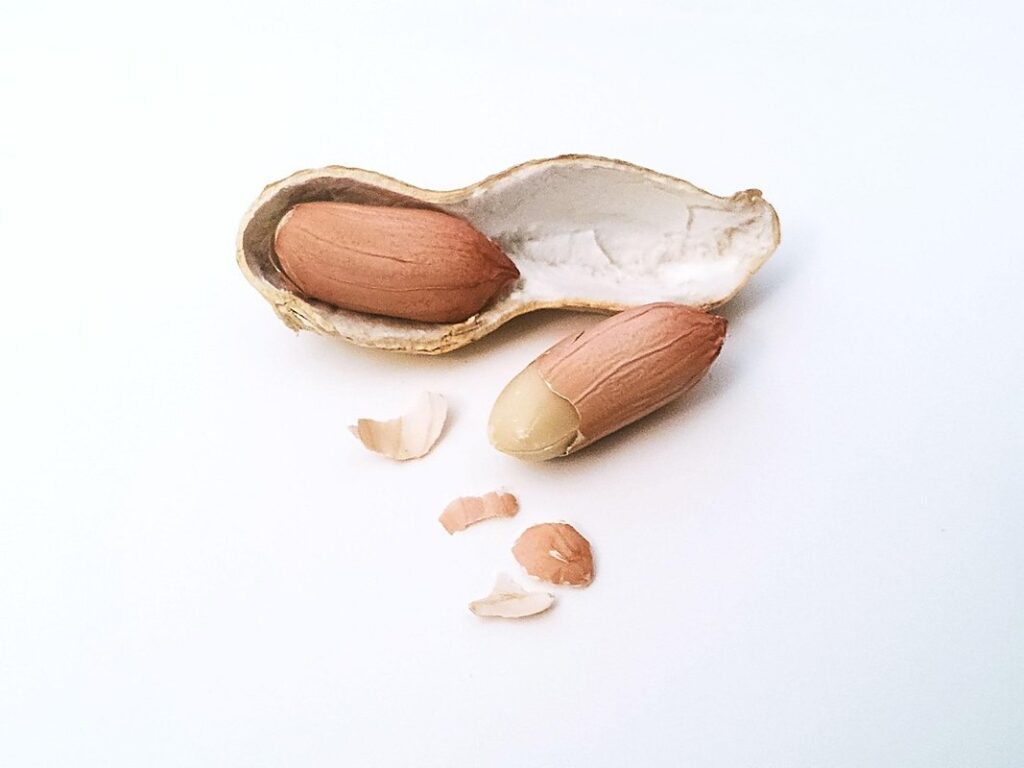
The Risks of Feeding Chickens Peanut Shells
Feeding chickens peanut shells may seem harmless, but it can actually pose some serious health risks to your feathered friends. Let’s take a closer look at what these risks are.
Nutritional Content of Peanut Shells
Peanut shells are often touted as a nutritious supplement for chickens due to their high fiber and protein content. A 100-gram serving of peanut shells contains approximately 20 grams of dietary fiber and 10 grams of protein, which can be beneficial for maintaining healthy digestion and supporting muscle growth in birds.
However, while these nutrients may be present, they are not readily digestible by chickens. Peanut shells contain a type of complex carbohydrate called phytates, which can bind to essential minerals like calcium, iron, and zinc, rendering them unavailable to the chicken’s body. This can lead to nutrient deficiencies if peanut shells become a significant portion of the chicken’s diet.
In fact, research has shown that feeding chickens large quantities of peanut shells can lead to an imbalance in their gut microbiome, potentially causing digestive issues like constipation or diarrhea. Therefore, it’s essential to limit or avoid giving peanut shells as a supplement altogether and instead focus on providing a balanced commercial feed as the primary source of nutrition for your flock.
Choking Hazards and Intestinal Blockages
If your chickens ingest large pieces of peanut shells, it can lead to serious health issues. The hard, fibrous material can get stuck in their digestive tract and cause a blockage. In severe cases, this can result in life-threatening conditions such as impacted intestines or even death.
Symptoms of intestinal blockages may not be immediately apparent, but they often include lethargy, loss of appetite, and reduced egg production in laying hens. You might also notice that your chickens are straining to pass droppings, which can lead to painful constipation. In advanced cases, the impacted area may rupture, causing peritonitis – a severe abdominal infection.
It’s essential to keep an eye on your flock’s behavior and be vigilant about monitoring their droppings for any signs of issues. Regularly inspecting their living space and preventing access to peanut shells can help prevent these risks altogether. Make sure to store peanut shells safely, either by composting them or disposing of them properly, to avoid any potential hazards.
Peanut Shells as Bedding Material vs. Food Source
You’re probably wondering what happens when you give your chickens peanut shells to eat, and whether they can actually be used as a nutritious food source instead of just bedding material. Let’s weigh the pros and cons.
Benefits of Using Peanut Shells as Bedding
Using peanut shells as bedding material for your chickens’ coop has numerous benefits that can enhance their living conditions and reduce maintenance tasks. One of the primary advantages is its exceptional absorbency. Peanut shells are able to soak up urine and other moisture-rich substances efficiently, which helps keep the coop floors dry and clean. This reduces the risk of ammonia buildup, a common issue in coops where droppings accumulate. As a result, your chickens will have a healthier environment to live in.
Another significant benefit is that peanut shells are free from many contaminants often found in traditional bedding materials like straw or hay. They won’t bring in pests like mites, ticks, or rodents, which can spread diseases among your flock. Additionally, peanut shells are relatively easy to clean and maintain. You can simply sweep them up regularly and replace them entirely every few months.
When incorporating peanut shells into your coop’s bedding, be sure to layer them at least 2-3 inches deep to ensure effectiveness. This will help absorb moisture and keep the area dry for a longer period.
The Dangers of Eating Peanut Shells in Excess
Feeding chickens peanut shells in excess can have serious consequences on their overall health. A balanced diet is crucial for maintaining good health, and feeding too many peanut shells can disrupt this balance. Peanut shells are high in fiber but low in protein and other essential nutrients that chickens need to thrive.
When chickens consume excessive amounts of peanut shells, they may develop an imbalance of calcium and phosphorus, leading to weakened bones, soft eggshells, or even metabolic disorders. This is because peanut shells have a higher concentration of fiber than other feed sources, which can displace more nutritious foods in the chicken’s diet.
To avoid this issue, it’s essential to provide chickens with a varied and balanced diet that includes high-quality commercial layer feed as the main staple, supplemented with fresh fruits, vegetables, and whole grains. If you choose to offer peanut shells as an occasional treat, make sure to limit the amount to no more than 5-10% of their daily ration.
Nutrient Balance in a Chicken’s Diet
When it comes to feeding your chickens, striking the right balance of nutrients is crucial for their health and well-being. Let’s take a closer look at what they need to stay healthy.
Essential Nutrients for Chickens
When it comes to keeping chickens happy and healthy, providing a balanced diet is crucial. Chickens require a variety of essential nutrients to thrive, including protein, calcium, and vitamins. Protein is vital for building and repairing feathers, muscles, and organs, while calcium is necessary for strong bone development and eggshell production.
To ensure your flock receives the right amount of these essential nutrients, consider adding supplements or altering their feed. For example, you can sprinkle crushed oyster shells on their food to increase calcium intake. Alternatively, you can opt for a high-protein layer feed during peak egg-laying seasons.
It’s also important to note that chickens require specific amounts of vitamins A, D3, E, and K in their diet. You can provide these through fortified foods or supplements, but be sure to follow the manufacturer’s guidelines to avoid over-supplementation. A balanced diet will not only promote your flock’s overall health but also support optimal egg production and reduce the risk of diseases.
How Peanut Shells Can Disrupt This Balance
When peanut shells make up a significant portion of a chicken’s diet, they can disrupt the delicate balance of nutrients. This is particularly concerning if the shells are high in fiber and low in protein, as this can lead to an over-reliance on carbohydrates for energy. Chickens that consume too many peanut shells may develop a condition known as “fatty liver” due to an imbalance of omega-6 and omega-3 fatty acids.
For example, if a chicken eats 50% or more of its daily calories from peanut shells, it may not be getting enough protein or other essential nutrients. This can lead to weight loss, decreased egg production, and even organ damage over time. To maintain nutrient balance in their diet, it’s recommended that chickens eat no more than 10-20% of their daily calories from peanut shells.
In practice, this means supplementing with a balanced feed or offering small amounts of peanut shells as an occasional treat rather than relying on them as the main source of nutrition. By doing so, chicken owners can help ensure their birds maintain optimal health and well-being.
Safe Alternatives to Peanut Shells for Chickens
If you’re worried that peanut shells might not be safe for your flock, don’t worry we’ve got some fantastic alternatives for your feathered friends to peck at.
Other High-Fiber Food Sources
In addition to oats and sunflower seeds, there are many other high-fiber food sources that can provide similar benefits for your chickens without the risks associated with peanut shells. Chia seeds, for instance, are an excellent option. They’re rich in omega-3 fatty acids and fiber, making them a nutritious treat for your flock. You can mix chia seeds into their feed or offer them as a supplement.
Another great alternative is whole corn kernels. Not only do they provide a good source of fiber, but they’re also high in energy and nutrients like phosphorus and potassium. When introducing new foods to your chickens’ diet, it’s essential to do so gradually to prevent digestive upset. Start by mixing small amounts into their feed and observe their behavior for any signs of discomfort.
Other options include flaxseeds, which are a rich source of omega-3 fatty acids and fiber, as well as millet, a nutrient-dense grain that provides a good balance of carbohydrates, protein, and fiber. By incorporating these high-fiber foods into your chickens’ diet, you can provide them with the nutrients they need to stay healthy and happy without exposing them to the risks associated with peanut shells.
Creating a Balanced Chicken Feed Mix
When it comes to providing your chickens with a nutritious and balanced diet, creating a custom feed mix can be an excellent option. By combining grains, fruits, and vegetables, you can create a mix that meets your flock’s specific needs.
Start by selecting a base grain such as oats, barley, or wheat, which provide essential carbohydrates and fiber. Next, add in some protein-rich ingredients like cooked legumes (lentils, chickpeas), nuts (sunflower seeds, pumpkin seeds), or seeds (flaxseeds, chia seeds). Fruits like apples, berries, and melons can be added for a natural source of sweetness and moisture.
Vegetables like leafy greens (kale, spinach), carrots, and sweet potatoes provide essential vitamins and minerals. Remember to include a calcium-rich ingredient like crushed eggshells or oyster shells to support strong bone growth. Aim for a mix that’s about 50% grains, 30% protein, and 20% fruits and vegetables. Adjust the proportions based on your flock’s age, size, and health needs.
Some healthy examples of ingredients you can include in your feed mix are:
* Oats, barley, or wheat as base grains
* Cooked lentils, chickpeas, or black beans for protein
* Sliced apples, berries, or melons for fruits
* Chopped kale, spinach, or carrots for vegetables
* Crushed eggshells or oyster shells for calcium
Remember to always transition your flock gradually to the new feed mix to avoid digestive upset.
Conclusion: Feeding Chickens Peanut Shells Safely
Now that we’ve covered the basics, let’s wrap up by summarizing the safe and healthy ways to feed peanut shells to your backyard chickens.
Key Takeaways
When feeding your flock, it’s essential to remember that peanut shells should not be a staple of their diet. While they may seem like a nutritious treat, they can actually cause more harm than good if fed excessively. A balanced diet is crucial for maintaining the health and well-being of your chickens.
You can provide your chickens with a variety of foods, such as fruits, vegetables, grains, and proteins. Consider offering them small amounts of treats like mealworms or sunflower seeds instead of peanut shells. Peanut shells are high in fat and low in nutritional value, making them an unbalanced addition to their regular meals.
To ensure you’re providing the best possible diet for your chickens, consult with a veterinarian or a qualified poultry expert. They can help you develop a customized feeding plan that meets your flock’s specific needs. Remember to prioritize their health and safety by offering a well-rounded and balanced meal each day.
Best Practices for Chicken Caregivers
As a chicken caregiver, it’s essential to follow best practices when introducing peanut shells into your flock’s diet. Before offering peanut shells, ensure they are free from mold and pests by storing them in an airtight container. Start with small amounts (about 1-2% of their total diet) to monitor for any adverse reactions.
Regularly inspect your chickens for signs of illness or nutritional deficiencies, such as lethargy, labored breathing, or changes in droppings. Be aware of the following warning signs: ruffled feathers, loss of appetite, or difficulty walking. If you notice any of these symptoms, consult a veterinarian to rule out underlying health issues.
Monitor your chickens’ overall health and adjust their diet accordingly. A balanced mix of grains, fruits, and vegetables should remain the primary staple of their diet. Peanut shells can be a healthy addition, but not a replacement for their regular feed. By following these guidelines, you’ll be able to provide your flock with a safe and nutritious source of fiber and protein.
Frequently Asked Questions
Can I use peanut shells as a substitute for traditional bedding material?
You can use peanut shells as bedding material, but it’s essential to note that they may not be the most effective choice due to their high oil content and potential to attract pests. If you do decide to use peanut shells as bedding, make sure to dry them thoroughly first to reduce the risk of mold growth.
How can I ensure my chickens get enough fiber from alternative sources?
To ensure your chickens are getting sufficient fiber from alternative sources, consider adding other high-fiber foods like alfalfa hay, oats, or barley to their diet. You can also supplement with commercial feed that contains a balanced mix of nutrients, including fiber.
Can peanut shells be given as a treat or reward in moderation?
Yes, you can give your chickens peanut shells as an occasional treat or reward, but be cautious not to overdo it. Peanut shells should not make up more than 10% of their overall diet. Monitor your flock’s consumption and adjust accordingly to avoid any potential health risks.
How do I prevent my chickens from choking on peanut shell fragments?
To minimize the risk of choking on peanut shell fragments, ensure that they are properly processed into small pieces or crushed before offering them to your chickens. You can also try soaking the peanut shells in water for a few hours to help soften them and reduce the likelihood of choking.
Are there any specific nutrient deficiencies I should be aware of when feeding my chickens peanut shells?
When incorporating peanut shells into your flock’s diet, keep an eye out for signs of phosphorus deficiency. Peanut shells contain phytates, which can bind to essential minerals like calcium, iron, and zinc. Monitor your chickens’ behavior and adjust their diet accordingly to prevent any nutrient deficiencies.