
Are you wondering if your backyard chickens can indulge in a tasty treat like oatmeal cookies? While it may be tempting to share your own snacks with your feathered friends, it’s essential to consider the nutritional risks and implications for their health. As much as we love our chickens, it’s crucial to provide them with a balanced diet that meets their unique needs. Oatmeal cookies, in particular, can be problematic due to high sugar content, added ingredients, and potential choking hazards. In this article, we’ll explore the ins and outs of feeding your chickens oatmeal cookies and discuss safe alternatives to ensure your flock stays healthy and happy. We’ll dive into the nutritional risks and provide you with practical tips for a balanced backyard chicken diet.
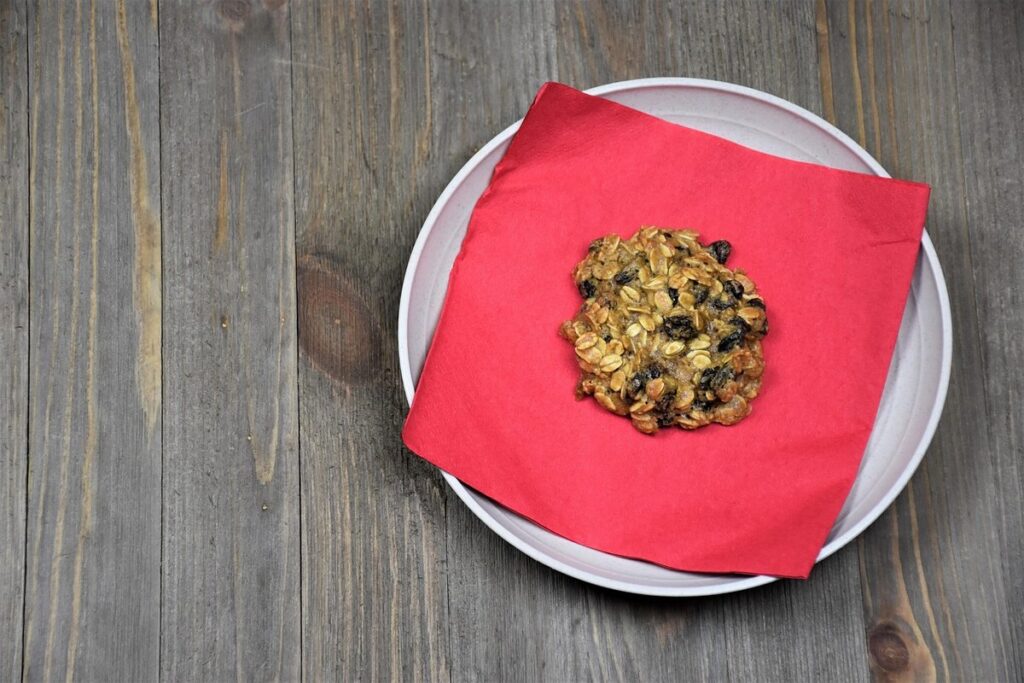
Understanding Chicken Nutrition
When it comes to feeding our feathered friends, understanding their nutritional needs is crucial. Let’s dive into what chickens need to stay healthy and thrive.
The Importance of Balanced Diets
A well-balanced diet is crucial for chickens to maintain their overall health and well-being. Just like humans, chickens require a mix of protein, vitamins, and minerals to keep their feathers shiny, immune system strong, and energy levels up. A balanced diet should include around 16-20% protein from sources like insects, seeds, and grains. For instance, a layer hen needs about 1.5 ounces of protein per day.
Vitamins and minerals are equally essential for chickens. Vitamin A is vital for healthy vision, immune function, and skin health. Vitamin D3 helps maintain strong bones and regulate calcium levels. Calcium, in turn, supports bone growth and density. Without adequate calcium intake, hens may develop softening of the eggshell, making it more prone to breakage.
Providing your flock with a balanced diet can be achieved by offering a mix of commercial layer feed, fruits, vegetables, and insects. Fresh greens like kale and spinach are rich in vitamins A, E, and K. Avoid over-reliance on grains like oats, which may contribute to an imbalance in the diet.
Common Nutritional Deficiencies in Backyard Flocks
When it comes to raising backyard chickens, it’s essential to be aware of the common nutritional deficiencies that can affect their health. These deficiencies can arise from a variety of factors, including inadequate diet, poor quality feed, and limited access to sunlight. One example is vitamin A deficiency, which can lead to issues such as impaired vision, weakened immune systems, and even death.
Calcium imbalance is another significant concern for backyard chicken flocks. Inadequate calcium levels can cause softening of the bones (osteodystrophia), leading to a range of health problems, including eggshell thinning, reduced fertility, and an increased risk of bone fractures.
It’s worth noting that feeding your flock oatmeal cookies regularly can exacerbate these nutritional deficiencies. Oatmeal cookies are often high in carbohydrates but low in essential nutrients like calcium and vitamin A. A balanced diet rich in whole grains, fruits, vegetables, and protein sources is crucial for maintaining a healthy flock. To minimize the risk of nutritional deficiencies, ensure that your chickens have access to a diverse range of foods and supplements throughout the year.
Oatmeal Cookies: Composition and Potential Risks
Let’s take a closer look at what makes up an oatmeal cookie, including common ingredients that might be safe for chickens to eat. This breakdown is crucial in understanding potential risks.
Ingredients in Oatmeal Cookies
Typical oatmeal cookies are packed with ingredients that may not be ideal for our feathered friends. Let’s take a closer look at what’s often found in these treats: sugar content is usually high, with some recipes calling for up to 2 cups of white granulated sugar per batch! This can lead to an excessive intake of empty calories and added sugars in chickens.
Added fats like butter or oil are also commonly used in oatmeal cookie recipes. While these ingredients might be harmless to humans, they can cause digestive issues in chickens due to their high fat content. Chickens have a different metabolism than humans, and consuming too much fat can lead to pancreatitis, a painful condition that inflames the pancreas.
Preservatives like sodium benzoate or potassium sorbate are sometimes added to extend shelf life, but these chemicals can be toxic to chickens in large quantities. Even natural preservatives like cinnamon or nutmeg can cause problems if overconsumed. To keep your flock safe, it’s best to stick with plain oats and wholesome ingredients when baking for them – or consider making oat-based treats from scratch using healthy oils and minimal sugar.
Sugar Content and Its Impact on Flock Health
When it comes to oatmeal cookies and chickens, the sugar content is a major concern. While an occasional treat might seem harmless, excessive sugar consumption can have severe consequences on flock health.
Chickens that eat too much sugar are more likely to experience digestive issues such as diarrhea, gas, and bloating. This can lead to dehydration, weight loss, and even organ damage if left unchecked. In severe cases, excessive sugar intake has been linked to fatty liver syndrome, a condition where the liver becomes inflamed due to fat accumulation.
To put this into perspective, a single oatmeal cookie can contain up to 10 grams of sugar. For a flock of chickens, this translates to a significant amount of sugar per bird, especially if fed regularly as treats. To avoid these risks, it’s essential to limit or eliminate sugary foods from your chickens’ diet altogether. If you must offer treats, choose unsweetened options like fruits and vegetables instead. By making informed choices about what we feed our flock, we can help prevent common health issues and promote a happy, healthy life for our backyard birds.
Can Chickens Eat Oatmeal Cookies?
As a responsible chicken owner, you might be wondering if oatmeal cookies are safe for your feathered friends to munch on. Let’s explore this question together!
Short-Term vs. Long-Term Consumption
When it comes to chickens eating oatmeal cookies, understanding the difference between short-term and long-term consumption is crucial. If a chicken accidentally ingests an oatmeal cookie, it may not suffer from severe health consequences immediately. However, repeated exposure can lead to issues like obesity, as oats are high in calories and sugar.
Long-term consumption of oatmeal cookies by chickens can exacerbate health problems. For instance, a chicken that eats oatmeal cookies regularly may develop digestive issues due to the high amount of sugar and unhealthy fats present in them. Furthermore, overconsumption of oats can lead to an imbalance in their diet, causing malnutrition.
To avoid these complications, it’s essential to ensure your chickens have access only to healthy and balanced food sources. If you’re looking for a treat for your flock, consider alternatives like chopped carrots or apples instead of oatmeal cookies. By taking proactive steps to maintain a healthy chicken diet, you can help prevent potential health issues and keep your birds happy and thriving.
Factors Influencing Toxicity or Safety
When it comes to sharing oatmeal cookies with your feathered friends, their individual characteristics play a significant role in determining toxicity or safety. For instance, younger chickens, which are still developing, might be more susceptible to the adverse effects of consuming oats due to their higher energy requirements and lower digestive capabilities compared to adults.
Health status is another crucial factor to consider; chickens with compromised immune systems or existing health issues may not tolerate oatmeal cookies as well as a healthy bird would. Moreover, individual tolerance levels can vary greatly among chickens; what might be safe for one hen could pose serious health risks to another.
When offering oatmeal cookies to your flock, it’s essential to monitor their consumption and adjust accordingly. A general rule of thumb is to introduce oats in moderation – about 1-2 teaspoons per bird daily – to gauge their tolerance levels. Keep a close eye on your chickens’ behavior and watch for signs of discomfort or distress, such as lethargy, diarrhea, or vomiting, which could indicate that the cookies are causing harm.
Alternatives to Oatmeal Cookies in Chicken Diets
If you’re considering a cookie-based treat for your feathered friends, there are some tasty alternatives to oatmeal cookies that chickens love just as much. Let’s explore those options together.
Nutritional Supplements for Chickens
When it comes to providing balanced nutrition for our feathered friends, nutritional supplements can be a valuable addition to their diet. For backyard flocks, supplements can help fill the gaps in nutrient-rich feed that might be lacking due to various factors such as age, health conditions, or geographic location.
There are several types of supplements available for chickens, including probiotics, omega-3 fatty acids, and vitamin D3. Probiotics, for example, promote healthy digestion by supporting beneficial gut bacteria, while omega-3s enhance the quality of eggs by reducing inflammation. Vitamin D3 is essential for calcium absorption, which in turn supports strong bone growth.
When choosing supplements for your flock, look for products specifically formulated for chickens and follow the recommended usage guidelines to avoid over-supplementation. It’s also crucial to ensure that any supplement you add doesn’t interfere with their regular feed or cause nutrient imbalances.
Some popular brands like Purina and Manna Pro offer a range of supplements designed for various life stages and nutritional needs. Always read labels carefully, and consult with a veterinarian if you’re unsure about the best supplement for your flock.
Healthy Treat Options for Chickens
When it comes to treating your feathered friends, you’ll want to opt for healthy options that provide nutritional value without putting their well-being at risk. While oatmeal cookies might seem like a tempting treat, they’re not the best choice for chickens. Instead, consider these nutritious alternatives:
Fruits like berries, apples, and grapes are all safe for chickens to eat in moderation. Cut them up into bite-sized pieces to prevent choking hazards. Leafy greens like kale, spinach, and collard greens are also great treats that provide essential vitamins and minerals.
Specially formulated chicken snacks can be a convenient option, but make sure to read the ingredient labels carefully. Avoid snacks with added sugars, artificial preservatives, or unhealthy fats. Opt for products made from wholesome ingredients like sweet potatoes, carrots, or oats.
When introducing new treats, do so in small amounts to ensure your chickens can tolerate them. A general rule of thumb is to provide no more than 10% of their daily calories through treats. This will help maintain a balanced diet and prevent overfeeding.
Safety Precautions When Feeding Oatmeal Cookies
When feeding oatmeal cookies to your flock, it’s essential to take certain safety precautions to avoid any potential harm. This includes handling and storing the treats carefully.
Handling and Preparation
When handling oatmeal cookies for feeding to chickens, it’s essential to follow proper procedures to minimize risks of contamination or toxicity. First and foremost, ensure that the cookies are stored in an airtight container to maintain freshness and prevent moisture from seeping in.
Before offering the cookies to your flock, make sure they are free from any mold or spoilage. Check for visible signs of deterioration, such as an off smell or slimy texture. Discard any suspect cookies to avoid poisoning your birds.
To prepare the oatmeal cookies, break them into small pieces or crumble them into fine crumbs to facilitate easier consumption and reduce the risk of choking. You can also mix a few treats like oats, fruits, or veggies with the cookie bits for added nutrition and variety.
Remember, always introduce new foods gradually and in moderation to prevent digestive upset. Start by offering a small amount (about 1-2% of their daily diet) and observe your chickens’ behavior and appetite before increasing the serving size. This approach will help you monitor their tolerance and adjust accordingly.
Monitoring Flock Health Post-Consumption
Monitoring flock health after providing oatmeal cookies as treats is crucial to ensure that your chickens are safe and healthy. Keep a close eye on their behavior and physical condition for the next 24-48 hours, looking out for potential signs of adverse reactions or nutritional deficiencies.
Some common indicators of trouble include vomiting, diarrhea, lethargy, or changes in appetite. If you notice any of these symptoms, it’s essential to consult with a veterinarian as soon as possible.
A sudden drop in egg production or changes in the color or consistency of their droppings can also be indicative of an issue. In severe cases, oatmeal cookies can cause pancreatitis, which is a painful and potentially life-threatening condition.
To minimize risks, only offer small amounts of oatmeal cookies (about 1-2 pieces per chicken) as occasional treats. Mix in some fresh fruits or vegetables to add fiber and nutrients to their diet. Always prioritize their regular feed as the main source of nutrition.
Frequently Asked Questions
Can I safely give my chickens oatmeal cookies as an occasional treat?
Yes, it’s still not recommended to regularly feed your chickens oatmeal cookies due to their high sugar content and potential choking hazards. If you do choose to offer them as a rare treat, make sure they’re free from added ingredients like nuts or chocolate.
How do I ensure my flock is getting enough protein in their diet if I’m feeding them oats?
A balanced chicken diet should include around 16-20% protein from sources like insects, seeds, and grains. You can supplement your flock’s diet with protein-rich foods such as mealworms, sunflower seeds, or crickets to ensure they’re meeting their nutritional needs.
What are some common signs of nutritional deficiencies in chickens?
Chickens with nutritional deficiencies may exhibit symptoms like lethargy, poor feather condition, or reproductive issues. Look out for changes in egg production, droopy wings, or pale combs to identify potential issues and adjust your flock’s diet accordingly.
Can I use oatmeal cookies as a substitute for commercial chicken feed?
No, it’s not recommended to rely solely on oatmeal cookies as a substitute for commercial chicken feed due to their nutritional imbalance. Commercial feeds are formulated to meet chickens’ specific needs, while oatmeal cookies can cause more harm than good if relied upon as a primary food source.
How do I store and handle oatmeal cookies safely when giving them to my flock?
To prevent spoilage and contamination, store oatmeal cookies in airtight containers away from your flock’s living area. When offering treats, make sure they’re fresh and not moldy or stale. Always supervise your flock during treat time to avoid choking hazards.