
When it comes to keeping your chickens happy and healthy, the right bedding material is crucial. Two popular options for chicken coops are hay and straw, but which one is best? Choosing between hay and straw can be a daunting task, especially with so many conflicting opinions online. But, as a responsible backyard chicken keeper, you want to make an informed decision that benefits your flock’s health and well-being.
In this article, we’ll delve into the world of hay vs straw for chicken coops, exploring their nutritional value, moisture content, and eco-friendliness. We’ll break down the pros and cons of each option, helping you understand what makes them tick. By the end of this post, you’ll have a clear understanding of how to choose the best bedding material for your coop, ensuring your chickens stay happy and healthy all year round.
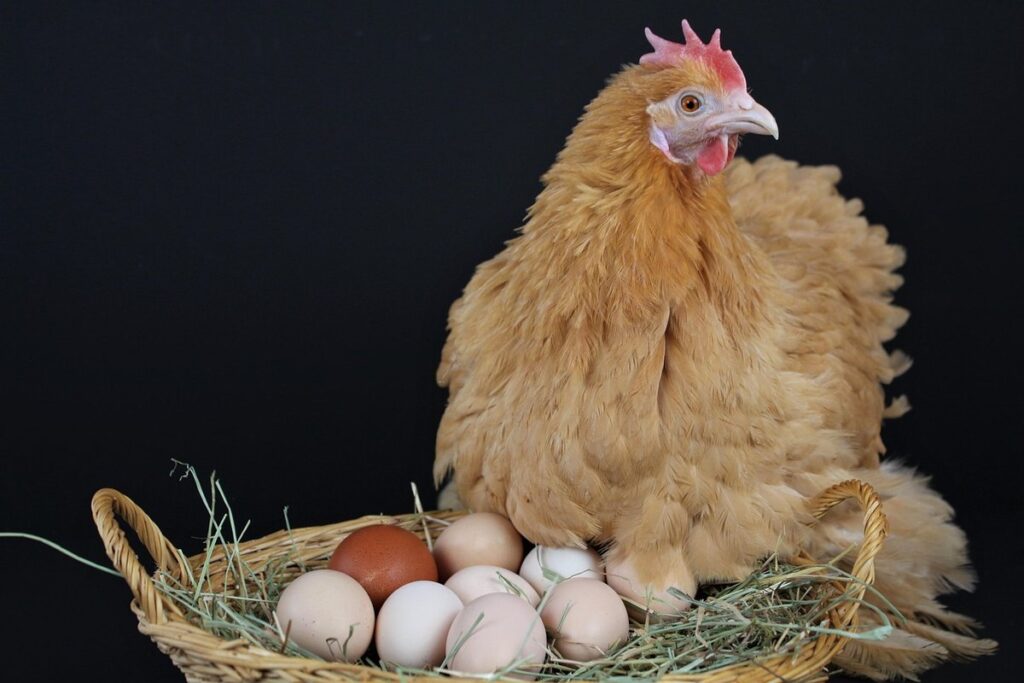
Benefits and Drawbacks of Using Hay in Your Chicken Coop
When deciding between hay and straw for your chicken coop, it’s essential to weigh the advantages and disadvantages of using each option. This section will help you make an informed decision about what works best for your flock.
Advantages of Hay for Chicken Health
When it comes to providing healthy food options for our feathered friends, hay stands out as an exceptional choice. Rich in fiber and low in calories, hay plays a vital role in supporting the digestive health of chickens. A diet high in fiber helps maintain a balanced gut microbiome, which is essential for overall well-being.
Chickens that consume hay regularly tend to have fewer issues with constipation and diarrhea. This can significantly reduce the need for costly supplements or medications to address these common problems. Moreover, hay’s high fiber content encourages natural foraging behavior in chickens, stimulating their instincts and keeping them engaged.
To make the most of hay’s benefits, it’s essential to choose the right type. Alfalfa hay is an excellent choice due to its exceptionally high protein and calcium levels, making it ideal for laying hens. Oat or timothy hay are also good options for a more balanced diet. Fresh hay should be stored in a dry place and served in moderation as part of a well-rounded feeding plan.
Disadvantages of Hay: Moisture Content and Mold Risk
While hay can be a convenient and cost-effective bedding option for chicken coops, it’s not without its drawbacks. One of the main concerns with using hay is its tendency to mold or attract pests due to moisture content. This can lead to unpleasant odors, unhealthy living conditions for your chickens, and even create an environment conducive to disease.
If you notice that your hay is holding too much moisture, it’s essential to dry it out thoroughly before placing it in the coop. You can do this by spreading it out in a single layer on a tarp or sheet and letting it air dry. However, be cautious not to over-dry the hay, as this can lead to crumbly or brittle material that doesn’t provide adequate insulation.
Some types of hay are more prone to moisture issues than others. For example, alfalfa hay is particularly susceptible due to its high water content. In contrast, timothy hay tends to be drier and less likely to mold.
Cost-Effective Options for Hay in Chicken Coops
Incorporating hay into your chicken coop doesn’t have to break the bank. When it comes to choosing a cost-effective option, consider bulk purchases. Buying hay in large quantities can significantly reduce the price per bale, making it a more affordable choice for your flock. For instance, if you purchase 20 bales at once, you’ll often get a lower rate than buying just a few.
Another way to save is by opting for DIY methods. You can collect dried grasses and weeds from your own yard or nearby fields, eliminating the need for store-bought hay altogether. This approach requires some effort but can be a cost-effective solution in the long run. Additionally, consider using locally sourced materials whenever possible – often, farmers will give away free hay as it’s too old to sell.
To maximize savings, think creatively about how you use hay in your coop. Instead of just providing a thick layer for bedding, try mixing it with other materials like straw or recycled paper products to create a more durable and long-lasting bed. This approach not only saves money but also reduces waste and promotes sustainability.
Benefits and Drawbacks of Using Straw in Your Chicken Coop
When deciding between hay and straw for your chicken coop, it’s essential to weigh the pros and cons of using straw specifically, including its impact on your flock’s health. Let’s dive into the benefits and drawbacks.
Advantages of Straw for Easy Cleanup
When it comes to maintaining a clean and healthy environment for your chickens, using straw in their coop can have several advantages. One of the key benefits is its dry nature. Unlike hay, which can be prone to mold and mildew, straw remains relatively dry even when exposed to moisture. This makes it an excellent choice for areas with high humidity or where condensation issues are prevalent.
Using straw also makes cleanup a breeze. When soiled or damaged by droppings, straw can be easily replaced without creating a mess. Simply remove the old straw and replace it with new material, eliminating the risk of spreading disease or pests throughout the coop. Furthermore, straw resists mold and mildew better than hay, reducing the likelihood of bacterial growth and odors that can compromise air quality.
As an added benefit, straw’s open structure allows for airflow within the coop, which can help reduce ammonia buildup from droppings. This makes it a healthier choice for your flock, as well as easier to maintain overall. By opting for straw in your chicken coop, you’ll find that cleanup and upkeep are significantly streamlined, allowing you to focus on other aspects of caring for your birds.
Disadvantages of Straw: Lack of Nutritional Value
When it comes to providing optimal care for your flock, choosing the right bedding material is crucial. While straw may seem like a convenient and cost-effective option, its lack of nutritional value can be a significant drawback. Compared to hay, straw lacks essential nutrients that chickens need to stay healthy.
A diet rich in fiber and protein is vital for maintaining your chicken’s overall health. Straw contains very little protein, which means it won’t contribute much to their nutrient intake. If straw is the primary bedding material, you may find yourself supplementing with other feed sources more frequently. This can lead to an increased cost and potentially unbalanced nutrition.
In contrast, hay is a rich source of fiber and nutrients that chickens love to peck at. It’s also a natural way to provide them with essential vitamins and minerals. If you’re considering straw as a bedding option, it’s worth weighing the pros and cons carefully. Consider offering both straw and hay in separate areas or supplementing with hay-rich feed sources to ensure your flock gets the nutrients they need.
Eco-Friendly Options for Straw Use in Chicken Coops
When it comes to choosing eco-friendly options for straw use in chicken coops, there are several factors to consider. One of the primary advantages of using straw is its biodegradable nature, making it an excellent choice for composting and reducing waste. However, the environmental benefits of straw can be significantly impacted by the sourcing methods used.
To make sustainable choices when sourcing or utilizing straw, consider opting for locally sourced or certified organic materials whenever possible. This not only reduces transportation emissions but also supports environmentally responsible farming practices. Additionally, look for suppliers that offer straw in bulk quantities to minimize packaging waste and reduce costs.
When using straw in your chicken coop, be mindful of the amount you use and store it in a well-ventilated area to prevent mold growth. You can also repurpose old straw or reuse it as mulch around plants once it’s been removed from the coop. By making these simple adjustments, you can reduce waste, promote eco-friendly practices, and create a more sustainable environment for your flock.
Hay vs Straw: Moisture Content Comparison
When choosing between hay and straw for your chicken coop, understanding their moisture levels is crucial. Let’s break down how these two options compare in terms of moisture content.
Measuring and Managing Moisture Levels in Hay and Straw
Measuring and managing moisture levels is crucial when it comes to storing hay and straw for your chicken coop. High humidity can lead to mold growth, which not only affects the health of your flock but also compromises the quality of the bedding material.
To assess moisture content, you’ll need a hygrometer or a psychrometer. These tools measure relative humidity (RH) in percentages. You can purchase a hygrometer at most hardware stores or online. When using a hygrometer, take readings from multiple locations within your storage area to ensure accuracy. Aim for a RH level between 30-50%. This range allows for adequate airflow and prevents mold growth.
If you’re storing hay, it’s essential to check moisture levels regularly, as it can be prone to high humidity. You can also use the “squeeze test” to gauge moisture: compress a handful of hay; if it forms a tight crumb, it’s too dry. If it flattens easily but doesn’t form a crumb, the moisture level is optimal.
Remember that maintaining the right moisture levels will not only preserve your bedding material but also keep your flock healthy and happy. Regular checks will help you identify any potential issues early on, ensuring a smooth-running chicken coop operation.
Strategies for Controlling Mold Growth in Both Hay and Straw
Proper storage is key to preventing mold growth in both hay and straw. When it comes to storing these materials for your chicken coop, make sure they are kept dry and well-ventilated. A dry barn or shed with a slight slope to promote drainage is ideal. If possible, store them off the ground on pallets or platforms to prevent moisture from seeping up from the floor.
To further minimize mold growth, consider the following strategies:
* Always bring in fresh hay or straw before winter to avoid using old materials that may be more prone to mold.
* Check your stored materials regularly for signs of mold. If you notice any, discard the affected portion immediately and store the remaining material away from direct sunlight and heat sources.
* Keep your storage area clean and tidy by removing any debris or dust buildup. This will help maintain airflow and prevent moisture accumulation.
* Store hay and straw in airtight containers or bags to protect them from wind-borne moisture.
Choosing Between Hay and Straw: Factors to Consider
When deciding between hay and straw for your chicken coop, it’s essential to consider a few key factors that will impact the health and happiness of your flock. Let’s dive into these crucial considerations together.
Climate and Regional Implications for Bedding Choice
When it comes to choosing between hay and straw for your chicken coop, regional climate and environmental conditions can play a significant role. For example, if you live in an area with high humidity, mold-prone hay may not be the best choice as it can lead to respiratory issues in your flock.
In hot and dry climates, on the other hand, straw’s ability to absorb moisture makes it an ideal option. However, its loose structure can also lead to waste management issues if not properly secured. Consider using a combination of both hay and straw, depending on the season and weather conditions.
In areas with limited water resources, straw’s absorbency and dryness make it a more water-efficient choice. Additionally, some regions experience seasonal temperature fluctuations, which may necessitate switching between hay and straw to keep your flock comfortable.
Consider factors such as temperature, humidity, and precipitation when deciding on bedding for your coop. This can also help prevent moisture-related issues like mold growth and ammonia buildup.
Budget-Friendly Options for Bedding Material Sourcing
When it comes to sourcing bedding materials for your chicken coop, cost can be a significant concern. However, you don’t have to break the bank to provide your girls with a comfortable and healthy living environment. Here are some budget-friendly options to consider:
Bulk purchases from local farms or suppliers can help reduce costs in the long run. Many farmers offer discounts for large quantities, so it’s worth asking about their policies on bulk sales. You can also look into purchasing straw or hay in 40-pound bags, which are often cheaper than smaller quantities but still suitable for a small flock.
Another option is to join forces with fellow chicken keepers in your community. You can organize a group purchase of bedding materials, splitting the cost and making it more affordable for everyone involved. This not only saves you money but also fosters a sense of community among backyard chicken enthusiasts.
Keep in mind that some farms may have minimum order requirements or delivery fees, so be sure to factor those costs into your budget as well. By exploring these options, you can provide your chickens with the bedding they need without overspending on individual purchases.
Maintenance and Hygiene Considerations for Hay vs Straw
When it comes to keeping your flock healthy, understanding how to properly maintain and clean hay versus straw is crucial. Let’s dive into some essential tips for both materials.
Regular Cleaning and Inspections of Both Materials
Regular cleaning and inspections are essential to maintaining a healthy coop environment for your chickens. Whether you’re using hay or straw as bedding material, it’s crucial to establish a routine that involves both regular cleaning and thorough inspections. This will help prevent the buildup of bacteria, ammonia, and mold, which can cause respiratory issues and other health problems in your flock.
Aim to clean the coop at least once a week, removing all soiled bedding material and replacing it with fresh hay or straw. During this process, inspect the walls, floor, and any nesting boxes for signs of wear and tear, damage, or pest infestations. Check for any droppings or spills that may have accumulated under the bedding, as these can create ideal conditions for bacteria to thrive.
When inspecting the bedding material itself, look for signs of mold, mildew, or decay. If you notice any of these issues, replace the affected area immediately to prevent further problems. Additionally, keep an eye out for pests like rodents, mites, and flies, which can be attracted to soiled bedding material. By staying on top of regular cleaning and inspections, you’ll help create a safe and healthy environment for your chickens to thrive in.
Addressing Odor Control with Both Hay and Straw Options
When it comes to managing unpleasant odors in chicken coops, both hay and straw options present unique challenges. However, by implementing effective ventilation techniques and utilizing odor-absorbing materials, you can minimize the pungent aromas associated with these bedding types.
Proper airflow is key to reducing odors. Ensure that your coop has adequate windows or vents to allow for cross-ventilation, which helps to circulate air and dissipate ammonia vapors. You can also consider installing a ventilation fan or upgrading to more efficient window designs specifically designed for chicken coops. Regularly inspect and clean these features to maintain optimal airflow.
To complement good ventilation, incorporate odor-absorbing materials into your coop design. Products like activated charcoal, zeolite, or silica gel can be effective in neutralizing strong smells. These absorbent materials can be placed strategically within the coop, such as near nesting boxes or in areas prone to moisture buildup. Experiment with different types and quantities of these materials to determine what works best for your specific coop environment.
Conclusion: Selecting the Best Bedding Material for Your Flock
Now that we’ve weighed the pros and cons of hay versus straw, it’s time to bring it all together and make an informed decision about what’s best for your flock. Let’s summarize our findings and determine the ideal bedding material for your chickens’ coop.
Weighing the Pros and Cons of Each Option
Now that we’ve weighed the characteristics and advantages of both hay and straw, it’s time to make an informed decision about which bedding material is best for your flock. Let’s summarize the key points from previous sections: hay provides insulation and temperature regulation, but its moisture content can lead to mold and ammonia buildup; on the other hand, straw offers better airflow and easier cleaning, but may not provide the same level of comfort and warmth.
Consider the climate and region you live in – if it’s cold or wet, hay might be a better option for providing insulation. However, if you prioritize easy maintenance and dryness, straw could be the way to go. You also need to think about your flock’s specific needs: if they’re sensitive to moisture or temperature fluctuations, hay might not be the best choice.
Ultimately, it comes down to weighing these factors against your personal preferences and lifestyle. Do you have a large flock that requires easy cleaning, or a smaller group that can tolerate slightly damp conditions? Weighing these pros and cons will help you make an informed decision about which bedding material is right for your birds.
Considerations for Coop Design and Maintenance
When incorporating either hay or straw into your coop design or routine, it’s essential to consider how these materials will affect your flock’s health and well-being. Easy maintenance is crucial to prevent issues like ammonia buildup, moisture retention, and potential health hazards.
For a hay-based bedding system, ensure the coop has adequate ventilation and drainage to mitigate potential moisture accumulation. Consider using a hay-specific bedding material that has been treated to reduce dust and improve dryness. This will not only make it easier to maintain but also provide your flock with cleaner living conditions.
When selecting straw for your coop, opt for high-quality bales or bundles with low weed content to minimize potential allergens and parasites. Properly storing the straw in a dry area before transferring it to the coop is also essential to prevent moisture retention and associated health risks.
To maintain the overall health benefits of your chosen bedding material, schedule regular cleaning sessions (at least weekly) to remove soiled areas or debris. This will help keep your flock safe from potential health hazards like ammonia buildup and provide a clean environment for them to thrive in.
Frequently Asked Questions
Can I mix hay and straw for better results?
Yes, mixing hay and straw can be a great way to balance out the pros and cons of each material. For example, you could use hay as a base layer and add straw on top for easier cleanup. However, keep in mind that this combination may increase moisture levels, so monitor your coop’s conditions closely.
How often should I replace bedding material in my chicken coop?
It’s essential to regularly inspect and replace your bedding material every 1-2 weeks, depending on the size of your flock and climate. Hay tends to hold moisture better than straw, but both can become moldy if not changed frequently enough. Monitor for signs of mold or ammonia odor and adjust your replacement schedule accordingly.
What are some eco-friendly options for sourcing hay and straw?
Consider locally sourced materials, such as bales from nearby farms or hay grown using sustainable practices. You can also explore online marketplaces that specialize in natural, organic products. When possible, choose bedding materials that have been certified by reputable organizations, like the USDA.
Can I use recycled materials as an alternative to traditional hay and straw?
While creative solutions are great, it’s generally not recommended to use recycled materials as a direct substitute for hay or straw. These alternatives may not provide the necessary moisture control, insulation, or ease of cleanup that your flock requires. Stick with traditional bedding options unless you’re experienced in designing and implementing customized coop systems.
How can I address odor control issues with both hay and straw?
Regular cleaning and inspections are crucial to preventing odor buildup. Ensure proper ventilation in your coop, use absorbent materials like activated charcoal or baking soda, and consider adding a layer of dry, loose material on top of the bedding for easier cleanup. If you notice persistent odors, reevaluate your bedding choices or consult with a poultry expert for guidance.