
If you’re considering adding some variety to your chicken’s diet, you might be wondering if they can safely enjoy cooked potatoes. Specifically, can chickens eat potato skins that have been cooked? While it’s natural to want to share healthy scraps with our feathered friends, it’s essential to consider the nutritional value and potential health risks before making any changes.
In this article, we’ll delve into the benefits of incorporating cooked potatoes into your chicken’s diet, as well as discuss some crucial safety precautions you should take. We’ll cover the nutritional value of cooked potato skins for chickens, including their protein, fiber, and mineral content. You’ll also learn about potential health risks associated with feeding cooked potatoes to chickens, such as digestive issues and nutrient imbalances.
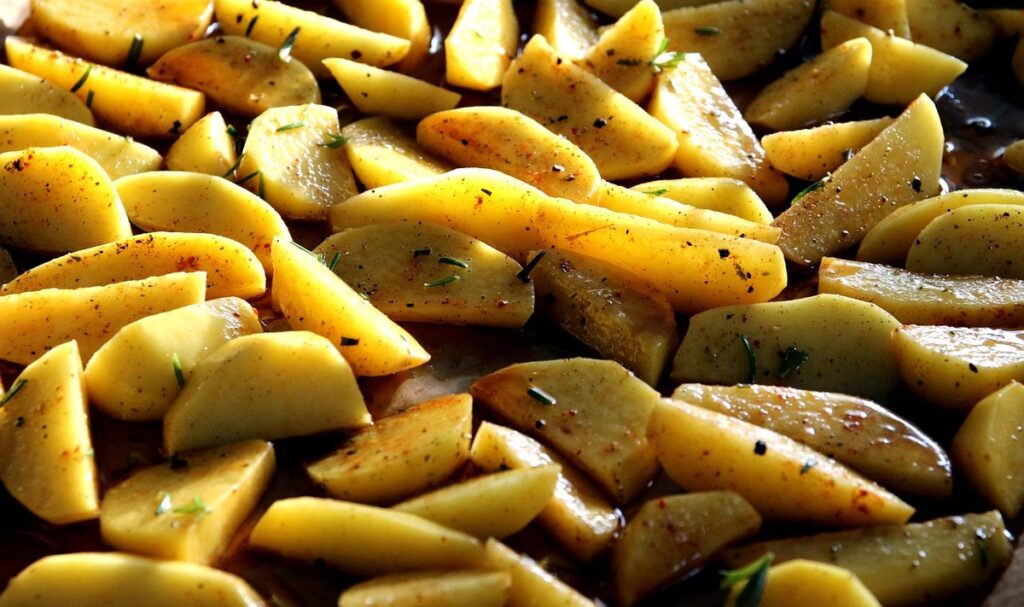
The Benefits and Risks of Feeding Cooked Potatoes to Chickens
Now that we’ve discussed what’s safe for your feathered friends, let’s explore the benefits and risks of feeding cooked potatoes to chickens, a topic some backyard flock owners might not know about.
Nutritional Value of Cooked Potatoes for Chickens
Cooked potatoes are an excellent addition to a chicken’s diet due to their rich nutritional profile. One of the primary benefits is the high concentration of carbohydrates, which provide energy for chickens to engage in daily activities like foraging and roaming. In fact, 1 medium-sized cooked potato contains approximately 26 grams of carbs, making it an ideal source of fuel.
In addition to carbs, cooked potatoes are also rich in dietary fiber, containing both soluble and insoluble types. Fiber is essential for maintaining a healthy digestive system in chickens, promoting regular bowel movements, and preventing issues like constipation. A single serving of cooked potato can contribute up to 4 grams of fiber to your chicken’s diet.
Cooked potatoes are also an excellent source of various vitamins and minerals, including potassium, vitamin C, and B vitamins. Potassium is particularly important for maintaining healthy muscle function in chickens, while vitamin C plays a crucial role in immune system development. By incorporating cooked potatoes into their diet, you can provide your flock with a well-rounded nutritional intake that supports overall health and wellbeing.
Potential Health Risks Associated with Cooking Potatoes for Chickens
Feeding cooked potatoes to chickens can pose some health risks that you should be aware of. One potential issue is digestive problems, such as constipation or diarrhea, which can arise from the high starch content and low fiber level in potatoes. If not properly balanced with other nutrients, a diet consisting mainly of cooked potatoes can cause an imbalance in your chicken’s gut.
Bacterial contamination is another concern when it comes to feeding chickens cooked potatoes. Raw potatoes contain resistant starches that can be difficult for bacteria like Salmonella and E. coli to break down, but heat treatment may not eliminate these bacteria completely. If the cooked potatoes are not handled and stored properly, the risk of bacterial contamination increases.
In addition, overfeeding your chickens with cooked potatoes can lead to an imbalance of certain nutrients in their diet. Potatoes lack essential amino acids like methionine and tryptophan that chickens need for growth and maintenance.
Understanding Chicken Digestion and Nutrient Requirements
To keep your flock healthy, it’s essential to understand how chickens digest different foods, including treats like cooked potato skins. Let’s break down their digestive needs.
How Chickens Digest Carbohydrates from Cooked Potatoes
When it comes to digesting carbohydrates, chickens have a unique system that involves breaking down complex starches into simpler sugars. This process begins in the mouth, where amylase enzymes start to break down the starch molecules of cooked potatoes. However, for this process to be effective, the cooked potatoes must contain some level of dietary fiber.
Dietary fiber plays a crucial role in helping chickens digest carbohydrates by providing a prebiotic effect that helps feed beneficial gut bacteria. These beneficial bacteria then help break down complex starches into simpler sugars, which can be absorbed and utilized for energy. When cooking potato skins, it’s essential to retain some of the natural dietary fiber content.
To maximize nutrient absorption, make sure to cook the potatoes until they’re tender but still firm, as overcooking can destroy much of the valuable fiber content. Also, avoid adding excessive oils or seasonings that may hinder digestion. By following these guidelines and understanding how chickens digest carbohydrates, you can provide your flock with a nutritious treat while also promoting optimal digestive health.
Essential Nutrients for a Balanced Chicken Diet
A balanced chicken diet is crucial for their overall health and well-being. Chickens require a mix of essential nutrients to thrive, including protein from sources like insects, grains, and legumes. Fat-soluble vitamins A, D, E, and K are also vital, with Vitamin A playing a key role in maintaining healthy vision, skin, and mucous membranes.
Minerals such as calcium, phosphorus, potassium, sodium, chloride, magnesium, and iron are equally important for various bodily functions like bone development, nerve function, and energy production. Cooking potatoes can actually contribute to these requirements by making their nutrients more bioavailable. Vitamin C in cooked potatoes, for instance, can enhance the absorption of non-heme iron from plant-based sources.
However, excessive cooking can lead to a loss of water-soluble vitamins like B and C, which are essential for energy metabolism and immune function. To ensure your chickens receive the necessary nutrients from potato skins, consider the following: cook them lightly to preserve vitamins; provide a balanced mix of protein, fat, and complex carbohydrates in their feed; and supplement with calcium and other minerals as needed.
Feeding Cooked Potatoes as a Treat or Supplement
When it comes to adding variety to your chicken’s diet, cooked potatoes can be a nutritious and tasty treat when given in moderation. We’ll explore how to safely incorporate them into their meals.
Incorporating Cooked Potato Skins into Your Chicken’s Diet
When incorporating cooked potato skins into your chicken’s diet, it’s essential to do so safely and responsibly. A good starting point is to introduce small portions of cooked potato skins as an occasional treat. Aim for about 1-2% of your chicken’s daily calorie intake, which translates to a few tablespoons per bird.
To avoid digestive issues, ensure the potato skins are fully cooked, cooled, and then chopped into manageable pieces before offering them to your flock. You can store leftover cooked potatoes in the refrigerator for up to three days or freeze them for later use. However, be sure to label and date any stored foods to maintain their freshness.
As a general guideline, limit cooked potato skins to no more than 2-3 times a week, depending on your chicken’s individual needs and health status. Monitor your birds’ appetite and adjust the frequency accordingly. Also, keep an eye out for signs of overfeeding or digestive upset, such as lethargy, diarrhea, or decreased egg production. If you notice any adverse effects, discontinue the potato skins altogether and consult with a veterinarian if necessary.
Potential Drawbacks to Relying on Cooked Potatoes for Nutrition
While cooked potatoes can be a tasty and nutritious treat for your flock, relying too heavily on them as a supplement can lead to some potential drawbacks. One of the main concerns is nutrient imbalance. Cooked potatoes are high in carbohydrates but relatively low in protein and certain essential vitamins and minerals. If you’re relying solely on potato skins as a treat, you may inadvertently be depriving your chickens of other vital nutrients.
For example, if you’re feeding cooked potatoes daily without balancing them with other nutrient-rich foods, your hens may develop deficiencies in vitamin E or omega-3 fatty acids. This can impact their overall health and well-being, including the quality of their feathers, eggshell production, and even their reproductive cycles.
To avoid this issue, it’s essential to provide a balanced diet that includes a variety of nutrient-rich foods, such as leafy greens, fruits, and protein sources like mealworms or crickets. This will help ensure your chickens receive all the necessary nutrients for optimal health.
Preparing and Serving Cooked Potato Skins to Your Chickens
When cooking potato skins for your flock, it’s essential to handle them safely and serve them at the right temperature to avoid any health issues in your chickens. Here are some crucial steps to follow.
Safe Handling and Preparation of Cooked Potatoes for Chickens
When it comes to serving cooked potatoes to your chickens, proper handling and preparation techniques are crucial to ensure their safety and health. First and foremost, store the cooked potatoes safely to prevent contamination. Place them in a covered container and refrigerate at 40°F (4°C) or below within two hours of cooling.
Reheat cooked potatoes to an internal temperature of at least 165°F (74°C) before serving to your chickens. This will help kill any bacteria that may have formed during storage. You can reheat them in the oven, microwave, or on the stovetop – just ensure they reach a safe temperature throughout.
Presentation is also key when feeding cooked potatoes to your flock. Chop or mash the potatoes into bite-sized pieces to prevent choking hazards and make it easier for your chickens to eat. Avoid adding any seasonings, herbs, or spices that can be toxic to birds, such as onions, garlic, or chives.
When handling cooked potatoes, wash your hands thoroughly with soap and water before and after touching them to prevent the spread of bacteria. This simple step will help keep both you and your flock safe and healthy.
Tips for Making Cooked Potato Skins a Healthy Part of Your Chicken’s Diet
When offering cooked potato skins to your flock, it’s essential to follow some guidelines to ensure they remain a nutritious and healthy treat. Firstly, always cook the potatoes until they’re fully tender and easily mashed with a fork. This step is crucial as raw or undercooked potatoes can be toxic to chickens due to the presence of solanine, a compound that can cause digestive issues.
To make cooked potato skins a part of your chicken’s diet, you’ll want to dice them into smaller pieces before adding them to their feed or offering them as a treat. This will help prevent any potential choking hazards and ensure they’re able to digest the potatoes easily.
Some great ways to incorporate cooked potato skins into your chickens’ meals include mixing them with their regular feed or using them as a topping for their favorite treats, such as scrambled eggs or mashed sweet potatoes. A general rule of thumb is to provide no more than 10% of your chicken’s daily calorie intake from treats like cooked potato skins.
When choosing which type of potatoes to use, opt for high-starch varieties like Russet or Idaho, as they’re lower in fiber and higher in energy content compared to waxy potatoes.
Common Myths and Misconceptions About Feeding Cooked Potatoes to Chickens
One common concern when feeding cooked potatoes to chickens is that it can be bad for their health, but what’s fact and what’s fiction? Let’s debunk some of the most widespread misconceptions.
Debunking Popular Myths About Cooked Potatoes and Chicken Health
Many backyard chicken keepers have asked whether cooked potatoes are safe for their feathered friends to eat. While it’s understandable to be concerned about feeding human food to chickens, the reality is that cooked potatoes can be a nutritious and healthy addition to their diet – as long as they’re given in moderation.
One common myth surrounding cooked potatoes is that they’re toxic to chickens. This notion likely stems from the fact that raw or green potatoes contain solanine, a compound that can be poisonous to birds. However, when potatoes are cooked properly, most of this toxin is destroyed. In fact, cooking breaks down solanine and makes it harmless to chickens.
Another misconception is that chickens can’t digest carbs, making cooked potatoes off-limits. While it’s true that birds are primarily designed to eat protein-rich foods like seeds, grains, and insects, they do have the ability to break down carbohydrates like those found in cooked potatoes. In fact, a balanced diet rich in complex carbohydrates can provide essential energy for egg production, growth, and overall health.
In reality, cooked potatoes offer a range of benefits when fed to chickens in moderation. They’re a good source of fiber, vitamins C and B6, and minerals like potassium and iron. When given as an occasional treat, cooked potatoes can even help support gut health and promote digestive regularity.
To incorporate cooked potatoes into your flock’s diet safely, be sure to follow these guidelines: Only offer plain, cooked potatoes without any added salt or seasonings. Chop them up into small pieces to prevent choking hazards. And limit the amount given to no more than 10% of their overall daily intake.
Safety Precautions for Handling and Serving Cooked Potato Skins
When handling cooked potato skins, be sure to take extra care to avoid cross-contamination and foodborne illnesses that can affect both humans and chickens. Proper serving procedures are also crucial for safe consumption by your flock.
Preventing Bacterial Contamination of Cooked Potato Skins
When handling and serving cooked potato skins to your flock, it’s crucial to take measures that prevent bacterial contamination. Cooked potatoes can be a breeding ground for bacteria like Salmonella and E. coli, which can pose serious health risks to your chickens.
To minimize the risk of contamination, ensure you store cooked potato skins in airtight containers at room temperature for no more than two hours. Refrigerate or freeze them promptly if not consumed within this timeframe. When reheating cooked potatoes, do so to an internal temperature of 165°F (74°C) to kill any bacteria present.
Maintain good hygiene practices when handling cooked potato skins, such as washing your hands thoroughly before and after handling the food. Clean utensils, cutting boards, and preparation surfaces with soap and water to prevent cross-contamination.
When serving cooked potato skins to your chickens, consider their nutritional needs and ensure that this treat doesn’t contribute to overfeeding or nutrient imbalance in their diet. As a general rule of thumb, only serve small portions as an occasional treat, not as a regular staple.
Additional Considerations for Chicken Breed-Specific Diets
When it comes to providing a chicken breed-specific diet, there are several factors to consider. As we’ve established that cooked potato skins can be a nutritious treat for chickens, it’s essential to tailor the serving size and ingredients according to the bird’s breed, age, health conditions, and individual preferences.
For example, Leghorns, being one of the largest chicken breeds, require more protein-rich foods in their diet. They may benefit from receiving cooked potato skins as an occasional treat, but it’s crucial to ensure they don’t overdo it on the starchy content. In contrast, smaller breeds like Silkies might need a more balanced and moderate serving size.
Some key considerations for chicken breed-specific diets include:
* Age: Young chickens have different nutritional needs than adults. Chickens under 6 months old should not receive cooked potato skins due to their sensitive digestive system.
* Health conditions: Chickens with specific health issues, such as kidney disease or liver problems, may need to limit or avoid starchy foods like cooked potato skins altogether.
* Individual preferences: Just like humans, chickens have unique tastes and texture preferences. Some may enjoy the crispy outside of cooked potato skins while others might find it too hard.
To ensure you’re providing a safe and balanced diet for your flock, consider consulting with a veterinarian or poultry expert who can recommend breed-specific guidelines.
Frequently Asked Questions
Can I feed my chickens cooked potato skins as a regular meal?
Yes, cooked potato skins can be a nutritious addition to your chicken’s diet when fed in moderation. However, it’s essential to balance their nutrient intake and ensure they receive a varied diet.
How long do cooked potatoes remain safe for consumption by chickens?
Cooked potatoes typically retain their nutritional value for 3-5 days if stored properly in an airtight container. It’s crucial to handle and prepare them safely to prevent bacterial contamination, especially when serving to your flock.
What are the signs of digestive issues caused by feeding cooked potatoes to chickens?
Look out for symptoms like diarrhea, lethargy, or decreased egg production in your hens. If you notice any adverse effects after introducing cooked potato skins into their diet, discontinue feeding and consult with a veterinarian for advice on managing nutrient imbalances.
Can I feed cooked potatoes to chickens with specific dietary needs or restrictions?
For example, if your flock has molting issues, they may require additional protein sources. When incorporating cooked potatoes into the diets of birds with specific requirements, ensure you’re not compromising their nutritional balance and consider supplementing with other healthy treats.
How do I safely prepare and store leftover cooked potato skins for my chickens?
Always wash hands thoroughly before handling food items, then chop or slice cooked potato skins into manageable pieces to prevent choking hazards. Store leftovers in an airtight container at room temperature for up to 5 days, keeping them away from pests and scavengers.