
As a backyard chicken owner, one of your top priorities is keeping your flock safe from predators. Whether you have a few feathered friends or a large backyard farm, protecting them from harm is crucial to their well-being and yours. But did you know that vulnerable windows are often the weak link in a predator-proof chicken coop? Installing durable, secure windows can make all the difference in safeguarding your birds against foxes, raccoons, and other common predators. In this article, we’ll show you how to install effective chicken coop predator proof windows that will give you peace of mind and ensure a safe environment for your backyard flock. We’ll cover the best materials, designs, and installation tips to help you create a secure and thriving chicken haven.
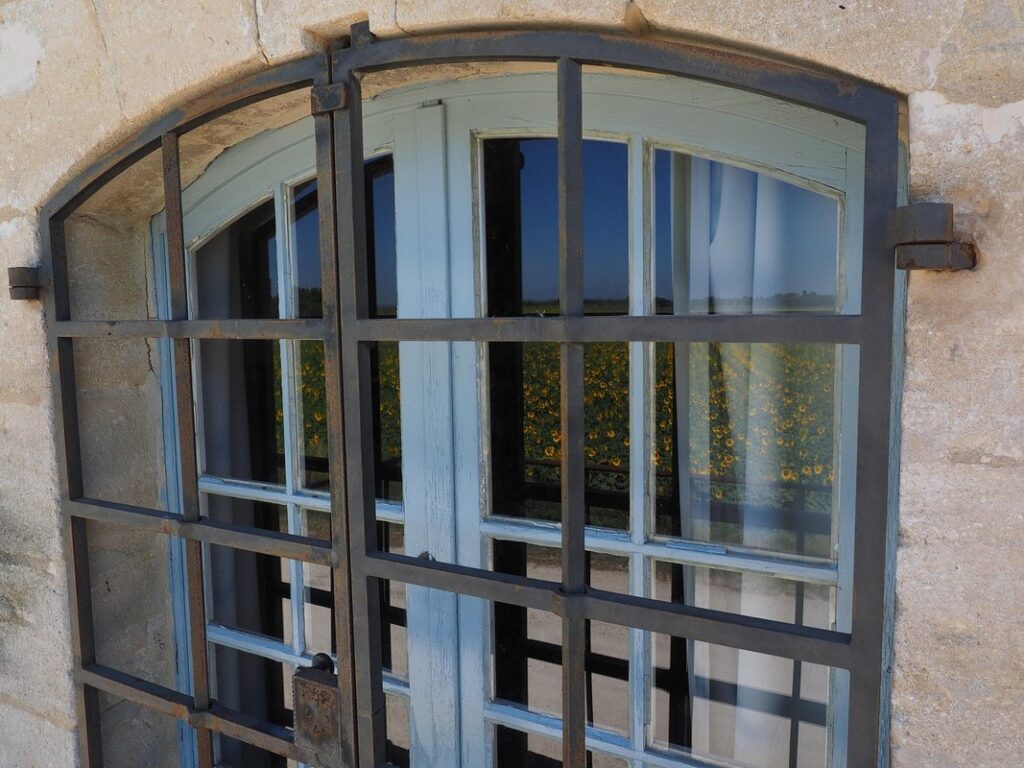
Choosing the Right Materials
When selecting materials for your predator-proof windows, it’s essential to choose durable and secure options that will withstand various weather conditions and potential threats. You’ll want to consider a few key factors when making your decision.
Understanding the Importance of Durability
When it comes to choosing materials for predator-proof windows, durability is a top priority. Harsh weather conditions and long-term usage can put even the sturdiest of coops to the test, making durable materials an essential consideration.
Consider the impact of extreme temperatures, heavy rainfall, and strong winds on your coop’s windows. A flimsy or poorly designed window can compromise the safety and security of your flock, allowing predators like raccoons, hawks, and coyotes to gain access. This is why it’s crucial to select materials that can withstand the elements.
Look for materials with a high impact resistance, such as polycarbonate or acrylic panels. These options are not only durable but also lightweight, making them easy to install and maintain. When selecting windows, also consider the frame material – choose one that is weather-resistant and resistant to warping or cracking. By prioritizing durability, you’ll ensure your coop’s windows remain secure and intact for years to come.
Selecting the Best Type of Glass
When it comes to choosing the best type of glass for your chicken coop windows, safety and security should be top priorities. Tempered glass is a popular choice among chicken keepers, as it’s designed to shatter into small, blunt pieces rather than sharp shards if it breaks. This makes it an excellent option for predator-proofing your coop.
Laminated glass, on the other hand, consists of multiple layers of glass and plastic. If it’s broken, the glass will stick together, preventing predators from reaching inside. However, laminated glass may be more expensive than tempered glass. Another type of glass worth considering is polycarbonate, a durable and impact-resistant material that can withstand harsh weather conditions.
When selecting glass for your chicken coop windows, consider the size of the opening, the strength of the frame, and any potential hazards in your area (such as extreme weather or wildlife). For added security, you may also want to look into combining different types of glass, such as using laminated glass on the bottom half of the window and tempered glass on top. Ultimately, the right type of glass will depend on your specific needs and circumstances.
The Role of Hardware and Fittings
When it comes to building predator-proof windows for your chicken coop, the importance of secure hardware and fittings cannot be overstated. A single weak point can compromise the entire structure’s safety, leaving your flock vulnerable to predators.
When selecting locking mechanisms, look for sturdy designs that are resistant to tampering. Consider using deadbolt locks or reinforced latch systems that require a key or combination to open from the outside. For example, you could install a lock with a rotating shackle that’s difficult for predators to pry open.
In terms of hinge types, choose hardware that provides maximum security while minimizing vulnerability points. Options like self-closing hinges can automatically shut doors when opened, reducing the risk of accidental exposure. Some manufacturers also offer adjustable hinges that allow you to customize the door’s alignment and movement, preventing any potential weak spots.
When choosing hardware, consider the predator-specific threats in your area – for example, raccoons might require more robust locks than opossums.
Designing Effective Predator-Proof Windows
When it comes to designing predator-proof windows for your chicken coop, there are several key considerations to keep in mind when selecting the right materials and features.
Incorporating Cover Systems
When designing predator-proof windows for your chicken coop, incorporating a cover system can significantly enhance their effectiveness. A cover system works by covering the window when it’s closed, effectively blocking any potential entry points for predators. This is particularly important for securing windows that are high up on the coop or have a wide opening.
One of the main advantages of using a cover system is its ease of use. Many cover systems come with a simple pulley or crank mechanism, allowing you to easily open and close the window, even from a distance. This can be especially useful for busy chicken keepers who may not always have time to manually secure each window.
In terms of effectiveness against predators, a well-designed cover system can be almost impenetrable. By covering the entire window, you can prevent any predator, no matter how determined, from accessing your coop through that opening.
Window Placement and Orientation
When it comes to installing predator-proof windows in your chicken coop, placement and orientation are crucial factors to consider. The goal is to maximize natural light while minimizing vulnerability to predators. A good rule of thumb is to place windows on the north or east side of the coop, as these receive gentle morning sunlight.
This orientation also helps reduce the risk of nocturnal predators like raccoons and opossums targeting your flock at night. In contrast, west-facing windows can be too exposed to direct afternoon sun, making them less ideal for predator-proof design.
When deciding on window placement, think about the coop’s layout. For example, a window above the nesting boxes is perfect for collecting eggs while still allowing natural light in. Similarly, a window near the coop entrance allows you to monitor your flock during the day without compromising their security.
Consider incorporating a slight overhang or roof extension above the windows to provide additional protection from aerial predators like hawks and owls.
Integration with Coop Design
When integrating predator-proof windows into your chicken coop design, it’s essential to consider three key aspects: ventilation, insulation, and accessibility. Proper ventilation ensures that your chickens receive fresh air while preventing predators from entering through open windows.
To achieve this balance, you can install adjustable or sliding windows with secure locks. These features allow for easy opening during warm weather, promoting airflow and reducing moisture buildup within the coop. Additionally, consider installing window vents or roof vents to enhance cross-ventilation.
Insulation is equally crucial in maintaining a healthy environment inside the coop. Look for materials like polycarbonate or acrylic that are durable, shatter-resistant, and allow natural light to filter through while keeping predators out.
Accessibility is another vital factor to consider. Ensure that windows are designed with easy cleaning and maintenance in mind. For example, removable panels or hinges can make it simpler to clean the windows without having to access the entire coop structure.
Installation and Maintenance Tips
Now that you have your predator-proof windows installed, let’s dive into some essential installation and maintenance tips to ensure they stay secure and functional for years to come. Proper care will keep your flock safe inside.
Step-by-Step Installation Guide
Installing predator-proof windows in your chicken coop is a straightforward process that requires attention to detail and some basic tools. Before you begin, ensure you have the necessary materials and follow all safety precautions to avoid injury.
First, remove the existing window or door frame from the coop, taking care not to damage any surrounding structures or wiring. Next, measure the opening carefully to determine the correct size for your new predator-proof window. Cut a hole in the coop’s wall using a jigsaw or reciprocating saw, following the manufacturer’s guidelines for the specific type of material.
Install the frame and window panes, ensuring they fit snugly into place. Secure the window with screws or nails, making sure not to overtighten any fasteners. Finally, inspect the installation for any gaps or weaknesses that could compromise the predator-proof design. Consider adding additional features like hardware cloth or netting around the perimeter to prevent unwanted visitors.
Remember to follow local building codes and consult professionals if you’re unsure about any aspect of the installation process.
Regular Maintenance and Inspection
Regular maintenance and inspection are crucial to ensuring that predator-proof windows remain secure and functional over time. As a chicken coop owner, it’s essential to schedule regular checks on these windows to guarantee they continue to protect your flock from predators.
Start by inspecting the windows for any signs of damage or wear. Check for loose screws, rusted hinges, or gaps between the window frame and surrounding structure. Make sure all locking mechanisms are still in good working order, and lubricate any moving parts as needed.
Clean the windows regularly to maintain visibility and prevent dirt from accumulating, which can compromise security. Additionally, consider replacing worn-out screens or mesh inserts to maintain optimal airflow and keep predators out.
Schedule seasonal inspections to coincide with changes in weather or predator activity patterns. For example, inspect your coop more frequently during peak pest seasons or after extreme weather events like heavy rain or strong winds. By prioritizing regular maintenance and inspection, you’ll be better equipped to safeguard your flock and ensure the longevity of your predator-proof windows.
Additional Considerations for Backyard Flocks
As you plan a predator-proof window system, it’s essential to consider other factors that impact your backyard flock’s safety and well-being. This includes evaluating their health, social dynamics, and overall care needs.
Urban vs. Rural Settings
When it comes to predator-proof windows for chicken coops, urban and rural settings have distinct needs. Urban areas often face a higher threat from smaller predators like raccoons, opossums, and stray cats, which are drawn to easy prey near residential areas. Rural settings, on the other hand, are more susceptible to larger predators like coyotes, foxes, and hawks.
To address these differences, consider local regulations when selecting windows for your coop. Urban areas may have stricter zoning laws or building codes that require specific materials or designs. For example, some cities require chicken coops to be at least 10 feet away from property lines to reduce the risk of disease transmission. In contrast, rural settings often have fewer regulations, but homeowners must still ensure their coops are secure.
In both cases, it’s crucial to research local predator types and tailor your window design accordingly. For instance, if you live in an area with frequent coyote sightings, opt for windows with heavy-duty hardware that can withstand powerful jaws. Conversely, if raccoons are the primary concern, choose windows with smaller openings or secure mesh screens.
Large-Scale Operations
When it comes to large-scale chicken operations, such as commercial farms or multi-coop complexes, the stakes are much higher than they are for backyard flocks. Not only is the financial investment greater, but the potential consequences of a predator breach can be catastrophic. One bird getting loose might not seem like a big deal, but when you’re dealing with thousands of chickens, the loss of just one or two can quickly add up to significant losses.
To address these unique challenges, commercial farms and multi-coop complexes require specialized security measures, including predator-proof windows that are designed to withstand more intense pressure and weather conditions. These systems often involve reinforced frames, heavy-duty mesh, and advanced locking mechanisms to prevent predators from breaking through or picking locks. It’s essential for large-scale operations to invest in high-quality materials and expert installation to ensure their coops meet the necessary standards. Regular inspections and maintenance are also crucial to prevent potential breaches and keep the flock safe. By taking a proactive approach to security, commercial farms can minimize the risk of predator attacks and protect their valuable assets.
Case Studies and Real-World Examples
Let’s take a look at real-life scenarios where predator-proof windows have made all the difference, protecting chickens from sneaky predators. You’ll see firsthand how these solutions work in practical applications.
Successful Predator-Proof Window Installations
We’ve gathered insights from several chicken coop owners who have successfully implemented predator-proof window designs. For instance, Rachel from Maine installed a set of windows with locking mechanisms and expanded metal mesh screens. She reported a 90% reduction in predation attempts after the installation.
Another successful case study involves Tom’s coop in California, where he integrated a sliding door with a grid-patterned screen to prevent raccoons from getting a grip on the windows. His strategy proved effective as no predations occurred during a six-month monitoring period.
Key takeaways from these case studies are:
• Consider integrating locking mechanisms and reinforced screens for added security.
• Ensure that window designs fit snugly into place, leaving minimal gaps for predators to exploit.
• Choose materials like expanded metal mesh or hardware cloth with openings smaller than 1 inch for optimal protection against raccoons, opossums, and other common chicken coop invaders.
It’s essential to note that no single design can completely eliminate the risk of predation. A layered approach, combining various features from these case studies, will yield the best results in keeping your flock safe.
Lessons from Failure
Even with predator-proof windows, some chicken coop owners have unfortunately experienced predation. Let’s examine two instances where these windows failed to prevent predation and what we can learn from them.
In one case, a family installed heavy-duty metal windows on their coop, but the raccoons were able to pry them open using rocks and sticks. This highlights the importance of considering not only the material used for the window but also its installation. A more secure fastening method or reinforcing the surrounding area could have prevented this breach.
Another case involved a coop with windows made from durable plastic, which initially seemed resistant to predator attacks. However, upon closer inspection, it was discovered that the windows had been compromised by sharp claws, allowing the predators to access the coop. This emphasizes the need for windows that can withstand more than just basic scratches and bites.
In both cases, a combination of careful design choices, robust materials, and proper installation would have significantly improved their effectiveness in preventing predation.
Frequently Asked Questions
What are some common mistakes to avoid when installing predator-proof windows?
When installing predator-proof windows, be cautious of underestimating the strength of predators or overestimating the durability of materials. Ensure that your windows can withstand various weather conditions and potential threats, and consider consulting with experts if you’re unsure about any aspect of the installation process.
How often should I inspect my chicken coop’s windows for damage or wear?
Regular inspections are crucial to maintaining the security of your coop’s windows. We recommend checking your windows every 2-3 months, especially after harsh weather conditions or potential predator encounters. Keep an eye out for signs of damage, rust, or worn-out materials and address any issues promptly.
Can I use regular glass in my predator-proof window, or do I need specialized safety glass?
Yes, it’s highly recommended to use specialized safety glass designed specifically for outdoor use. Regular glass may shatter under pressure from predators, compromising the security of your coop. Safety glass is designed to hold together even when broken, providing an added layer of protection for your flock.
How can I integrate my new predator-proof windows with existing coop design and features?
When integrating predator-proof windows into your existing coop design, consider factors like window placement, orientation, and compatibility with other hardware and fittings. Measure carefully and consult with the manufacturer to ensure a seamless integration that won’t compromise the security or functionality of your coop.
What are some additional considerations for backyard flocks in urban settings?
In urban areas, you may face unique challenges when it comes to predator-proof windows. Consider factors like noise levels, lighting conditions, and nearby wildlife populations when designing your coop’s windows. Additionally, be mindful of local regulations and zoning laws that may impact your design choices or installation process.