
If you’re anything like me, you love experimenting with new foods for your backyard flock. But have you ever wondered if kale is safe for chickens to eat? This superfood has gained popularity in human diets due to its high nutritional value, but can it benefit our feathered friends as well?
The answer isn’t a simple yes or no, and that’s exactly why we need to dive deeper into the world of chicken nutrition. In this article, we’ll explore the benefits of feeding kale to your chickens, including its rich nutrient profile and potential health advantages. We’ll also discuss important safety precautions, such as moderation and proper integration, to avoid any adverse effects. By the end of this post, you’ll know exactly how to balance kale consumption with other nutrient sources and identify signs of allergy or sensitivity in your flock.
Benefits of Feeding Kale to Chickens
Feeding kale to your chickens can bring a multitude of benefits, from improved egg quality to enhanced overall health. Let’s explore the advantages of incorporating kale into their diet.
Nutritional Value of Kale for Chickens
Kale is a nutrient-dense food that provides an excellent source of essential vitamins and minerals for chickens. Rich in vitamins A, C, and K, kale helps support healthy vision, immune function, and blood clotting. Vitamin A, in particular, plays a crucial role in maintaining healthy mucous membranes, skin, and feather production.
Kale is also an excellent source of calcium, which is vital for building strong bones and eggshell development in hens. Iron content in kale helps promote healthy red blood cell production, ensuring your chickens’ muscles and organs receive the necessary oxygen.
Including kale in your chicken’s diet can have numerous health benefits. For instance, vitamin K helps prevent internal bleeding and promotes bone health. Additionally, kale’s antioxidant properties help shield your flock from oxidative stress caused by environmental pollutants.
To incorporate kale into your flock’s diet, consider adding it as a supplement to their regular feed or offering fresh kale leaves as an occasional treat. A general rule of thumb is to provide 1-2 cups of chopped kale per 10 birds daily. Be sure to introduce kale gradually to prevent digestive upset. By incorporating kale into your chickens’ meals, you’ll be providing them with a nutrient-rich food source that promotes overall health and well-being.
Potential Health Risks Associated with Kale Consumption
While kale is an excellent addition to a chicken’s diet, it’s essential to be aware of potential health risks associated with its consumption. The high levels of oxalates in kale can be problematic if fed excessively. Oxalates can bind to minerals like calcium and lead to deficiencies over time.
To put this into perspective, consider the average kale leaf contains around 1-2% oxalate content. While this may not seem significant, feeding large quantities or relying solely on kale for nutrition can lead to an imbalance. For example, if a chicken consumes too much kale, it might lead to kidney stones or worsen existing kidney issues.
To mitigate these risks, ensure that kale is only provided as an occasional treat, not exceeding 5-10% of the chicken’s total diet. A balanced and varied feed will help maintain nutrient levels within a healthy range. Regular monitoring of your flock’s health and adjusting their diet accordingly is also crucial. By being mindful of these considerations, you can safely incorporate kale into your chickens’ diet while minimizing potential risks.
Safety Precautions for Feeding Kale to Chickens
Before you start feeding kale to your flock, it’s essential to take a few extra precautions to ensure their safety and health. This includes proper storage, handling, and introduction of kale into their diet.
Choosing the Right Type of Kale
When it comes to feeding kale to your flock, choosing the right type of kale is crucial. With numerous varieties available, it’s essential to select one that’s not only palatable for your chickens but also nutrient-rich and safe for consumption.
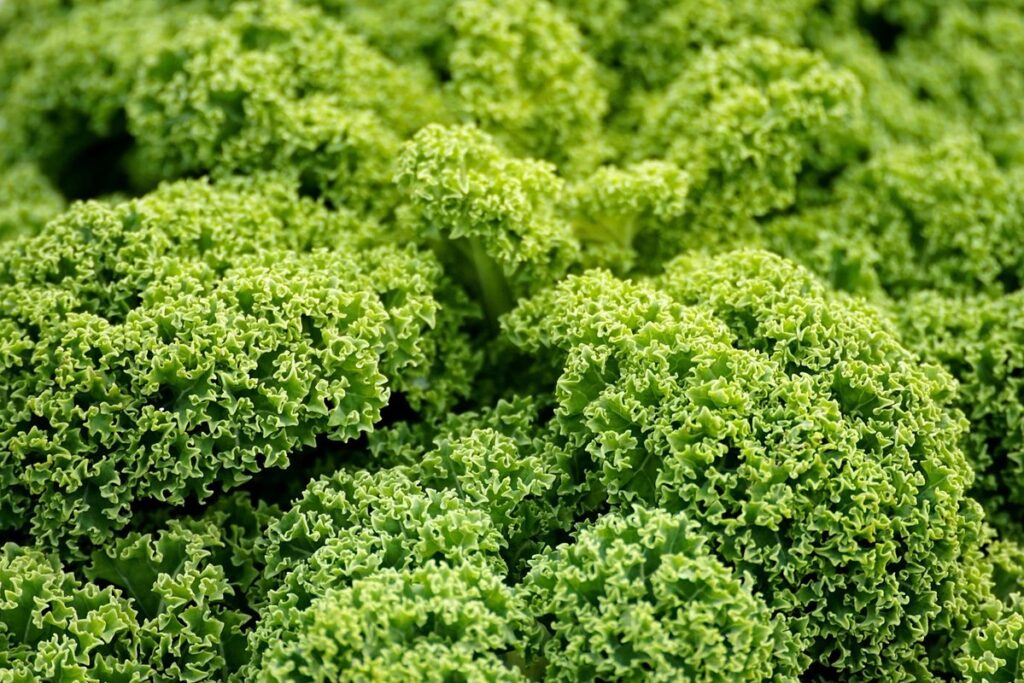
Consider the variety of kale: some popular options include Lacinato (also known as ‘Dino’ kale), Red Russian, and Curly-leafed kale. While all these types are edible, Lacinato is a favorite among backyard chicken keepers due to its tender leaves and mild flavor. When selecting kale for your flock, opt for varieties that are specifically bred for leafy greens or salad production – they’ll be more nutritious and better suited for consumption.
When choosing fresh kale, ensure it’s crisp and free of signs of spoilage. Inspect the leaves for any visible damage or pests like aphids or mites, which can transfer diseases to your flock. Finally, be aware of potential contaminants such as pesticides, heavy metals, or bacteria that may have accumulated on the leaves during growth or storage. Wash the kale thoroughly before offering it to your chickens to minimize these risks and ensure a safe and healthy snack for them.
Preparation and Serving Methods
When preparing kale for your flock, it’s essential to chop or tear the leaves into manageable pieces to prevent choking hazards. A good rule of thumb is to cut the leaves into 1-2 inch strips, making them easy to digest and reducing the risk of obstruction.
Steaming kale can also be an excellent way to serve it to your chickens. This method not only makes the greens easier for them to eat but also retains their nutrients. Simply place the chopped kale in a steamer basket over boiling water, cover with a lid, and steam for 5-7 minutes. Once cooked, let it cool completely before serving.
Another approach is to mix finely chopped kale into your chickens’ feed. This can be done by incorporating small amounts of kale (about 10% of their total diet) into their regular feed or offering it as a treat. When adding kale to their feed, make sure to do so gradually to prevent digestive upset. Start with a small amount and monitor your flock’s reaction before increasing the quantity.
How to Introduce Kale into Your Chicken’s Diet
Now that you know kale is safe for your flock, let’s discuss how to introduce it into their diet gradually and in moderation. This will help prevent digestive upset.
Gradual Introduction Method
When introducing kale to your chicken’s diet, it’s essential to do so gradually to prevent digestive issues. A sudden change can lead to upset stomachs, diarrhea, and even vomiting. To avoid this, follow a gradual introduction method that allows their system to adjust.
Start by mixing small amounts of chopped kale with their regular feed for 2-3 days. This will allow them to get accustomed to the new taste and texture without overwhelming their digestive system. For example, you can begin by adding about 1 tablespoon of finely chopped kale per pound of food.
Gradually increase the amount over the next few days until they’re consuming a quarter cup or more per day. Monitor your chicken’s behavior and stool quality closely during this period. If you notice any signs of distress, such as lethargy, loss of appetite, or unusual droppings, slow down the introduction process.
Remember to introduce kale in moderation, as it’s high in fiber and calcium. Overconsumption can lead to imbalances in their diet. By doing so gradually, you’ll be able to gauge your chicken’s tolerance and make adjustments accordingly.
Tips for Successful Kale Integration
When introducing kale to your flock’s diet, it’s essential to do so gradually to prevent digestive upset. Start by offering a small amount of fresh kale leaves as a treat, mixed with their regular feed or scattered on the ground for them to peck at. Monitor their behavior and health closely over the next few days, watching for signs of discomfort such as decreased appetite, lethargy, or changes in droppings.
If your chickens seem to tolerate kale well, you can gradually increase the amount offered, making sure not to exceed 10% of their daily diet. It’s also crucial to provide a balanced and nutrient-rich feed as the main staple of their diet. You may need to adjust the quantity or type of kale leaves depending on the individual needs of your flock.
Some breeds are more sensitive to new foods than others, so be patient and observe your chickens’ reactions closely. If you notice any adverse effects, discontinue offering kale immediately and consult with a veterinarian for guidance on introducing it again in the future.
Common Mistakes to Avoid When Feeding Kale to Chickens
While kale can be a nutritious treat for your flock, there are some common mistakes to watch out for when adding it to their diet. Let’s take a look at these pitfalls together.
Overfeeding or Underfeeding Kale
When feeding kale to your chickens, it’s easy to get carried away with the endless supply of nutrients. However, overfeeding kale can lead to an imbalance in their diet, causing more harm than good. On the other hand, underfeeding kale means missing out on its numerous health benefits.
To strike a balance, consider this general rule of thumb: limit kale to no more than 10-15% of your chicken’s daily greens intake. This allows you to reap the rewards of kale without overwhelming their digestive system. For example, if you’re feeding 1 pound of mixed greens per day, allocate only about 2-3 ounces of that total amount to kale.
Here are a few signs of overfeeding kale: decreased egg production, lethargy, and digestive issues. Conversely, underfeeding kale may lead to nutrient deficiencies, particularly in vitamins A, C, and K. To avoid these pitfalls, ensure you’re providing a varied diet with other nutrient-rich sources like leafy greens (such as collard or mustard greens), fruits, and grains.
By being mindful of the kale-to-greens ratio, you’ll be able to enjoy the numerous benefits that this superfood has to offer your feathered friends.
Potential Allergies or Sensitivities
While kale is generally considered safe for chickens to eat, some birds may develop allergies or sensitivities to it. This can manifest as digestive issues, skin problems, or even respiratory difficulties. To identify potential allergies or sensitivities, monitor your flock’s behavior and health closely after introducing kale into their diet.
Watch out for signs such as diarrhea, lethargy, or labored breathing, which could indicate an issue with the kale. If you notice any of these symptoms, consult with a veterinarian to rule out other possible causes.
To minimize the risk of allergies or sensitivities, start by gradually introducing small amounts of kale into your flock’s diet and observe their response. Begin with a tiny portion (about 1-2% of their total daily intake) and gradually increase the amount over several days. This will allow you to detect any adverse reactions early on.
Some breeds are more prone to allergies than others, so research specific breed characteristics if you’re unsure.
Benefits for Specific Chicken Breeds
If you have a flock of chickens from specific breeds, you’ll want to know how kale affects their unique needs and characteristics. Certain chicken breeds may particularly benefit from kale’s nutritional value in various ways.
Layer Chickens and Kale Consumption
For layer chickens, kale is a nutrient-rich treat that can have a significant impact on their egg production and quality. Rich in calcium, vitamins A, C, and K, kale supports strong bones and overall health in hens. This, in turn, contributes to higher-quality eggs with stronger shells.
When fed kale regularly, many layer chicken owners report increased egg production, improved shell strength, and even a reduction in the risk of egg-binding. One study found that laying hens who received a diet supplemented with kale had 11% more eggs than those without it.
To reap these benefits for your layer chickens, incorporate fresh or frozen kale into their diet as a treat – ideally 1-2 cups per week. Be sure to chop the leaves finely and mix them with other greens or grains to avoid digestive upset. As with any new food, introduce kale gradually to prevent digestive issues. Also, balance kale consumption with a well-rounded diet that meets your hens’ nutritional needs.
Broiler Chickens and Kale Feed Supplements
Broiler chickens are bred for their high meat production and rapid growth rate. As a result, they can be prone to health issues such as gut problems and poor feed conversion rates. This is where kale feed supplements come into play. Rich in vitamins A, C, and K, as well as minerals like calcium and iron, kale can provide broiler chickens with essential nutrients that are often lacking in their regular feed.
Adding kale to the diet of broiler chickens has been shown to improve their overall health and reduce the incidence of disease. In one study, researchers found that feeding kale supplements to broiler chickens resulted in improved gut health and a reduction in mortality rates by up to 30%. When incorporating kale into your broiler chicken feed, it’s best to start with small amounts (about 5-10% of their total diet) and gradually increase the proportion as needed. This will allow you to monitor their response and adjust accordingly. Remember, a balanced diet is key, so be sure to provide a mix of leafy greens, grains, and proteins to ensure your broiler chickens are getting everything they need.
Tips for Long-Term Kale Feeding Success
To ensure you’re reaping the benefits of kale in your flock’s diet long-term, follow these essential tips that’ll keep your chickens happy and healthy.
Creating a Balanced Flock Diet
When introducing kale into your flock’s diet, it’s essential to maintain a balanced nutritional profile. Kale is nutrient-rich, but it lacks certain amino acids and fatty acids that chickens require for optimal health.
To create a well-rounded diet, consider the following strategies:
* Supplement with protein sources: Provide high-protein feeders or mealworms to compensate for kale’s lower protein content.
* Balance calcium levels: Ensure your flock receives adequate calcium through oyster shells or dark leafy greens like collard greens, which are rich in calcium.
* Rotate your flock’s diet: Include other nutrient-dense foods like sunflower seeds, carrots, and sweet potatoes to minimize nutritional deficiencies.
Aim for a kale-to-other-foods ratio of about 1:4. For example, if you’re feeding 2 cups of kale per day, provide an additional 8 cups of mixed grains and vegetables. Monitor your flock’s health and adjust the diet as needed.
By incorporating these strategies, you can safely and sustainably add kale to your flock’s diet while maintaining their overall nutritional well-being.
Monitoring Your Chicken’s Health Regularly
Monitoring your chicken’s health regularly is crucial when introducing kale into their diet. Kale contains a high amount of calcium oxalate, which can be toxic to chickens if consumed in excess. To ensure they are thriving on their kale-enriched diet, observe them closely for any signs of illness or discomfort.
Watch for changes in appetite, water intake, and droppings. A healthy chicken should have bright eyes, shiny feathers, and a clean vent area. If you notice any unusual behavior or changes in these areas, reduce the amount of kale in their diet immediately.
Regular health checks can also help identify potential issues before they become severe. Take note of your chickens’ overall weight, energy levels, and egg production. A balanced diet with adequate protein and essential nutrients is vital for maintaining good health. Consider consulting a veterinarian or poultry expert if you have any concerns about your chicken’s health or the impact of kale on their diet.
Frequently Asked Questions
Can I give my chickens kale leaves that have been sprayed with pesticides?
Yes, it’s crucial to prioritize your flock’s health by providing pesticide-free food sources. Choose organic or grow your own kale to avoid exposing your chickens to potential toxins.
How long does it take for my chickens to adjust to eating kale as part of their regular diet?
Chickens can adapt to consuming kale relatively quickly, usually within 7-10 days when introduced gradually according to the guidelines provided in this article. Monitor their behavior and health closely during the adaptation period.
What if I notice some of my chickens are showing signs of discomfort or allergy after eating kale?
If you suspect any adverse reactions, immediately discontinue kale consumption for the affected birds. Consult a veterinarian for guidance on addressing potential allergies or sensitivities. Always prioritize your flock’s health and well-being when introducing new foods.
Can I mix cooked or steamed kale into my chickens’ feed, or is it better to serve raw?
While raw kale is rich in nutrients, cooking can enhance the bioavailability of certain vitamins. However, be cautious not to overcook or burn the leaves, which might lead to nutrient loss. Raw kale is still a nutritious option but ensure you’re providing a balanced diet that includes various nutrient sources.
What’s the optimal ratio of kale to other nutrient-rich foods in my chickens’ diets?
Aim for a balance by incorporating kale as 5-10% of your flock’s total diet, complemented by a diverse mix of grains, fruits, and vegetables. Monitor their health and adjust accordingly to ensure optimal nutrition.