
Are you wondering whether your backyard chickens can snack on those delicious-looking pumpkin vines? As a chicken owner, you’re likely eager to provide your feathered friends with nutritious and safe treats. But before you let them munch on that pumpkin patch, it’s essential to know if pumpkin vines are good for them. Can chickens eat pumpkin vines, and what are the potential benefits and risks involved? In this article, we’ll delve into the world of chicken nutrition and explore whether pumpkin vines can be a healthy addition to your flock’s diet. We’ll cover everything from preparation tips to potential health implications, so you can make informed decisions about what to feed your chickens.
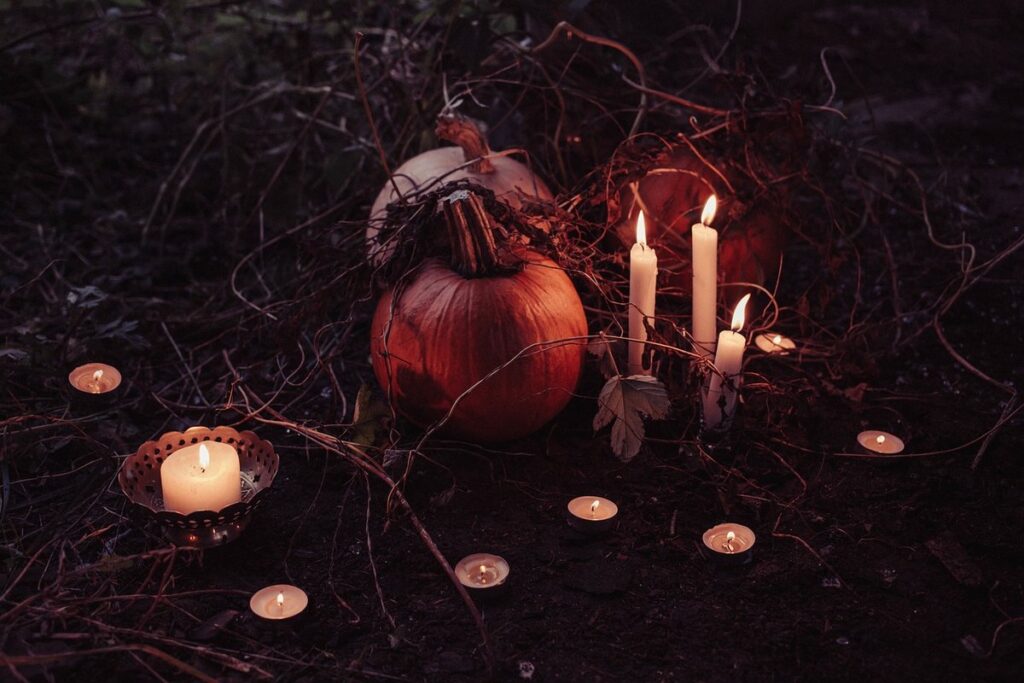
Introduction to Feeding Pumpkins to Chickens
If you’re considering adding pumpkin vines to your chickens’ diet, you’ll want to know the benefits and potential drawbacks of doing so. Let’s explore this option together.
Benefits of Pumpkin in a Chicken’s Diet
Pumpkin is an excellent addition to a chicken’s diet, providing essential vitamins, minerals, and fiber that promote overall health and well-being. Rich in vitamin A, pumpkin helps maintain healthy skin, feathers, and mucous membranes in chickens. Vitamin E, another key nutrient found in pumpkin, supports immune function and protects against cell damage.
Pumpkin is also an excellent source of dietary fiber, which aids digestion and prevents constipation in chickens. The high water content in pumpkins makes them a hydrating snack for chickens, especially during hot weather or when they’re molting. In addition to these benefits, pumpkin has been shown to help manage stress in birds, reducing anxiety-related behaviors such as feather pecking.
When introducing pumpkin into your chicken’s diet, be sure to provide it fresh and raw, free from any pesticides or preservatives. You can also cook and puree the pumpkin to create a nutritious treat that’s easy to digest. A general rule of thumb is to offer about 1/4 cup of cooked, mashed pumpkin per chicken per day. As with any new food, monitor your birds’ consumption and adjust accordingly to ensure they’re enjoying their pumpkin snack without overdoing it.
Common Myths and Misconceptions about Feeding Vines
When it comes to feeding pumpkin vines to chickens, there are several common myths and misconceptions that can be misleading for chicken owners. One of the most prevalent myths is that pumpkin vines are toxic to chickens. However, this couldn’t be further from the truth. Pumpkin vines are actually a nutrient-rich treat for your flock.
Another misconception is that eating pumpkin vines will make your chickens’ droppings smell terrible. While it’s true that pumpkin vines contain compounds that can break down quickly in the digestive system, this doesn’t necessarily translate to smelly droppings. In fact, many chicken owners have reported that their birds produce fewer and less odorous droppings when fed pumpkin vines regularly.
It’s also worth noting that some people believe feeding pumpkin vines will cause bloat or stomach issues in chickens. But with proper moderation and introduction, the risk of these issues is minimal. To ensure a smooth transition for your flock, start by offering small amounts of fresh pumpkin vine and monitor their digestive health closely.
Nutritional Value of Pumpkin Vines for Chickens
If you’re considering sharing pumpkin vines with your flock, it’s essential to know if they offer any nutritional benefits that can boost their health and well-being. Let’s explore the potential value of this often-discarded vegetable part for your chickens.
Vitamin and Mineral Content of Pumpkin Vines
Pumpkin vines are not just a tasty snack for chickens, but they’re also packed with essential vitamins and minerals that can significantly boost their overall health. Let’s dive into the nutritional benefits of pumpkin vines.
Vitamin A is one of the most crucial nutrients found in pumpkin vines. This vitamin plays a vital role in maintaining healthy vision, immune function, and skin integrity. Chickens need vitamin A to stay healthy and free from diseases like respiratory infections and eye problems. A single cup of cooked pumpkin vine leaves contains about 20,000 IU of vitamin A, which is more than the daily recommended intake for chickens.
Potassium is another key nutrient in pumpkin vines that supports overall health. It helps maintain electrolyte balance, reducing the risk of muscle cramps, fatigue, and weakness in chickens. According to research, a high-potassium diet can significantly improve egg production and fertility in hens. Iron is also abundant in pumpkin vines, making them an excellent source for maintaining healthy red blood cells in chickens.
When using pumpkin vines as a supplement, make sure to introduce them gradually into your flock’s diet to prevent digestive issues. Start with small amounts (about 10-20% of their daily intake) and increase the quantity over time. This will allow your chickens to adjust to the new nutrient source without any adverse effects.
Fiber-Rich Food Source for Chickens
When it comes to maintaining healthy digestive systems, providing chickens with adequate fiber is crucial. Pumpkin vines are an excellent source of dietary fiber for chickens, and incorporating them into their diet can have numerous benefits. The high content of soluble and insoluble fibers in pumpkin vines helps regulate bowel movements, reducing symptoms of constipation, and promoting regularity.
Regular consumption of fiber-rich foods like pumpkin vines can also help alleviate issues such as dry droppings, a common problem associated with a low-fiber diet. Furthermore, a well-balanced fiber intake can support healthy gut bacteria growth, enhancing the immune system and overall health of your flock. To make use of this nutritious resource, simply add fresh or dried pumpkin vines to your chickens’ feed at regular intervals.
Aim to provide about 1-2% of your chicken’s total daily diet as fiber-rich foods like pumpkin vines. This can be achieved by mixing a small amount into their usual meal or offering it as a treat. Always ensure the pumpkin vines are clean and free from any contaminants before feeding them to your chickens. By incorporating this simple and natural approach, you can significantly improve the digestive health of your flock while reducing reliance on commercial supplements.
Preparing Pumpkin Vines for Chicken Consumption
Before offering your birds these nutrient-rich vines, learn how to properly prepare and clean them to ensure a safe and healthy snack. We’ll walk you through the simple steps of preparation.
Harvesting and Cleaning Pumpkin Vines
When it’s time to harvest and prepare pumpkin vines for your flock, you’ll want to follow some essential steps to ensure they’re safe and palatable for consumption. Start by selecting a variety of pumpkin that is specifically grown for its edible leaves and vines, such as ‘Lumina’ or ‘Jack Be Little’. These types are bred for their tender and non-bitter foliage.
To harvest the vines, simply snip them off about 6-8 inches from the base of the plant using scissors or pruning shears. Make sure to inspect the vines for any signs of mold or pests before feeding them to your chickens. Rinse the vines under cold running water to remove any dirt or debris, and then pat them dry with a clean towel.
Store the cleaned and dried pumpkin vines in an airtight container to maintain their freshness. You can also freeze them if you don’t plan on using them immediately. When adding the vines to your chickens’ diet, introduce them gradually to prevent digestive upset. Start by mixing them into their regular feed or offering them as a treat, and monitor your flock’s response.
Cooking or Raw: Best Way to Serve Pumpkin Vines
When it comes to serving pumpkin vines to your chickens, one crucial decision is whether to feed them cooked or raw. Both methods have their advantages and disadvantages that you should consider.
Cooking the pumpkin vines can help break down some of the tough cell walls, making the nutrients more accessible to your birds. However, this process also leads to a significant loss of water-soluble vitamins like vitamin C and B vitamins. A study found that cooking vegetables can result in a 50-75% reduction in these essential nutrients.
On the other hand, feeding raw pumpkin vines retains all the vital nutrients, but they may be less palatable for your chickens. You can try mixing the raw vines with some of their favorite grains or fruits to make it more appealing. It’s also crucial to ensure that the pumpkin vines are free from pesticides and other contaminants.
Ultimately, a balanced approach is key. You can alternate between cooked and raw pumpkin vines to provide a varied diet for your chickens while minimizing nutrient loss.
Potential Risks of Feeding Pumpkins to Chickens
While pumpkins and pumpkin vines can be a nutritious treat for your chickens, there are potential risks to consider before feeding them. Let’s explore some possible drawbacks to their consumption.
Overconsumption Leading to Nutrient Imbalance
Overconsumption of pumpkins can lead to nutrient imbalances in chickens, causing a range of health issues. When fed excessively, pumpkins dominate the chicken’s diet, displacing essential nutrients and creating an imbalance. For instance, a high-pumpkin diet can lead to a deficiency in protein, calcium, or phosphorus if not balanced correctly.
A chicken consuming 20-25% of its daily calories from pumpkin is still within safe limits. However, feeding more than this percentage for extended periods can lead to deficiencies. Chickens require a balanced mix of vitamins and minerals found in their regular feed to maintain optimal health. A diet consisting mainly of pumpkins neglects these essential components.
To avoid nutrient imbalances when feeding chickens pumpkins, it’s crucial to ensure they have access to a well-balanced commercial layer feed or pellets as the main staple of their diet. Limit pumpkin treats to 5-10% of their daily calorie intake to prevent overconsumption and maintain nutrient balance.
Allergic Reactions or Intolerances in Chickens
While it’s unlikely for chickens to experience adverse reactions from eating pumpkin vines, there is a remote possibility of allergic reactions or intolerances. These can manifest as minor issues like feather plucking or lethargy, but in severe cases, they may lead to more serious health problems.
Some common symptoms to watch out for include excessive drooling, labored breathing, diarrhea, and vomiting. If you suspect that your chicken is experiencing an adverse reaction, monitor their behavior closely and consider consulting a veterinarian. It’s essential to note that every flock is different, and some chickens may be more sensitive to certain ingredients.
If you do notice any of these symptoms, immediately remove the pumpkin vines from their diet. In the future, introduce new foods gradually to prevent overloading their digestive system. Start with small amounts and observe your chicken’s response before increasing the quantity. Keep in mind that even healthy birds can develop intolerances or allergies over time, so regular monitoring is crucial.
In rare cases where an allergy is suspected, a veterinarian may recommend conducting a food trial to isolate the culprit ingredient. This involves feeding your chicken a controlled diet for several weeks and observing their reaction.
Best Practices for Incorporating Pumpkin Vines into Your Flock’s Diet
If you’re considering adding pumpkin vines to your flock’s diet, here are some essential best practices to ensure a safe and healthy experience for your chickens. Let’s dive in!
Gradual Introduction to Prevent Digestive Upset
When introducing pumpkin vines to your flock’s diet, it’s essential to do so gradually to prevent digestive upset. Chickens can be finicky eaters and sudden changes to their menu can lead to unpleasant consequences.
Start by adding a small portion of chopped pumpkin vine to the flock’s regular feed. A good rule of thumb is to begin with about 1/4 cup per bird, spread over several days. Monitor your chickens’ response closely, watching for signs of digestive distress such as diarrhea, lethargy, or loss of appetite.
If all seems well, you can gradually increase the amount of pumpkin vine in their diet over a period of a week or two. Be aware that some birds may still experience adverse reactions, so it’s crucial to keep a close eye on each chicken individually.
Remember, every flock is different, and what works for one group may not work for another. Keep notes on your chickens’ eating habits, weight, and overall health during this transition period to ensure you can identify any potential issues early on.
Balancing the Diet: Avoiding Overreliance on Pumpkin Vines
While pumpkin vines can be a nutritious addition to your flock’s diet, it’s essential to maintain a balanced diet for chickens by not overreliance on them as the primary food source. Chickens have unique nutritional requirements that need to be met through a diverse range of foods.
To avoid nutrient deficiencies and health issues, make sure to supplement pumpkin vines with other nutrient-rich foods like leafy greens, fruits, and grains. A good rule of thumb is to allocate 20-30% of their diet to treats and supplements, including pumpkin vines. This ensures that they receive a broad spectrum of essential vitamins, minerals, and amino acids.
For example, you can mix chopped pumpkin vines with oats, barley, or wheat for a nutrient-dense feed. Alternatively, you can add them to a layer cake or mash as a tasty treat. Aim to provide at least three different types of foods daily, including fresh veggies, fruits, and grains, to create a varied diet that keeps your flock healthy and thriving.
By following this approach, you’ll be providing your chickens with a balanced diet that meets their nutritional needs while minimizing the risk of overreliance on pumpkin vines.
Conclusion and Final Recommendations
Now that we’ve explored whether chickens can safely eat pumpkin vines, let’s summarize our findings and offer some final recommendations for your feathered friends.
Summary of Key Points
In conclusion, feeding pumpkin vines to chickens can be a nutritious and beneficial addition to their diet. As discussed throughout this article, these vines are rich in fiber, vitamins, and minerals that promote healthy digestion, boost the immune system, and support overall well-being.
However, it’s essential to remember that pumpkin vines should not be fed as a replacement for their regular feed but rather as an occasional treat or supplement. A balanced diet is crucial for chickens, so ensure they have access to a high-quality commercial layer feed as their primary source of nutrition.
To safely introduce pumpkin vines into your flock’s diet, follow these guidelines: only offer fresh, pesticide-free vines; provide them in moderation (about 10-20% of their daily ration); and monitor your birds’ response for any signs of adverse reactions. By incorporating pumpkin vines in a responsible manner, you can reap the rewards of a happy, healthy, and thriving flock.
Final Tips for Chicken Owners
As you’ve learned throughout this article, incorporating pumpkin vines into your flock’s diet can be a nutritious and delicious addition. However, it’s essential to keep some final tips in mind to ensure a healthy and safe experience for both you and your chickens.
Firstly, always remember that moderation is key when introducing new foods to your flock. Start with small portions to gauge their reaction and adjust accordingly. A general rule of thumb is to offer no more than 5-10% of their daily diet in pumpkin vines. Be sure to provide a balanced mix of staple foods to prevent nutrient deficiencies.
Monitor your chickens’ health outcomes closely, watching for any signs of allergy or intolerance such as ruffled feathers, lethargy, or digestive issues. Keep an eye on their droppings and adjust the amount of pumpkin vines accordingly.
As with any new food, be sure to wash the pumpkin vines thoroughly before offering them to your flock. You can also consider drying or preserving the vines for later use, making it a convenient addition to their diet throughout the year.
Frequently Asked Questions
Can I use pumpkin vines from my local grocery store or supermarket?
You can’t always be sure of the quality and safety of commercial pumpkin vines. For best results, opt for organic and non-GMO pumpkins grown locally. This will ensure you’re providing your chickens with nutrient-rich and pesticide-free food.
How do I store excess pumpkin vines to keep them fresh for my flock?
Excess pumpkin vines can be stored in the refrigerator or a cool, dry place. Wrap them tightly in plastic wrap or aluminum foil to maintain freshness. Before serving, make sure they’re not moldy or wilted.
What are some signs that my chickens may be experiencing an allergic reaction to pumpkin vines?
Monitor your flock for any unusual behavior, such as excessive scratching, lethargy, or changes in droppings. If you suspect an allergy, remove pumpkin vines from their diet immediately and consult a veterinarian for advice on alternative treats.
Can I feed pumpkin vines to chickens of all ages, including chicks and laying hens?
Chicks under 12 weeks old should not be fed pumpkin vines, as their digestive systems are still developing. Laying hens can benefit from pumpkin vines, but introduce them gradually to prevent digestive upset. Consult with a veterinarian or poultry expert for guidance on feeding different age groups.
How often can I give my chickens pumpkin vines as treats?
Limit pumpkin vines as treats (about 10% of their daily diet) and provide them in moderation (1-2 cups per week). Overreliance on pumpkin vines can lead to nutrient imbalances, so balance their diet with other healthy foods.