
If you’re like many backyard chicken enthusiasts, you’re always on the lookout for ways to provide your feathered friends with nutritious treats. You might be wondering: can chickens eat banana peels safely? While it’s true that bananas are a healthy snack for humans, their peels may pose some risks for our fine-feathered companions. But fear not! In this article, we’ll delve into the nutritional value of banana peels and weigh the potential health risks against the benefits. We’ll also share expert tips on how to feed your chickens safely and maintain a balanced diet that’s rich in vitamins, minerals, and energy. By the end of this post, you’ll have all the information you need to decide whether banana peels are right for your flock.
Understanding Chicken Nutrition and Diet
When it comes to feeding your flock, understanding what they can safely eat is crucial. Let’s break down the essential nutrients chickens need to thrive.
Importance of a Balanced Diet in Chickens
Providing a balanced diet is crucial for chickens to maintain their overall health and well-being. Just like humans, chickens have specific nutritional needs that must be met to prevent deficiencies and diseases. A well-rounded diet should include a mix of protein, carbohydrates, fats, vitamins, and minerals.
Chickens require a minimum of 16% protein in their diet, which can come from sources such as corn, wheat, and soybeans. They also need access to calcium and phosphorus for strong bone growth and development. Other essential nutrients like vitamin A, vitamin D3, and E are necessary for maintaining healthy skin, feathers, and eyes.
A balanced diet affects chicken health in many ways. For instance, a lack of essential vitamins can lead to conditions such as rickets and osteomalacia. Similarly, an inadequate intake of fiber can cause digestive issues like constipation or diarrhea. By providing a well-balanced diet, you can help prevent these problems and promote overall health in your flock.
When considering feeding banana peels to your chickens, remember that they should be just one part of their balanced diet. A mix of fresh fruits and vegetables can provide essential vitamins and minerals, but should not replace their regular feed completely.
Common Foods That Are Toxic to Chickens
When it comes to feeding your flock, it’s essential to be aware of the foods that can harm them. Chickens have specific dietary needs, and introducing toxic foods into their diet can lead to serious health issues. Some common foods that are toxic or hazardous to chickens include:
* Onions and garlic: These belong to the Allium family and contain a compound called N-propyl disulfide, which can cause anemia in chickens.
* Chocolate: Like many animals, chickens can be poisoned by chocolate due to its high levels of theobromine. Even small amounts can be toxic.
* Avocado pits, skin, and leaves: While ripe avocado flesh is safe for chickens, the pit, skin, and leaves contain a toxin called persin that can cause vomiting and diarrhea.
* Caffeine: Like chocolate, caffeine is also highly toxic to chickens due to its stimulant properties.
Remember, it’s always better to err on the side of caution when introducing new foods into your chicken’s diet. Stick to their regular feed and supplement with safe fruits and vegetables in moderation.
The Role of Banana Peels in Chicken Nutrition
When it comes to providing your feathered friends with a balanced diet, adding banana peels can be a nutritious boost – but what exactly do they offer? Let’s break down their role in chicken nutrition.
Nutritional Value of Banana Peels for Chickens
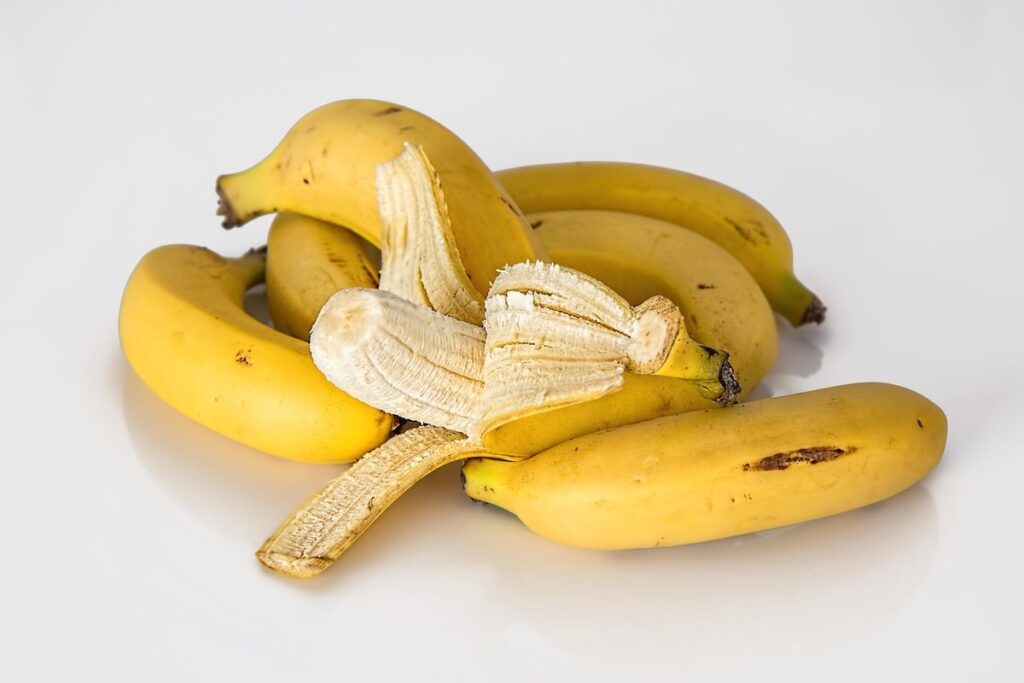
Banana peels are often discarded as waste, but they offer a wealth of nutritional benefits for chickens. When it comes to providing your flock with a balanced diet, incorporating banana peels can be an excellent addition.
Rich in vitamins A and B6, potassium, magnesium, and manganese, banana peels provide essential nutrients that support overall health and well-being in chickens. The peel also contains dietary fiber, which aids digestion and promotes regular bowel movements.
One of the most significant advantages of feeding banana peels is their ability to boost immune function. With a high concentration of vitamin C, your flock will be better equipped to fight off diseases and infections. Additionally, the peel’s mineral content supports strong bone development and growth in young chickens.
When offering banana peels as a treat or supplement, be sure to introduce them gradually into your chicken’s diet. This can help prevent digestive upset and ensure your flock adjusts smoothly.
Can Chickens Digest Banana Peels Effectively?
While it’s essential to consider whether chickens can digest banana peels effectively, research suggests that they have limited ability to break down cellulose and other tough plant fibers found in banana peels. This is because the digestive enzyme activity in chickens is geared more towards protein and carbohydrate digestion rather than breaking down fiber-rich foods.
However, studies show that when provided with a balanced diet, chickens can tolerate small amounts of fiber from food waste, including banana peels. The key is moderation – offering banana peels as an occasional treat or incorporating them into the chicken’s regular feed in small proportions.
When feeding your flock banana peels, make sure to wash and dry them thoroughly to remove any pesticide residue or bacteria that might be present. You can also consider mixing the peels with other nutrient-rich foods like mealworms or sunflower seeds to create a balanced treat.
Some tips for incorporating banana peels into your chicken’s diet include:
* Start with small amounts (about 10-20% of their daily feed) and monitor their digestive health.
* Mix banana peels with other food sources to ensure a well-rounded nutrient intake.
* Always prioritize fresh, organic produce whenever possible.
Preparing and Feeding Banana Peels to Chickens
Before offering banana peels to your flock, you’ll want to prepare them properly to ensure they’re safe for consumption. Here’s how to do it right!
Safe Handling and Preparation of Banana Peels
When handling and preparing banana peels for your flock, it’s essential to take some simple steps to ensure they’re safe and nutritious. First, make sure to wash the banana peels thoroughly with cold water to remove any dirt, bacteria, or pesticides that might be present on their surface. This is crucial in preventing contamination and ensuring the health of your chickens.
Once cleaned, dry the banana peels with a clean towel to remove excess moisture. This helps prevent mold growth and makes them easier to store for later use. Next, chop the banana peels into manageable pieces that your chickens can easily swallow. Aim for small to medium-sized bits, about 1-2 inches in length.
You can also freeze the chopped banana peels for up to a few weeks if you don’t plan on using them immediately. To do this, spread the frozen pieces out on a baking sheet and store them in an airtight container or freezer bag. Frozen banana peels will retain their nutritional value and be just as palatable for your chickens when thawed.
Remember, always introduce new foods gradually to prevent digestive upset. Mix small amounts of chopped banana peels with your chickens’ regular feed to ensure they can handle the nutrients. By following these simple steps, you’ll be providing a delicious and nutritious treat for your flock while minimizing any potential risks.
Integrating Banana Peels into a Chicken’s Diet
When integrating banana peels into a chicken’s diet, it’s essential to do so gradually and thoughtfully. Start by offering a small amount as a treat, about 1-2% of their daily feed. This will allow them to adjust to the new texture and flavor without overwhelming their digestive system.
As you continue to introduce banana peels, consider the frequency of feeding. A good rule of thumb is to offer them 1-2 times a week, depending on your flock’s size and individual needs. Be mindful of overfeeding, as excessive consumption can lead to nutrient imbalances.
To ensure overall nutrition balance, mix banana peels with other fruits or vegetables to create a diverse feed. For example, you could blend peels with apples, carrots, or sweet potatoes for a nutritious treat. Monitor your chickens’ behavior and health closely during this transition period, making adjustments as needed.
Potential Risks and Precautions
While banana peels are technically edible for chickens, there are some potential risks to consider before adding them to your flock’s diet. We’ll explore these dangers in more detail below.
Common Health Issues Caused by Improper Food Choices
Chickens are omnivores and require a balanced diet that includes fruits, vegetables, grains, and proteins. However, making improper food choices can lead to various health issues in chickens. A common problem is malnutrition, which can cause weakened immune systems, poor feather quality, and reduced egg production.
Another issue is digestive problems, such as coccidiosis, caused by consuming contaminated or spoiled foods. This condition can lead to diarrhea, weight loss, and even death if left untreated. Chickens that eat too much fat or sugar can develop obesity, which increases the risk of heart disease, diabetes, and respiratory issues.
To avoid these health problems, it’s essential to provide your chickens with a safe and balanced diet. Ensure they have access to clean water and a nutritious feed specifically formulated for their age, breed, and lifestyle. Supplement their diet with small amounts of fruits and vegetables, but always introduce new foods gradually to prevent digestive upset. By taking these precautions, you can keep your flock healthy and thriving.
Identifying Signs of Food-Related Illnesses in Chickens
If you’re introducing banana peels into your chicken’s diet, it’s essential to know the signs of food-related illnesses. Chickens are susceptible to gastrointestinal issues when consuming unfamiliar foods, including fruits and vegetables like banana peels.
Monitor your chickens’ behavior and physical condition closely after introducing new foods. Some common symptoms of a food-related illness in chickens include:
• Changes in appetite or water intake
• Diarrhea or constipation
• Vomiting or regurgitation
• Lethargy or depression
• Loss of feathers or skin problems
If you notice any of these signs, isolate your chicken immediately and provide fresh water. Keep a close eye on their condition, and seek veterinary advice if symptoms persist. It’s also crucial to ensure that the banana peels are clean and free from pesticides or other contaminants before offering them to your chickens.
In some cases, food-related illnesses can lead to more severe health issues, such as metabolic bone disease or organ damage. By being aware of these signs and taking prompt action, you can minimize the risks associated with introducing new foods into your chicken’s diet.
Alternatives to Banana Peels
If banana peels aren’t working for your flock, there are several other kitchen scraps you can offer as treats. Let’s explore some tasty alternatives to keep things interesting.
Other Healthy Treats for Chickens
Chickens are intelligent birds that require mental and physical stimulation to prevent boredom. A varied diet is essential for their well-being, which is why offering a range of healthy treats can be beneficial. Among the alternatives to banana peels, some options include:
Apples: They make an excellent snack when cut into wedges or diced pieces. However, it’s crucial not to feed them too many, as they are high in sugar and calories.
Carrots: These can be given raw or cooked and provide essential vitamins A and K for the birds’ health. Slice them thinly to prevent choking hazards.
Sweet Potatoes: Baked or steamed sweet potatoes are a nutritious treat for chickens. They’re rich in fiber, vitamins, and minerals that support digestive health.
Dark Leafy Greens: These can be offered as a supplement to their regular diet, providing essential nutrients such as iron, calcium, and potassium. Examples include kale, spinach, and collard greens.
Offering these treats allows you to provide your chickens with variety while also maintaining their nutritional balance.
Long-Term Dietary Considerations for Chickens
Maintaining a balanced diet is crucial for chickens long-term. While banana peels can provide essential nutrients like potassium and fiber, they shouldn’t be the primary source of nutrition. A mix of commercial feed, fruits, vegetables, and other safe treats should form the foundation of their diet.
When choosing fruits and veggies, opt for those that are rich in vitamins, minerals, and antioxidants. Leafy greens, carrots, and sweet potatoes are excellent additions to your flock’s menu. Fresh herbs like parsley, basil, and cilantro can also be incorporated. Aim for variety and introduce new items gradually to prevent digestive upset.
Commercial feed should still be the main staple of their diet. However, supplementing with fresh produce can help stimulate appetite, support immune function, and promote overall health. Be sure to remove any seeds, pits, or stems that can cause choking hazards or toxicity.
Incorporating a diverse range of foods will ensure your chickens receive all necessary nutrients for optimal health.
Conclusion
Now that we’ve explored the pros and cons of feeding banana peels to your flock, let’s sum up the key takeaways from our investigation.
Recap of Safe Feeding Practices for Chickens
When it comes to feeding your chickens, safety should always be top of mind. To ensure you’re providing your flock with a healthy and balanced diet, we’ve highlighted some key takeaways from our discussion on whether bananas peels can be safely consumed.
First and foremost, avoid overfeeding your chickens with any new food item, including banana peels. Stick to their regular diet for the most part, and only supplement with small amounts of fruits and vegetables as treats. This will help prevent digestive issues and maintain a stable gut microbiome.
Another crucial aspect is choosing the right foods for your flock. While bananas are nutritious, they should not make up more than 10% of your chicken’s daily calorie intake. Introduce new foods gradually to gauge their tolerance, and monitor their behavior and droppings closely.
It’s also essential to consider the cleanliness of the banana peels before offering them to your chickens. Wash the peels thoroughly in cold water, and remove any spoiled or moldy parts. This will prevent contamination and minimize the risk of foodborne illnesses.
Some foods that are toxic to chickens include avocado pits, seeds, and certain human foods like onions, garlic, and chocolate. Be mindful of these common culprits when preparing meals for your flock.
In conclusion, safe feeding practices for chickens involve moderation, variety, and attention to detail. By being responsible owners, you can provide your birds with the nutrients they need while minimizing the risks associated with feeding them certain foods.
Frequently Asked Questions
Can I feed banana peels to my chickens on a daily basis?
Feeding banana peels as a regular treat is okay, but moderation is key. Limit the amount to about 1-2% of their daily diet to prevent digestive issues. Also, make sure to balance it with other nutrient-rich foods to avoid deficiencies.
How do I know if my chickens have developed an allergy or intolerance to banana peels?
Keep a close eye on your flock’s behavior and health after introducing banana peels into their diet. If you notice signs of digestive distress, such as diarrhea, lethargy, or changes in appetite, discontinue feeding banana peels immediately and consult with a veterinarian.
Can I use banana peels as a replacement for their regular feed?
No, it’s not recommended to rely solely on banana peels as a substitute for your chickens’ regular feed. Banana peels lack essential nutrients like protein and calcium, which are crucial for healthy growth and development. Instead, consider them as an occasional treat or supplement.
How do I properly store and handle banana peels before feeding them to my flock?
Always wash the banana peels thoroughly with clean water to remove any pesticide residues or dirt. Then, chop them into manageable pieces and store them in an airtight container in the refrigerator to keep them fresh for up to 3 days.
What are some common mistakes to avoid when feeding banana peels to my chickens?
Be cautious not to overfeed your flock with banana peels, as this can lead to digestive issues. Also, ensure that you’re only using organic, pesticide-free bananas to minimize the risk of contamination. Regularly monitor your flock’s health and adjust their diet accordingly.