
When it comes to feeding your backyard flock, you’re always on the lookout for healthy and tasty treats. Grapes and their luscious leaves are often found in gardens and vineyards, making them an intriguing option for chicken snackers. But can chickens safely munch on grapes and vine leaves? As a responsible chicken owner, you want to make sure that what you feed your girls is not only delicious but also nutritious.
This article will delve into the world of grapes and vine leaves as potential additions to your flock’s diet. We’ll explore their nutritional value, discuss potential risks associated with feeding them to chickens, and provide guidance on how to introduce these treats into your flock’s regular meals. By the end of this read, you’ll have a clearer understanding of whether grapes and vine leaves are safe for your feathered friends to enjoy.
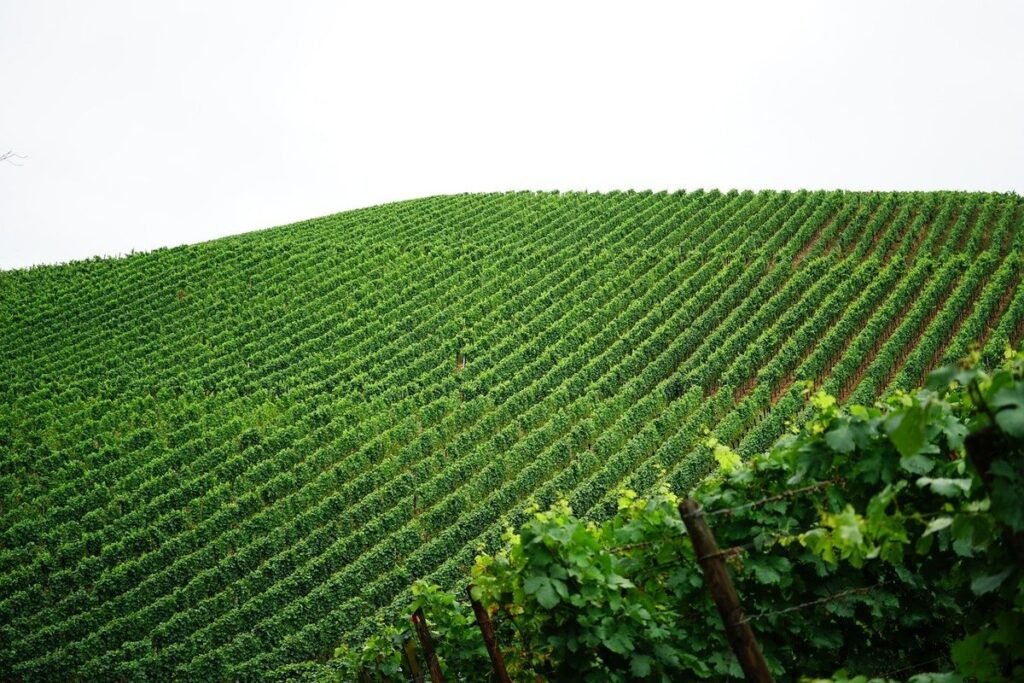
Introduction to Feeding Chickens
When it comes to feeding your chickens, knowing what they can and can’t eat is crucial for their health. Let’s start by exploring the basics of chicken nutrition.
Importance of Proper Nutrition in Chickens
When it comes to keeping chickens, many owners focus on providing them with food and shelter. However, proper nutrition plays a crucial role in their overall health and well-being. A balanced diet is essential for maintaining strong egg production, immune function, and feather quality. Without adequate nutrients, chickens can become prone to diseases, parasites, and other health issues.
A chicken’s digestive system is specifically designed to break down plant-based foods, such as grains, fruits, and vegetables. However, a nutrient-deficient diet can lead to malabsorption, resulting in stunted growth, egg yolk color changes, or even death. For instance, a lack of calcium can cause softening of the eggshell, while inadequate protein intake may result in decreased immune function.
To ensure your chickens receive proper nutrition, consider creating a varied and nutrient-rich feeding plan that includes high-quality commercial feed as its base. Supplement with fresh fruits, vegetables, and grains to provide essential vitamins and minerals. Keep an eye on your flock’s overall health and adjust their diet accordingly. By prioritizing proper nutrition, you’ll not only ensure your chickens’ health but also promote a happy and thriving flock.
Understanding Chicken Dietary Needs
A balanced diet is crucial for chickens to maintain their overall health and well-being. Chickens require a mix of protein, carbohydrates, and essential vitamins to function properly. The ideal ratio of protein to energy for chickens is around 16-20% protein and 70-80% energy from fat and starch sources.
For example, layer feed typically contains around 18% protein and 72% energy from fat and starch. On the other hand, starter feed has a higher protein content, usually around 22%, to support growth and development during the first few weeks of life.
Chickens also need access to essential vitamins like vitamin A, D3, E, K, B1, B2, B6, and biotin. These can be found in various sources such as mealworms, sunflower seeds, and dark leafy greens.
To ensure your chickens are getting a well-rounded diet, it’s best to stick to commercial feed and supplement with fruits and vegetables in moderation. This will help maintain their digestive health and prevent any potential issues that may arise from overeating certain foods.
Risks of Inadequate Nutrition
Feeding your chickens an improper diet can have severe consequences on their health and productivity. A nutrient-poor diet can lead to a range of issues, including poor egg production, weight loss, and weakened immune systems. For example, if you’re feeding your chickens a diet high in carbohydrates and low in protein, they may experience stunted growth and reduced fertility.
Inadequate nutrition can also make your chickens more susceptible to diseases and parasites. A study by the American Poultry Association found that nutrient deficiencies are the leading cause of mortality in backyard chicken flocks. Furthermore, a diet lacking essential vitamins and minerals can impair your chickens’ ability to absorb nutrients from their food, perpetuating a vicious cycle.
To avoid these risks, it’s crucial to provide your chickens with a balanced and varied diet. This can include fruits and vegetables like grapes and vine leaves, but in moderation and as part of an overall well-planned feeding strategy. Always research the nutritional content of any new foods you introduce to your flock and ensure they’re not overfeeding on any particular item.
Grapes as a Treat for Chickens
If you’re considering adding grapes to your flock’s treats, we’ll explore the benefits and risks of feeding them to chickens, along with some fun ideas.
Nutritional Value of Grapes
Grapes are a nutrient-rich treat for chickens, but their nutritional value is also what makes them potentially hazardous if fed excessively. On average, one medium-sized grape contains 3-4 grams of sugar and 1.5-2 grams of acidity. While some of this natural sweetness can be beneficial for chickens, overconsumption can lead to digestive issues, such as diarrhea or stomach discomfort.
To safely incorporate grapes into your flock’s diet, limit the amount fed to about one or two small grapes per chicken daily. It’s also essential to monitor their sugar and acid intake, especially if you’re feeding other high-carbohydrate treats regularly. Some breeds of chickens are more sensitive to these fluctuations than others. As an example, hens in breeding season may have higher requirements for certain nutrients.
A 1:10 ratio is a good rule of thumb when introducing grapes as a treat – provide one grape for every ten pounds of chicken weight. By doing so, you can safely offer this nutritious snack while avoiding any adverse effects on their health and well-being.
Can Chickens Eat Red or Green Grapes?
When it comes to feeding grapes as a treat to chickens, one common question is whether they can eat red or green grapes. While both varieties are safe for chickens to consume, there are some key differences between the two.
Red grapes contain more sugar and acidity than green grapes, making them potentially toxic in large quantities. However, the real concern with grapes is the seeds and stems, which can cause an obstruction in a chicken’s digestive tract if ingested. Both red and green grape seeds and stems should be removed before feeding grapes to your flock.
Green grapes, on the other hand, are generally considered safer for chickens due to their lower sugar content and slightly higher water content. However, it’s essential to still remove the seeds and stems from green grapes as well. A good rule of thumb is to limit grape consumption to 1-2 tablespoons per bird per day, and always monitor your flock for signs of digestive issues after feeding grapes.
Feeding Grapes to Chickens: Dos and Don’ts
When feeding grapes to chickens, it’s essential to follow some guidelines to ensure their safety and well-being. First and foremost, only provide fresh, ripe grapes as treats, and make sure they’re free of any seeds or stems. Seeds can be a choking hazard, while stems may cause digestive issues.
It’s also crucial to introduce grapes gradually into your chickens’ diet to prevent an overload on their system. Start with small amounts (about 1-2 grapes per bird) and observe their reaction before increasing the quantity. Remember that grapes are high in sugar, so moderation is key.
When it comes to the grape plant itself, leaves can be a bit tricky. While they’re non-toxic, eating excessive amounts may lead to an imbalance of certain nutrients in your chickens’ diet. As for the vine, you should avoid using it as bedding or nesting material, as the sap can cause skin and eye irritation.
To make grapes a safe treat, also ensure that your flock has access to fresh water at all times and maintain a balanced diet with the right mix of grains, proteins, and vegetables.
Vine Leaves as a Supplement
If you’re considering adding vine leaves to your chicken’s diet, let’s explore how they can provide essential nutrients and potential health benefits for your flock.
Nutritional Content of Vine Leaves
Vine leaves are an often-overlooked but nutrient-rich food source for chickens. In addition to their potential health benefits, they also provide a boost of essential minerals and antioxidants that can be lacking in a chicken’s standard diet.
Rich in vitamins A and K, as well as calcium and iron, vine leaves offer a range of nutritional benefits that can support healthy digestion, energy levels, and overall well-being. The antioxidant properties found in vine leaves have been shown to help protect against oxidative stress, which can lead to disease and premature aging in chickens.
Chickens who consume vine leaves regularly may experience improved immune function, reduced inflammation, and enhanced feather health. When incorporating vine leaves into your chicken’s diet, be sure to do so in moderation – as with any new food, a gradual introduction is key to avoiding digestive upset.
To incorporate vine leaves into your flock’s meals, try adding them to their scratch grains or mixing them into their favorite treats. A few fresh leaves per bird, 1-2 times per week, can provide a tasty and nutritious boost without overwhelming their system.
Safety Precautions When Feeding Vine Leaves
When feeding vine leaves to your chickens, it’s essential to take some crucial safety precautions to avoid potential risks. Firstly, be aware that some chicken breeds may be more sensitive to certain toxins found in vine leaves. For instance, the leaves of the grapevine (Vitis vinifera) contain a compound called resveratrol, which can cause liver damage if consumed excessively.
If you decide to feed vine leaves to your flock, make sure to introduce them gradually and in moderation. Start with a small amount (about 1-2% of their daily diet) and monitor their behavior and health closely for any adverse reactions. Some chickens may develop allergic reactions or digestive issues if they’re not accustomed to eating these leaves.
To minimize risks, choose fresh vine leaves from a pesticide-free area and avoid using leaves that have been sprayed with chemicals or herbicides. Regularly inspect your flock’s health and adjust their diet accordingly. If you notice any signs of illness, such as lethargy, droopy wings, or changes in appetite, consult a veterinarian immediately.
Keep in mind that every chicken is different, so it’s crucial to observe and respond to their individual needs. With caution and moderation, vine leaves can be a healthy addition to your flock’s diet.
How to Prepare Vine Leaves for Your Chickens
When preparing vine leaves for your flock, it’s essential to ensure they are clean and free of pesticides. Start by rinsing the leaves thoroughly under cold running water, then gently scrub them with a soft brush to remove any dirt or debris. Next, place the leaves in a large bowl or container filled with cold water, and let them soak for 10-15 minutes to rehydrate.
After soaking, drain the water and pat the leaves dry with paper towels to remove excess moisture. You can then chop the leaves into smaller pieces, about 1-2 inches in length, depending on your flock’s preference. Some chickens may prefer larger chunks, while others will enjoy them chopped finely. Serve the vine leaves fresh or store them in an airtight container in the refrigerator for up to three days.
Remember to introduce vine leaves gradually into your chicken’s diet, as a sudden change can cause digestive upset. Start with small amounts and monitor their response before increasing the quantity. This will help ensure a smooth transition and prevent any adverse reactions.
Health Concerns Related to Grapes and Vine Leaves
When it comes to feeding your flock grapes and vine leaves, there are some potential health concerns you should be aware of. Let’s take a closer look at these issues.
Toxicity of Grape Skin and Seeds
When it comes to feeding grapes to your chickens, there’s a catch – the skin and seeds can be toxic. This might seem surprising given that humans consume grapes without issue, but birds have a different metabolism than humans.
The primary concern with grape skin and seeds is their high concentration of cyanogenic glycosides. These compounds break down into cyanide, a potent toxin that can cause serious health issues in chickens if ingested in large amounts. Cyanide poisoning can lead to symptoms such as lethargy, seizures, and even death.
To put the risk into perspective, a small amount of grape skin or seeds – about 1/4 cup – is estimated to contain enough cyanogenic glycosides to kill a chicken weighing around 3 pounds. This means that accidental ingestion could be fatal.
If you still want to offer grapes as an occasional treat, make sure to remove the skin and seeds thoroughly. You can also consider cooking or drying the grapes first to reduce their toxicity levels. It’s essential to prioritize your chickens’ health and safety above any desire for treats. By being mindful of the potential risks, you can enjoy watching your flock enjoy their special occasion snacks with minimal worry.
Allergic Reactions to Vine Leaves
Some chicken breeds may be more prone to allergic reactions or sensitivities when consuming vine leaves due to their individual characteristics and genetic makeup. While rare, these sensitivities can manifest in a range of symptoms including lethargy, labored breathing, and changes in appetite.
It’s essential for chicken owners to monitor their flock closely after introducing vine leaves into their diet. Some breeds, such as Silkie chickens, may be more susceptible due to their unique skin folds and feathering which can trap allergens.
If you suspect an allergic reaction in your flock, remove the vine leaves immediately and consult with a veterinarian to rule out other potential causes of symptoms. In some cases, a food allergy elimination diet may be necessary to determine whether the vine leaves are indeed the culprit. Keep detailed records of your chickens’ behavior, eating habits, and any changes in their physical condition to help you make informed decisions about their dietary needs.
Regularly cleaning feeders and watering systems can also minimize the risk of allergic reactions by removing potential allergens.
Preparing Your Flock for a Change in Diet
Before making any changes, it’s essential to prepare your flock for a new diet by gradually introducing new foods and monitoring their health and appetite closely.
Gradual Introduction of New Foods
When introducing grapes and vine leaves into your chickens’ diet, it’s essential to do so gradually to prevent digestive upset. A sudden change can lead to vomiting, diarrhea, and even lethargy in your flock.
To introduce these new foods safely, start by mixing a small amount of chopped grapes or vine leaves with their regular feed for 1-2 days. Monitor their behavior and stool quality closely during this period. If you notice no adverse reactions, gradually increase the proportion of grapes or vine leaves to their regular diet over the next few days.
For example, if your flock is accustomed to eating a standard layer feed, you can start by adding 10% chopped grapes or vine leaves to their daily ration for two days, then increase it to 20%, and finally up to 50%. Keep in mind that individual birds may react differently, so adjust the introduction pace accordingly.
Remember, always provide fresh water and a balanced diet as the main staple of your chickens’ diet. Grapes and vine leaves should be considered treats or supplements, not replacements for their regular feed.
Monitoring Your Chickens’ Health and Behavior
Monitoring your flock’s health is crucial when introducing new foods, especially something as potentially beneficial as grapes and vine leaves. As you make this dietary shift, keep a close eye on changes in your chickens’ behavior, health, and egg production.
Changes in health can manifest as increased droppings, lethargy, or even labored breathing. These symptoms are often the result of a food intolerance rather than an allergic reaction. If you notice any unusual behavior, ensure to separate the affected chicken from the rest of the flock to prevent cross-contamination and minimize potential harm.
Regularly inspect your chickens’ droppings for changes in color, consistency, or quantity, as these can indicate a digestive issue. Egg production may also fluctuate as your birds adjust to their new diet. Monitor egg quality, size, and shell thickness to gauge whether the introduction of grapes and vine leaves is having a positive impact.
If you notice any significant deviations from normal behavior or health, consult with a veterinarian experienced in poultry care for professional guidance.
Conclusion
Now that we’ve explored the ins and outs of feeding grapes and vine leaves to your flock, let’s summarize what you can take away from this discussion.
Recap of Key Points
In conclusion to our discussion on whether chickens can eat grapes and vine leaves, let’s recap the key points that will help you make informed decisions for your feathered friends’ diet.
We’ve established that while an occasional treat of fresh grapes is unlikely to harm your chickens, regular consumption in large quantities can lead to digestive issues due to their high sugar content. It’s essential to remember that a balanced chicken diet should consist mainly of commercial feed, with fruits and vegetables making up no more than 10% of their daily intake.
As for vine leaves, they are not toxic to chickens but should be fed in moderation due to their potential impact on nutrient balance. If you choose to incorporate them into your flock’s diet, make sure to remove any seeds or stems first, as these can cause choking hazards.
Final Thoughts on Providing a Balanced Diet
As you continue to provide treats like grapes and vine leaves for your flock, remember that these should supplement their regular diet, not replace it. A balanced diet is crucial to maintaining the health and well-being of your chickens.
To ensure they’re getting all the nutrients they need, make sure to provide a mix of grains, proteins, fruits, vegetables, and calcium-rich foods in their feeders. This can include items like oats, barley, sunflower seeds, and leafy greens like kale or spinach. Don’t forget to add fresh water daily, as hydration is key to overall health.
Also consider rotating their diet seasonally to provide variety and keep things interesting for your flock. This might involve adding more fruits in the summer months when they’re readily available, and switching to root vegetables during the colder winter months when other options are scarce. By doing so, you’ll not only be keeping their meals engaging but also ensuring they receive a diverse range of nutrients to thrive on.
Frequently Asked Questions
Can I feed grapes to my chickens if they’re not ripe yet?
Yes, it’s generally safe to offer unripe or green grapes to your flock. However, make sure they are fresh and free of mold, as this can pose health risks. Keep in mind that unripe grapes might be harder for your chickens to digest than ripe ones.
How long should I wait before introducing vine leaves into my chickens’ diet?
Introduce vine leaves gradually, starting with small amounts (about 1-2% of their daily diet) and monitor your flock’s health and behavior. Wait a few days between each introduction to ensure they can tolerate the new food without any adverse effects.
Are there any specific signs I should look for if my chickens show allergic reactions to vine leaves?
If you notice any unusual symptoms such as itching, scratching, or difficulty breathing after introducing vine leaves, remove them immediately and consult with a veterinarian. Be cautious of changes in your flock’s droppings, behavior, or appetite.
Can I use grape skins and seeds as supplements for my chickens’ diet?
No, it’s not recommended to feed grape skins and seeds to your flock. While the leaves are safe, the skin and seeds contain compounds that can be toxic to chickens. Avoid using these parts to ensure a healthy and balanced diet.
How often should I provide grapes or vine leaves as treats for my chickens?
Treats should make up no more than 10% of your flock’s daily diet. Limit grape and vine leaf treats to 1-2 times a week, depending on their nutritional needs and your specific flock’s requirements.