
Are you looking for creative ways to add some crunch and variety to your backyard flock’s diet? You’ve probably considered giving them cucumbers, but have you wondered if it’s safe to feed your chickens cucumber peels too? While we know that fresh veggies are a nutritious treat for our feathered friends, not all parts of plants are created equal. Some can even be toxic or cause digestive issues. That’s why it’s essential to know the risks and benefits before sharing your cucumber snacks with them. In this article, we’ll delve into the world of safe feeding practices and explore whether you can give your chickens cucumber peels as a healthy treat, including how to prepare and introduce them into their diet safely.
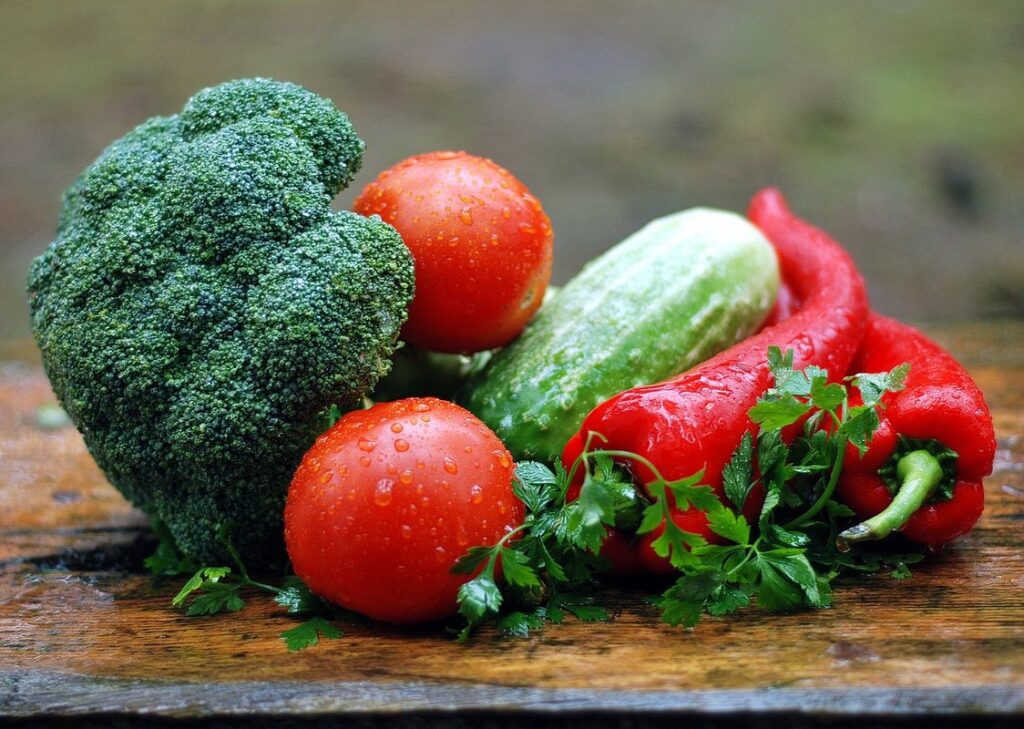
The Risks and Benefits of Feeding Chicken Cucumber Peels
When considering cucumber peel as a treat for your chickens, it’s essential to weigh the potential benefits against some surprising risks that might catch you off guard. Let’s dive into the details now.
Understanding the Nutritional Value of Cucumber Peels
Cucumber peels are more than just a waste product; they’re a treasure trove of nutrients for our feathered friends. When it comes to feeding chickens cucumber peels, understanding their nutritional value is essential.
Rich in vitamins A and C, potassium, and manganese, cucumber peels offer a plethora of health benefits for chickens. Vitamin A, for instance, supports healthy vision, immune function, and skin integrity, while vitamin C acts as an antioxidant, shielding the birds from oxidative stress and promoting overall well-being. Potassium, on the other hand, helps maintain proper electrolyte balance, reducing the risk of muscle cramps and weakness.
To reap these benefits, ensure you’re feeding your chickens fresh cucumber peels, preferably organic to minimize pesticide exposure. Simply chop or shred the peels into manageable pieces, and add them to their usual feed mix in moderation – a few grams per pound of feed is sufficient. Be cautious not to overdo it, as excessive consumption may cause digestive issues.
Common Concerns About Feeding Cucumber Peels to Chickens
When it comes to feeding cucumber peels to chickens, there are some potential health risks to consider. One of the main concerns is bacterial contamination. If the cucumbers have been sprayed with pesticides or contaminated with E. coli, these bacteria can be transferred to the chicken’s digestive system through the peels. This can lead to serious health issues, including diarrhea, vomiting, and even life-threatening conditions.
Another concern is digestive issues. Chickens are not designed to eat cellulose-based materials like cucumber peels, which can cause blockages or discomfort in their digestive tract. If your chickens eat too many cucumber peels, they may experience constipation, gas, or even impaction, which can be painful and life-threatening.
To minimize these risks, it’s essential to ensure the cucumbers are free of pesticides and other contaminants. You can do this by washing them thoroughly before giving the peels to your chickens. Start with small amounts (about 1-2 peels per chicken) to see how they react, and gradually increase the amount as needed. Always monitor their health and adjust accordingly.
What to Know Before Sharing Your Cucumber Peels with Chickens
Before sharing your cucumber peels with your feathered friends, there are a few essential things you should know about safely feeding them. Let’s discuss some key considerations first.
Preparing Cucumber Peels for Chicken Consumption
When preparing cucumber peels for your chickens, proper washing and drying methods are crucial to ensure their safety. First, start by rinsing the peels thoroughly with cold water to remove any dirt, wax, or pesticide residues that may be present. You can use a soft-bristled brush to gently scrub away any stubborn debris.
Next, place the cleaned peels in a clean towel and pat them dry. This will help prevent moisture from accumulating, which can lead to mold growth and potential toxicity for your chickens. Alternatively, you can air-dry the peels by laying them out on a wire rack or paper towels. It’s essential to remove as much excess moisture as possible to minimize the risk of fungal contamination.
Once dry, store the prepared cucumber peels in an airtight container until feeding time. When introducing new treats to your flock, always supervise their consumption and be prepared for any adverse reactions. Remember, every chicken is different, so monitor their behavior and adjust accordingly.
Recommended Amounts and Frequency of Feeding Cucumber Peels
When it comes to feeding cucumber peels to chickens, it’s essential to strike the right balance. Overfeeding can lead to digestive issues and other health problems for your flock.
As a general rule of thumb, you can feed your chickens about 1-2 teaspoons of finely chopped cucumber peel per bird per day. This amount is equivalent to about 10-20% of their daily fiber intake. However, the ideal amount may vary depending on factors such as age, breed, and individual nutritional needs.
To avoid overfeeding, start with a small amount (about half a teaspoon) and gradually increase it over time while monitoring your chickens’ behavior and health. Be sure to remove any seeds or large pieces of peel that can cause choking hazards. It’s also crucial to maintain a varied diet for your chickens, including a balanced commercial layer feed as the main staple.
Remember, cucumber peels are not a replacement for commercial chicken feed but rather a nutritious supplement to their regular diet. So, be cautious and only offer them in moderation.
Signs of Adverse Reactions in Chickens to Cucumber Peel Consumption
If you’re considering feeding your chickens cucumber peel, it’s essential to recognize the warning signs of an adverse reaction. Some subtle changes can indicate trouble brewing in their digestive system.
Identifying Common Symptoms of Allergies or Intolerances
When it comes to monitoring your flock’s health after introducing cucumber peels into their diet, being aware of common symptoms is crucial. Diarrhea and vomiting are two telltale signs that a chicken may be experiencing an adverse reaction to eating cucumber peels.
If you notice any changes in your chicken’s stool or droppings, it could indicate that the peel is causing irritation or discomfort in their digestive system. The presence of blood, mucus, or an unusual color change can also signal an issue.
Vomiting is another potential symptom, especially if accompanied by lethargy or loss of appetite. Chickens may become disinterested in food and water due to digestive upset caused by the peel’s high water content or other chemical properties.
It’s essential to observe your chickens closely after introducing cucumber peels into their diet. Monitor their droppings, behavior, and overall health for any signs of distress. If you suspect an issue, consult with a veterinarian or adjust their diet accordingly.
Seeking Veterinary Advice for Suspected Food Poisoning
If you suspect that your chicken has eaten contaminated or spoiled cucumber peel, it’s crucial to seek veterinary advice immediately. Cucumber peels can be a breeding ground for bacteria like Salmonella and E. coli, which can cause severe food poisoning in chickens. In fact, according to the USDA, over 1 million cases of foodborne illnesses are reported annually in the United States alone.
When consulting with your veterinarian, provide as much information as possible about the incident, including:
* The amount of cucumber peel consumed
* The time frame since consumption
* Any symptoms exhibited by the chicken (such as vomiting, diarrhea, lethargy)
* Your chicken’s vaccination history and health status
Your vet will likely perform a physical examination, take a complete medical history, and possibly conduct diagnostic tests to determine the severity of the situation. Based on their findings, they may prescribe medication or recommend supportive care to help your chicken recover.
Prompt veterinary attention is essential in preventing long-term damage and ensuring your flock’s overall health.
Alternatives to Feeding Cucumber Peels to Chickens
If you’ve decided not to feed cucumber peels to your chickens, don’t worry, there are plenty of other nutritious treats they can enjoy instead. Here are some tasty alternatives to try.
Other Healthy Treats for Backyard Chickens
If you’re looking for alternatives to cucumber peels, there are plenty of nutritious and safe treats that you can give to your backyard chickens. Leafy greens like kale, spinach, and collard greens are an excellent choice. These superfoods are rich in vitamins A, C, and K, as well as minerals like calcium and iron. You can chop them up fresh or freeze them for later use.
Other healthy options include fruits like berries (strawberries, blueberries, raspberries), melons (watermelon, cantaloupe, honeydew), and apples. Be sure to remove any seeds or pits, as they can be toxic to your flock. You can also offer carrots, squash, and pumpkin, but make sure to chop them into bite-sized pieces to prevent choking hazards.
When introducing new treats, do it gradually to prevent digestive upset. Start with a small amount (about 1-2% of their daily diet) and observe their reaction before increasing the quantity. It’s also essential to maintain a balanced and varied diet for your chickens by mixing different foods and treats throughout the week. By doing so, you’ll be providing your feathered friends with a healthy and happy lifestyle.
Benefits of Diversifying a Chicken’s Diet with New Foods
When it comes to providing a balanced and nutritious diet for our feathered friends, it’s essential to offer variety to ensure their overall well-being. Feeding the same old food day in and day out can lead to boredom, which can negatively impact digestion and even cause behavioral issues.
Imagine if you only ate one type of food every single day – your meals would quickly become monotonous, and your body might start to crave more variety. The same applies to chickens! By introducing new foods into their diet, you’ll not only keep them engaged but also improve their digestive health.
For example, adding some fresh herbs like parsley or basil can provide essential vitamins and minerals while stimulating their taste buds. Mixing in a few sunflower seeds can offer a tasty treat rich in protein and healthy fats. Experimenting with different fruits and veggies, such as carrots, sweet potatoes, or berries, will not only add variety but also ensure they’re getting a range of nutrients.
Remember, every chicken is unique, so it’s crucial to monitor their preferences and adjust accordingly. By rotating foods regularly and offering new options, you’ll keep your flock happy, healthy, and engaged – which ultimately leads to better egg production and overall well-being!
How to Make Cucumber Peel Treats for Your Chickens at Home
Now that you’ve learned the benefits and safety of feeding your chickens cucumber peels, let’s dive into making tasty treats for them at home. We’ll show you a simple recipe to get started!
A Simple Recipe for Chicken-Friendly Cucumber Peels
To make chicken-friendly cucumber peel treats at home, follow these simple steps. First, choose organic cucumbers that haven’t been sprayed with pesticides to ensure the peels are safe for your flock. Wash the cucumbers thoroughly and slice off both ends before peeling them using a vegetable peeler or sharp knife.
Next, dry the peeled cucumber skins in a single layer on a paper towel-lined plate or tray to remove excess moisture. This step is crucial as it helps prevent mold growth and makes the treats more palatable for your chickens. Once dried, chop the peels into bite-sized pieces and serve them as a crunchy snack.
For an added twist, you can mix in some chopped herbs like parsley or cilantro for extra flavor and nutrition. Store any leftover cucumber peel treats in an airtight container to keep them fresh for up to three days. Remember to introduce new foods gradually to prevent digestive upset in your flock.
Tips for Storing and Handling Prepared Cucumber Peel Treats
Proper storage and handling of prepared cucumber peel treats are crucial to ensure they remain fresh and free from contamination. When storing them, it’s essential to keep the treats in airtight containers, such as glass jars with tight-fitting lids or plastic containers with snap-on covers. This will help maintain their moisture levels and prevent drying out.
It’s also vital to label the containers with the date you prepared the treats and what they are. This way, you’ll be able to keep track of how long they’ve been stored and avoid any confusion when providing them to your chickens.
When handling the prepared cucumber peel treats, make sure to wash your hands thoroughly before and after touching the treats or their container. Additionally, clean any utensils or scoops used to feed the treats to your chickens. This will help prevent the transfer of bacteria and other contaminants that can harm your flock.
Remember to store the containers in a cool, dry place, away from direct sunlight and moisture.
Final Considerations and Precautions When Feeding Chickens Cucumber Peels
Now that you’ve learned how to feed your chickens cucumber peels safely, let’s review some crucial guidelines to ensure they continue to thrive. Pay attention to these final considerations and precautions to avoid any issues.
Monitoring Your Chicken’s Health After Introducing Cucumber Peels
When introducing cucumber peels into your chickens’ diet, it’s essential to closely monitor their health and behavior. Keep a watchful eye on changes in appetite and energy levels, as these can be early indicators of an issue. Be aware that some chickens may experience digestive upset or allergic reactions when consuming cucumber peels for the first time.
Start by checking if your chicken is eating normally and appears healthy and active. Monitor their droppings closely for any signs of abnormality, such as diarrhea or blood in the stool. Also, pay attention to changes in their behavior, including lethargy, loss of interest in food, or unusual vocalizations.
If you notice any changes, remove the cucumber peels from their diet immediately and consult a veterinarian if necessary. Keep in mind that every chicken is different, so it’s crucial to tailor your introduction process to your flock’s specific needs.
Conclusion: Safe Feeding Practices for Healthy Chickens
In conclusion, safely feeding cucumber peels to your chickens requires careful consideration of several factors. By following the guidelines outlined in this section, you can minimize potential health risks and ensure a nutritious treat for your flock.
To recap, it’s essential to only offer small amounts of cucumber peel as an occasional treat, not as a regular substitute for their balanced diet. Also, remove any seeds or soft parts that may cause digestive issues. When introducing cucumber peels, monitor your chickens’ behavior and health closely, watching for signs of discomfort or illness.
As with any new food item, it’s crucial to introduce cucumber peels gradually, allowing your chickens to adjust to the new nutrient source. If you’re unsure about the safety of feeding cucumber peels or notice any adverse reactions, consult with a veterinarian or poultry expert for guidance.
By being mindful of these precautions and guidelines, you can safely provide your chickens with this nutritious treat, boosting their immune system and overall well-being. Remember, it’s always better to err on the side of caution when introducing new foods to your flock’s diet.
Frequently Asked Questions
Can I feed my chickens cucumber peels if they have a history of digestive issues?
Yes, it’s still possible to introduce cucumber peels into the diet of chickens with pre-existing digestive issues, but do so gradually and in small amounts to monitor their reaction. Start with a tiny amount (about 1/4 teaspoon per chicken) and observe for any signs of discomfort or distress before increasing the quantity.
How can I ensure my chickens are getting enough moisture from cucumber peels?
While cucumber peels offer some water content, it’s essential to provide fresh water at all times. To encourage your chickens to drink more water, consider adding a shallow dish of water near their roosting area or using a water-rich treat like frozen berries as an alternative.
What happens if my chicken is allergic to cucumber peels?
Identifying common symptoms of allergies or intolerances is crucial when introducing new foods. Monitor for signs such as sneezing, watery eyes, diarrhea, or skin irritation after consumption. If you suspect an allergy, discontinue feeding and consult a veterinarian for guidance on alternative treats.
Can I store prepared cucumber peel treats for later use?
Yes, but it’s recommended to prepare and store them safely to prevent spoilage and contamination. Store any leftover treats in the refrigerator within 24 hours of preparation and consume within 3-5 days. Always handle and store with clean equipment to avoid bacterial growth.
How long should I wait before introducing other new foods after feeding cucumber peels?
To allow your chickens’ digestive system to adjust, it’s recommended to introduce new foods at least 7-10 days apart from one another. This will help you monitor their reaction and identify any potential sensitivities or allergies more effectively.