
If you’re like many chicken keepers, you’ve probably found yourself with leftover apple peels wondering if they’re safe to feed your flock. The answer isn’t a simple yes or no, as it turns out that chicken nutrition is a bit more complicated than just tossing in any old scraps. Apple peels can be a nutritious treat for chickens, providing essential vitamins and minerals like fiber, potassium, and antioxidants. However, there are also some potential risks to consider, such as choking hazards and the presence of toxic compounds like cyanide. In this article, we’ll dive into the benefits and risks of feeding apple peels to chickens, exploring safe preparation methods and providing you with a clear understanding of what’s okay to feed your feathered friends.
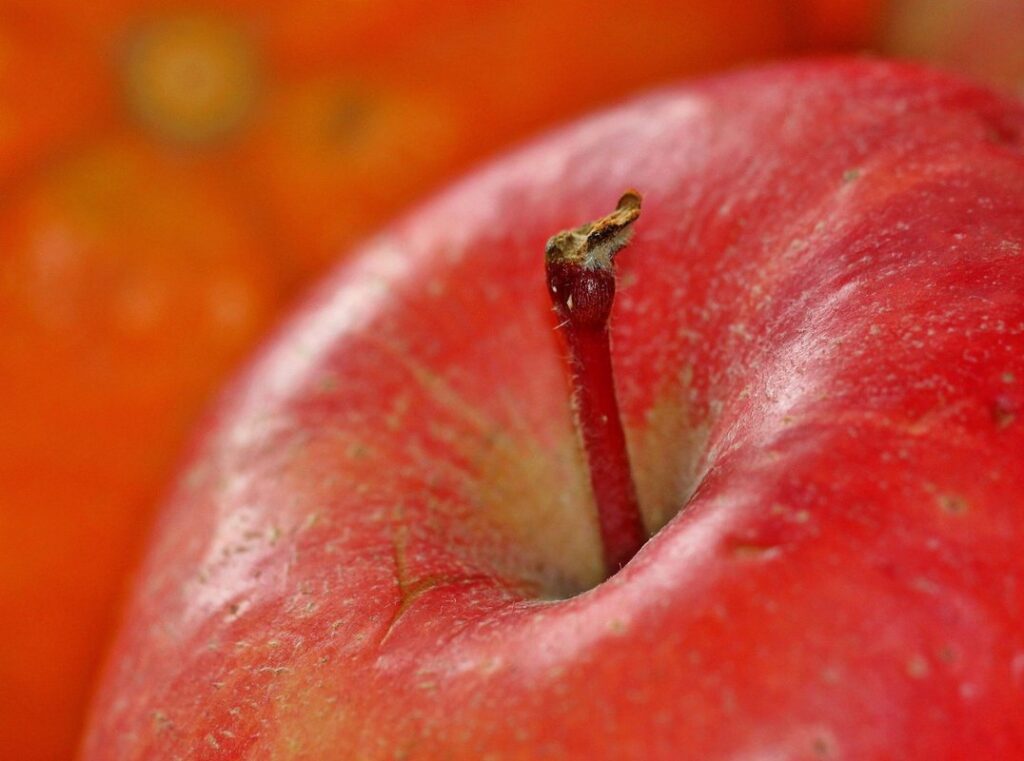
Benefits of Feeding Apples to Chickens
Feeding apples to your chickens can have a range of benefits, from improving their digestion to boosting their immune system and energy levels naturally. Let’s explore some of these advantages in more detail.
Nutritional Value of Apples
Apples are not only a delicious snack for humans but also a nutritious treat for our feathered friends. When it comes to feeding apples to chickens, their nutritional value is essential to consider. Apples are rich in dietary fiber, containing both soluble and insoluble fibers that promote healthy digestion in chickens.
In addition to fiber, apples are an excellent source of vitamins A and C, as well as minerals like potassium and manganese. These nutrients play a vital role in maintaining the overall health of your flock. Vitamin A helps to boost the immune system, while vitamin C supports collagen production for strong eggshell development.
When you provide apple peels for your chickens, they will not only enjoy the crunchy texture but also reap the rewards of these essential vitamins and minerals. To maximize the nutritional benefits, it’s recommended to feed them in moderation as part of a balanced diet. For example, you can add 1-2 teaspoons of finely chopped apple peels to their daily ration. This will ensure your chickens get the optimal amount of nutrients without overloading on fiber content.
Variety of Apples for Chickens
When it comes to feeding apples to your chickens, not all varieties are created equal. Some types of apples are safer and more nutritious for your feathered friends than others. For instance, Granny Smith, Red Delicious, and Gala apples are excellent choices. These varieties are generally sweeter and less acidic than other types of apples, making them a great option for chickens.
However, it’s essential to remember that even safe apple varieties can cause problems if fed in excess or with other foods high in sugar content. Some chickens may be sensitive to certain types of apples, so monitor their behavior and health closely after introducing new fruit into their diet.
To introduce variety into your flock’s diet, try mixing different types of apples with other fruits like berries or melons. This not only adds flavor but also ensures your chickens get a balanced mix of nutrients. As with any food change, start with small amounts to gauge their tolerance and adjust accordingly.
Potential Risks of Feeding Apple Peels
While apple peels can be a nutritious and tasty treat for chickens, there are some potential risks to consider before making them a regular part of their diet. Let’s take a closer look at these concerns.
Choking Hazards
When feeding apple peels to your chickens, it’s essential to be aware of the potential choking hazard they can pose. If not properly prepared or served, the long and thin strips of peel can easily get stuck in a chicken’s throat or esophagus, leading to serious health issues.
Choking hazards are more likely to occur if you simply slice or chop the apple peels into larger pieces. To minimize this risk, it’s recommended to either chop the peels finely or grind them into a powder using a food processor or blender. This will break down the long strips of peel into smaller particles that are less likely to get stuck.
For example, if you’re serving frozen fruit and veg mix containing apple peels as a treat, make sure to grind it into a fine texture first. Alternatively, offer cooked apple peels as an evening meal treat, allowing your chickens to swallow the softer, more easily digestible pieces without any risk of choking.
Toxic Compounds
When you’re considering feeding apple peels to your chickens, it’s essential to be aware of the potential toxic compounds present in these peels. Two significant concerns are cyanide and amygdalin, naturally occurring compounds found in many fruits, including apples.
Cyanide is a potent toxin that can be released when amygdalin is broken down in the body. While small amounts may not cause harm to your chickens, consuming large quantities of apple peels over time can lead to cyanide poisoning. Symptoms of cyanide toxicity in birds include vomiting, diarrhea, and respiratory distress.
To mitigate these risks, it’s crucial to handle apple peels safely and feed them in moderation. Start by chopping the peels finely to increase their surface area and help your chickens digest them more efficiently. Also, consider soaking the peels in water for a few hours to reduce the amygdalin content. This can be done before adding the peels to your chickens’ diet. Keep an eye on your flock’s behavior after introducing apple peels, and monitor their food intake to ensure they’re not overindulging in this treat.
Preparing Apple Peels for Chickens
To safely feed apple peels to your flock, you’ll need to prepare them properly first. This involves cleaning and chopping the peels into manageable pieces for easy consumption.
Washing and Cleaning
Before feeding apple peels to your chickens, it’s essential to ensure they are clean and free from contaminants. Dirt, pesticides, and other substances can be toxic to chickens if ingested, which is why proper washing and cleaning of apple peels are crucial steps in the process.
Washing apple peels under cold running water can help remove dirt and debris. However, this method may not be effective in removing pesticide residues or heavy metals. To tackle these contaminants, you’ll need a more thorough approach. One option is to soak the apple peels in a mixture of 1 tablespoon of white vinegar per gallon of water for about an hour. This can help break down and remove any pesticide residue.
Alternatively, you can use a solution of 1 part lemon juice to 10 parts water as a natural cleaning agent. The acidity in the lemon juice can help dissolve and neutralize pesticides, making it safer for your chickens to consume the apple peels. Always rinse the apple peels thoroughly with cold water after soaking or washing to remove any remaining contaminants.
Cooking or Steaming
When it comes to making apple peels safe for your chickens to eat, cooking or steaming is an effective way to break down toxic compounds. Raw apple peels contain a compound called amygdalin, which releases cyanide when ingested. To mitigate this risk, you can cook or steam the peels to denature amygdalin and render it harmless.
Cooking or steaming apple peels is a simple process that requires minimal effort. You can boil them in water for 10-15 minutes or steam them for 5-7 minutes. This gentle heat treatment helps break down the toxic compounds, making the peels safe for your chickens to eat. In fact, studies have shown that cooking apple peels reduces their toxicity by up to 90%. By incorporating this step into your process, you can enjoy the benefits of feeding apple peels while minimizing any potential risks.
When steaming or boiling, be sure to use plenty of water to cover the apple peels and ensure they are fully submerged. This will help prevent any remaining toxins from leaching back into the solution.
Safe Feeding Practices
When feeding apple peels to your flock, it’s crucial to follow safe practices to avoid any potential health risks for your chickens. Here we’ll explore best practices for safe feeding.
Amount and Frequency
When it comes to feeding apple peels to your chickens, it’s essential to establish a balance between providing them with nutrients and avoiding overfeeding. A general rule of thumb is to limit the amount of apple peel to about 1-2% of their daily diet. This translates to around 1/4 cup of chopped apple peels per 10 pounds of body weight for your flock.
For example, if you have a flock of 10 chickens weighing an average of 3 pounds each, they can safely consume around 1/2 cup of chopped apple peels per day. However, it’s crucial to monitor their consumption and adjust as needed to avoid overfeeding. Overindulging in apple peels can lead to digestive issues, such as diarrhea or vomiting.
To incorporate apple peels into your flock’s diet safely, try the following: offer them as a treat once or twice a week, chop them finely to prevent choking hazards, and mix with their regular feed to prevent overfeeding. By doing so, you’ll provide your chickens with a tasty and nutritious snack while minimizing potential risks associated with overconsumption.
Monitoring Chicken Health
When introducing new foods like apple peels to your flock’s diet, it’s crucial to keep a close eye on their health and behavior. Chickens can be sensitive to changes in their food, and some may react more strongly than others. Monitor their behavior closely for signs of illness or discomfort.
Some common indicators that something is amiss include:
• Changes in appetite: If your chicken stops eating or shows no interest in the apple peels, it could be a sign that they’re not agreeing with them.
• Diarrhea or loose stool: This can be caused by food intolerance or sensitivity.
• Vomiting: If your chicken vomits after eating apple peels, it’s essential to remove the affected food from their diet immediately.
• Lethargy: Chickens who become lethargic or exhibit unusual behavior may be experiencing digestive issues.
• Changes in egg production: Female chickens who are experiencing health problems may see a decrease in egg production.
If you notice any of these symptoms, it’s best to remove the apple peels from their diet and consult with a veterinarian for advice.
Conclusion
Now that we’ve weighed the pros and cons, let’s summarize what you can expect from feeding apple peels to your flock. Here’s a quick recap of our key findings.
Recap of Safety Guidelines
As we conclude this exploration of whether chickens can eat apple peels safely, let’s recap the key takeaways from our discussion. To ensure that your flock enjoys apple peels without compromising their health, follow these guidelines: Wash the apple peels thoroughly to remove any dirt, bacteria, or pesticide residues. Then, dry them completely to prevent mold growth.
When introducing apple peels into your chickens’ diet, start with a small amount (about 1-2% of their daily feed) and monitor their behavior and health closely. Gradually increase the portion size as needed. It’s also essential to balance the nutrient-rich apple peels with other healthy treats and forage.
Remember that every flock is unique, so consult with your veterinarian or a poultry expert to tailor advice specific to your chickens’ needs and age groups. With these guidelines in mind, you can safely provide your chickens with the occasional apple peel snack as an enrichment activity and nutrient boost.
Final Thoughts
As we conclude our exploration of whether chickens can safely eat apple peels, it’s essential to take a step back and weigh the benefits against the potential risks. On one hand, offering apples as treats can be an excellent way to provide your flock with essential nutrients like fiber, vitamins, and antioxidants. However, it’s also crucial to consider the possible downsides, such as introducing pesticide residues or choking hazards.
To make informed decisions about incorporating apple peels into your chickens’ diet, remember that moderation is key. Limit the amount of treats and choose organic options whenever possible to minimize exposure to pesticides. Additionally, always supervise your flock when introducing new foods to ensure their safety.
Ultimately, it’s up to you as a responsible chicken owner to assess the benefits and risks for your specific flock. By striking a balance between providing nutrients and minimizing potential harm, you can create a happy and healthy environment for your feathered friends.
Frequently Asked Questions
Can I feed apple peels to chickens with respiratory issues?
While apple peels can be a nutritious treat, they may not be suitable for chickens with pre-existing respiratory issues. The high fiber content can sometimes exacerbate respiratory problems. It’s best to consult with a veterinarian or poultry expert to determine the best course of action for your flock.
How do I store apple peels safely?
To prevent spoilage and contamination, it’s essential to store apple peels properly. Keep them in an airtight container at room temperature, away from direct sunlight. You can also consider freezing them for later use. Always wash the peels thoroughly before storing or feeding them to your chickens.
What if I notice my chicken is allergic to apples?
If you suspect that your chicken has an allergy to apples, monitor their behavior and health closely after introducing apple peels into their diet. Look out for signs like itching, sneezing, or digestive issues. If symptoms persist, consider consulting with a veterinarian or switching to alternative treats.
Can I give apple peels to chickens of different ages?
Yes, chicken peels can be fed to chickens of all ages, but it’s essential to introduce them gradually and in moderation. Baby chicks (0-4 weeks) may require smaller amounts due to their sensitive digestive system. Start with small quantities and observe your flock’s response before increasing the amount.
How do I know if my chicken has eaten too many apple peels?
If you notice that your chicken has ingested an excessive amount of apple peels, monitor for signs like diarrhea, vomiting, or lethargy. In severe cases, it may lead to choking hazards or toxic compound buildup. If you suspect overfeeding, reduce the amount and frequency immediately and consult with a veterinarian if necessary.