
Feeding your backyard flock a balanced diet is crucial for their overall health, but have you considered adding some nutritional goodness from the garden to their plate? Cooked broccoli is often touted as a superfood for humans, packed with vitamins and minerals that support immune function and cancer prevention. But can chickens safely enjoy this nutrient-rich treat too? While it’s true that raw broccoli contains compounds that can be toxic to birds, cooking it changes the game entirely. In this article, we’ll delve into the benefits and risks of feeding cooked broccoli to your feathered friends, exploring its nutritional value, the best ways to cook it, and essential safety precautions to ensure a healthy diet for your flock.
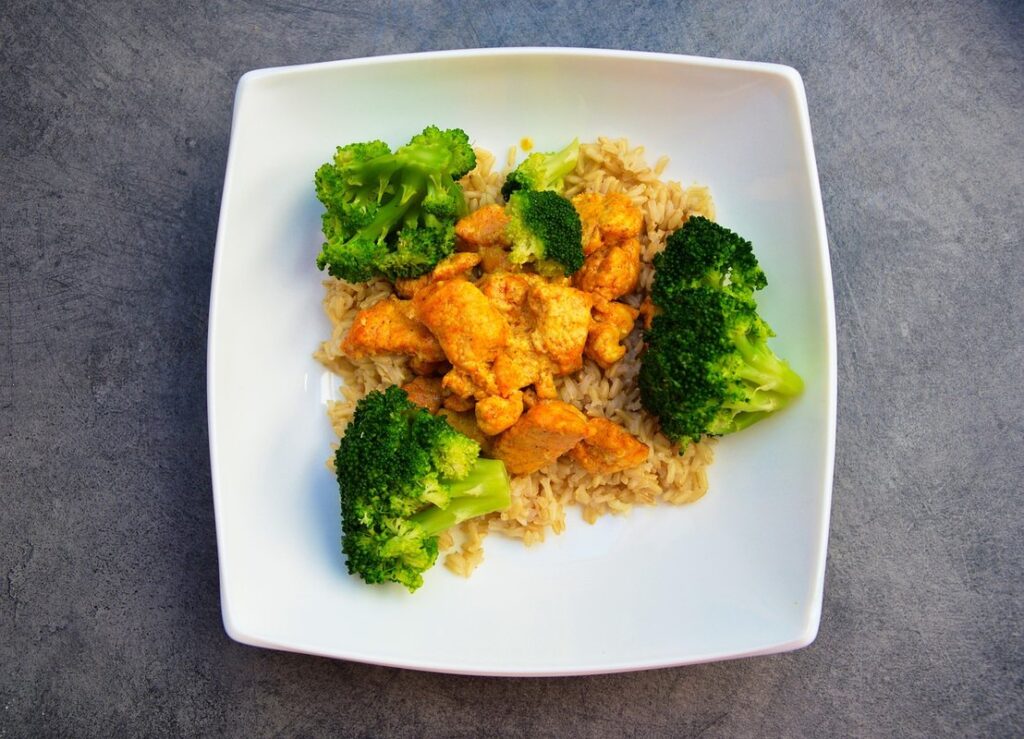
Benefits and Risks of Feeding Cooked Broccoli to Chickens
As you consider adding cooked broccoli to your chickens’ diet, it’s essential to weigh the benefits against potential risks. This section explores both in-depth.
Nutritional Value of Broccoli for Chickens
Broccoli is an incredibly nutritious vegetable that provides numerous health benefits for humans, but did you know it’s also a great addition to your chicken’s diet? When fed cooked broccoli to chickens, they reap the rewards of essential vitamins, minerals, and antioxidants.
Vitamin C in broccoli supports immune function and helps protect against diseases. With their high energy requirements, chickens need vitamin C to maintain optimal health. A deficiency can lead to reduced egg production, slower growth rates, and a weakened immune system.
Broccoli is also rich in vitamin K, which plays a crucial role in blood clotting and bone health. This is especially important for laying hens, as it helps regulate calcium metabolism and prevent issues such as egg binding or soft-shelled eggs.
Antioxidants present in broccoli, including kaempferol and quercetin, help protect against oxidative stress caused by free radicals. By consuming these antioxidants, chickens reduce their risk of chronic diseases like cancer, atherosclerosis, and kidney disease.
Feeding cooked broccoli to your flock can be a tasty way to provide essential nutrients while promoting overall health and well-being in your backyard chickens.
Potential Health Risks Associated with Cooked Broccoli Consumption
While cooked broccoli can be a nutritious treat for chickens, there are some potential health risks to consider. Digestive issues are one of the main concerns when feeding cooked broccoli to chickens. The high fiber content and sulfur compounds in broccoli can cause gas, bloating, and diarrhea in some birds.
Another risk is vitamin toxicity, specifically vitamin K overload. Broccoli is rich in vitamin K, which can be toxic to chickens if consumed in excess. A single serving of cooked broccoli can provide up to 100% of a chicken’s daily recommended intake of vitamin K. Prolonged consumption of large amounts can lead to symptoms like blood clotting disorders and liver damage.
Additionally, some chickens may develop an allergy or intolerance to cooked broccoli, manifesting as skin lesions, respiratory issues, or even anaphylaxis in severe cases. It’s essential to introduce cooked broccoli gradually and in moderation, monitoring your flock’s response closely for any adverse reactions. If you suspect any health issues, discontinue feeding cooked broccoli immediately and consult a veterinarian for guidance.
Cooking Methods and Safety Precautions
When cooking broccoli for your flock, it’s essential to consider the methods you use to prepare it safely, as some techniques can be hazardous for chickens. We’ll cover the key considerations here.
Common Cooking Methods and Their Effects on Broccoli Nutrition
When cooking broccoli for your flock, it’s essential to consider the various methods and their impact on its nutritional content. Steaming is one of the best ways to retain vitamins and minerals, especially vitamin C and B vitamins. This method uses minimal water and heat, making it an ideal choice. However, over-steaming can lead to a loss of some nutrients.
Boiling, on the other hand, may result in significant losses of vitamins and minerals due to prolonged exposure to high temperatures. Water-soluble compounds like vitamin C and B vitamins are particularly susceptible to leaching into the cooking water.
Roasting brings out the natural sweetness in broccoli while preserving its nutrient profile. The dry heat used in roasting helps retain more nutrients than boiling or steaming. Microwaving can be a quick option but may lead to a loss of some nutrients, especially vitamin C, if not done correctly.
To minimize nutrient losses when cooking broccoli for your chickens, steam it for 3-5 minutes or roast at 425°F (220°C) for 10-12 minutes. Always check on the broccoli during cooking and adjust cooking time as needed to prevent overcooking.
Essential Safety Precautions for Feeding Cooked Broccoli to Chickens
When feeding cooked broccoli to your chickens, it’s essential to follow proper safety precautions to prevent bacterial contamination. First and foremost, ensure that the cooked broccoli has cooled down to a safe temperature for consumption. This typically takes about 30 minutes to an hour, depending on how much broccoli you’re serving.
Proper handling is also crucial. Always wash your hands thoroughly before and after handling cooked or raw vegetables, including broccoli. If you’ve stored the broccoli in the refrigerator, make sure it’s been kept at a temperature below 40°F (4°C) to prevent bacterial growth.
When serving the broccoli to your chickens, do so in moderation. A good rule of thumb is to offer about 1-2 cups of cooked broccoli per chicken per day. This will help prevent digestive issues and ensure that they don’t overeat on this nutrient-rich treat.
Remember, raw or undercooked vegetables can pose a choking hazard for your chickens. Make sure the broccoli is fully cooked before offering it to them. Also, be aware of any signs of illness in your flock after introducing new foods, including cooked broccoli.
How Much Cooked Broccoli Can Be Safely Fed to Chickens?
So, you want to share your cooked broccoli treats with your feathered friends, but how much is too much? Let’s explore the safe feeding guidelines for chickens.
Recommended Daily Intake of Broccoli for Chickens
When it comes to feeding cooked broccoli to chickens, determining the right daily intake is crucial. The amount of cooked broccoli that can be safely fed to chickens varies depending on their age, breed, and individual needs.
For young chicks (0-12 weeks), a good starting point is 1/4 teaspoon of cooked broccoli per pound of body weight per day. For example, if you have a 2-pound chick, offer about 0.5 teaspoons of cooked broccoli daily. As they grow, you can gradually increase the amount to about 1/2 teaspoon per pound by the time they reach 6 months old.
For adult chickens, the recommended daily intake is generally around 1-2% of their body weight in cooked broccoli. So, for a 5-pound hen, that’s about 0.05-0.1 cups of cooked broccoli per day. Keep in mind that these are general guidelines and may need to be adjusted based on individual bird needs and overall diet.
To ensure safe feeding practices, make sure to cook the broccoli thoroughly to kill any bacteria or pathogens. Also, introduce it gradually into their diet to prevent digestive upset.
Signs of Broccoli Overfeeding in Chickens
If you notice that your chickens are consistently fed cooked broccoli as part of their diet, there may come a point where overfeeding occurs. Common signs of broccoli overfeeding in chickens include digestive upset, lethargy, and changes in appetite.
Digestive issues can manifest as loose or watery droppings, diarrhea, or even vomiting. If you observe any of these symptoms, it’s essential to reduce the amount of cooked broccoli fed to your flock immediately. In some cases, a sudden decrease in appetite may be the first indicator that something is amiss. Chickens that are overfed on cooked broccoli may also exhibit lethargy, appearing sluggish or reluctant to move.
To correct these issues, start by reducing the portion size of cooked broccoli provided daily. Monitor your flock’s response closely and make adjustments as needed. It’s also crucial to maintain a balanced diet for your chickens, ensuring they receive all essential nutrients through a combination of their regular feed and supplementary treats like cooked vegetables in moderation. Keep an eye out for any signs of recovery or continued distress, making further adjustments accordingly.
Interactions with Other Foods and Supplements
When it comes to feeding cooked broccoli to your chickens, you’ll want to consider how it interacts with other foods and supplements they might be getting. We’ll explore these potential combinations next.
Combining Cooked Broccoli with Other Vegetables and Fruits
When combining cooked broccoli with other vegetables and fruits for your chickens, it’s essential to consider potential interactions that may impact their health. On one hand, pairing cooked broccoli with sweet potatoes can create a nutrient-rich mix that promotes digestive health and boosts the immune system.
For instance, cooking sweet potatoes breaks down its natural sugars, making them easily digestible by chickens. Adding cooked broccoli to this mix provides a concentrated dose of vitamins C and K, which support respiratory and bone health. However, be cautious not to overdo it with too many starchy foods like sweet potatoes, as they can lead to an imbalance in your chicken’s diet.
On the other hand, combining cooked broccoli with citrus fruits like oranges or lemons can have adverse effects if consumed excessively. The acidity of these fruits may interfere with calcium absorption from the broccoli, potentially leading to weakened eggshell production and bone health issues in chickens.
To minimize potential interactions, start by incorporating small amounts (about 1/4 cup) of cooked broccoli into your chicken’s diet alongside sweet potatoes or other vegetables like carrots. Observe their behavior and adjust serving sizes accordingly. Monitor for signs of digestive upset or nutrient deficiencies, adjusting the mix as needed to maintain optimal health.
Effects of Cooking on Nutrient Availability
Cooking methods can significantly impact the nutrient availability in both cooked broccoli and other foods. When you cook broccoli, water-soluble vitamins like vitamin C and B vitamins are lost through leaching into cooking water. For instance, boiling broccoli for 5 minutes can lead to a loss of up to 50% of its vitamin C content.
On the other hand, heat-sensitive nutrients like folate and vitamin B6 may degrade when exposed to high temperatures during cooking. Steaming or microwaving are often recommended over boiling as they help retain more nutrients.
However, some nutrient losses can be mitigated by incorporating the cooking water into soups or stews. Alternatively, you could use a steamer basket with the broccoli intact on top of your chicken’s feeding dish for added convenience.
As you consider adding cooked broccoli to your flock’s diet, take note that overcooking is more detrimental than undercooking when it comes to nutrient retention.
Case Studies and Real-Life Examples
Let’s take a closer look at real chickens who have safely enjoyed cooked broccoli as part of their daily diet, and see what we can learn from their experiences.
Success Stories from Chicken Owners Who Have Fed Cooked Broccoli to Their Flocks
Many chicken owners have successfully incorporated cooked broccoli into their flock’s diet, with impressive results. For instance, Sarah from California reported a significant improvement in her chickens’ egg production and overall health after feeding them steamed broccoli for several weeks. Her birds would peck at the florets eagerly, and she noticed a marked decrease in parasite infestations.
Similarly, John from Michigan found that cooked broccoli helped to reduce his flock’s stress levels during molting season. He’d mix it with their regular feed, and his hens seemed more relaxed and energetic. While some owners may worry about adding veggies to their chickens’ diet, Sarah and John’s experiences demonstrate the potential benefits.
When introducing cooked broccoli, remember to start with small amounts (about 1-2% of their total intake) and observe your flock’s response. Be cautious not to overdo it, as excessive veggie consumption can lead to digestive issues. As with any new food, monitor your birds’ health and adjust accordingly.
Lessons Learned from Mistakes and Failures in Cooking and Feeding Broccoli
Feeding cooked broccoli to chickens can be a great way to add essential nutrients to their diet, but it’s not without its challenges. One common mistake many chicken owners make is overcooking the broccoli, which can lead to a loss of valuable vitamins and minerals. This is especially true for vitamin C, which is highly water-soluble and prone to degradation during cooking.
Another pitfall is adding too much salt or seasonings to the cooked broccoli, which can be toxic to chickens in large quantities. For example, garlic powder can cause anemia in chickens if fed excessively. It’s also essential to introduce new foods gradually to prevent digestive upset.
Moreover, some chicken owners may not realize that cooked broccoli can become a choking hazard if it’s not properly chopped or shredded. A simple mistake like this can have serious consequences for your flock’s health and well-being. To avoid these issues, make sure to cook the broccoli until it’s tender but still crisp, chop it finely before serving, and always introduce new foods in moderation. By being mindful of these common mistakes, you can ensure that your chickens enjoy a safe and nutritious meal of cooked broccoli.
Conclusion: Navigating the Safety of Cooked Broccoli for Chickens
Now that we’ve explored the basics of feeding cooked broccoli to your flock, let’s wrap up by discussing how to safely incorporate it into their diet. We’ll summarize key takeaways and provide guidance on making informed decisions.
Recap of Key Findings and Recommendations
As we conclude our exploration of whether chickens can safely eat cooked broccoli, it’s essential to recap the key takeaways and provide recommendations for incorporating this nutritious vegetable into their diet.
First and foremost, it’s crucial to emphasize that moderation is key when introducing cooked broccoli to a chicken’s meal plan. While broccoli offers numerous health benefits, overconsumption can lead to nutritional imbalances. A recommended serving size is 1-2 cups of chopped cooked broccoli per week, depending on the individual bird’s needs and size.
When cooking broccoli for your chickens, it’s vital to ensure that the vegetable is properly cooled before serving. This helps prevent bacterial contamination, such as Salmonella or E. coli, which can thrive in warm temperatures. A good rule of thumb is to let cooked broccoli cool to room temperature or refrigerate it overnight before feeding.
To safely incorporate cooked broccoli into your flock’s diet, follow these best practices:
• Store cooked broccoli in airtight containers to maintain freshness and prevent spoilage
• Keep the serving size consistent to avoid overfeeding or underfeeding your chickens
• Introduce cooked broccoli gradually to prevent digestive upset
• Balance cooked broccoli with other nutrient-rich foods to ensure overall nutritional well-being
By following these guidelines, you can enjoy the benefits of broccoli for your flock while minimizing potential risks. Remember, every chicken is different, so be sure to monitor their individual responses and adjust serving sizes accordingly. With careful planning and attention to detail, cooking broccoli can become a nutritious addition to your chickens’ meals.
Frequently Asked Questions
Can chickens eat cooked broccoli with other vegetables, or should it be given separately?
It’s completely safe to feed cooked broccoli alongside other nutritious vegetables like carrots, sweet potatoes, or leafy greens. In fact, mixing different vegetables can provide a broader range of essential nutrients for your flock. Just remember to introduce new foods gradually and in moderation to prevent digestive upset.
How do I know if my chickens are getting enough vitamin C from the cooked broccoli?
Since cooked broccoli is rich in vitamin C, it’s likely that your chickens will receive adequate amounts. However, ensure you’re also providing other essential vitamins and minerals through a balanced layer feed or supplements specifically designed for poultry. Consult with a veterinarian to determine the best approach for your flock.
Can I give my chickens frozen or canned cooked broccoli instead of fresh?
Frozen or canned broccoli can be used as an alternative to fresh, but it’s crucial to check the nutritional content and ingredients carefully. Opt for products that have minimal added salt or preservatives. Frozen broccoli typically retains more nutrients than canned, but both options should still provide beneficial vitamins and minerals.
What if my chickens don’t seem to like cooked broccoli; can I add other seasonings or spices?
While it’s great that you’re trying to introduce a new food source, avoid adding excessive salt, pepper, or strong herbs that might be toxic to your flock. Instead, consider gradually introducing small amounts of finely chopped fresh herbs like parsley or basil into their diet. Always monitor your chickens’ behavior and adjust accordingly.
How do I store cooked broccoli safely for my backyard flock?
Cooked broccoli should be cooled promptly, refrigerated at 40°F (4°C) or below, and consumed within a few days to prevent spoilage. If you’re planning to freeze the cooked broccoli, make sure it’s in an airtight container or freezer bag to maintain its nutritional value and prevent freezer burn.