
If you’re like many backyard chicken enthusiasts, you’re always on the lookout for new and interesting ways to keep your flock happy and healthy. But have you ever considered giving them watermelon rinds as a treat? While it might seem like a nutritious and tasty option, there are some risks to consider when feeding chickens this sweet summer snack. On one hand, watermelon rinds can be a great source of fiber and antioxidants for your birds. However, they also contain high levels of citrulline, which can cause digestive issues if not prepared properly. In this article, we’ll explore the benefits and risks of feeding watermelon rinds to your chickens, including how to safely prepare and serve them as a healthy treat.
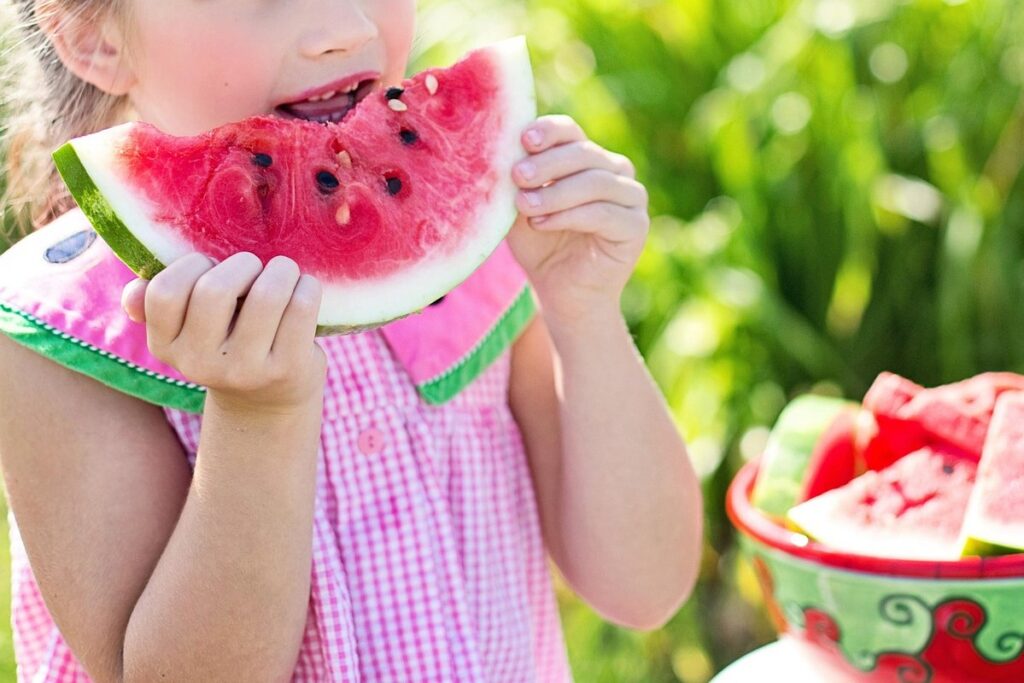
The Benefits of Feeding Watermelon to Chickens
Feeding watermelon to chickens can provide several health benefits, including boosting hydration and digestion, as well as adding a refreshing twist to their diet.
Nutritional Value of Watermelon for Chickens
Watermelon is an excellent addition to your flock’s diet, providing numerous nutritional benefits that can enhance their overall health. One of its standout features is its incredibly high water content, which makes it a refreshing and hydrating treat for chickens during the hot summer months. In fact, watermelon contains approximately 92% water, making it one of the most hydrating foods you can offer to your flock.
But that’s not all – watermelon is also rich in essential vitamins A and C. Vitamin A plays a crucial role in maintaining healthy vision, immune function, and skin health in chickens, while vitamin C supports immune function and helps protect against oxidative stress. In addition to these vital nutrients, watermelon is also a good source of potassium, magnesium, and fiber.
To incorporate watermelon into your flock’s diet safely, be sure to remove any seeds or rinds first, as they can cause digestive issues in chickens. You can also use watermelon as a treat or mix it with their regular feed for added nutrition.
Safety Precautions When Feeding Watermelon to Chickens
When feeding watermelon to your flock, it’s essential to be aware of the potential risks involved. While watermelon can be a nutritious and refreshing treat for chickens, there are some hazards to consider.
Choking is a significant risk when offering watermelon to chickens, particularly if the pieces are large or the chicken is not accustomed to eating them. To minimize this risk, make sure to cut the watermelon into small, manageable pieces before feeding it to your birds. You can also try freezing the watermelon for about 30 minutes beforehand; this will help firm up the flesh and reduce the likelihood of choking.
Another concern is digestive issues, which can arise if your chickens are not used to eating watermelon or if they eat too much of it at once. Signs of digestive distress may include diarrhea, vomiting, or lethargy in your flock. To avoid these problems, introduce watermelon gradually into your birds’ diet and monitor their behavior for any adverse reactions.
What Are the Risks of Eating Watermelon Rinds?
While watermelon rinds are often considered a nutritious snack for humans, there are some potential risks to consider when sharing them with your flock. We’ll take a closer look at these hazards next.
Toxic Compounds in Watermelon Rinds
When it comes to eating watermelon rinds safely, one of the primary concerns is the presence of toxic compounds. Watermelon rinds contain citrulline, a naturally occurring amino acid that’s also found in high concentrations in certain vegetables like spinach and beets. While citrulline isn’t toxic to humans, it can cause problems for chickens.
Research has shown that when ingested in large amounts, citrulline can lead to kidney damage and other health issues in poultry. Furthermore, watermelon rinds also contain cucurbitacin, a compound known to inhibit protein synthesis and affect nutrient absorption in birds.
Ingestion of high amounts of cucurbitacin has been linked to reduced egg production and impaired gut health in chickens. The impact of these toxic compounds can be especially severe for young or pregnant hens, as their bodies are more susceptible to damage from toxins.
Given the potential risks associated with citrulline and cucurbitacin, it’s essential to take precautions when feeding watermelon rinds to your flock. If you’re determined to give your chickens this treat, make sure they only have a small amount under close supervision.
Choking Hazards and Digestive Issues
Eating large amounts of watermelon rind can be detrimental to chickens’ health. The tough outer layer is difficult for them to digest and can cause blockages if ingested in excess. Choking hazards are another concern, especially for smaller chicks who may accidentally swallow a large piece of rind.
The digestive system of chickens is designed to break down seeds, grains, and other fibrous materials but struggle with hard-to-digest foods like watermelon rinds. If fed excessive amounts, it can lead to a build-up of food in the stomach or intestines, causing discomfort and potentially life-threatening conditions. For instance, some breeds may develop impacted crops if large quantities are consumed without sufficient fiber.
When feeding chickens watermelon rind, make sure to cut it into small pieces to minimize choking risks. Provide plenty of fresh water at all times to aid digestion. Limit the quantity offered as a treat, ideally not more than 10-15% of their daily diet.
Can Chickens Eat Watermelon Rinds Raw?
While it may seem like a harmless snack, feeding your chickens watermelon rinds raw can have some unexpected consequences for their health. Let’s explore this further to see if it’s safe to share.
Feeding Raw Watermelon Rinds to Chickens
When feeding raw watermelon rinds to chickens, it’s essential to be aware of the potential risks involved. One major concern is bacterial contamination, particularly with Salmonella and E. coli. These bacteria can thrive in moist environments like watermelon rinds, posing a significant threat to your flock’s health.
Watermelon rinds are often harboring pathogens due to their high moisture content and pH level. If not handled properly, these contaminated rinds can cause severe gastrointestinal issues in chickens, including diarrhea, vomiting, and even life-threatening infections. In severe cases, bacterial contamination can lead to the spread of diseases among your flock.
To minimize the risk, make sure to store watermelon rinds in a clean and dry area until they’re fed to your chickens. Wash your hands thoroughly before and after handling the rinds. If you notice any visible signs of mold or spoilage, it’s best to discard them immediately. Be cautious when feeding raw watermelon rinds to ensure a safe and healthy environment for your flock.
How to Prepare Watermelon Rinds for Your Flock
Before serving watermelon rinds to your flock, it’s essential to prepare them safely. Remove any seeds and white pith from the rind, as they can cause digestive issues in chickens. You’ll want to cut the rind into bite-sized pieces or strips to prevent choking hazards.
Trim any hard outer layer from the watermelon rind to make it easier for your chickens to digest. This will also help reduce the risk of blockages in their crop. Wash the prepared rinds thoroughly with clean water to remove any bacteria or dirt that may have accumulated on the surface.
You can also dry out the watermelon rinds by cutting them into thin strips and placing them in a low-temperature oven (150°F – 200°F) for a few hours. This will help reduce moisture content, making it safer for your chickens to consume. Once prepared, you can offer the watermelon rinds as a treat or add them to their regular feed mix.
Cooking or Canning Watermelon Rinds: Is It Safe?
Before serving watermelon rinds to your flock, you’ll want to consider how to prepare them safely. This is where cooking and canning come in – a crucial step for food safety.
Can I Cook Watermelon Rinds Before Feeding Them to My Chickens?
Cooking watermelon rinds can be a game-changer when it comes to feeding them to your chickens. Not only does cooking kill off any bacteria that may have been present on the rind, but it also makes it more digestible for your feathered friends. Raw watermelon rinds can be tough and fibrous, making them difficult for chickens to break down in their gullets. But when cooked, they become much softer and easier to digest.
To cook watermelon rinds, simply slice or chop them into smaller pieces and steam them until tender. You can also boil them in water for 10-15 minutes to achieve the same result. This process not only makes the rinds more palatable but also increases their nutritional value by releasing the bound nutrients that are often locked away in raw form.
By cooking your watermelon rinds, you’ll be providing your chickens with a healthy and easily digestible treat that’s rich in vitamins A and C, potassium, and fiber.
Pros and Cons of Canned Watermelon Rinds for Your Flock
Using canned watermelon rinds as a treat for your flock can be a convenient option, but it’s essential to weigh its advantages and disadvantages. On the positive side, canned watermelon rinds are already cooked and preserved, making them an easy addition to your chicken’s diet. They’re also rich in nutrients like vitamin C and potassium, which can provide a welcome boost to their overall health.
However, there are some drawbacks to consider. For one, canned goods often contain added preservatives and salt, which may not be suitable for frequent consumption by your chickens. Additionally, the high acidity of watermelon rinds can be difficult for some birds to digest, leading to potential stomach issues. It’s also worth noting that relying solely on canned treats can lead to an imbalanced diet, so be sure to supplement with other nutrient-rich foods.
To incorporate canned watermelon rinds safely into your flock’s diet, start by introducing them in small amounts (about 1-2% of their daily feed) and monitor for any adverse reactions. You may also want to consider preparing fresh or frozen watermelon rinds as a more natural alternative to canned options.
Can Baby Chicks or Pullets Eat Watermelon Rinds?
Let’s explore whether baby chicks and pullets can safely eat watermelon rinds, a treat often overlooked but worth considering for our feathered friends. Can they tolerate its sweetness?
Feeding Watermelon Rinds to Young Chickens
When it comes to feeding watermelon rinds to baby chicks or pullets, there are some specific concerns you should be aware of. Young chickens have delicate digestive systems that can be easily upset by new foods, and watermelon rinds are no exception.
One potential issue is the high water content in watermelon rinds, which can cause stomach problems if fed too quickly. Baby chicks or pullets may not be able to handle this sudden influx of moisture, leading to diarrhea, vomiting, or even impaction. Additionally, the seeds and rind texture can be difficult for young chickens to digest, potentially causing digestive blockages.
To minimize these risks, it’s essential to introduce watermelon rinds gradually into your flock’s diet. Start by offering small amounts (about 1-2% of their daily ration) and monitor their behavior closely. If you notice any signs of distress or discomfort, discontinue the watermelon rind feed immediately. It’s also crucial to ensure that the rinds are clean and free of mold before serving them to your young chickens.
How Often Can You Feed Watermelon Rinds to Growing Chickens?
When it comes to feeding watermelon rinds to growing chickens, frequency is crucial. Overfeeding can lead to digestive issues and an imbalance of nutrients in their diet. As a general rule, you can feed watermelon rinds 1-2 times a week, depending on the age and size of your flock.
For baby chicks, it’s best to introduce watermelon rinds gradually, starting with small amounts (about 1/4 cup per chick) and increasing as they grow. Pullets, being slightly older, can tolerate more substantial portions (around 1/2 cup per bird). However, always observe their behavior and adjust the frequency accordingly.
For example, if you notice your chickens becoming sluggish or showing signs of discomfort after consuming watermelon rinds, it’s best to scale back or discontinue feeding altogether. Conversely, if they seem enthusiastic about the treat and show no adverse reactions, you can continue to offer it as an occasional snack. Remember, a balanced diet should always be the primary focus for your flock.
The Role of Vitamin A in Chicken Health
Vitamin A is essential for maintaining healthy vision, immune function, and skin integrity in chickens. Let’s explore its role in supporting overall chicken health.
Importance of Vitamin A for Flock Immunity and Reproduction
Vitamin A is an essential nutrient that plays a critical role in maintaining flock immunity and reproductive health. As we explore whether chickens can eat watermelon rinds safely, it’s crucial to understand the importance of vitamin A in their overall well-being.
When it comes to immunity, vitamin A helps to boost the chicken’s immune system by promoting the production of antibodies that fight off pathogens and diseases. In fact, studies have shown that vitamin A deficiency can lead to increased susceptibility to infections such as respiratory and gastrointestinal diseases, which can be devastating for a flock. Ensuring adequate vitamin A levels is essential to maintaining healthy flocks.
In addition to its immune-boosting properties, vitamin A also plays a vital role in reproductive health. Vitamin A is necessary for the development of eggs, and deficiency has been linked to reduced fertility and decreased egg production. This means that if your flock is experiencing reproductive issues, it may be worth checking their vitamin A levels.
Watermelon rinds are not typically a significant source of vitamin A, although they do contain some beta-carotene – a precursor to vitamin A. However, the amount of vitamin A present in watermelon rinds is likely to be insufficient to meet your flock’s needs. If you’re considering giving watermelon rinds as a treat, it’s essential to balance this with other nutrient-dense foods that provide adequate levels of vitamin A.
To maintain optimal vitamin A levels, make sure to feed your chickens a balanced diet that includes sources rich in pre-formed vitamin A (such as liver and eggs) and beta-carotene (such as sweet potatoes and carrots). Consider supplementing their diet with vitamin A-rich foods or providing access to sunlight, which is essential for the conversion of beta-carotene into active vitamin A.
Conclusion: Feeding Watermelon Rinds to Your Chickens Safely
In conclusion, feeding watermelon rinds to your chickens can be a safe and healthy treat for them. However, it’s essential to follow some guidelines to ensure their safety. First, make sure the rinds are free from pesticides and other chemicals that might harm your flock. You can also use this opportunity to teach your children about sustainable gardening practices by composting any leftover watermelon scraps. When introducing watermelon rinds into your chickens’ diet, start with small amounts and monitor their reaction. If you notice any signs of illness or discomfort, discontinue feeding immediately.
When giving watermelon rinds as a treat, remember that moderation is key. A balanced diet should still consist mainly of commercial feed or high-quality pellets. Offering treats like watermelon rinds can add variety to their meals but shouldn’t replace their regular feed entirely. Consider freezing any leftover watermelon chunks for future use and mix them into your chickens’ feed for an extra burst of flavor and nutrition.
Frequently Asked Questions
Can I feed watermelon rinds to chickens with sensitive stomachs?
Chickens with sensitive stomachs may still benefit from cooked or canned watermelon rinds, as these forms can be easier on their digestive system. However, it’s essential to introduce them gradually and in small amounts to prevent digestive upset.
How long do I need to store prepared watermelon rinds for my chickens?
Prepared watermelon rinds can be safely stored in the refrigerator for 3-5 days or frozen for up to 2 months. Always check for signs of spoilage before serving them to your flock.
Can I mix cooked watermelon rinds with other fruits and veggies as a treat?
Yes, you can mix cooked watermelon rinds with other fruits and vegetables, like apples, carrots, or sweet potatoes, to create a nutritious and tasty treat for your chickens. However, ensure that the mixture is not too high in citrulline content.
How often should I introduce watermelon rinds as part of my flock’s regular diet?
Watermelon rinds can be introduced 1-2 times per week as an occasional treat, but it’s crucial to maintain a balanced and varied diet for your chickens. Avoid overfeeding them on high-citrulline foods.
What if I accidentally overfeed my chickens with raw watermelon rinds? What are the potential consequences?
If you accidentally overfeed your chickens with raw watermelon rinds, they may experience digestive issues such as diarrhea or vomiting. Monitor their behavior and health closely after introducing new foods to prevent these complications.