
Are you looking to diversify your backyard farm or simply try something new? Raising Coturnix quails can be an excellent choice, offering a unique opportunity for meat, eggs, and even pets. These small, energetic birds are relatively low-maintenance compared to larger poultry breeds, making them perfect for hobby farmers or those with limited space. But before you start raising your own Coturnix quail flock, it’s essential to understand their specific needs and requirements.
In this comprehensive guide, we’ll walk you through the process of successfully raising Coturnix quails, covering crucial aspects such as housing, nutrition, health management, breeding, and even marketing. Whether you’re looking to harvest fresh eggs or meat, or simply enjoy these adorable birds as pets, our expert advice will ensure a stress-free and rewarding experience. By following this guide, you’ll be well on your way to raising healthy and thriving Coturnix quails in no time!
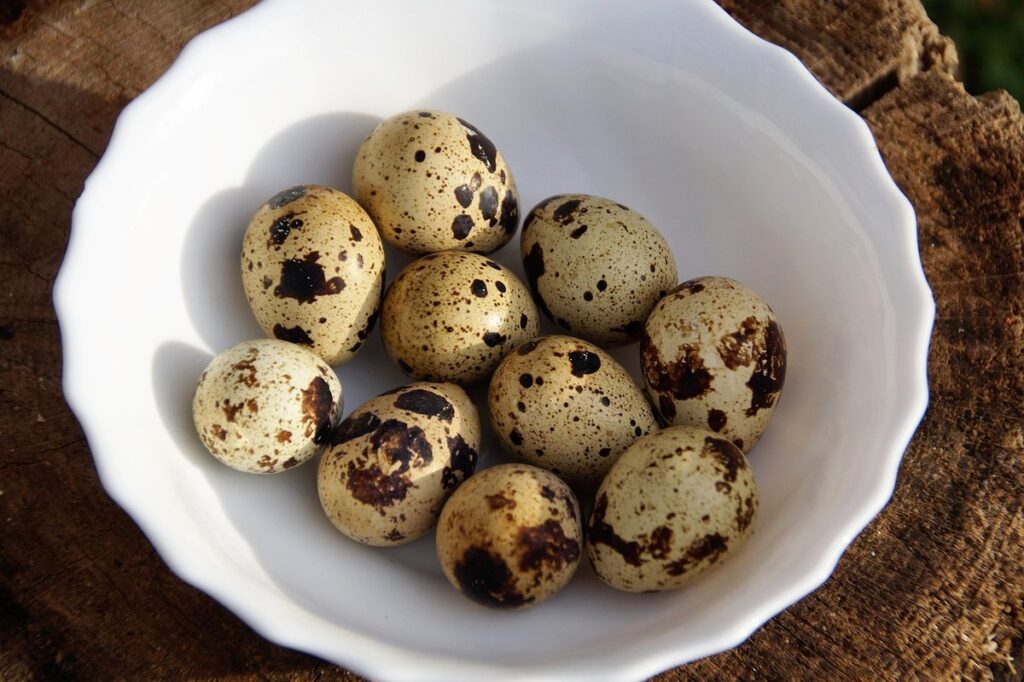
Understanding Coturnix Quails
Coturnix quail are known for their friendly and curious nature, making them a great choice for backyard flocks. In this next part of our guide, we’ll delve into their unique characteristics and habits.
Introduction to Coturnix Quails
The coturnix quail is one of the most popular and widely kept species of domesticated quails. Originating from Europe and Asia, these small, energetic birds have been prized for their meat and eggs for centuries. In fact, the name “coturnix” comes from the Latin word for “partridge,” which reflects their original classification as a type of partridge.
Characterized by their petite size, weighing in at about 6-8 ounces, coturnix quails are known for their calm demeanor and friendly nature. They are relatively easy to care for and can thrive in small spaces, making them an ideal choice for backyard farmers or those new to raising poultry. Coturnix quails have a short breeding season, with hens laying 200-300 eggs per year, and they reach maturity quickly, taking just about six months to mature.
Their adaptability and hardiness make coturnix quails a popular choice among farmers, and their small size allows them to be raised in a variety of settings. If you’re new to raising poultry or looking for a low-maintenance option, the coturnix quail is definitely worth considering.
Benefits of Raising Coturnix Quails
If you’re considering raising coturnix quails for meat, eggs, or as pets, there are numerous benefits to keep in mind. One of the most significant advantages is their rapid growth rate, which allows them to mature in just 40-50 days. This quick turnaround makes them an attractive choice for farmers and backyard enthusiasts alike.
Coturnix quails are also prolific egg layers, producing up to 200 eggs per year, depending on factors such as diet and living conditions. Their small size requires minimal space, making them ideal for urban or suburban areas where land is limited. In fact, a single pair of coturnix quails can thrive in a small coop or even a backyard aviary.
Another benefit of raising coturnix quails is their hardiness and adaptability to various environments. They are relatively low-maintenance pets that require minimal attention and care compared to larger birds like chickens. With proper management, coturnix quails can be a rewarding addition to your farm or homestead, providing a sustainable source of protein and entertainment for the whole family.
Housing and Equipment
When it comes to raising coturnix quail, having the right housing and equipment is crucial for their health and well-being. Here’s what you need to know to create a suitable environment for your feathered friends.
Setting Up a Coturnix Quail Coop
When setting up a coturnix quail coop, it’s essential to prioritize ideal design, size, and ventilation needs. The coop should be specifically designed for these small birds, with adequate space for each quail to move around comfortably.
A good rule of thumb is to provide at least 2-3 square feet of floor space per bird. This may seem like a lot, but coturnix quails are active and love to run around. A larger coop also allows you to add more features, such as nesting boxes and perches.
Ventilation is crucial in a quail coop, especially during hot weather. Ensure that there are adequate windows or vents for airflow, but be cautious not to let predators in. A simple way to achieve good ventilation is to install a screen over the top of the coop and add windows on opposite sides for cross-ventilation.
Remember, the coop should also be easy to clean and maintain. Use wire mesh flooring instead of solid floors to make cleaning easier and reduce health risks. Consider adding a removable roof or walls to facilitate maintenance tasks.
Nesting Boxes and Egg Collection
When it comes to raising healthy and productive Coturnix quails, providing adequate nesting boxes is essential for successful egg-laying. These small birds require a safe and secure place to lay their eggs, which helps prevent damage, stress, and health issues.
You’ll need one nesting box per 3-4 hens, depending on the size of your flock and available space. Place them in a quiet, draft-free area with easy access for egg collection. Coturnix quails prefer small boxes with a diameter of about 6-8 inches (15-20 cm) and a height of around 12-14 inches (30-35 cm). Use a shallow tray or container under each box to collect eggs as they’re laid.
It’s crucial to clean the nesting boxes regularly, ideally every week, to maintain cleanliness and hygiene. Remove any debris, droppings, and old nesting material, then disinfect with a pet-safe cleaner. This will help prevent disease transmission and reduce odors.
For egg collection, consider using a tray or container that fits under each box. This makes it easy to collect eggs daily without disturbing the quails. Remember to handle eggs gently, as they’re fragile and can be easily damaged.
Heating and Lighting Systems
When it comes to providing a suitable environment for your Coturnix quails, heating and lighting systems play a crucial role. These birds are sensitive to temperature fluctuations and require specific light schedules to stimulate their natural behavior.
Temperature control is essential, especially during the first few weeks after hatching when chicks are vulnerable to cold stress. A temperature range of 90-95°F (32-35°C) is recommended for the first week, gradually decreasing by 5-10°F (3-6°C) every subsequent week until it reaches a comfortable 65-70°F (18-21°C). You can use heat lamps or ceramic heat emitters to maintain the desired temperature.
As for lighting, Coturnix quails require a photoperiod of around 14 hours of light and 10 hours of darkness. This natural day-night cycle helps regulate their circadian rhythms and encourages egg-laying. Use LED grow lights specifically designed for poultry to provide the necessary spectrum and intensity. Place them 2-3 feet above the birds’ roosting bars, ensuring even lighting distribution. Aim for a gradual transition from short days (8 hours) during the winter months to longer days (16 hours) in the summer, mimicking their natural habitat’s seasonal changes.
Nutrition and Feeding
When it comes to raising healthy, thriving coturnix quail, providing the right nutrition is essential. Here’s what you need to know about feeding your quail a balanced diet.
Coturnix Quail Diet Basics
When it comes to feeding your coturnix quails, understanding their nutritional needs is crucial for their overall health and well-being. As a general rule of thumb, coturnix quails require a diet rich in protein, calcium, and vitamins.
Protein is the building block of life, and coturnix quails need it in abundance to build strong muscles, grow feathers, and produce eggs. Aim to provide at least 20% protein in their diet through high-quality commercial quail feed or natural sources like mealworms, crickets, and seeds rich in protein such as sunflower seeds and safflower seeds.
Calcium is essential for building strong bones and eggshells. Coturnix quails require a calcium-rich diet, especially during breeding and laying seasons. You can supplement their diet with crushed oyster shells or dark leafy greens like kale and spinach, which are rich in calcium.
In addition to protein and calcium, coturnix quails also need essential vitamins like vitamin D3, B12, and E to stay healthy. Provide them with a balanced commercial feed that meets their nutritional requirements, and consider adding fresh fruits and vegetables as treats to ensure they get all the necessary nutrients.
Grains and Supplemental Foods
When it comes to feeding your coturnix quail, providing a balanced diet is crucial for their health and well-being. You can choose between commercial feeds or create homemade mixes using grains and supplemental foods.
Commercial feeds are convenient and readily available, but they may lack essential nutrients and variety that your birds need. On the other hand, making homemade mixes allows you to customize the diet according to your quail’s needs and preferences. A good starting point is to use a mix of grains such as oats, barley, and wheat, along with protein sources like beans or peas.
In addition to grains and commercial feeds, supplementing with fruits and vegetables can provide essential nutrients and variety. Offer leafy greens like kale and spinach, as well as fresh fruits like berries and citrus. However, be sure to introduce new foods gradually to prevent digestive issues.
Some examples of homemade quail feed mixes include:
• 50% grains (oats, barley, wheat)
• 25% beans or peas
• 10% leafy greens (kale, spinach)
• 5% fresh fruits (berries, citrus)
• 10% commercial supplement
Health Management and Biosecurity
Effective health management is crucial when raising coturnix quail, which is why we’re diving into essential strategies for maintaining a healthy flock. Proper biosecurity measures also play a vital role in preventing disease outbreaks.
Common Coturnix Quail Diseases
As a Coturnix quail raiser, it’s essential to be aware of common diseases that can affect your flock. Identifying and preventing these health issues will help keep your birds healthy and thriving. One of the most significant threats is coccidiosis, a parasitic disease caused by Eimeria spp. This condition can lead to diarrhea, anemia, and even death if left untreated.
Prevention is key: provide clean water and feed, maintain proper ventilation, and disinfect living areas regularly. To further reduce the risk of infection, you can administer medications specifically designed for coccidiosis prophylaxis during the first few weeks after hatching.
Respiratory infections are another concern, particularly in young birds or those housed in overcrowded conditions. Monitor your flock’s behavior, looking for signs like labored breathing, coughing, and lethargy. If you suspect an infection, isolate affected birds immediately and seek veterinary advice. Regular cleaning, maintaining a balanced environment, and ensuring adequate ventilation will also help minimize the risk of respiratory issues.
Parasites like mites, lice, and ticks can infest your quails’ skin, feathers, or body orifices. These external pests may lead to discomfort, weight loss, and reduced egg production. Regularly inspect your birds for signs of parasitic infestation and maintain a hygienic environment by washing feeders and water containers regularly.
By being aware of these common diseases and taking preventive measures, you can create a safe and healthy living environment for your Coturnix quails.
Vaccination Programs and Treatment Options
As you raise your coturnix quail flock, it’s essential to have a plan in place for preventing and treating common diseases. Vaccination protocols can be an effective way to protect your birds from illnesses such as Newcastle disease and Infectious Bronchitis.
Some vaccination programs may require administering multiple doses at different ages, while others might only need a single dose. It’s crucial to work with a veterinarian who is knowledgeable about poultry vaccinations to determine the best course of action for your flock. They can help you develop a vaccination schedule that takes into account factors such as age, breed, and health status.
In addition to vaccinations, having treatment options on hand is also vital. This might include antibiotics for bacterial infections or anti-inflammatory medications for respiratory issues. Make sure to choose treatments specifically labeled for use in poultry and follow the recommended dosages carefully. A well-stocked first aid kit should always be available in case of emergencies, with essentials like thermometers, syringes, and eye ointments on hand.
It’s also worth noting that maintaining good biosecurity practices can go a long way in preventing disease outbreaks. This includes keeping your quail house clean, ensuring proper ventilation, and avoiding contact between different flocks.
Biosecurity Measures
Maintaining a clean environment is crucial for the health and well-being of your coturnix quail. This includes regular cleaning of their enclosure, removing soiled bedding, and disinfecting all equipment. A thorough daily cleaning routine will help prevent disease transmission and ensure your birds stay healthy.
To control pests, inspect their living area regularly for signs of rodents, snakes, or other unwanted visitors. Seal any holes or gaps in the enclosure to prevent entry. You can also use natural deterrents like diatomaceous earth or predator urine to discourage pests from inhabiting the area around your quail’s home.
Preventing disease transmission is just as important as controlling pests and maintaining a clean environment. Ensure all new birds are quarantined for at least 30 days before introducing them to the main flock. Practice good hygiene by washing your hands thoroughly after handling any equipment or interacting with the birds. Additionally, always handle new birds with gloves on to minimize the risk of disease transmission.
To further reduce the risk of disease, consider providing a varied and nutritious diet that includes probiotics and prebiotics to support gut health. Regular veterinary check-ups will also help identify potential health issues early on.
Breeding and Egg Production
To successfully breed and raise coturnix quail, it’s essential to understand their reproductive cycles and optimal egg-laying conditions. We’ll cover these crucial aspects in detail here.
Coturnix Quail Reproduction Basics
Coturnix quails are prolific breeders and can produce eggs continuously throughout their lives. A typical breeding cycle for coturnix quails lasts around 28 days, after which they enter a brief molt period. During this time, the female quail will stop laying eggs, but it’s essential to provide them with adequate nutrition and care to ensure a smooth transition.
Female coturnix quails can lay up to 300 eggs per year, with an average of around 280-290 eggs annually. However, egg production rates vary depending on factors such as age, nutrition, and management practices. To maximize fertility, it’s crucial to provide your quail flock with a balanced diet that includes essential nutrients like calcium, protein, and vitamins.
To ensure optimal breeding performance, maintain a male-to-female ratio of 1:5 or 1:6 in the coop. This allows for adequate mating opportunities and reduces stress on individual birds. Monitor fertility closely by checking egg production rates and fertility levels regularly. Regular health checks and vaccination programs can also help minimize the risk of disease-related issues that might impact breeding performance.
Selecting Suitable Breeders
When selecting breeders for your coturnix quail flock, it’s essential to prioritize their health and genetic diversity. This will not only ensure optimal egg production but also help maintain a robust population. To begin with, inspect the breeder birds for any visible signs of illness or disease. Check for droopy wings, labored breathing, or discolored feathers.
Next, observe the breeders’ behavior, as this can be an indicator of overall health and temperament. Look for birds that are active, alert, and interact harmoniously with each other. A healthy flock is a happy one! You should also consider the breeder’s genetic diversity by selecting birds from different bloodlines or strains.
For optimal results, choose breeders that have been bred specifically for egg production. These will typically exhibit higher reproductive rates and better fertility than those bred solely for meat or display purposes. Ensure your chosen breeders are free from any known genetic disorders common to the species, such as coccidiosis or respiratory issues.
Managing a Coturnix Quail Flock
Maintaining a balanced flock size is crucial for Coturnix quail health and productivity. Aiming for 2-3 females per male will help prevent overcrowding and aggression issues. Ensure that your enclosure provides enough space, at least 1 square foot per bird, to allow for natural behavior.
Controlling aggression in the flock can be a challenge, especially during breeding season. Monitor their behavior closely, and separate aggressive birds immediately if you notice signs of pecking or chasing. Introduce new birds gradually to prevent stress and conflicts. Provide enough hiding places and visual barriers to reduce competition and stress among birds.
Regular health checks are also essential in managing your Coturnix quail flock. Keep an eye out for any changes in appetite, droppings, or behavior. Isolate sick birds promptly to prevent the spread of disease. Maintain a clean and well-ventilated environment to promote overall health and well-being. A healthy flock is a productive one, so prioritize their care and attention to ensure maximum egg production.
Marketing and Selling Coturnix Quail Products
Now that you have a thriving flock, let’s talk turkey – or rather, quail: how to market and sell your coturnix quail products successfully. This is where creative marketing comes in.
Identifying Market Demand and Opportunities
Understanding market demand and opportunities is crucial for successfully marketing and selling Coturnix quail products. To begin with, research current trends in the quail meat and egg industry. Look into consumer preferences, such as the demand for grass-fed or organic products, and identify areas where Coturnix quail can fill a niche.
Analyze your competition to determine their strengths and weaknesses. What types of products are they selling? Are there any gaps in their offerings that you can capitalize on? Consider factors like price point, packaging, and branding to create a unique selling proposition for your Coturnix quail products.
For instance, if you’re targeting health-conscious consumers, emphasize the high-protein content and lean nature of Coturnix quail meat. If you’re catering to urban farmers, highlight the ease of raising Coturnix quail in small spaces. Identify opportunities based on consumer needs and tailor your marketing strategy accordingly. By understanding market demand and competition, you’ll be better equipped to create a successful business model for selling Coturnix quail products.
Pricing Strategies for Coturnix Quail Eggs and Meat
Pricing Coturnix Quail Eggs and Meat Strategically
When it comes to selling your coturnix quail eggs and meat, pricing is a crucial aspect to consider. You want to set prices that are competitive, yet reflective of the quality and production costs involved. Here’s how to approach this:
First, calculate your production costs, including feed, housing, healthcare, and labor expenses. This will give you a baseline for determining how much you can afford to sell each egg or pound of meat for. Next, research your target market – farmers’ markets, local grocery stores, online platforms, etc. – to see what prices similar products are selling for.
Consider the quality of your product as well; if it’s higher than average in terms of taste, texture, or nutritional content, you may be able to charge a premium price. For example, if your quail eggs are rich in omega-3 fatty acids and have a more appealing appearance, you could charge $5-$6 per dozen, while regular eggs might sell for $2-$3.
Ultimately, the key is to find a balance between pricing high enough to cover costs yet low enough to attract customers. Start with a test price point and adjust as needed based on sales data.
Selling Options: Direct-to-Consumer or Wholesale
When it comes to selling coturnix quail products, you have two primary options: direct-to-consumer and wholesale. Direct-to-consumer sales involve marketing and selling your products directly to individual customers, either through online channels or at local farmers’ markets. This approach allows for direct interaction with customers, enabling you to understand their needs and preferences better.
On the other hand, wholesale involves partnering with retailers who sell your products to their own customers. This approach can help expand your reach quickly but requires building relationships with potential partners. You’ll need to research and identify suitable wholesalers or distributors in your area, ensuring they align with your brand values and product standards.
Before making a decision, consider the production volume and pricing of your coturnix quail products. If you’re just starting out, direct-to-consumer sales might be more manageable. However, as your business grows, wholesale can become an attractive option for increased revenue potential. Regardless of which path you choose, ensure that you maintain high-quality products and exceptional customer service to build a loyal client base and drive long-term success.
Advanced Topics in Coturnix Quail Raising
Now that you’ve got a solid foundation in the basics, it’s time to dive deeper into the more complex aspects of coturnix quail raising, like breeding and health management. This advanced section will cover essential tips for experienced owners.
Integrated Pest Management (IPM) Techniques
When it comes to raising coturnix quail, managing pests and diseases is an essential aspect of maintaining a healthy flock. This is where Integrated Pest Management (IPM) techniques come into play. IPM is a holistic approach that combines physical, cultural, biological, and chemical controls to minimize the use of pesticides and maintain a balanced ecosystem.
To implement IPM in your coturnix quail raising operation, start by identifying potential pest sources, such as rodents, snakes, and birds. Use visual deterrents like netting or row covers to prevent external pests from accessing the coop. For internal parasites, introduce beneficial insects like ladybugs or lacewings that feed on aphids and other pests.
Monitor your flock regularly for signs of disease, and isolate any affected birds immediately. Implement good sanitation practices by cleaning the coop regularly and disposing of waste properly. Use natural remedies like diatomaceous earth to control external parasites without harming your quail.
Coturnix Quail Genetics and Selective Breeding
When it comes to raising healthy and productive coturnix quails, genetics play a crucial role. A well-planned breeding program can help you achieve the desired traits in your flock, such as egg-laying ability, growth rate, and disease resistance.
Selective breeding is a process where breeders intentionally mate birds with specific characteristics to produce offspring that inherit those traits. This involves identifying individuals with desirable qualities and mating them to each other to amplify these traits in their offspring. For example, if you want your quails to be excellent egg-layers, you would select females that lay the most eggs per week and breed them with males that have a proven track record of fertility.
Some key considerations when selecting for desirable traits include:
* Egg production: Select quails with high egg-laying ability and mate them to maintain this trait.
* Growth rate: Choose birds that grow rapidly and mature early, allowing you to harvest them sooner.
* Disease resistance: Identify quails with a strong immune system and breed them to pass on their resilience to disease.
By carefully selecting your breeding stock and implementing a selective breeding program, you can significantly improve the overall health and productivity of your coturnix quail flock.
Frequently Asked Questions
What are some common mistakes to avoid when setting up a Coturnix quail coop?
When setting up your Coturnix quail coop, one of the most critical considerations is ensuring adequate ventilation. Quails can be susceptible to respiratory issues, so it’s essential to provide sufficient airflow and proper drainage to prevent moisture buildup. Make sure to install windows, vents, or other openings that allow for easy air circulation.
Can I raise Coturnix quails indoors without natural light?
While Coturnix quails can thrive in indoor environments with artificial lighting, providing adequate light is crucial for their well-being. A minimum of 14 hours of supplemental lighting per day is recommended to simulate natural daylight and promote healthy growth. Consult with a veterinarian or poultry expert to determine the best lighting plan for your flock.
How do I prevent Coturnix quail diseases and maintain biosecurity?
Implementing robust biosecurity measures is vital in maintaining a healthy flock. Regularly clean and disinfect the coop, change bedding materials frequently, and ensure all equipment is properly sanitized. Also, consider implementing vaccinations or treatment programs to protect against common diseases.
Can I start selling Coturnix quail eggs and meat immediately after raising my first batch?
While it’s exciting to harvest your first batch of Coturnix quails, marketing and sales require careful planning. Identify your target market, research local regulations and competition, and develop a pricing strategy that balances profitability with customer demand.
How do I integrate Integrated Pest Management (IPM) techniques into my Coturnix quail raising operation?
Effective IPM involves monitoring for pest issues, using physical barriers or deterrents when possible, and applying targeted treatments as needed. Regularly inspect your flock’s health, coop conditions, and feeding practices to identify potential risks and take proactive measures to prevent pest infestations.