
If you’re raising a flock of quails, chances are you’ve witnessed some fascinating (and sometimes frustrating) social dynamics. But have you ever stopped to think about why your quails behave in certain ways? It all comes down to their pecking order – or social hierarchy – which can make or break the harmony of your backyard aviary.
Understanding how this complex system works is crucial for creating a balanced and happy flock. You see, each bird has its own unique personality, with some assuming dominance roles while others submit to their more assertive counterparts. As a quail keeper, it’s essential to recognize these signs of aggression and dominance – as well as learn expert tips on establishing a stable pecking order in your flock. In this article, we’ll delve into the world of quail behavior, exploring how their social hierarchy affects everything from daily life to mating rituals.
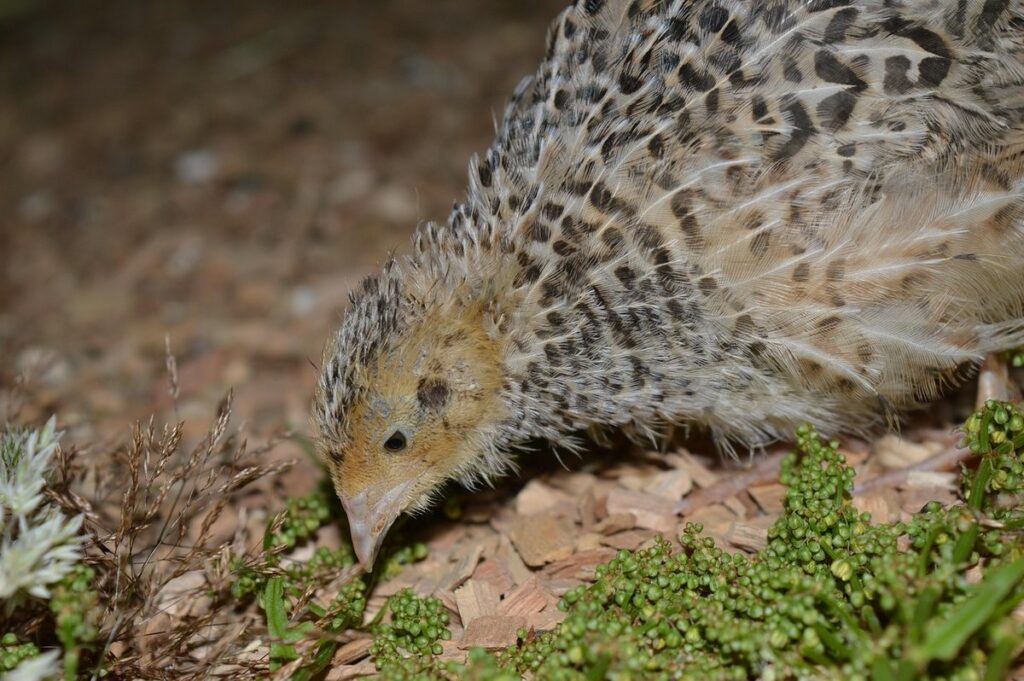
Introduction to Quail Social Structure
When it comes to quails, understanding their social hierarchy is crucial for creating a harmonious and stress-free environment for your birds. Let’s dive into the fascinating world of quail behavior and explore how they establish their pecking order.
The Importance of Social Hierarchy in Quails
Understanding social hierarchy is crucial when it comes to quail behavior. In their natural habitats, quails establish a strict pecking order, with dominant birds leading subordinate ones. This ranking system plays a vital role in maintaining social balance and reducing aggression within the group.
If left unchecked, a lack of proper pecking order can lead to stress, anxiety, and even violence among quails. Imagine a situation where a new bird is introduced to an existing flock without any established hierarchy. The dominant birds may become aggressive towards the newcomer, while the subordinate ones might be hesitant to assert themselves.
To establish a harmonious social structure, it’s essential to introduce new quails gradually, allowing them to settle in and integrate with the group over time. This helps prevent conflicts and allows the pecking order to emerge naturally. With patience and careful observation, you can create a balanced and peaceful environment for your quail flock.
Establishing Dominance: A Key Factor in Quail Behavior
Establishing dominance is a crucial aspect of quail behavior, particularly when it comes to establishing the pecking order. In the wild, dominant quails will often stake their claim by being the first to access food and water sources, while submissive birds will yield to them. This dynamic is also evident in domestic settings where multiple quails cohabitate.
A quail’s dominance status can be influenced by several factors, including age, size, and aggression levels. For instance, younger quails are often more submissive as they haven’t yet developed their assertiveness. Larger birds tend to dominate smaller ones due to the physical advantage it provides. Aggression also plays a significant role in establishing dominance, with feistier quails typically holding higher ranks.
When introducing new quails to an existing flock, it’s essential to monitor their behavior and adjust their placement accordingly. For example, placing a dominant bird next to a submissive one can help the latter learn from its more assertive counterpart.
The Role of Pecking Order in Quail Behavior
Quails establish a strict social hierarchy, and understanding their pecking order is crucial for harmonious coop living. Let’s dive into the dynamics that shape this complex quail behavior.
Causes and Consequences of Aggression in Quails
Aggression is a natural part of quail behavior, often linked to establishing and maintaining dominance within their social hierarchy. However, when left unchecked, aggressive behavior can have severe consequences for both the individual bird and the overall pecking order.
Some common causes of aggression in quails include stress, overcrowding, and inadequate nutrition or living conditions. When resources are scarce, dominant birds may become more assertive to protect their share, leading to increased competition among flock members. This can result in physical harm, feather plucking, and even death due to exhaustion or injury.
The consequences of aggression in quails are multifaceted. Not only does it lead to individual health problems but also disrupts the social dynamics within the flock, making it challenging for other birds to thrive. For instance, a bird that is frequently bullied may develop stress-related issues such as feather loss, decreased appetite, and even organ damage.
To mitigate aggressive behavior in quails, it’s essential to create an optimal environment that minimizes competition for resources. This can be achieved by providing ample space, proper feeding schedules, and sufficient perches for each bird.
How Pecking Order Affects Day-to-Day Life for Quails
When it comes to daily life, the pecking order plays a significant role in determining which quails get priority access to essential activities. When it’s time for feeding, dominant birds are usually first in line, while subordinate quails may have to wait until later or even go hungry if food is scarce.
This is especially true during peak breeding seasons when competition for mates can be fierce. Dominant males often monopolize the most attractive females, leaving smaller or less dominant birds with limited mating opportunities. However, this doesn’t mean that subordinate quails are completely shut out of reproductive activities – with careful observation and management, even these birds may have a chance to breed.
At roosting time, the pecking order also comes into play. Dominant birds typically claim the best perches, leaving subordinate quails to scramble for less desirable positions or even sleep on the floor. By recognizing the impact of the pecking order on daily life, you can take steps to mitigate its effects and create a more balanced environment for your quail flock.
Factors Influencing Pecking Order Establishment
When establishing their pecking order, several key factors come into play that can either promote harmony or lead to conflict among your quail flock. Let’s take a closer look at these influential dynamics.
Age-Related Changes in Quail Social Structure
As quails mature, their social structure undergoes significant changes that can impact pecking order establishment. Younger quails, typically under 6 months old, are more susceptible to the influence of dominant birds. They tend to follow established leaders and may even form close bonds with them. However, as quails reach adolescence (around 6-12 months), they start to assert their independence and may challenge dominant birds for status.
In many cases, younger quails may be seen playing a submissive role, deferring to more mature birds in disputes over food or space. Conversely, older quails (over 1 year) often hold higher positions within the pecking order due to their experience and assertiveness. This change in social dynamics can make it challenging for breeders to establish a stable pecking order, particularly if new birds are introduced to an existing group.
To manage this dynamic effectively, breeders should consider introducing young quails gradually, allowing them to integrate into the flock without causing undue stress or disrupting established relationships.
Sex and Breeding Status: Their Impact on the Pecking Order
When it comes to establishing and maintaining the pecking order in quails, sex and breeding status play significant roles. In most quail species, males are more aggressive than females and tend to dominate the flock. Dominant males will often establish a hierarchical structure, with other males vying for position below them.
Female quails, on the other hand, typically fall lower in the pecking order. However, some dominant hens can assert themselves against weaker or submissive males. Breeding status also plays a crucial role, as fertile males are more aggressive and competitive than infertile ones. This is because they have a natural drive to establish dominance to increase their chances of mating.
If you’re keeping quails for egg production, it’s essential to be aware of these dynamics to minimize aggression and stress within the flock. One way to do this is by introducing new birds in a gradual manner, allowing them to integrate into the existing social structure. By understanding the complex interactions between sex and breeding status, you can better manage your quail flock and promote a harmonious pecking order.
Understanding Individual Quail Behavior
To truly comprehend the pecking order dynamics within your quail flock, it’s essential to grasp individual bird behavior and personalities. Each quail has its unique traits that influence its place in the hierarchy.
Personality Traits in Quails and How They Affect Social Dynamics
When it comes to understanding the pecking order of quails, individual personality traits play a significant role. Just like humans, each quail has its unique character, which influences how they interact with their flock members.
Some quails are naturally more dominant and assertive, while others may be shy or timid. For instance, a bold and confident quail might assert its dominance by aggressively chasing other birds away from food sources. On the other hand, a more reserved quail may retreat to a corner of the enclosure when feeling threatened.
Research has shown that about 40% of quails exhibit dominant behavior, while around 30% are submissive. The remaining 30% fall somewhere in between, making them easier to manage and train. Understanding these personality traits can help you identify potential leaders within your flock, allowing for more effective management and reducing conflicts.
When introducing new quails to a group, it’s essential to consider their individual personalities. For example, pair a dominant quail with a submissive one to create a balanced dynamic.
Identifying Problem Behaviors: Signs of Dominance Issues
When it comes to understanding individual quail behavior, being able to identify potential problem behaviors is crucial in maintaining a healthy pecking order. One of the most common signs of issues with dominance is excessive aggression. This can manifest as constant squabbling between birds, or even attacks on their owners when they try to handle them.
Submissive posturing, on the other hand, can be just as telling. Quail may exhibit behaviors such as avoiding certain areas of the enclosure, cowering at the approach of more dominant birds, or refusing to eat in front of others.
To identify these problem behaviors, observe your quail’s behavior closely and take note of any changes in their interactions with each other. If you notice that one bird is consistently being bullied or dominated by another, it may be necessary to intervene and re-establish a balanced pecking order. This can involve separating the birds for a time, or introducing new toys and enrichment activities to distract from dominance struggles.
In extreme cases, some quail may develop abnormal behaviors such as feather pecking or cannibalism due to stress caused by an unstable pecking order. Regular monitoring of your flock’s behavior will help you catch any potential issues early on.
Managing and Maintaining a Healthy Pecking Order
Maintaining a healthy pecking order is crucial for your quail’s well-being, so let’s dive into some practical tips on managing this complex social dynamic.
Tips for Establishing a Balanced Pecking Order in Your Quail Flock
Establishing a balanced pecking order is crucial for maintaining harmony and reducing stress within your quail flock. When introducing new quails to an existing group, it’s essential to do so gradually to avoid conflicts. Start by separating the new birds from the main flock and allowing them to get used to their surroundings before integrating them. This will give the dominant birds a chance to establish their hierarchy without feeling threatened.
When managing dominant birds, observe their behavior closely. Identify the most assertive quails and give them plenty of space and resources. By doing so, you’ll be acknowledging their position in the pecking order while also preventing any potential aggression towards the other birds. Remember that every quail is unique, so adjust your approach accordingly.
In addition to these strategies, make sure to provide a balanced diet and sufficient living space for all quails. This will help prevent dominance-related behaviors and promote overall well-being within your flock. By implementing these tips, you’ll be well on your way to establishing a harmonious and thriving pecking order in your quail group.
Long-Term Strategies for Maintaining Social Harmony Among Quails
Maintaining social harmony among quails is crucial for their overall well-being and longevity. To achieve this, it’s essential to implement long-term strategies that promote stability and calmness within the flock. One effective approach is to introduce new quails gradually, allowing them to become familiar with each other through visual contact before introducing them to the same enclosure.
Another strategy is to provide separate areas for eating, drinking, and roosting to reduce competition and stress. You can also try enriching their environment by adding toys, perches, and scratching posts to keep them engaged and stimulated.
Regular observation of your quails’ behavior will help you identify potential issues before they escalate into major conflicts. By recognizing early warning signs such as aggressive posturing or excessive squawking, you can intervene promptly to restore balance within the flock. This proactive approach will enable you to maintain a harmonious pecking order and ensure the long-term health and happiness of your quails.
Conclusion: The Significance of the Pecking Order in Quail Behavior
As we wrap up our exploration of quail behavior, let’s take a closer look at why understanding the pecking order is crucial for keeping your feathered friends happy and healthy. It’s essential to grasp its significance to provide the best care possible.
Recap of Key Points on Quail Social Structure and Behavior
In recap, our exploration of quail social structure and behavior has revealed several key points that are crucial to understanding their pecking order. Quails live in hierarchical groups, with dominant birds leading subordinate ones. This dominance-subordination dynamic is established through a combination of factors, including age, sex, size, and aggression.
Dominant quails assert their position by displaying aggressive behaviors such as chasing, pecking, and vocalizations. Subordinate quails, on the other hand, exhibit submissive behaviors like crouching, feather fluffing, and avoiding eye contact with dominant birds.
The pecking order is not static; it can change over time due to factors like molting or new additions to the group. Understanding this dynamic is essential for providing optimal care and management of quail flocks. By recognizing and respecting their social hierarchy, you can minimize stress and ensure a harmonious environment for your quails.
Quail owners can utilize these insights to create a more relaxed and peaceful atmosphere by separating dominant birds or introducing new individuals gradually.
Final Thoughts: What You Can Learn from Studying Quail Behavior
Studying quail behavior can provide valuable insights into social dynamics and hierarchy establishment. By observing their pecking order, you can learn effective strategies for conflict resolution, leadership development, and stress management.
One key takeaway is the importance of establishing clear boundaries and communication channels within a group. Quails demonstrate that even in the absence of a dominant individual, social structures can still emerge through subtle interactions. For instance, observing how a quail hierarchy forms from scratch can inform leadership selection processes or team-building exercises for humans.
Another valuable lesson is the significance of empathy and understanding in resolving conflicts. By recognizing and respecting individual roles within a group, you can foster cooperation and reduce aggression. When dealing with workplace disputes or interpersonal conflicts, remember that quails show us that sometimes it’s not about winning or losing, but about finding balance and harmony within the social structure.
By applying these lessons to our own lives, we can improve relationships, build stronger teams, and develop more effective conflict resolution strategies.
Frequently Asked Questions
How do I recognize the dominant bird in my quail flock?
Recognizing the dominant bird is crucial for establishing a stable pecking order. Look for birds that assertively occupy prime feeding spots, claim nesting boxes, or show aggressive behavior towards subordinates. Observe their body language: a raised crest, puffed-out chest, and direct stares can indicate dominance.
Can I have multiple dominant quails in the same flock?
Having multiple dominant quails can lead to conflicts and destabilize the pecking order. In most cases, it’s best to have one clear leader to maintain harmony within the flock. However, if you notice two birds vying for dominance, separate them temporarily or provide a separate enclosure to establish a new social hierarchy.
How often should I intervene in quail conflicts?
Intervention is necessary when aggressive behavior becomes frequent and severe, causing stress to other birds. Monitor your flock regularly, and only step in when you witness clear signs of distress or aggression. Avoid constant intervention, as it can create dependency on humans for resolving disputes.
What are the key differences between establishing a pecking order in young versus adult quails?
Establishing a pecking order is easier in young quails, as they tend to be more receptive to new social dynamics. With adults, existing hierarchies may need to be dismantled before introducing changes. Be cautious not to disrupt established relationships, and consider gradual introductions or separating birds with conflicting personalities.
Can I keep different breeds together, or should they have separate enclosures?
Mixing breeds can work if you introduce them gradually and under close supervision. However, some breeds may exhibit stronger instincts towards dominance or submission based on their natural behavior. Research the specific breed characteristics before introducing new birds to your flock, and consider separate enclosures for initial socialization.
How do I know when my quails’ pecking order has stabilized?
A stable pecking order is characterized by reduced aggression, harmonious feeding habits, and birds generally interacting without tension. Monitor their behavior over time; if you notice a decrease in conflicts and an increase in relaxed interactions, it’s likely that your flock has reached social equilibrium.
How often should I rotate my quails’ environment to prevent boredom and stress?
Quail flocks benefit from regular rotation of their environment every 1-2 months. This can help prevent boredom, maintain curiosity, and reduce the risk of aggression caused by monotony. Rotate perches, feeders, and accessories while maintaining a consistent routine for your birds.
Can I train my quails to follow a specific pecking order?
While you can influence their social dynamics through careful management and introductions, creating an exact pecking order is challenging. Focus on establishing a balanced hierarchy based on natural behavior rather than trying to manipulate individual positions.