
Managing an aggressive rooster can be a daunting task for even the most seasoned backyard chicken farmer. If left unchecked, their behavior can not only disrupt your peaceful morning routine but also pose a serious threat to humans and other animals on your property. Identifying the causes of aggression is key to taking corrective action, which is why it’s essential to know the warning signs – from feather pecking and wing flapping to full-blown attacks on people or other birds. In this comprehensive guide, we’ll delve into the prevention methods, safety precautions, and rehabilitation options available for managing aggressive rooster behavior. By understanding the underlying causes of aggression and implementing effective strategies, you can create a safe and harmonious environment for both your flock and yourself.
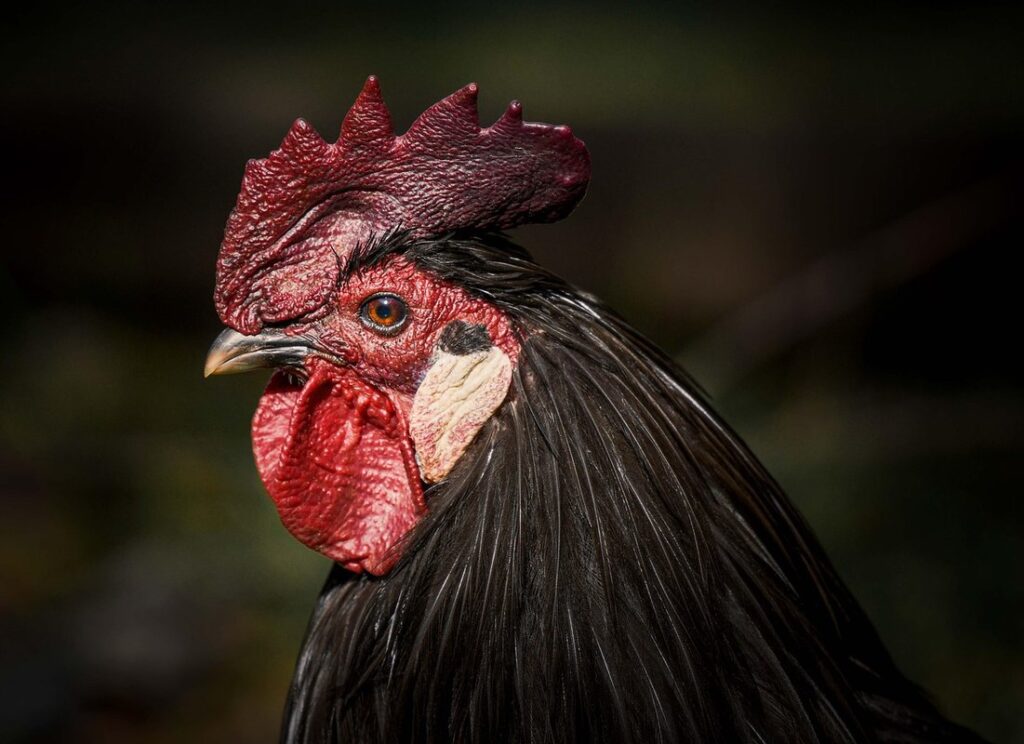
Understanding Aggressive Behavior in Roosters
Understanding why some roosters become aggressive is crucial for effective management, so let’s explore the common causes and signs of aggression in these birds.
Causes of Aggression in Roosters
Aggression in roosters can stem from several factors. Genetic predisposition is one reason why some breeds are naturally more aggressive than others. For instance, certain heritage breeds like Silkies and Polish have been bred for specific traits that may contribute to aggression.
Another significant cause of aggression is territorialism. Roosters will fiercely defend their territory, which includes their coop, run, and surrounding area. If a rooster feels threatened or senses an intruder, it may become aggressive in an attempt to protect its territory. This can be particularly evident if the coop is placed near other animals or in an area with high foot traffic.
Social status within the flock also plays a role in aggression. Roosters with higher social standing may exhibit more dominant behavior and become aggressive towards lower-ranking birds. Similarly, a new rooster introduced to an existing flock may be met with aggression from older, more established birds trying to assert their dominance.
Understanding these underlying causes can help you identify the root of your rooster’s aggression and develop strategies for managing it effectively.
Signs of Aggression in Roosters
As you interact with your rooster daily, it’s essential to be aware of the physical and behavioral signs that indicate aggression. Roosters are known for their bold and confident nature, but when these traits become extreme, they can turn into a threat.
Pay attention to body language – a rooster displaying aggression will often spread his wings, raise his hackles (the feathers on his neck), or lower his comb (the fleshy part on top of his head). He may also engage in “spinning” – rapidly turning around while making loud noises. If you notice these behaviors escalating into violent outbursts, it’s crucial to take action.
Listen for unusual vocalizations too – a rooster that starts to crow loudly during off-hours or repeatedly makes high-pitched sounds can be a sign of anxiety or agitation. In extreme cases, he might even attack humans or other animals in the coop. If you’ve noticed such behavior, ensure your safety by maintaining a safe distance and consulting an expert for advice on how to manage his aggression.
Some common signs include:
• Frequent pacing or restlessness
• Increased crowing at unusual times
• Raised hackles or spreading wings
• Aggressive posturing (such as stomping or chasing)
• Attacks on other animals or humans
Risk Factors for Developing Aggressive Behavior
When it comes to roosters, aggressive behavior is often a result of various risk factors that can be addressed through proper management. One key factor is socialization. Roosters that are not handled regularly from an early age may become fearful and territorial, leading to aggression towards humans or other animals.
Inadequate nutrition is another significant contributor. A diet lacking essential vitamins and minerals can lead to irritability, anxiety, and increased aggression in roosters. A balanced diet rich in protein, calcium, and other nutrients is crucial for maintaining their overall health and well-being.
Poor living conditions also play a role. Roosters require adequate space, fresh air, and proper ventilation to stay healthy and relaxed. Overcrowding, poor sanitation, and inadequate shelter can cause stress and frustration, resulting in aggressive behavior.
Some red flags include sudden changes in appetite or mood, excessive pacing or restlessness, and unusual vocalizations. If you notice any of these signs, it’s essential to take immediate action to address the underlying causes and provide a safe environment for your rooster.
Identifying the Root Cause of Aggression
To effectively manage aggressive roosters, it’s essential to first identify the underlying causes of their behavior. Understanding what drives their aggression will help you develop a targeted plan to address the issue.
Conducting a Behavioral Assessment
Conducting a thorough behavioral assessment is crucial to identifying the underlying causes of aggression in roosters. To begin, observe the rooster’s interactions with other birds and humans to note patterns and triggers that may be contributing to its aggressive behavior.
Start by watching how the rooster interacts with its flock members during feeding time, when it’s being handled, or during daily routine activities. Does it appear more aggressive around certain individuals or in specific situations? For example, a rooster that consistently becomes aggressive when approached by the owner for handling may be experiencing anxiety or stress related to human interaction.
Next, observe how the rooster interacts with other birds in its flock, including hens and chicks. Are there any signs of dominance or submission, such as pecking, chasing, or avoidance behaviors? A rooster that consistently bullies others or is overly dominant may be exhibiting symptoms of hormonal imbalances or over-socialization.
By carefully observing the rooster’s behavior in these situations, you can gain valuable insights into its underlying motivations and triggers for aggression. This information will help guide your efforts to address and manage the rooster’s behavior effectively.
Evaluating Environmental Factors
When it comes to managing aggressive roosters, understanding and evaluating environmental factors is crucial. These factors can significantly contribute to or mitigate aggressive behavior in roosters. Let’s start with space – a common area where owners often go wrong. Providing enough space for your rooster to move around and exercise is vital. A general rule of thumb is to ensure each bird has at least 2-3 square feet of space per bird inside the coop, and 5-10 square feet in the run.
However, it’s not just about physical space. Lighting and noise levels can also play a significant role in reducing aggression. Bright lighting, in particular, can create stress and anxiety, leading to aggressive behavior. Providing adequate shade, such as adding tarps or installing a roof overhang, can help reduce this stress. Similarly, excessive noise from neighboring animals or loud human voices can cause roosters to become agitated.
In practical terms, you can minimize the impact of environmental factors by introducing natural lighting through windows and skylights or using LED lights specifically designed for coops that emit a gentle glow. You should also consider creating separate areas within the run for your rooster to relax and escape from other birds and distractions.
Considering the Role of Genetics
When considering the role of genetics in determining a rooster’s aggression level, it’s essential to understand that temperament is influenced by a combination of genetic and environmental factors. Some breeds are naturally more aggressive than others due to selective breeding for specific traits.
Research suggests that aggression can be passed down through generations, making genetics a crucial aspect to consider when addressing the issue. For example, some studies have shown that roosters from certain breeds exhibit increased aggression due to genetic predisposition.
To reduce aggression in future generations, breeders should focus on selecting roosters with balanced temperaments and avoiding those that demonstrate excessive aggression. This can be achieved by assessing a rooster’s behavior during the early stages of its life, looking for signs such as feather pecking or attacking other birds.
When breeding to minimize aggression, consider incorporating diverse bloodlines into your flocks to introduce new genetic material. This can help mitigate inherited traits and promote more docile offspring. However, it’s also crucial to recognize that genetics are just one aspect of a rooster’s behavior – proper training and environmental management play significant roles as well.
Managing Aggressive Roosters: Prevention and Intervention
Preventing aggressive behavior is often easier than intervening after it’s already developed, so let’s start by looking at some proactive strategies for managing your rooster.
Preventive Measures for Reducing Aggression
Proper socialization is key to preventing aggressive behavior from developing in roosters. This means exposing them to various environments, people, and animals from an early age. Introduce your young rooster to different textures, sounds, and smells to help him become confident and calm in new situations.
Training also plays a significant role in aggression prevention. Start with basic obedience commands such as “come” and “stay,” and gradually move on to more advanced training like agility or tricks. Positive reinforcement techniques, such as offering treats and praise, are essential for building trust between you and your rooster.
Providing an optimal environment is also crucial. Ensure your rooster has enough space to move around, exercise, and engage in natural behaviors like foraging and dust bathing. A clean and well-ventilated coop with adequate light and perches can help reduce stress and aggression.
For example, a study on poultry behavior found that roosters exposed to enriched environments exhibited reduced aggression compared to those kept in standard conditions. By investing time and effort into proper socialization, training, and environmental enrichment, you can significantly reduce the likelihood of aggressive behavior developing in your rooster.
Interventions for Existing Aggression
When dealing with an aggressive rooster that already exhibits hostile behavior, it’s essential to address the issue promptly and safely. One effective approach is behavioral modification through desensitization and counterconditioning techniques.
Start by identifying triggers for the aggression, such as people, other animals, or specific objects. Once you’ve pinpointed these triggers, begin slowly introducing the rooster to them while associating positive experiences with each exposure. For instance, if the rooster is aggressive towards visitors, have someone quietly enter the coop while feeding treats to the bird.
Another crucial aspect of managing aggression in existing roosters is understanding and respecting their personal space. Provide a safe enclosure where the bird can retreat when feeling overwhelmed, such as a designated “rooster sanctuary.” Ensure this area is escape-proof and offers adequate ventilation and shelter from extreme temperatures.
It’s also vital to recognize that aggressive behavior can be linked to underlying medical issues or pain. Consult with a veterinarian to rule out any health problems that may be contributing to the rooster’s aggression.
Collaborating with Professionals (Veterinarians, Behaviorists)
When dealing with an aggressive rooster, it’s essential to remember that you’re not alone. Seeking professional help from veterinarians and animal behaviorists can be a game-changer in managing your bird’s behavior and ensuring both you and your rooster are safe.
Firstly, consult with your veterinarian to rule out any underlying medical issues that could be contributing to the aggression. They will perform a thorough examination of your rooster and provide guidance on the best course of action.
Next, consider consulting an animal behaviorist who specializes in avian behavior. These experts can help you identify triggers for the aggression and develop a customized training plan to address these issues. Some key questions to ask an animal behaviorist include: What are common reasons for aggressive rooster behavior? How can I create a safe environment for both myself and my bird? What non-invasive interventions can be implemented to reduce aggression?
By working with professionals, you’ll gain valuable insights into your rooster’s behavior and develop practical strategies to manage their aggression.
Safety Precautions for Handling Aggressive Roosters
When handling aggressive roosters, safety is paramount. This section outlines essential precautions to minimize risks and protect you from potential harm while dealing with these powerful birds.
Safety Guidelines for Interacting with Aggressive Roosters
When interacting with aggressive roosters, it’s crucial to prioritize your safety above all else. First and foremost, always wear protective gear, including closed-toe shoes, long sleeves, gloves, and safety glasses. This will help prevent scratches, bites, and other injuries.
Effective communication is also vital when dealing with aggressive roosters. Speak calmly and assertively, avoiding sudden movements or loud noises that may provoke them further. If the rooster appears hostile, try to establish a safe distance while maintaining eye contact. In some cases, offering treats like oats or corn can help calm the bird.
In emergency situations where you’re attacked by an aggressive rooster, prioritize escape over confrontation. Back away slowly and carefully without turning your back on the bird, as this may trigger further aggression. If you’re in a coop or enclosed area, quickly find a safe exit. Remember, preventing encounters with aggressive roosters is always the best course of action – avoid handling them until they’ve been deemed safe by an experienced professional.
Minimizing Risks of Attacks
When interacting with an aggressive rooster, it’s essential to be aware of the potential risks and take steps to minimize them. One of the most crucial factors is avoiding direct eye contact, as this can be perceived as a challenge or threat by the bird. Instead, focus on speaking calmly and softly to reassure the rooster that you mean no harm.
Another effective approach is using positive reinforcement training methods. Reward the rooster with treats or praise when it behaves calmly or responds to commands, rather than punishing it for aggressive behavior. This helps create a positive association between desired behaviors and rewards.
It’s also vital to respect personal space and boundaries when interacting with an aggressive rooster. Keep your hands and feet away from its body, as sudden movements can trigger an attack. By being mindful of these factors and taking proactive steps, you can significantly reduce the risk of being attacked by an aggressive rooster.
In addition, consider the environment in which you’re interacting with the bird. Ensure that there are no obstacles or distractions that could escalate tensions. With patience, consistency, and positive reinforcement training, it’s possible to manage even the most aggressive roosters and build a safe and trusting relationship.
Long-Term Solutions: Rehabilitation and Rehoming
If you’re dealing with a chronically aggressive rooster, it’s time to think beyond temporary fixes and consider long-term solutions for rehabilitation and rehoming. This section explores both options in-depth.
Options for Rehabilitating Aggressive Roosters
Rehabilitating aggressive roosters requires patience, consistency, and a tailored approach. Behavior modification programs can be effective, but it’s crucial to identify the root cause of aggression before implementing a plan. Common triggers include lack of exercise, poor socialization, or inadequate nutrition.
One potential solution is desensitization techniques, which involve gradually exposing the rooster to stimuli that trigger aggressive behavior. For example, if the rooster attacks humans during feeding, start by offering food in a controlled environment, then progress to introducing other people while maintaining distance. Reward calm behavior with treats and praise.
Gradual reintroduction to a flock can also be beneficial, but it’s essential to introduce the rehabilitated rooster slowly and under close supervision. Start by housing them separately from the rest of the flock, allowing them to establish their own hierarchy before gradually introducing them to each other.
By combining these strategies with patience and persistence, you may be able to transform an aggressive rooster into a calm and gentle member of your flock.
Considerations for Rehoming Aggressive Roosters
When rehoming an aggressive rooster, it’s essential to consider not just the well-being of the bird itself but also that of its new owners. Not everyone is equipped to handle a feisty rooster, so finding suitable adoptive families is crucial.
Before rehousing, assess whether the adopters have experience with aggressive birds or know how to manage their behavior. Ensure they’re committed to providing a safe and stable environment for both themselves and the rooster. You can achieve this by asking thorough questions during the adoption process and having a clear understanding of the new home’s layout and environment.
Safe transportation is another critical aspect. Never transport an aggressive rooster in a way that could cause stress or injury, such as in cramped or confined spaces. Plan carefully, considering factors like climate control and proper equipment to ensure a smooth transition for both parties involved.
Frequently Asked Questions
What if I’ve already implemented prevention measures, but my rooster’s aggression persists – what next steps should I take?
If prevention measures haven’t worked, it’s essential to reassess the situation and consider professional help from a veterinarian or animal behaviorist. They can conduct a thorough behavioral assessment, evaluate environmental factors, and provide personalized guidance on rehabilitation or rehoming options.
How do I determine if my rooster’s aggression is due to genetics, territorialism, or other underlying causes?
To identify the root cause of your rooster’s aggression, consider his breed, age, and living situation. Keep a close eye on behavior patterns and note any correlations with environmental changes or stressors. If you’re still unsure, consult with a veterinarian or animal behaviorist for expert advice.
Can I safely rehabilitate an aggressive rooster at home, or do I need professional help?
While some minor aggression issues can be addressed through home-based rehabilitation methods, more severe cases often require the expertise of a veterinarian or certified animal behaviorist. They will provide personalized guidance and ensure your safety during the rehabilitation process.
What specific safety precautions should I take when handling an aggressive rooster, especially if it has attacked me before?
When interacting with an aggressive rooster, prioritize caution above all else. Wear protective gear such as gloves, long sleeves, and a face mask to minimize injury risk. Never approach or handle your rooster during aggressive episodes; instead, provide a safe distance and wait for him to calm down.
How do I know when it’s time to rehome an aggressive rooster rather than trying to rehabilitate him?
If you’ve implemented multiple rehabilitation strategies without seeing significant improvement in behavior, it may be time to consider rehoming your rooster. Prioritize the safety of both humans and other animals on your property by seeking out experienced adopters or working with animal welfare organizations to find a suitable new home for your bird.