
Are you considering adding some egg-laying friends to your backyard flock? Sex Link chickens are a popular choice among chicken keepers, but before you bring them home, it’s essential to understand their unique characteristics and needs. These birds have been bred specifically for high egg production, making them an excellent option for families or small-scale farmers looking to maximize their returns.
But sex link chickens come with some challenges too – from health issues to egg production management. If you’re new to raising these birds, it’s crucial to learn how to care for your flock properly and prevent common problems like respiratory infections and parasites. In this article, we’ll delve into the benefits and drawbacks of raising sex link chickens, providing expert advice on how to get the most out of these prolific layers while keeping them happy and healthy.
Introduction to Sex Link Chickens
Let’s start at the beginning: what are sex link chickens, exactly? In this section, we’ll explore the unique characteristics and traits that make these birds so popular among backyard flock owners.
What are Sex Link Chickens?
Sex link chickens are one of the most popular breeds among backyard chicken keepers, and it’s easy to see why. These birds owe their popularity to a combination of factors, including their hardiness, high egg production, and friendly nature.
The origin of sex link chickens dates back to the 1940s in the United States, when breeders developed this crossbreed as a hybrid between Rhode Island Reds and Barred Rocks. The goal was to create a bird that would excel in both egg-laying capabilities and feather quality. Today, sex links are available in various color combinations, including red sex links and black sex links.
So, what makes sex link chickens so appealing? For starters, they’re known for laying an impressive 200-300 brown eggs per year, making them a top choice for households looking to supplement their grocery shopping with fresh eggs. Additionally, sex links are relatively low-maintenance birds that adapt well to small spaces and can thrive in backyard coops with minimal care.
Benefits of Keeping Sex Link Chickens
Raising sex link chickens comes with numerous benefits that make them an excellent choice for backyard flock owners. One of the primary advantages is their exceptional egg production. Sex links are known to lay a high number of eggs per year, often between 300-320 large brown eggs annually. This is because they are bred specifically for their egg-laying abilities, making them an ideal choice for households seeking a consistent supply of fresh eggs.
Another significant benefit of sex link chickens is their temperament. They are known to be friendly, docile, and easy-going, making them perfect for families with children or for those who want low-maintenance pets. Sex links are also relatively quiet compared to other breeds, reducing the likelihood of noise complaints from neighbors. Additionally, they are straightforward to handle, requiring minimal training to become tame and trusting.
Their ease of handling, combined with their gentle nature, makes sex link chickens an excellent choice for beginners or those who want a stress-free experience in raising backyard chickens.
Characteristics of Sex Link Chickens
Sex link chickens are known for their distinctive characteristics, which make them a popular choice among backyard chicken keepers and farmers alike. Let’s take a closer look at these traits that set them apart.
Physical Characteristics
Sex Link chickens are a popular choice among backyard flock owners due to their desirable physical characteristics. In terms of size, Sex Links are generally medium-sized birds, with roosters weighing around 6-7 pounds and hens weighing slightly less at 5-6 pounds.
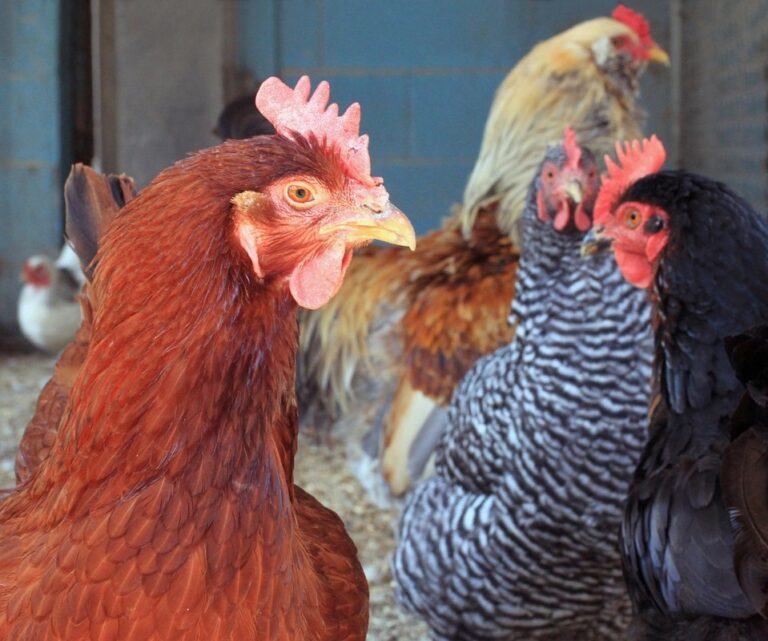
Their plumage is one of the most distinctive features of Sex Link chickens. They have a combination of brown and white feathers, often with a darker coloration on their backs and wings, while their breasts are typically lighter in color. This striking pattern makes them stand out from other breeds.
In terms of beak shape, Sex Links tend to have a medium-sized beak that is neither too long nor too short. Their beaks are also relatively straight, which helps with pecking at grain and scratching in the dirt. Leg length varies slightly between roosters and hens, but most Sex Link chickens have sturdy legs that are well-suited for scratching and perching.
Overall, the physical characteristics of Sex Link chickens make them a versatile breed that thrives in a variety of environments.
Temperament and Personality
When it comes to temperament and personality, Sex Link chickens are often praised for their gentle nature. They are known to be extremely friendly and docile, making them an excellent choice for families with children or beginners in the chicken-keeping world. Their calm demeanor allows them to thrive in backyard flocks, where they will often become fast friends with their human caregivers.
In terms of noise level, Sex Link chickens are relatively quiet compared to other breeds. They won’t disturb you too much, especially if you’re looking for a peaceful coop environment. This is a great trait for apartment dwellers or those living in close proximity to neighbors. However, they will still make some noise, so be prepared for the occasional cluck or chirp.
One thing to note about Sex Link chickens is their ability to adapt to new environments and situations. They are highly adaptable and can easily adjust to changes in their coop or surroundings. This makes them a great choice for those who want a low-maintenance flock that’s easy to care for.
Raising Sex Link Chickens: From Hatch to Harvest
Now that you’ve welcomed your new Sex Link chicks into the world, it’s time to focus on their growth and development from hatch to harvest. This section will cover everything you need to know for a successful flock.
Choosing Healthy Chicks
When selecting healthy chicks from sex link breeds, it’s crucial to prioritize their health and well-being. Healthy chicks are more likely to grow into robust, disease-resistant birds that will thrive on your farm.
Look for signs of good health such as bright eyes, clean beaks, and plump feathers. Check for any visible injuries or defects on the legs, wings, or tail. A healthy chick should also have a strong hold in its feet and exhibit no signs of lethargy or weakness.
When choosing a breeder or hatchery, do your research to ensure you’re getting chicks from reputable sources. Ask about their vaccination protocols, feed quality, and health guarantees. Consider buying directly from the breeder for better control over the chick’s history and care.
Additionally, ask for recommendations on vaccinations and medications for common diseases in your area. Many breeders will also provide a written guarantee or warranty on the chicks’ health. When purchasing chicks, make sure to get them within 24 hours of hatching for maximum vitality.
Providing Adequate Nutrition and Care
When it comes to raising sex link chickens, providing adequate nutrition and care is crucial for their health and productivity. Sex link chickens require a balanced diet that meets their nutritional needs, which can be achieved by feeding them a high-quality commercial layer feed or a homemade mix of grains, fruits, and vegetables.
It’s essential to provide your flock with access to clean, fresh water at all times. A watering system should be installed in the coop to ensure the chickens always have a reliable source of hydration. A good rule of thumb is to provide one gallon of water per chicken per day.
In addition to nutrition and hydration, shelter is also a critical aspect of sex link chicken care. The coop should be well-ventilated, dry, and protected from predators. Ensure there’s enough space for your chickens to move around comfortably, with about 2-4 square feet of space per bird inside the coop and at least 8-10 square feet outside in the run.
Adequate shelter will help prevent health issues such as respiratory problems and stress-related behaviors.
Sex Link Chicken Breeds: Variations and Crossbreeding
As you explore the world of sex link chickens, understanding their various breeds and crossbreeding methods is crucial for selecting the right birds for your flock. We’ll delve into the specifics of these unique chicken combinations.
Popular Sex Link Breeds
When it comes to popular sex link breeds, several stand out from the rest. The Barred Plymouth Rock is a favorite among many backyard chicken enthusiasts due to its friendly and docile nature. This breed excels at egg production, laying around 200-220 brown eggs per year.
Another popular option is the Red Sex Link, known for its striking red plumage and high egg-laying capacity. These birds can produce up to 300 eggs per year, making them a great choice for those who want a consistent supply of fresh eggs. However, it’s worth noting that the Red Sex Link tends to be more aggressive than other sex link breeds.
The Golden Comet is also gaining popularity among sex link breeders and owners. This breed offers excellent egg production, laying around 200-220 brown eggs per year, while also being relatively low-maintenance. If you’re new to raising chickens or want a hassle-free experience, the Golden Comet might be an ideal choice for your flock.
These breeds are just a few examples of the many sex link options available. When choosing a breed, consider factors such as egg production, temperament, and ease of maintenance to find the best fit for your needs.
Crossbreeding for Improved Traits
Crossbreeding is an essential process used by poultry farmers to create sex link chickens with improved traits. This involves breeding two distinct breeds, a male and a female, to produce offspring that combine the best characteristics of both parents. The goal is to enhance specific traits such as egg production, disease resistance, or growth rate.
When crossbreeding sex link chickens, breeders often focus on combining the high egg-laying abilities of Leghorns with the broodiness of Orpingtons or Marans. This blend creates a bird that produces an abundance of large eggs while also being more inclined to hatch eggs successfully. Breeders may also crossbreed for improved disease resistance by introducing breeds known for their hardiness, such as Rhode Island Reds.
To get started with crossbreeding, it’s essential to have a clear understanding of the traits you want to improve and the characteristics of the parent breeds involved. Researching and selecting the right breeding stock can be time-consuming but will ultimately lead to more desirable offspring. By carefully planning and executing your breeding program, you can create sex link chickens that meet specific needs and exceed expectations in terms of egg production or disease resistance.
Sex Link Chicken Egg Production: Tips and Tricks
If you’re raising sex link chickens for their eggs, here are some expert tips to boost your production and ensure a steady supply of fresh eggs from your flock.
Maximizing Egg Production
Maximizing egg production is a top priority for many backyard chicken keepers. Sex link chickens are known for their high egg-laying capacity, but even with proper care and nutrition, there’s always room for improvement. To boost your flock’s productivity, let’s dive into the importance of nutritional supplements.
A balanced diet is essential to maintaining peak egg production. Ensure that your sex link chickens have access to a high-quality layer feed that includes essential nutrients like calcium, phosphorus, and protein. You can also supplement their diet with crushed oyster shells or dark leafy greens like kale or spinach to give them an extra boost of calcium.
Lighting is another crucial aspect of maximizing egg production. Sex link chickens require 14 hours of daylight to produce eggs efficiently. If your flock isn’t getting enough natural light, consider investing in a high-quality LED grow light that mimics the sun’s spectrum and intensity.
Reducing stress is also vital for maintaining optimal egg production. Make sure your sex link chickens have ample space to roam, access to fresh water, and regular cleaning of their coop and run. By providing these basic needs, you can significantly reduce stress levels and encourage healthy laying habits in your flock.
Handling and Collecting Eggs
Proper handling and collecting eggs from your Sex Link flock is crucial to maintain hygiene, prevent breakage, and ensure the quality of your harvest. Always wear clean clothes and wash your hands thoroughly before approaching the coop to collect eggs. This simple habit will help reduce the risk of transferring bacteria or dirt onto the eggs.
When collecting eggs, gently pick them up from the nesting box, taking care not to disturb the other birds. Handle each egg by its center, supporting it with both hands if necessary, to avoid applying pressure on the delicate points. If you notice any cracks or visible damage during collection, remove the egg immediately to prevent contamination.
After collecting, store eggs in a cool, dry place protected from direct sunlight and drafts. The ideal storage temperature is around 40°F (4°C), which will help slow down bacterial growth. You can also consider using an egg carton or tray with ventilation to keep them clean and organized. Regularly checking the coop and storing eggs properly will not only ensure your flock’s health but also lead to a more enjoyable egg-harvesting experience.
Sex Link Chicken Health: Common Issues and Prevention
When it comes to sex link chickens, maintaining their health is crucial for a thriving flock. This section will help you identify common health issues and take preventative measures to keep your birds happy and healthy.
Common Health Issues
Sex Link chickens are prone to several common health issues that can affect their overall well-being. Respiratory problems, such as bronchitis and pneumonia, are a major concern for this breed due to their delicate respiratory system. To prevent these issues, it’s essential to provide a clean and dry environment, with adequate ventilation in the coop. Regular cleaning of the coop and run will also help reduce the risk of disease.
Parasites, like mites, lice, and fleas, can infest your flock and cause discomfort and health problems. Regular checks and treatments are necessary to control parasite populations. Vaccinations against common diseases such as Marek’s disease and Newcastle disease should also be a priority.
Reproductive issues in hens can include egg binding, reproductive tract infections, and ovarian cysts. Good management practices, proper nutrition, and regular veterinary check-ups will help identify potential problems early on. For example, ensure your flock has access to fresh water at all times and provide a balanced diet that includes essential nutrients for healthy reproduction.
Regular monitoring of your flock’s health is crucial to identifying any issues before they become severe.
Preventative Measures
Maintaining good health is crucial for your sex link chickens to thrive. To prevent common issues, start with vaccinations. Consult a veterinarian to determine the best vaccination schedule for your flock, as it may vary depending on factors like region and climate. Typically, chicks are vaccinated against Marek’s disease, Newcastle disease, and Infectious Bronchitis within the first few weeks of life.
Parasite control is another essential preventative measure. Regularly inspect your chickens’ droppings for signs of parasites like worms or mites. Use a deworming medication according to the manufacturer’s instructions to keep internal parasites under control. Also, ensure good ventilation and cleanliness in your coop to prevent external parasite infestations.
Regular check-ups with a veterinarian are vital for detecting health issues early on. Schedule annual visits, and be prepared to provide detailed information about your chickens’ diets, living conditions, and any observed behavioral or physical changes. This proactive approach will help you identify potential problems before they become major concerns, allowing you to take swift action to protect the health of your flock.
Sex Link Chicken Care: Tips for Long-Term Success
To ensure your flock thrives, it’s essential to understand proper sex link chicken care and implement long-term strategies that promote their health and well-being. With these tips, you’ll be on the right track.
Building a Strong Flock Bond
Building strong relationships with your sex link chickens is crucial for their emotional well-being and your own experience as a chicken keeper. By socializing them from an early age, you can develop trust, reduce stress, and make handling easier. Start by gently picking up your chicks or pullets daily to encourage them to become comfortable with human touch.
Handling practices are also essential for building a strong flock bond. Handle each bird individually, getting them accustomed to being held securely but gently, and rewarding calm behavior with treats. Gradually increase handling time as they grow more confident. For instance, you can begin by letting your chicks follow you around the coop or yard, then gradually introduce more active handling.
To take it a step further, consider implementing enrichment activities like providing puzzle toys filled with treats, offering scratching posts to stimulate foraging behavior, and engaging in playtime with your birds using fun tools like feather teasers. By incorporating these socialization techniques and handling practices into your daily routine, you’ll be able to build trust and strengthen the bond between you and your sex link chickens.
Managing Your Flock’s Environment
When it comes to raising Sex Link chickens, managing their environment is crucial for promoting health, happiness, and productivity. A well-designed coop and ample outdoor space can make all the difference.
First and foremost, consider the size of your coop. Aim for at least 3-4 square feet per chicken inside the coop, with adequate ventilation and lighting. This will help prevent overcrowding, stress, and heat-related issues during hot summer months. For example, if you have a flock of 10 Sex Link chickens, aim for a minimum coop size of around 30-40 square feet.
When it comes to outdoor space, provide your birds with a safe and predator-free area to roam. Consider fencing off a specific section of your yard or garden, ensuring the fencing is at least 3 feet high to prevent escape and predator entry. Make sure to include features like perches, nesting boxes, and dust baths to keep your birds entertained and stimulated.
Some additional tips for managing your flock’s environment include:
* Ensuring adequate feeders and waterers are easily accessible
* Implementing a rotation of roosting bars to maintain cleanliness and prevent ammonia buildup
* Providing enrichment activities such as scratching posts or sandboxes to reduce stress and boredom
By prioritizing the design and maintenance of your coop and outdoor space, you can create a thriving environment for your Sex Link chickens.
Frequently Asked Questions
Can I raise sex link chickens in a small backyard with limited space?
While sex link chickens are relatively hardy, they still require adequate space to roam and exercise. If you have a small backyard, consider providing a dedicated run or coop with enough space for your flock to move around comfortably. You may also want to research vertical gardening methods or use space-efficient feeding systems.
How do I prevent common health issues in my sex link flock?
To minimize the risk of respiratory infections and parasites, make sure to provide clean living conditions, fresh water, and a balanced diet. Regularly check your birds’ droppings for signs of illness and maintain good hygiene practices when handling feed and waste. Consult with a veterinarian if you notice any unusual symptoms.
Can I crossbreed my own sex link chickens or should I stick with commercial breeds?
Crossbreeding can be a fun and rewarding experience, but it requires careful planning and knowledge of genetics. If you’re new to raising sex link chickens, it’s recommended to start with high-quality commercial breeds and gradually experiment with crossbreeding as you gain more experience.
How long do sex link chickens typically live, and what are their average egg production rates?
Sex link chickens can live for around 4-6 years, depending on factors like genetics, diet, and health conditions. As for egg production, expect an average of 280-300 eggs per year from a mature sex link hen.
Can I raise sex link chickens in hot or cold climates without special equipment?
While sex link chickens are relatively adaptable, extreme temperatures can still pose challenges. If you live in a hot climate, ensure your flock has access to shade and adequate ventilation to prevent heat stress. In colder climates, provide extra insulation and ensure your coop is well-sealed to maintain warmth.