
Are you ready to meet one of the most charming and unique poultry breeds out there? The Polish Chicken Crested is a lovable and eye-catching bird that’s sure to capture your heart. But before you bring one home, it’s essential to know more about its fascinating history, intriguing characteristics, and specific care requirements.
In this article, we’ll delve into the world of Polish Chicken Crested, exploring what makes them so special and how to raise these lovable birds successfully. We’ll cover everything from their origins to their potential issues, providing you with a comprehensive guide on how to provide the best possible life for your feathered friend. Whether you’re an experienced poultry keeper or just starting out, this article is packed with valuable information to help you make informed decisions and create a happy home for your Polish Chicken Crested.
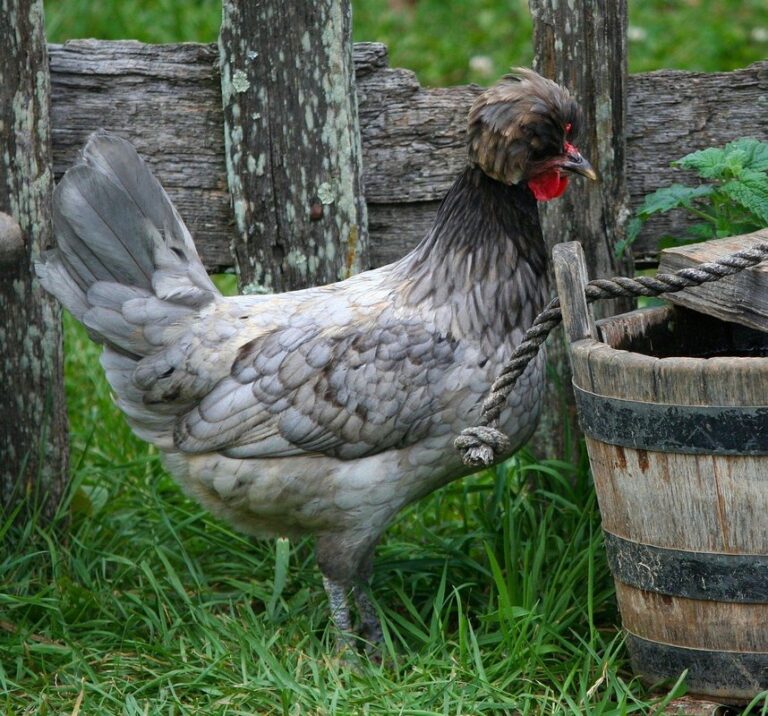
History and Origins of the Polish Chicken Crested
Let’s dive into the fascinating history and origins of the Polish Chicken Crested, a breed that’s steeped in tradition and rich heritage. You’ll learn about its roots and how it developed over time.
The Early Beginnings: A Brief History of the Breed
The origins of the Polish Chicken Crested breed date back to medieval Europe, where it was highly prized for its unique appearance and impressive egg-laying abilities. It’s believed that the breed originated from a combination of the English Game Fowl and the Old German Cochin breeds. Over time, selective breeding resulted in the distinctive crest on top of the chicken’s head, which is a hallmark of the Polish Chicken Crested.
In the 16th century, the Polish Chicken Crested was a staple in European farms, particularly among the nobility. They were renowned for their hardiness and ability to thrive in cold climates, making them an ideal choice for many farmers. The breed’s popularity continued throughout the centuries, with various strains emerging, such as the Polish White-Faced and the Polish Red.
Despite its rich history, the Polish Chicken Crested is a relatively rare breed today, making it all the more sought after by chicken enthusiasts. If you’re considering adding this breed to your flock, be prepared for a unique and rewarding experience – they are known to be friendly, curious, and entertaining birds!
Key Characteristics of the Breed’s Ancestors
The breed’s ancestors played a significant role in shaping the Polish Chicken Crested’s distinctive appearance. These early birds were primarily developed from the Cochin and Malay breeds, which are known for their unique feathering patterns and bearded characteristics. As the breed evolved, these traits became more pronounced, resulting in the crested, bearded birds we know today.
The ancestors of the Polish Chicken Crested also contributed to its compact size and docile temperament. These smaller birds were better suited for backyard flocks and provided a steady supply of eggs. Their calm nature made them an ideal choice for families with children or for those who wanted low-maintenance pets.
Interestingly, some Polish Chicken Crested owners have reported that their birds’ crests can grow quite long if not properly maintained. This highlights the importance of regular grooming to prevent matting and tangling of the feathers around the face and neck.
Appearance and Physical Characteristics
The Polish Chicken Crested is a beloved breed known for its striking crested comb, which can come in a variety of colors to match their plumage. Let’s take a closer look at this unique characteristic up close.
The Crest: A Unique Feature of the Polish Chicken
One of the most distinctive features of the Polish chicken is its crested head feathering. This unique characteristic sets it apart from other breeds and makes it a striking addition to any backyard flock. The crest, as it’s commonly referred to, is a tuft of feathers that grows on top of the bird’s head, often giving the appearance of a crown.
The shape and size of the crest can vary greatly depending on the individual chicken. Some Polish chickens have a small, rounded crest, while others may sport a larger, more dramatic tuft. In general, the crest is made up of feathers that are soft and fluffy to the touch, often with a slightly wavy or curved appearance.
The purpose of the crest is not entirely clear, but it’s believed to serve as a visual signal for mating purposes. Some breeders also speculate that the crest may play a role in protecting the chicken’s sensitive head area from the elements. Regardless of its original purpose, the crest has become an iconic feature of the Polish breed and a major draw for backyard chicken enthusiasts.
Body Type and Size Variations
When it comes to body type and size variations, the Polish chicken crested is no exception. This breed comes in a range of standard sizes, including small, medium, and large fowl, as well as bantam varieties that are perfect for backyard flock enthusiasts with limited space.
One of the most recognizable features of the Polish chicken crested is its compact size. Bantams can weigh between 1-2 pounds and stand around 10-12 inches tall, making them an excellent choice for small gardens or apartments. Standard Polish chickens, on the other hand, typically range from 3-4 pounds in weight and stand around 14-16 inches tall.
In addition to these standard varieties, there are several recognized sizes within the breed, including: miniature (under 2 pounds), medium-sized, and large fowl (over 4 pounds). When selecting a Polish chicken crested for your flock, consider factors such as available space, egg-laying needs, and personal preference. Remember that each size variety has its unique characteristics and advantages, so be sure to research and choose the best fit for your lifestyle.
If you’re planning to show your Polish chicken crested or participate in poultry exhibitions, familiarize yourself with breed standards and guidelines set by organizations like the American Poultry Association (APA). This will ensure that you meet the necessary requirements for your bird’s size and body type.
Temperament and Personality Traits
When it comes to Polish Chicken Crested personalities, one of their most charming traits is their friendly nature, making them an ideal companion for many backyard chicken keepers.
Friendly and Docile: The Polish Chicken’s Reputation
When it comes to temperament, Polish Chicken Crested is renowned for its exceptional friendliness and docility. This breed is a perfect addition to family farms or backyard flocks due to its gentle nature, making them an excellent choice for households with children. They are known to be affectionate and social birds, often forming close bonds with their owners.
One of the most notable characteristics of Polish Chicken Crested is its ability to tolerate handling and interaction. In fact, they thrive on attention and will happily follow you around the yard or even into the house. Their friendly demeanor makes them an excellent choice for small-scale poultry keepers who want a low-maintenance but engaging companion.
When introducing a Polish Chicken Crested to your flock, it’s essential to consider its size and gentle nature. As they are relatively small birds, they can be easily bullied by larger breeds if not properly introduced. Start with gradual introductions and ensure that the environment is calm and peaceful to minimize stress on both the new bird and existing flock members.
By providing a safe and welcoming space, you’ll find that your Polish Chicken Crested will quickly become a beloved member of your household. With its friendly and docile nature, this breed is sure to bring joy and companionship to any small-scale poultry keeper or family farm.
Noise Levels: Are Polish Chickens Loud?
One of the most common concerns potential owners have about Polish chickens is their noise level. While these birds are indeed known for being vocal, their loudness can be a bit deceiving.
Polish chickens are considered to be medium-level talkers, which means they will engage in conversations with you and other members of your flock on a regular basis. They make a range of sounds, from soft chirps to loud clucks, and are known for being one of the most chatty breeds out there. However, it’s worth noting that their noise level is not as high as some other popular breeds, such as Silkies or Brahma chickens.
If you’re concerned about noise levels in your backyard, it’s essential to understand that Polish chickens tend to be more vocal in the morning and evening, which are typically the quietest times of day. With proper care and attention, these birds can learn to moderate their noise level, especially if they’re provided with plenty of space to roam and engage in activities that help them stay occupied.
To minimize potential noise disruptions, consider providing your Polish chickens with a designated “quiet area” or creating a noise-reducing coop design. With patience and proper care, you can enjoy the delightful companionship of these lovable birds without excessive noise worries.
Health Considerations and Common Issues
When it comes to owning a Polish Chicken Crested, health considerations are crucial to ensure your feathered friend stays happy and healthy. This section will cover common issues to watch out for in these lovable birds.
Beak and Crest Care: Important for the Breed’s Well-being
Caring for a Polish chicken’s beak and crest is crucial to their overall health and well-being. The beak, made of keratin, grows continuously throughout the bird’s life, just like our fingernails. If left unattended, overgrowth can lead to discomfort, difficulty eating, and even infection. To maintain your Polish chicken’s beak health, trim it regularly with a poultry nail clipper or a file specifically designed for this purpose.
The crest, a distinctive feature of the breed, requires regular maintenance as well. Long hair in the crest can trap dirt and moisture, leading to matting and tangling. Regularly brush the crest gently with a soft-bristle brush or a wide-tooth comb to prevent knotting. Additionally, keep an eye out for signs of matting, such as loose feathers or noticeable tangles, which should be addressed promptly.
Both beak and crest care are essential components of Polish chicken husbandry. By incorporating these simple practices into your daily routine, you can help ensure the long-term health and happiness of your lovable Polish chicken.
Disease Susceptibilities: Common Issues in the Breed
Polish Chicken Cresteds are prone to several health issues that their owners should be aware of. One of the most common problems is respiratory issues due to the breed’s crest and tufts. The folds in these facial features can trap dust, dirt, and moisture, leading to infections and other breathing difficulties.
Parasites are another issue you’ll need to monitor for. Polish Chicken Cresteds are susceptible to mites, lice, and ticks, so regular checks and treatments are essential. You should also be on the lookout for internal parasites like worms, which can cause a range of symptoms including weight loss, diarrhea, and lethargy.
To minimize the risk of these issues, keep your Polish Chicken Crested’s living area clean and well-ventilated. Regular grooming is also crucial, as it helps to remove any debris that may accumulate in their crests and tufts. Make sure to check for parasites regularly and seek veterinary advice if you notice any signs of infestation or infection.
In addition, be aware that Polish Chicken Cresteds can be sensitive to heat stress due to their feathered faces. Keep them out of direct sunlight and ensure they have access to plenty of shade and water during hot weather.
Caring for Your Polish Chicken Crested
To keep your beloved Polish Chicken Crested happy and healthy, it’s essential to understand their unique care requirements. This section will guide you through providing the best environment for your crested friend.
Housing and Environment Requirements
When it comes to creating a suitable environment for your Polish Chicken Crested, you’ll want to focus on providing ample space, good ventilation, and comfortable nesting areas. A minimum enclosure size of 2-3 square feet per bird is recommended, but larger spaces are always better.
In terms of ventilation, make sure your coop has adequate airflow to prevent the buildup of ammonia fumes from the droppings. A good rule of thumb is to provide at least one vent opening for every 10 square feet of enclosure space. This will help keep the air fresh and clean for your birds.
Don’t forget about the nesting box! Polish Chicken Crested are prolific layers, producing an average of 200-220 eggs per year. To encourage healthy egg-laying habits, provide a sturdy nesting box with a low entrance point (about 6 inches off the ground) to make it easy for them to come and go as they please.
In addition, consider adding some natural light and visual stimulation to your enclosure by placing windows or installing mirrors. This will help keep your birds happy and engaged throughout the day.
Diet and Nutrition Needs: A Balanced Approach
When it comes to providing for your Polish Chicken Crested’s dietary needs, a balanced approach is crucial. This breed requires a nutrient-rich diet that meets their unique nutritional requirements.
For commercial feed, look for high-quality starter or grower feed specifically formulated for young chickens. Ensure the feed contains essential vitamins and minerals like calcium, phosphorus, and protein. You can also consider supplementing with probiotics to support healthy digestion.
In addition to commercial feed, you’ll want to provide fresh vegetables and fruits daily. Leafy greens like kale, spinach, and collard greens are excellent choices. Carrots, apples, and berries make great treats. Aim for a variety of colorful produce to ensure your Polish Chicken Crested gets a broad spectrum of vitamins and minerals.
Remember to also offer grit or oyster shells as an essential source of calcium for strong eggshell production. A balanced diet will help maintain your Polish Chicken Crested’s health, energy levels, and overall well-being.
Breeding and Showing Polish Chicken Crested
To breed and show a healthy, well-crowned Polish chicken crest, you’ll need to understand the breed’s unique characteristics and specific requirements. This section will walk you through these essential considerations.
Choosing the Right Breeder or Studs
When it comes to choosing the right breeder or stud for your Polish Chicken Crested, it’s essential to do your research and evaluate their reputation, bloodlines, and breeding program. Start by asking for referrals from other breeders, chicken enthusiasts, or even veterinarians who have experience with poultry. You can also search online for reputable breeders’ associations or clubs that promote responsible breeding practices.
Evaluate the breeder’s bloodlines by researching the ancestry of their birds. Look for a clear and detailed pedigree that shows several generations of Polish Chicken Crested heritage. A well-established breeding program will have a strong focus on maintaining genetic diversity, which is crucial for the health and vitality of your birds.
When selecting a stud, consider factors such as temperament, fertility, and egg production quality. Choose a stud with good conformation, bright eyes, and a gentle disposition. Don’t be afraid to ask about the breeder’s breeding philosophy, their goals for the breed, and how they ensure the health and well-being of their birds. By doing your research and choosing a reputable breeder or stud, you’ll be more likely to get healthy, well-socialized chicks that will thrive under your care.
Tips for Show-Ready Poultry: Grooming and Presentation
When it comes to showcasing your Polish Chicken Crested at a poultry show, grooming and presentation are crucial aspects that can make all the difference between a win and a loss. A well-groomed bird not only impresses judges but also reflects positively on you as a breeder.
Start by ensuring your chicken’s coop is clean and free from drafts. This will prevent any stress or discomfort for the bird, which can lead to poor grooming habits. Regularly bathe your Polish Chicken Crested using lukewarm water and a mild soap specifically designed for poultry. Pay attention to their crested feathers, gently working out any tangles or knots with a soft-bristled brush.
For show purposes, trim your bird’s nails to avoid overgrowth, which can be unsightly and even painful. Also, make sure the chicken’s eyes are clean and free from debris, as this is often an area where judges focus their attention. To keep the crested feathers looking their best, use a small amount of petroleum jelly or a specialized poultry oil to help protect against dryness and breakage.
In addition to these physical aspects, consider your bird’s overall posture and demeanor when presenting it for judging. Make sure they are relaxed and confident, with good body alignment and weight distribution on their legs. Practice handling your Polish Chicken Crested regularly to get them accustomed to being handled and examined by people. This will not only make the show experience less stressful but also help you build a stronger bond with your bird.
Some breeders swear by adding a small amount of apple cider vinegar to their chicken’s water to enhance shine and luster in their feathers. However, this is purely anecdotal and may not work for every individual bird. If you do decide to try it, start with a small dose (about 1 tablespoon per gallon) and monitor your chicken’s response before increasing the amount.
For tips on selecting the right plumage patterns and colors for show purposes, see our guide on breed standards for Polish Chicken Crested.
Conclusion and Final Thoughts
As you’ve learned more about the Polish Chicken Crested, now it’s time to summarize key takeaways and share some final thoughts on why this breed is so special.
Recap of Key Takeaways
In conclusion, we hope you now have a deeper understanding of the enchanting Polish Chicken Crested breed. To recap, this rare and lovable breed boasts a unique crest on their heads, which can be either high, medium, or low, depending on individual characteristics. Their small size, weighing between 2-4 pounds, makes them an ideal choice for backyard flocks.
When it comes to care requirements, Polish Chickens are relatively easy-going, requiring regular dust baths and moderate exercise. However, their sensitive nature means they may be prone to frostbite in cold climates, so a warm coop is essential. Additionally, their crested feathers can make them more susceptible to wet weather conditions.
Some potential issues to consider when owning a Polish Chicken Crested include the risk of respiratory problems due to their facial crest and tendency to forage at night, which may lead to noise complaints from neighbors. By understanding these characteristics and care requirements, you’ll be better equipped to provide your Polish Chicken with the best possible life.
Encouragement to Try Raising This Unique Breed
If you’ve read this far, it’s likely that you’re captivated by the charm of the Polish Chicken Crested breed. Despite their unique appearance and gentle nature, they can be challenging to find and may require some extra effort to care for. However, if you’re willing to put in the work, the rewards are well worth it.
One of the main reasons we encourage you to try raising a Polish Chicken Crested is that they’re incredibly rewarding companions. Their friendly demeanor makes them a joy to be around, and their curious nature means they’ll keep you entertained for hours. Plus, with proper care, they can thrive in even small backyard flocks or as solitary pets.
To get started, focus on providing the best possible environment for your Polish Chicken Crested. This includes a spacious coop with adequate ventilation, plenty of fresh food and water, and regular exercise to keep them active and engaged. With patience and practice, you’ll find that these lovable birds become an integral part of your daily routine, and their quirky personalities will capture your heart.
If you’re new to raising chickens or looking for a breed that’s a bit more low-maintenance, the Polish Chicken Crested may not be the best fit. However, if you’re up for the challenge and willing to provide the specialized care they require, you’ll discover that the benefits far outweigh any initial difficulties. So, take the plunge and give these charming birds a try – we promise you won’t regret it!
Frequently Asked Questions
How do I choose the right Polish Chicken Crested breed for my flock?
When selecting a Polish Chicken Crested, consider factors such as egg-laying ability, temperament, and desired size variation. Research different bloodlines and breeds to find one that suits your needs and experience level. Consult with reputable breeders or experts to ensure you’re getting a healthy bird.
What are some common health issues in the Polish Chicken Crested breed?
Like any poultry breed, Polish Chickens can be prone to certain health issues. Keep an eye out for conditions such as respiratory problems, leg disorders, and reproductive issues. Regularly check your birds’ beaks and crests for signs of irritation or damage, and address any concerns promptly.
Can I keep a single Polish Chicken Crested as a pet, or do they need to be with others?
Polish Chickens are social birds that thrive in flocks. While it’s possible to keep one as a pet, it’s essential to provide plenty of attention, exercise, and stimulation to prevent boredom and loneliness. Consider keeping at least two birds together for companionship.
How often should I trim my Polish Chicken Crested’s beak and crest?
Regular beak trimming is crucial to prevent overgrowth, which can cause discomfort and health issues. Trim your bird’s beak every 4-6 weeks, or as needed. For the crest, gently clean around the base with a damp cloth daily to prevent oil buildup.
What are some tips for introducing new Polish Chicken Crested birds to my existing flock?
When introducing new birds, do it slowly and under close supervision. Start by keeping them in separate enclosures near each other, allowing them to become familiar with each other’s scents and sounds. Once comfortable, introduce the birds to each other, ensuring a safe and stress-free transition.