
When you have multiple roosters in your flock, it can be challenging to maintain harmony and productivity. Not only can aggression between roosters lead to stress and injury for both birds and humans, but it also affects the overall health of your flock. Separating roosters is essential to prevent these issues, but when do you know it’s time to take action? In this article, we’ll explore the signs that indicate separating roosters is necessary, including changes in behavior, reduced egg production, and increased aggression. We’ll also discuss how to separate roosters safely and humanely, ensuring minimal disruption to your flock’s dynamics. By learning when and how to separate roosters, you can improve their health, reduce aggression, and increase productivity in your backyard flock.
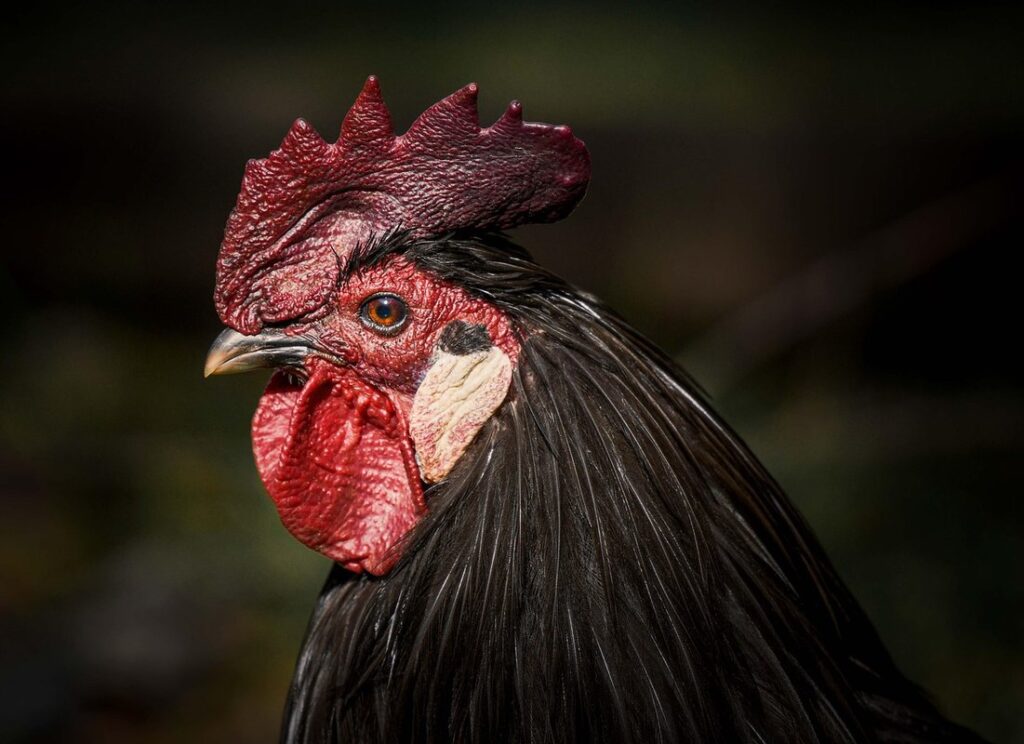
Understanding Rooster Behavior and Needs
When it comes to determining whether a rooster needs his own space, understanding their natural behavior and specific needs is crucial for making an informed decision. This includes factors like socialization, dominance, and overall well-being.
Recognizing Dominant Roosters
A dominant rooster is easy to spot, often displaying characteristics that can be intimidating for other birds. Typically, they are larger than their counterparts, with a more muscular build and prominent comb. Their aggressive behavior towards others is another telltale sign; they may chase or fight with fellow roosters in the flock.
Dominant roosters also tend to be highly assertive when it comes to mating. They will often seek out hens that are most fertile, making sure to fertilize their eggs first before other roosters get a chance. In some cases, they may even engage in aggressive behavior towards the hens themselves if they’re not receiving the attention or access to mating that they desire.
Identifying these characteristics can help you determine whether your rooster is dominant and potentially causing issues within the flock. If you notice any of these traits, it’s essential to intervene and consider separating them from other birds to maintain peace in the coop.
Identifying Submissive Roosters
Identifying submissive roosters is crucial when deciding whether to separate them from other birds. A submissive rooster will often exhibit specific behaviors around other birds. For instance, they may appear hesitant or cautious around dominant birds, avoiding direct confrontations whenever possible. Unlike aggressive roosters, submissive ones won’t engage in frequent squawking, posturing, or wing-flapping.
One key indicator of a submissive rooster is their lack of aggression towards other birds. They might even seem intimidated by smaller birds, cowering behind the dominant bird’s presence. You may notice them retreating to a safe distance when confronted with another rooster or hen, only returning once the coast is clear.
In many cases, submissive roosters will also display submission behaviors towards dominant birds. This can include lowering their head, spreading their tail feathers, or even bowing down slightly in an attempt to appease the dominant bird. Keep a close eye on your flock’s dynamics, observing how each bird interacts with one another. By recognizing these submissive traits, you’ll be better equipped to make informed decisions about separating roosters when necessary.
Understanding Rooster Flock Dynamics
In any flock of chickens, establishing dominance hierarchies is a natural process. Roosters play a crucial role in this dynamic, as they compete with each other for status and mating rights within the group. This competition often manifests through aggressive displays, such as crowing, strutting, and posturing. As roosters establish their pecking order, dominant birds will assert themselves over others, claiming prime resources like food and nesting sites.
A key aspect of understanding rooster flock dynamics is recognizing that individual personalities can greatly influence the hierarchy. Some roosters are naturally more aggressive or confident, while others may be more submissive or even timid. This variability can lead to conflicts within the flock, particularly if multiple roosters with differing personalities are housed together.
To manage rooster behavior and prevent stress on other birds, it’s essential to monitor their interactions closely. Look for signs of aggression, such as feather pecking, chasing, or persistent crowing. If you notice these behaviors escalating, consider separating the roosters to maintain a peaceful environment within your flock. By understanding and addressing rooster dominance hierarchies, you can promote harmonious relationships between birds and reduce stress on your farm or backyard flock.
Why Separate Roosters?
When deciding whether to separate roosters, it’s essential to consider their personalities and needs, as some may require more space and attention than others. Let’s explore why separating roosters can make a big difference in your backyard flock.
Benefits for Rooster Health and Well-being
Separating roosters can have a significant impact on their overall health and well-being. One of the primary benefits is reduced aggression. When multiple roosters are kept together, they often develop dominant-submissive relationships, leading to stress and potential fighting. By separating them, you can prevent these power struggles and create a more peaceful environment.
Reducing stress is also essential for maintaining rooster health. With fewer conflicts and less competition for resources, separated roosters tend to be less anxious and more content. This reduction in stress can lead to improved immune function, as the body’s energy is no longer diverted towards managing cortisol levels.
Separation can also help prevent disease transmission among roosters. By keeping them apart, you minimize the risk of airborne pathogens being transferred from one bird to another, which is particularly important for preventing respiratory infections and other contagious diseases.
In addition, separating roosters gives each bird more individual attention and space, allowing for better nutrition, exercise, and overall care. This tailored approach can lead to improved overall health and longevity for your roosters.
Reduced Aggression and Conflict
Separating roosters is often necessary for reducing aggression and conflict within the flock. When multiple males are housed together, they can engage in fierce competition for dominance, leading to stress and injury for both the birds and their human caregivers. In fact, research has shown that even with adequate space and resources, the presence of multiple males can increase aggression by as much as 30%.
By separating roosters, you can create a more peaceful environment where each bird is free to express itself without fear of attack or intimidation. This not only improves the birds’ overall well-being but also makes caring for them more manageable.
To reduce aggression and conflict in your flock, consider these practical tips:
* Monitor your birds’ behavior closely to identify signs of dominance or submission
* Separate aggressive roosters before conflicts escalate into full-blown battles
* Provide adequate space, shelter, and resources for each bird, including separate feeding areas
* Introduce new males slowly and under close supervision to prevent territorial disputes
Improved Productivity and Egg Quality
When you separate roosters from hens, you’ll often notice a significant improvement in their overall behavior and productivity. One of the most notable benefits is reduced stress levels among the hens. Without a dominant rooster to contend with, they can relax and focus on what’s truly important: laying eggs.
This newfound calm has a direct impact on egg quality. Hens that are less stressed tend to produce healthier, more consistently sized eggs. You’ll notice fewer cracked or misshapen eggs, which is a testament to the roosters’ presence in the flock.
In addition to better egg quality, separating roosters can also lead to increased productivity among hens. Without the constant distractions and rivalries that come with having multiple roosters, they’re able to lay more frequently and consistently. This boost in production is especially noticeable during peak breeding seasons when eggs are in high demand.
By providing a stress-free environment for your hens, you’ll be rewarded with better egg quality and increased productivity – a win-win situation for any backyard chicken keeper!
Signs That Roosters Need Separation
If you’re starting to notice aggressive behavior from your rooster, it’s essential to identify the signs that indicate separation is necessary for both his and your safety. Look out for warning signs like excessive crowing, territorialism, and feather pecking.
Aggressive Behavior Toward Humans or Other Animals
When you notice a rooster displaying aggressive behavior towards humans or other animals, it’s crucial to take immediate action and consider separating them from the flock. One of the most common warning signs is growling, which can escalate quickly into hissing or even attacking.
For instance, if your rooster becomes agitated when approached, such as by flapping its wings or puffing out its chest, this may be a sign that it’s about to attack. Another red flag is when it consistently displays aggressive behavior towards specific animals in the flock, like pecking at their backs or chasing them.
If you witness any of these behaviors, take steps to remove the rooster from the situation immediately and provide separate housing for it. In some cases, introducing a new bird to the flock can trigger aggressive behavior, so be cautious when making changes to your coop.
Keep in mind that every bird is different, but by recognizing these warning signs early on, you can prevent serious conflicts within your flock.
Aggression Between Roosters
Aggression between roosters is a common issue that can arise in multi-rooster households. To recognize aggression, look for signs of fighting, chasing, and mounting. Fighting may involve actual physical combat, with the roosters pecking or kicking each other. Chasing can be more subtle, with one rooster repeatedly pursuing another around the coop or run.
Mounting is often a sign of dominance, where one rooster tries to mate with another. This behavior can lead to stress and injury for both birds. If you notice any of these behaviors, it’s essential to intervene promptly to prevent further conflict. Start by separating the aggressive rooster from the others for a few days to give them a break and allow tensions to cool down.
Monitor their behavior closely during this time and reintroduce them gradually once they appear calm. It’s also crucial to identify the underlying cause of aggression, which could be due to dominance, mating instincts, or resource competition. Once you understand the root cause, you can take steps to address it and reduce aggression in your flock.
Stress-Induced Health Issues
Stress can have a devastating impact on rooster health. When roosters are subjected to chronic stress, they may develop behavioral problems such as feather pecking and cannibalism. Feather pecking occurs when roosters start pecking at each other’s feathers, often leading to bare spots and skin irritation. Cannibalism, on the other hand, involves roosters attacking each other, which can result in serious injuries.
In addition to behavioral problems, chronic stress can also lead to respiratory issues. Roosters under stress may exhibit labored breathing, wheezing, or coughing. This is often due to a compromised immune system that makes them more susceptible to diseases. Respiratory problems can be life-threatening if left untreated.
To prevent these health issues, it’s essential to identify the sources of stress in your flock and take steps to mitigate them. Provide a safe and comfortable environment for your roosters by ensuring adequate space, food, water, and veterinary care. Regularly monitor their behavior and intervene promptly if you notice any signs of stress or aggression. By taking proactive measures, you can help prevent these health issues and create a harmonious flock.
Separating Roosters: The Process
Now that you’ve decided it’s time to separate your roosters, let’s walk through the step-by-step process of safely and humanely separating them from each other.
Preparing for Separation
Preparing for separation is crucial to ensure a stress-free and safe transition for both roosters. Ideally, you should start preparing for this step at least 24-48 hours prior to the actual separation. First things first, introduce a new enclosure or separating area where the roosters will be kept apart. This new space should be identical in terms of size, lighting, and equipment to their current living quarters.
Provide each rooster with adequate food and water supply in both enclosures. This might require you to set up multiple feeding stations and watering points to avoid competition or fighting over resources. Additionally, ensure a smooth transition by keeping the same routine for both roosters, including daily exercise, social interaction (if possible), and enrichment activities.
Consider adding familiar scents or pheromones in the new enclosure to provide comfort to the rooster during this adjustment period. By doing so, you’ll minimize stress and help your rooster adjust to its new surroundings more quickly.
Implementing Separation Strategies
Separating roosters can be a delicate process, and implementing effective separation strategies is crucial for reducing stress and preventing conflicts. One of the most popular methods is separating roosters by age. This involves placing younger birds with older ones to allow them to mature and develop social skills together. For example, you can introduce a young rooster to a flock of hens and an established rooster.
Another effective approach is separating roosters based on size or breed. Larger roosters may intimidate smaller ones, leading to bullying behavior. By separating them, you can create a more harmonious environment within the flock. For instance, if you have a small bantam rooster that’s being bullied by a larger Cochin rooster, it’s best to separate them.
Visual barriers are also an excellent way to reduce stress and prevent conflicts. You can use fencing or mesh panels to create individual compartments for each rooster, allowing them to still see and interact with their flock members while minimizing direct contact. For example, you can place a young rooster in a separate section of the coop with a visual barrier between him and the rest of the flock.
When implementing separation strategies, it’s essential to consider the specific needs and personalities of each bird. By taking these factors into account, you can create a more peaceful and harmonious environment for all your roosters.
Monitoring Rooster Behavior Post-Separation
Monitoring rooster behavior post-separation is crucial to ensure their successful integration into their new environment. After separating roosters, it’s essential to observe their behavior closely for the first few days. This will help you identify if they’re adapting well or if there are any issues.
Some signs that a rooster may be struggling include aggression towards other chickens, pacing back and forth in his enclosure, or vocalizing excessively. If you notice these behaviors, it’s best to intervene promptly by providing more space, introducing calming aids like pheromone sprays, or rearranging the layout of their living area.
On the other hand, a rooster that’s adapting well will generally display relaxed behavior such as exploring his new surroundings, interacting with his flockmates, and engaging in natural behaviors like foraging. Keep an eye on your roosters’ individual personalities and adjust their environment accordingly to ensure they’re thriving post-separation. By closely monitoring their behavior, you can prevent problems from arising and create a harmonious living situation for all birds.
Long-Term Considerations for Separated Roosters
When separating roosters, it’s essential to consider their long-term needs and behavior changes, such as dominance struggles and reproductive habits. This can impact their well-being and social dynamics within the flock.
Providing Adequate Housing and Care
When you separate roosters, it’s essential to provide them with adequate housing and care. A safe enclosure is a must-have to prevent injuries and stress caused by fighting or escaping. The enclosure should be spacious enough for the rooster to move around comfortably, with adequate ventilation and protection from harsh weather conditions.
A nutritious diet is also crucial for maintaining your rooster’s health. Provide high-quality layer feed or a balanced pellet specifically formulated for chickens. Supplement their diet with fresh fruits and vegetables daily to ensure they get essential vitamins and minerals. Remember to provide access to clean water at all times, and consider using a waterer that prevents contamination.
Regular health checks are also vital when caring for separated roosters. Check their overall condition, looking for signs of illness or injury, such as changes in droppings, appetite, or feather condition. Consult with a veterinarian if you notice any unusual symptoms to prevent the spread of disease and ensure your rooster receives prompt medical attention.
Make sure to provide adequate perches for roosters to exercise their muscles and stretch their wings. A dust bath area is also essential for keeping them clean and preventing parasites. With proper housing, nutrition, and health checks, you can help your separated roosters live a happy and healthy life.
Ensuring Socialization and Enrichment
Separated roosters need mental and physical stimulation to thrive. Introduce new toys regularly to keep them engaged, such as swings, ladders, and treat-dispensing puzzles. Rotate these toys every few days to prevent boredom and stimulate exploration.
Provide multiple perches of varying heights and textures for roosting and climbing. This will allow them to exercise their natural behavior of seeking secure roosting spots.
Socialization is also crucial. If possible, keep the separated rooster with other birds in a nearby enclosure or introduce him to other birds under close supervision. Gradually increase exposure time as they become familiar with each other’s presence and sounds.
Some examples of social companions include friendly hens, ducks, or even smaller birds like finches or canaries. However, ensure that all birds are compatible and not competing for resources.
Consider enriching activities such as offering a variety of fruits and vegetables to explore, providing scratching posts or mats, or creating a sensory experience with herbs like mint or lemongrass.
Managing Rooster Breeding Programs
Managing rooster breeding programs is crucial for maintaining a healthy and diverse flock. When deciding to separate a rooster, it’s essential to consider the impact on your breeding program. This includes selecting suitable breeds that align with your goals, whether you’re focused on egg production, meat quality, or heritage preservation.
To ensure genetic diversity, it’s vital to maintain accurate records of each bird’s ancestry and genetic makeup. This information will help you make informed decisions about which roosters to breed together, reducing the risk of inbreeding and related health issues.
Consider implementing a breeding plan that includes a mix of local and exotic breeds to promote genetic diversity. For example, if you’re working with a small flock of heritage chickens, introducing a few modern breeds can help introduce new traits and characteristics while maintaining traditional qualities.
By managing your rooster breeding program thoughtfully, you’ll not only preserve the integrity of your flock but also create a more resilient and adaptable population that can thrive over time.
Frequently Asked Questions
Can I separate just one rooster, or do all dominant roosters need to be separated?
No, separating just one rooster may not be effective if the issue is with multiple roosters vying for dominance. It’s often best to separate all dominant roosters, especially if you have a large flock and want to reduce aggression and stress.
How long after separating roosters can I expect to see improvements in health and productivity?
Improvements in health and productivity can be seen relatively quickly, usually within 2-4 weeks of separation. However, it’s essential to continue monitoring your roosters’ behavior and adjust their living arrangements as needed to ensure a harmonious flock.
What if separating roosters creates a gap in egg production or causes problems with my breeding program?
If you’re concerned about the impact on egg production or your breeding program, consider introducing younger, more submissive roosters to the main flock. This can help maintain productivity while minimizing aggression and stress. It’s also crucial to monitor and adjust as needed.
Can I mix roosters from different breeds when separating them, or should they be kept separate by breed?
While it’s generally best to keep roosters of the same breed together for breeding purposes, mixing roosters from different breeds can work if introduced slowly and under close supervision. However, be aware that introducing new birds can lead to stress and potential aggression.
What are some tips for ensuring a smooth transition when separating multiple roosters?
To ensure a smooth transition, prepare separate enclosures with adequate housing, food, and water before separating the roosters. Also, monitor their behavior closely during and after separation, making adjustments as needed to maintain a peaceful flock environment.