
Are you looking for a unique way to protect your farm or property? Integrating geese and chickens as guardians can be a surprisingly effective solution. Not only do these birds make great watchdogs, but they also have some wonderful benefits when kept together in harmony. When done right, this partnership can provide a secure perimeter, control pests, and even offer entertainment for the whole family. But what makes it work? Choosing the right breeds, providing adequate space, and managing flock dynamics are all crucial elements to consider. In this article, we’ll explore the ins and outs of guarding geese with chickens, covering breed selection, habitat requirements, and tips for maintaining a harmonious and protective partnership on your property.
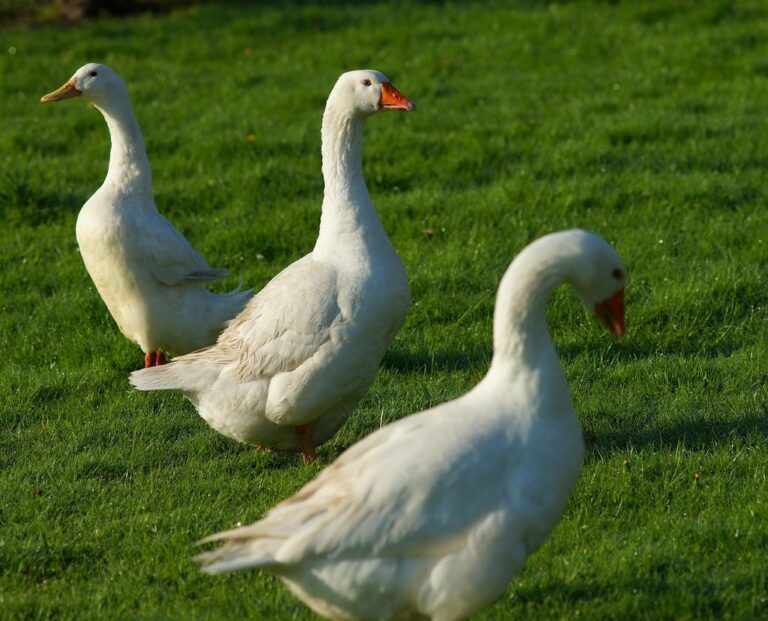
Benefits of Integrating Geese and Chickens
Integrating geese and chickens on your farm can have several benefits, including reduced predation and stress for both species. Let’s explore how this harmonious relationship works in more detail.
Introduction to Fowl Guardianship
As you consider integrating geese and chickens into your farm or property, one of the most significant benefits is their ability to serve as effective guardians. These birds have a natural inclination to detect potential threats and alert others when danger is near. Geese, in particular, are known for their loud hissing and honking sounds that can startle even the most determined predators.
Chickens also play a crucial role in this guarding dynamic. With their keen senses and vigilant nature, they can quickly pick up on any unusual activity around the property. When combined with geese, chickens create a formidable defense system that’s hard for predators to penetrate. For example, a study found that farms with both geese and chickens experienced significantly fewer predator attacks than those with either bird alone.
By integrating these two species, you can enjoy peace of mind knowing your farm or property is protected from potential threats. To make the most of this guarding system, ensure that both geese and chickens have adequate space to roam and forage, allowing them to maintain their natural vigilance.
Effective Pairings: Choosing the Right Breeds
When it comes to integrating geese and chickens for guarding purposes, choosing the right breeds is crucial. While both species have unique characteristics that make them effective guardians, some pairs work better together than others.
For example, if you’re looking to protect a large property or farm, consider pairing a Toulouse goose with a Plymouth Rock chicken. The Toulouse goose’s assertive nature and loud honking will deter predators from approaching the area, while the Plymouth Rock chicken’s friendly yet vigilant personality will help keep an eye out for any potential threats.
On the other hand, if you’re protecting a smaller backyard or homestead, a Chinese goose paired with a Leghorn chicken may be a better fit. The Chinese goose is known for its gentle nature and compact size, making it an ideal choice for urban or suburban settings, while the Leghorn’s high energy levels will help keep them active and alert to potential threats.
Ultimately, when selecting breeds, consider your specific needs and the terrain of your property. Pairing breeds with complementary characteristics will create a formidable guarding duo that will keep your property safe from predators.
Understanding Geese Behavior and Needs
To effectively guard geese with chickens, it’s essential to understand the behavior and needs of these birds, which can vary significantly from those of your typical backyard chicken. Let’s explore their unique characteristics.
Learning from Nature: Geese Social Structure
Geese are highly social animals that live in complex communities, and understanding their social structure is key to appreciating their guarding abilities. In the wild, geese typically form long-term monogamous relationships, with pairs staying together for many years. These pairs often become the foundation of a larger family group, which may include multiple generations.
As a guardian animal, geese rely on their social bonds and communication skills to alert other members of their flock to potential threats. By observing the behavior of wild geese, we can see how they use vocalizations, body language, and even visual displays to warn others of predators or intruders. This complex social structure is a crucial aspect of their ability to guard territory and protect their young.
In fact, research has shown that goose families are able to deter predators more effectively when they have a strong social bond and are able to communicate clearly with one another. By recognizing the importance of geese’ social structure in guarding behavior, we can better understand how they interact with chickens and other animals on our farms or homesteads. This knowledge will help us create harmonious coexistence between different species, ultimately enhancing their ability to protect their territory together.
Providing Adequate Space and Housing
When it comes to providing for your geese’s needs, space and housing are top priorities. Adequate room to roam not only keeps them healthy but also helps reduce stress caused by confinement. For a flock of five or more, ensure you have at least 10 square feet per bird inside the enclosure, with additional outdoor space where they can exercise freely.
Consider using enclosures made from durable materials like wood or metal that are easy to clean and maintain. A simple coop design can work for smaller flocks, but larger groups require a more spacious setup with multiple rooms or sections.
For shelter options, a three-sided shed or lean-to is an excellent choice as it protects the flock from harsh weather conditions while allowing for airflow. The structure should be predator-proofed to safeguard against foxes and coyotes. Additionally, include nesting boxes near roosting areas to help with breeding and laying eggs.
Regularly inspect the housing to ensure it remains in good condition and meets your geese’s evolving needs. A well-designed and spacious enclosure helps maintain a healthy flock while promoting positive interactions between geese and chickens.
Integrating Geese with Existing Flocks
When introducing geese to your existing flock, timing and preparation are crucial for a harmonious integration. You’ll want to carefully consider factors like size, temperament, and breed compatibility.
Introducing Geese to Established Chicken Flocks
When introducing geese to an established chicken flock, it’s essential to do so gradually to prevent stressing out either group. Start by keeping the geese separate from the chickens for a few days to allow them to get accustomed to each other’s sounds and presence without the risk of direct interaction.
Begin with short introductions under close supervision, starting with visual introductions where both groups can see each other but remain separated by a barrier. Monitor body language closely; if either group appears tense or aggressive, it’s best to slow down the integration process.
As you progress, allow them to spend more time together in the same enclosure while keeping a watchful eye out for signs of stress or aggression. Watch for dominant behaviors such as chasing or pecking, and take steps to intervene if necessary.
In general, introducing geese to an existing chicken flock requires patience and careful observation. By doing so gradually, you can help prevent potential conflicts and ensure a harmonious coexistence between both groups.
Managing Flock Dynamics: Strategies for Harmony
When integrating geese into an existing flock of chickens, it’s essential to consider the dynamics between the two species. Geese are natural guardians and can be protective of their space, which may lead to conflicts with chickens if not managed properly.
To maintain harmony within the flock, establish a clear pecking order by introducing geese to the existing chicken flock gradually. Start by keeping them in separate enclosures for a few days, allowing them to become familiar with each other’s presence and sounds without direct interaction. Once you feel they’re ready, release them into a shared area under close supervision.
Monitor their behavior closely and intervene if necessary to prevent any potential conflicts. Geese are social animals and thrive on interaction; providing enough space for them to roam freely can also help reduce stress and aggression towards the chickens.
By implementing these strategies, you can create a harmonious environment where both geese and chickens coexist peacefully, allowing your flock to benefit from each other’s unique characteristics and abilities.
Chickens as Helpers: How They Support Geese
When it comes to safeguarding your geese, chickens can be a wonderful addition to the flock, providing vital support and companionship. In this section, we’ll explore their helper roles in detail.
Observing and Learning from Chicken-Geese Interactions
When left to their own devices, chickens and geese can develop a fascinating dynamic. Chickens, being naturally curious creatures, often observe and learn from the behaviors of their geese companions. This process is particularly interesting when it comes to guarding and protecting their surroundings.
Chickens may initially be hesitant to engage with aggressive predators, but by observing how geese respond to threats, they can learn valuable lessons on vigilance and defense. In fact, a study conducted at a UK farm found that chickens were more likely to sound the alarm when a predator was present if they had been observed watching their geese colleagues react to similar situations.
To encourage this type of learning in your flock, try placing them together in the same enclosure or paddock for extended periods. This will give the chickens ample opportunity to observe and learn from their geese companions’ behaviors, ultimately leading to enhanced protection and vigilance when it comes to guarding the flock.
Encouraging Cooperation: Strategies for Success
Encouraging cooperation between chickens and geese is key to effective guarding. To foster this relationship, start by introducing them slowly and under close supervision. Chickens are naturally curious, so let them explore the goose’s territory without feeling threatened.
Reward good behavior with treats when you observe your chickens displaying protective instincts towards the geese. For instance, if a chicken chases away a predator, immediately give it a treat to reinforce its actions. Consistency is crucial; stick to this reward system and avoid mixing up the cues to prevent confusion.
As your flock develops trust in each other, consider creating a routine where chickens accompany geese during feeding or exercise times. This shared activity can strengthen their bond and help them anticipate potential threats. Monitor their interactions closely and adjust your approach as needed. By doing so, you’ll be encouraging cooperation that will benefit both species, ensuring the well-being of your entire flock.
Common Challenges and Solutions
Now that you’ve set up a harmonious flock, let’s tackle some common issues that might arise when using chickens as goose guardians. We’ll walk through potential problems and practical solutions to keep your feathered friends happy and safe.
Overcoming Aggression or Fear Issues
When integrating geese with chickens, it’s not uncommon to encounter aggression or fear issues. Geese can be naturally protective of their territory and flock, which may lead them to attack the chickens initially. To overcome this challenge, it’s essential to introduce the two species slowly and under close supervision.
Start by keeping the geese and chickens separated at first, allowing them to become familiar with each other’s sights, sounds, and scents through a fence or divider. Gradually increase their interactions over time, monitoring their behavior for signs of aggression or fear. If you notice any aggressive behavior, intervene promptly by separating the birds and rewarding calm behavior.
Establishing a clear pecking order is also crucial in preventing conflicts between geese and chickens. Make sure to provide separate areas for feeding, roosting, and dust bathing to minimize competition and stress. With patience, consistency, and proper management, you can successfully integrate your geese and chickens, creating a harmonious and thriving flock.
Troubleshooting: Identifying and Resolving Problems
Identifying potential problems is crucial to maintaining a harmonious and protective flock. A common issue arises when introducing chickens to existing geese flocks. Geese may view the new additions as intruders, leading to aggression. Monitor their behavior closely during this transition period, and separate them if necessary.
Another challenge you might encounter is inadequate space for both species to roam freely. Ensure your enclosure provides sufficient room for both birds to exercise and engage in natural behaviors. A minimum of 2 square feet per chicken and 10 square feet per goose is recommended.
Inadequate nutrition can also lead to problems within the flock. Make sure both geese and chickens have access to a balanced diet, including fresh fruits and vegetables. Rotate their food sources regularly to prevent boredom and nutrient deficiencies.
Regular health checks are essential to detect any potential issues early on. Inspect your birds daily for signs of illness or injury, such as labored breathing or excessive drooping. Consult a veterinarian experienced in caring for both species if you suspect an issue.
Long-Term Success and Maintenance
Now that you’ve successfully introduced your geese-guarding flock, it’s time to think long-term: how will you maintain their behavior over time? This is where training and habituation come into play.
Ongoing Care and Management Tips
Ongoing care and management of your geese and chicken flock is crucial for maintaining their health and well-being. As they continue to grow and thrive together, it’s essential to monitor their behavior, appetite, and physical condition closely.
Regular checks on their coop and run are necessary to ensure that your birds have a safe and clean living environment. Make it a habit to inspect the nesting boxes, perches, and feeding areas daily for any signs of wear or damage. Keep an eye out for droppings and debris accumulation, which can attract pests and spread diseases.
Keep accurate records of your flock’s health, including vaccination schedules, deworming treatments, and any medical issues that arise. This will help you track patterns and make informed decisions about their care. Consult with a veterinarian experienced in poultry care if you notice any unusual behavior or symptoms.
By staying vigilant and proactive in monitoring the health and well-being of your geese and chicken flock, you’ll be better equipped to address potential problems before they become serious issues, ensuring the long-term success and maintenance of your guarding flock.
Sustaining the Partnership: Strategies for Continued Success
As you’ve successfully integrated geese and chickens into your farm or property, it’s essential to maintain their partnership for long-term success. One of the primary goals is to ensure continued protection against potential predators, while also promoting harmony among your flock.
To sustain this partnership, focus on providing an environment that supports their natural behaviors and instincts. For instance, make sure geese have adequate space to roam and patrol the perimeter of your property, allowing them to alert you to any potential threats. Similarly, chickens need access to safe zones where they can retreat if needed.
Regular monitoring is also crucial in maintaining a harmonious relationship between geese and chickens. Watch for signs of stress or aggression in either species and address these issues promptly through behavioral modification techniques or adjusting their living arrangements as necessary.
To further encourage a strong partnership, consider implementing measures such as shared feeding areas, communal nesting sites, or even rotating the groups’ daily routines to foster mutual understanding and respect among the animals.
Frequently Asked Questions
What if my geese are not getting along with the chickens, and I notice aggression towards each other?
Yes, it’s common for flocks to require some time to adjust to each other’s presence. Start by separating them initially and gradually introducing them to the same area under close supervision. Watch body language and behavior; intervene promptly if you notice signs of stress or aggression. With patience and careful management, they should learn to coexist peacefully.
Can I integrate geese into an existing flock that has been established for some time?
It’s possible but requires careful planning. Introduce new geese gradually, starting with visual introductions (keeping them in sight but separated) before allowing them to interact face-to-face under close supervision. Monitor the behavior of both groups closely and intervene if necessary to prevent conflicts.
How can I ensure that my geese are providing adequate protection, especially at night when visibility is limited?
Ensure your geese have enough space to move around freely and a clear path for patrol routes. Also, consider using lighting or motion-sensitive systems to enhance nighttime surveillance capabilities. Keep in mind that their alerting mechanisms often rely on visual cues rather than auditory ones.
What are some signs of successful integration between geese and chickens?
Look out for increased social interaction among flock members, like grooming or exploratory behaviors together. Also, monitor the overall stress levels within both groups; a harmonious partnership should result in reduced stress, as evidenced by active participation in foraging, resting, and engaging in natural behaviors without signs of fear.
Can I integrate ducks into my existing geese-chicken flock, or will this create too much chaos?
It’s not recommended to introduce a new species (ducks) to an already established goose-chicken flock unless you’re prepared to monitor their interaction closely. Ducks have different needs and social structures than chickens and geese; integrating them may cause tension or even predation issues among your birds.