
When it comes to raising healthy and productive quails, providing them with the right nutrition is crucial. One critical aspect of their diet is protein content in their feed. Quail owners often struggle to determine the ideal protein levels for their flock, which can lead to stunted growth, reduced egg production, or even health issues. The industry standard for quail feed typically recommends a specific range of protein percentages, but what does this really mean? In this article, we’ll break down the importance of protein in quail feed and provide you with actionable advice on how to create a balanced formulation that meets your flock’s needs. We’ll also delve into the specifics of industry standards and help you make informed decisions about protein levels for optimal health and productivity in your quail farm or backyard coop.
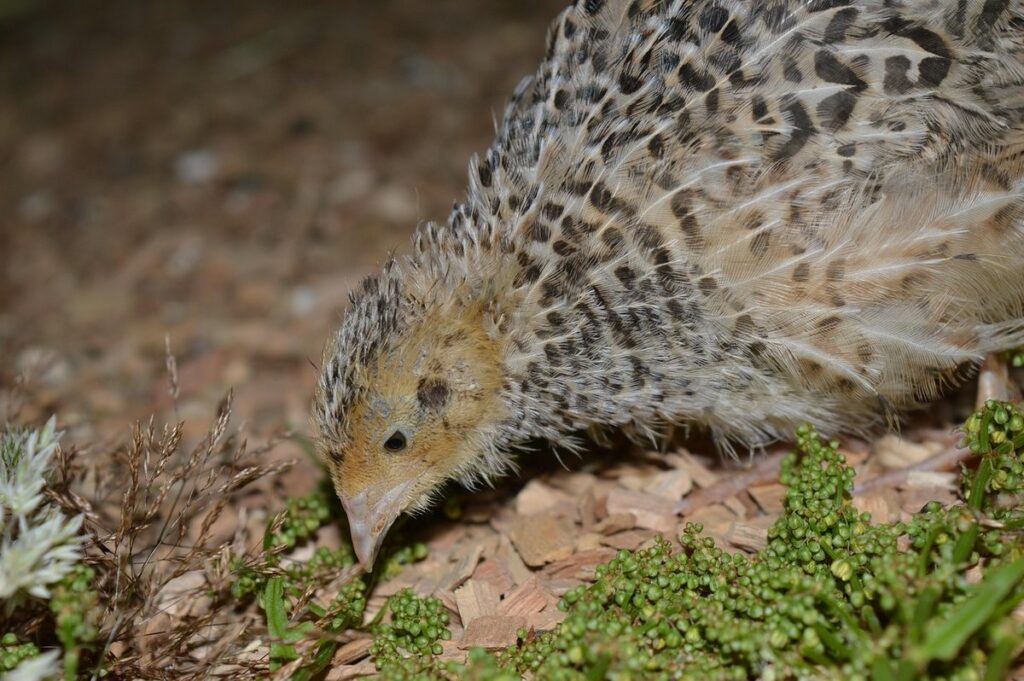
Importance of Proper Protein Levels in Quail Feed
Understanding the ideal protein levels for quails is crucial for their optimal growth and health, which we’ll delve into further in this section. Let’s explore what it takes to raise healthy quails.
Meeting the Nutritional Needs of Quails
Quails have specific dietary requirements to meet their nutritional needs. They require essential amino acids such as methionine, lysine, and histidine, which are crucial for growth, reproduction, and overall health. These amino acids cannot be produced by the quail’s body and must be obtained from their feed.
To ensure quails receive adequate nutrition, it is recommended to provide a balanced diet that meets their daily protein requirements. The ideal protein level in quail feed varies depending on factors such as age, sex, and production stage. For example, growing quails require 16-18% protein, while laying quails need around 14-15%.
Meeting the nutritional needs of quails is crucial for maintaining optimal health and productivity. When quails are fed a diet that is deficient in essential amino acids, it can lead to stunted growth, reduced egg production, and increased mortality rates. On the other hand, providing a balanced feed with sufficient protein levels can improve eggshell quality, increase fertility, and enhance overall well-being.
Aim for a daily protein intake of 1-2% of the quail’s body weight to ensure they are getting enough amino acids. For instance, if you’re feeding a 100g quail, it requires around 1-2 grams of protein per day. Consider using a feed with a balanced amino acid profile that meets your quails’ specific needs to maintain optimal health and productivity.
Understanding Quail Feed Formulations
When it comes to feeding your quails, you have two main options: commercial feeds and homemade mixes. Commercial quail feed is a convenient option that provides a balanced formulation of nutrients, including proteins, vitamins, and minerals. However, not all commercial feeds are created equal, and some may contain fillers or by-products that can be detrimental to your birds’ health.
On the other hand, making your own homemade quail feed mix can give you more control over the ingredients and their proportions. This option allows you to choose the specific nutrients and protein levels that meet your quails’ needs. To create a balanced homemade mix, you’ll need to include a combination of grains, proteins, and supplements.
Some examples of ingredients you might use in a homemade quail feed mix include oats, wheat, barley, soybean meal, sunflower seeds, and calcium carbonate. When creating your own mix, it’s essential to consult with a veterinarian or poultry expert to ensure that the formulation meets your birds’ protein requirements and provides a balanced diet.
When choosing a commercial feed or making your own homemade mix, remember to follow these key principles: use high-quality ingredients, balance the formulation to meet protein requirements, and avoid fillers and by-products whenever possible.
Current Protein Levels in Commercial Quail Feed
As you evaluate commercial quail feed, it’s essential to understand current protein levels and how they impact your birds’ growth and health. Let’s take a closer look at what these levels typically consist of.
Industry Standards and Recommendations
In the quail feed industry, protein levels are carefully monitored and regulated to ensure optimal growth and health of these birds. The National Research Council (NRC) sets forth guidelines for protein levels in quail feed, recommending a minimum of 18% crude protein for starter diets and 16% for finisher diets. These recommendations take into account the unique nutritional needs of quails at different stages of their life cycle.
The Association of American Feed Control Officials (AAFCO) also provides industry standards for protein levels in quail feed, aligning with the NRC’s guidelines. When it comes to commercial feed production, adhering to these standards is crucial to ensure that quails receive a balanced diet. This involves selecting ingredients that meet or exceed these recommended protein levels.
To put this into practice, feed manufacturers can consider using high-protein grains like soybean meal or corn gluten meal in their formulations. By doing so, they can create quail feeds that not only meet but also exceed industry standards for protein content.
Impact of Inconsistent Protein Levels on Flocks
Inconsistent protein levels in commercial quail feed can have severe consequences on flock health and productivity. Research has shown that inadequate protein intake can lead to reduced egg production, increased mortality rates, and decreased overall performance in quails. For instance, a study conducted by the University of California found that quails fed with low-protein diets experienced a significant decline in egg weight and production.
Protein levels below 15% can cause stress and fatigue in quails, making them more susceptible to diseases. On the other hand, excessive protein intake above 20% can lead to kidney damage and other health issues. It’s essential for quail farmers to ensure that their feed meets the nutritional needs of their flock. A balanced protein level between 16-18% is generally recommended. To maintain consistent protein levels, farmers should regularly monitor the nutrient content of their feed and adjust it according to the age, sex, and breed of the quails.
By doing so, they can prevent inconsistent protein levels from affecting their flocks’ health and productivity. Regular monitoring and adjustments will also help farmers avoid costly losses due to reduced egg production or increased mortality rates.
The Effects of Over- or Under-Proteinization
Understanding how protein levels affect your quail’s health is crucial, as it can greatly impact their overall well-being and performance in the long run. This section explores the consequences of over- or under-proteinization.
Consequences for Quails’ Health and Growth
Consuming too much protein can lead to significant health issues and growth problems for quails. High-protein diets have been linked to kidney damage, gout, and liver dysfunction in various studies. Excessive nitrogen excretion due to high protein consumption can also cause ammonia poisoning. This can be particularly problematic in young quails, which are more sensitive to nutritional imbalances.
In contrast, under-proteinization can result in reduced growth rates, weakened immune systems, and increased susceptibility to disease. Quails require a balanced diet that meets their specific protein needs at different stages of development. A lack of sufficient protein can hinder muscle development, leading to stunted growth and poor performance.
Feed manufacturers must carefully balance protein levels in quail feed formulations. The ideal protein content for starter diets is around 18-20% for young quails, while finisher diets typically require less (15-17%). It’s essential for farmers and breeders to work closely with their suppliers or conduct regular protein level checks to ensure their quails receive the optimal amount of protein for optimal health and growth.
Long-Term Implications for Flock Management
If you’ve been over- or under-proteinizing your quail feed for an extended period, it’s essential to consider the long-term implications on flock management. Prolonged exposure to suboptimal protein levels can lead to various issues that may seem insignificant at first but ultimately affect the overall health and productivity of your birds.
For instance, frequent over-proteinization can cause excessive growth rates, potentially leading to joint problems and an increased risk of mortality. On the other hand, under-proteinization can result in stunted growth, reduced egg production, and compromised immune function. Both scenarios can lead to decreased flock performance and increased susceptibility to disease.
To mitigate these long-term effects, it’s crucial to monitor your quail feed protein levels regularly and adjust them accordingly. Implementing a balanced feed formulation that meets the nutritional requirements of your birds is key. Regular health checks and maintaining optimal living conditions will also help minimize the risks associated with suboptimal protein levels. Additionally, consider incorporating gradual changes when making adjustments to your feed formulation to avoid sudden shocks to your flock’s system.
Factors Affecting Protein Requirements
When determining protein levels for quail feed, it’s essential to consider various factors that can impact nutritional needs and overall health of your birds. Let’s break down these key influences together.
Breed-Specific Needs and Differences
When it comes to quail feed protein levels, breed-specific needs and differences cannot be overstated. Different breeds of quails have unique characteristics that affect their protein requirements. For instance, some breeds like the Japanese Coturnix are bred for high egg production, requiring a diet rich in protein to support their rapid growth rate and egg-laying capabilities.
On the other hand, smaller breeds such as the Button or Old English Quail require less protein due to their slower growth rates and lower egg production. It’s essential to consider these breed-specific differences when formulating quail feed to ensure optimal nutrition. For example, a breeder of Japanese Coturnix may need to provide 20-22% protein in their feed to support the high demand for egg production.
To determine the right protein level for your quails, research the specific needs of your breed and adjust accordingly. A general rule of thumb is to start with a higher protein level (around 18-20%) and gradually decrease as the birds mature. This approach will help you find the perfect balance between protein intake and overall health.
Age-Related Changes in Protein Requirements
As quails mature from chicks to adults, their protein requirements undergo significant changes. This is due to variations in growth rates and body composition at different life stages. Chicks have a higher growth rate compared to young adult quails, requiring more protein-rich feed to support muscle development. The National Research Council recommends that chicks be provided with 18-20% crude protein levels in their starter feed.
As quails grow into adults, their protein requirements decrease due to a slower growth rate and changes in body composition. Adult quails require around 15-17% crude protein levels in their maintenance diet. It’s essential to transition quail flocks from starter feeds with high protein content to finisher or laying rations with lower protein levels to prevent overfeeding and minimize waste.
Feeding strategies should be tailored according to the age and life stage of your quails. For example, providing a higher-protein feed during the grow-out period (around 4-6 weeks) can optimize growth rates. On the other hand, reducing protein levels in the feed as quails approach maturity can help prevent excessive nitrogen excretion and promote better overall health.
Best Practices for Quail Feed Formulation
When it comes to formulating quail feed, getting the protein levels just right is crucial. Here are some essential best practices to ensure you’re providing your birds with a balanced and nutritious diet.
Choosing the Right Ingredients and Proportions
When it comes to formulating homemade quail feed, selecting the right ingredients is crucial. You’ll want to focus on nutrient-dense options that provide a balanced mix of protein, carbohydrates, and essential vitamins and minerals.
Start by choosing high-quality protein sources like soybean meal, fishmeal, or sunflower seed meal. These ingredients are not only rich in protein but also cost-effective. However, ensure you balance the protein levels with other nutrients to prevent over-proteinization. A general rule of thumb is to aim for 20-25% protein on a dry matter basis.
In addition to protein sources, consider adding complex carbohydrates like oats or barley to provide sustained energy for your quails. Don’t forget to include essential vitamins and minerals such as calcium, phosphorus, and vitamin D3. You can source these ingredients from reputable suppliers or local feed stores.
When formulating your homemade quail feed, remember that small changes in ingredient proportions can have a significant impact on overall nutrient levels. Be sure to monitor the nutritional profile of your feed regularly and adjust ingredient ratios as needed.
Monitoring Flock Response to Feed Changes
Monitoring flock response to changes in protein levels is crucial for maintaining optimal health and production. Regular assessments can help identify areas where feed formulation adjustments are necessary. Start by closely observing the birds’ overall performance, including weight gain, feather condition, and egg production (in laying quails). Note any significant deviations from expected norms.
To effectively monitor flock response, implement a system of regular checks on key performance indicators (KPIs) such as feed intake, water consumption, and fecal quality. Monitor the birds’ energy levels, looking for signs of lethargy or stress, which may indicate an imbalance in protein levels. Consider implementing a trial-and-error approach to test new feed formulations under controlled conditions.
For example, you can split your flock into two groups, one receiving the adjusted feed and the other continuing with the original formulation. This will allow you to compare the effects of the change on both groups simultaneously. By doing so, you’ll be able to identify any negative impacts or improvements in performance that may result from changes to protein levels.
Future Directions and Research Needs
As we conclude our exploration of optimal quail feed protein levels, let’s examine the emerging research frontiers that will shape future practices. What do experts recommend for advancing quail nutrition?
Emerging Trends in Quail Nutrition
As we delve into the world of quail feed protein levels, it’s essential to acknowledge emerging trends in quail nutrition research that will shape our understanding of these requirements. One such trend is the growing interest in plant-based protein sources for quails. Recent studies have shown promising results using alternative proteins like pea and canola meal as primary protein sources. For instance, a study published in the Journal of Poultry Science found that incorporating 20% pea protein into quail feed improved growth rates and overall performance.
Another trend gaining momentum is the use of microorganisms to enhance nutrient availability in quail feeds. Probiotics and prebiotics are being explored for their potential to improve gut health, boosting immunity and digestion in quails. This approach not only benefits bird welfare but also reduces waste and environmental impact. For example, researchers have found that adding Bacillus subtilis to quail feed can increase protein utilization efficiency by up to 15%.
In the near future, expect more studies on the optimal combination of plant-based proteins, microorganisms, and other novel ingredients in quail feeds. This research will likely lead to improved formulations that balance nutritional requirements with sustainability and animal welfare considerations.
Addressing Knowledge Gaps through Continued Research
As we conclude our comprehensive guide to quail feed protein levels, it’s essential to acknowledge that there is still much to be discovered in this field. Despite the wealth of information available, researchers and producers continue to grapple with optimal protein levels and formulations for quail flocks. In fact, a study published in the Journal of Applied Poultry Research found that even small variations in protein levels can significantly impact quail growth rates and mortality.
To address these knowledge gaps, continued research is crucial. We must explore new sources of protein, such as plant-based alternatives, and investigate their effects on quail health and productivity. Additionally, more studies are needed to determine the ideal protein-to-energy ratio for different age groups and breeds of quails. By doing so, we can refine our understanding of quail nutrition and develop feed formulations that meet the unique needs of these birds.
By investing in ongoing research, producers can improve overall flock health and productivity, ultimately leading to increased efficiency and profitability. We encourage you to stay up-to-date with the latest developments in quail nutrition and consider participating in or supporting future research initiatives to help bridge the knowledge gap.
Frequently Asked Questions
What are some common mistakes quail owners make when it comes to protein levels in their feed?
One of the most common mistakes is not regularly monitoring the flock’s response to changes in protein levels, which can lead to inconsistent growth and health issues. It’s essential to implement a monitoring system to track the flock’s performance and adjust protein levels accordingly.
How do I know if my quails are getting enough protein from their feed?
To ensure your quails are receiving adequate protein, you should consider conducting regular fecal samples or blood tests to check for signs of nutrient deficiencies. You can also monitor egg production, feather quality, and overall health indicators such as weight gain.
What’s the recommended approach for introducing a new quail feed with different protein levels?
When changing feeds, it’s crucial to gradually transition your flock to the new formulation over a period of 7-10 days. This allows their digestive system to adjust and minimizes any potential disruptions in growth or health.
Can I use generic formulas from other bird species for my quails, or do I need specialized feed?
No, you should not use feeds formulated for other birds like chickens or turkeys, as they have different nutritional requirements and protein profiles. Quail-specific feeds are designed to meet their unique needs, so it’s essential to choose a feed specifically formulated for your flock.
How often should I reassess my quails’ dietary needs based on changes in breed, age, or environmental conditions?
You should reassess your quails’ dietary needs every 2-3 months, considering factors such as breed-specific requirements, age-related changes, and seasonal adjustments. This ensures you’re providing the optimal nutrition for their growth and health throughout different life stages.