
If you’re a poultry farmer or backyard chicken enthusiast, you know how vulnerable your flock can be to predators. From foxes and coyotes to hawks and owls, there are plenty of threats lurking in the shadows. But what if I told you that geese could be the guardians you need to protect your poultry? These majestic birds have a long history of defending their territory against all sorts of threats, and with the right breed and training, they can be an effective deterrent for predators. In this article, we’ll explore how to use geese as natural guards for your flock, including suitable breeds, training methods, and real-world examples of successful implementations. We’ll also dive into the benefits of having geese on your farm or property, so keep reading to learn more about these incredible birds!
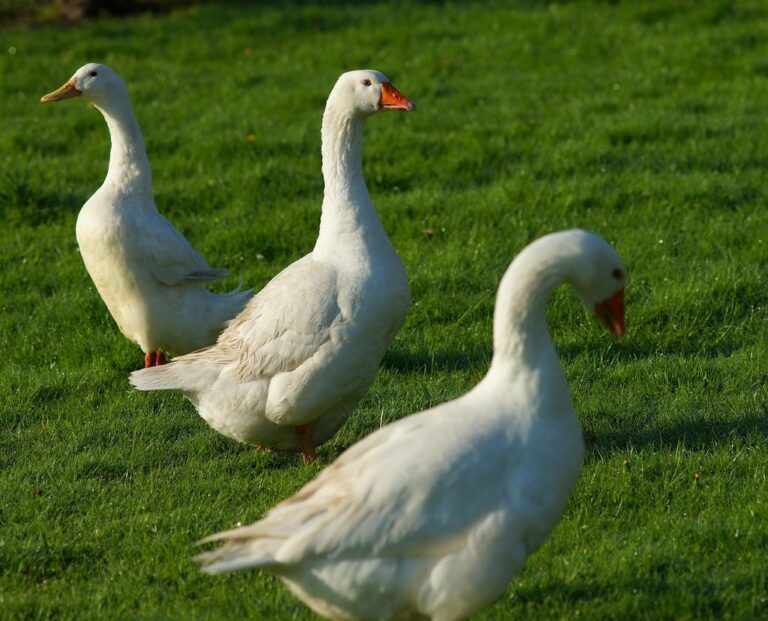
The Importance of Guardian Animals in Poultry Farming
Geese are increasingly being used as guardian animals on poultry farms to protect against predators, and their effectiveness is undeniable. In this next part, we’ll explore the benefits of using geese as a defense system for your flock.
Natural Protection Mechanisms
One of the most compelling reasons to consider geese as guardians for your poultry flock is their natural protection mechanisms. Geese have an innate ability to defend themselves and their territory, making them a formidable force against predators.
This instinctual behavior is rooted in their wild ancestors’ survival strategies, where they had to protect themselves from predators like foxes, coyotes, and hawks. When threatened, geese will sound the alarm by honking loudly, alerting other geese in the area to potential danger. They’ll then position themselves between the threat and their flock, using their powerful wings and sharp beaks to fend off any attackers.
By leveraging this natural instinct, you can create a formidable defense system for your poultry farm. For example, you can introduce a group of geese to patrol the perimeter of your farm, providing an early warning system against predators. Simply place food and water near the entrance of their territory, and they’ll do the rest. By harnessing the natural protection mechanisms of geese, you can significantly reduce the risk of predation and keep your flock safe from harm.
Breeds Suitable for Guarding Duties
When it comes to choosing breeds for guarding duties, some geese stand out from the rest. African Geese and Embden Geese are two popular options known for their protective nature. These breeds have been used successfully as guard geese on various farms due to their watchful and alert behavior.
One successful pairing is combining African Geese with Khaki Campbell ducks. This combination has proven effective in protecting against predators such as foxes and coyotes. The energetic and social nature of both species makes them a great match, as they can work together to deter threats.
When selecting guard geese, it’s essential to consider factors like temperament, size, and adaptability. Some breeds may be too docile for guarding duties or require more attention than others. Embden Geese are another excellent choice due to their strong instincts and loud honking calls that can alert you to potential dangers.
In addition to breed selection, proper introduction to the flock is crucial. Start by introducing a single guard goose to your existing flock gradually, allowing it to become familiar with its new surroundings. Once settled, you can add more geese or other poultry species to create an effective guarding system.
Integrating Geese into Your Flock
When integrating geese into your existing flock, it’s essential to consider their unique personalities and needs to ensure a harmonious coexistence. This section will guide you through introducing geese to your poultry with minimal disruption.
Acclimation and Socialization
When introducing geese to a new flock, it’s essential to follow a gradual acclimation process. Start by keeping the geese in a separate enclosure near the main flock, allowing them to become familiar with each other’s sounds and visual presence. You can also exchange nesting material or feed between the groups to promote bonding.
Once they seem comfortable with each other’s proximity, it’s time for supervised introductions. Begin by releasing one goose at a time into the main flock, under close observation. Monitor body language; if either group shows aggression or fear, intervene immediately and separate them until they calm down.
To ensure a harmonious integration, provide enough space for each bird to establish their own hierarchy. A minimum of 10 square feet per bird is recommended, with adequate shelter and access to food, water, and exercise areas. With patience and the right environment, geese can become invaluable guardians for your poultry flock, providing an added layer of protection against predators.
Establishing a Hierarchy within the Flock
Establishing a hierarchy within your geese-fowl flock is crucial to preventing conflicts and ensuring a harmonious living environment. Geese are natural dominants, and as such, they will establish themselves at the top of the pecking order. This can be beneficial for poultry, as geese will actively defend their flock from predators.
To create a balanced hierarchy, introduce your geese to your existing flock gradually, allowing them to interact with each other under close supervision. Monitor their behavior and intervene if necessary to prevent bullying or intimidation. Geese tend to establish dominance through vocalizations, posturing, and aggressive displays; separating the birds at night can help alleviate tension.
It’s essential to remember that geese are social animals requiring adequate space and a suitable living environment. Ensure your enclosure is large enough for all birds to roam freely, promoting harmony within the flock. By establishing a balanced hierarchy, you’ll not only protect your poultry from predators but also create a stress-free living environment where both species can thrive together.
Training Geese for Effective Guarding
To get the most out of your geese as guardians, you’ll want to learn how to train them to effectively ward off predators and protect their flock. We’ll walk through the steps to get started with training today.
Basic Obedience Commands
When training geese to guard your poultry flock, establishing basic obedience commands is crucial for developing effective guarding behavior. One of the most essential commands is “come,” which enables you to recall your geese quickly and efficiently in case of an emergency or during a potential predator threat. To teach this command, start by calling your geese when they are in a calm state, and reward them with treats and praise when they respond promptly.
Consistency is key when training geese for obedience. Use the same command and tone each time you call them, making it easier for them to associate the sound with the action. You can also incorporate hand signals or visual cues to reinforce the verbal command.
Another fundamental command is “stay,” which helps prevent your geese from wandering off or approaching predators during guarding duties. To teach this command, have your geese perform a specific task or remain in place for a short duration before rewarding them with treats and praise. This exercise will help them learn to stay put even when faced with distractions.
Remember, the foundation of effective guarding behavior lies in consistent training and socialization. By teaching basic obedience commands like “come” and “stay,” you’ll be well on your way to developing confident and responsible geese guardians for your poultry flock.
Recognizing Threats and Responding Appropriatey
When it comes to protecting their flock, geese are highly vigilant and quick to respond to potential threats. They have an innate ability to recognize predators, such as coyotes, foxes, and hawks, through a combination of visual and auditory cues.
To reinforce desired behaviors in your guard geese, focus on positive reinforcement techniques. Reward them with treats or praise when they sound the alarm or chase off an intruder. Consistency is key: ensure all family members are using the same commands and rewards to avoid confusing the birds.
For example, if you have a particular warning call that signals an approaching predator, make sure to consistently reward your geese for producing this call whenever they see a perceived threat. Over time, they’ll learn to associate their actions with positive outcomes, making them more effective guardians of your flock. By training and rewarding your guard geese in a clear and consistent manner, you can rely on them to sound the alarm and protect your poultry from potential threats.
Challenges and Considerations
While geese can be effective guardians for poultry, there are some challenges and considerations you’ll need to address when integrating them into your flock. Let’s explore these important details together.
Managing Aggression in Geese
When introducing geese as guardians for your poultry flock, it’s essential to remember that they can be fierce protectors. However, this natural instinct can sometimes manifest as aggression towards humans or other animals if not managed properly.
Monitoring goose behavior is crucial to preventing injury and maintaining a harmonious farm environment. Look out for signs of agitation such as hissing, honking, or aggressive posturing. If you notice any of these behaviors, it’s likely that your geese feel threatened or territorial. Provide a safe space where they can retreat if needed, such as a fenced-off area with adequate shelter.
To prevent aggression, ensure that your geese are well-fed and their basic needs are met. A happy goose is less likely to become aggressive. It’s also essential to socialize them from an early age to interact with humans and other animals without feeling threatened. With proper monitoring and management, you can enjoy the benefits of having geese as guardians for your poultry flock while minimizing the risks associated with their protective instincts.
Health Risks Associated with Guard Geese
Raising guard geese can be an effective way to protect your poultry flock from predators, but it’s essential to consider the potential health risks associated with keeping these birds. One of the primary concerns is disease transmission. Geese, like all waterfowl, are susceptible to certain diseases such as avian influenza and duck plague, which can be transmitted to other poultry through contact with their droppings or by airborne particles.
Parasitic infestations are also a concern when raising guard geese. These birds can carry external parasites like lice and mites that can infest your poultry flock if not properly managed. Additionally, internal parasites such as tapeworms and roundworms can be transmitted through contaminated food or water.
To maintain the overall health of both geese and other poultry in the flock, it’s crucial to establish a robust biosecurity protocol. This includes ensuring proper housing, sanitation, and hygiene practices, as well as monitoring your birds regularly for signs of illness or stress. By taking these precautions, you can minimize the risk of disease transmission and parasitic infestations, making your guard geese a valuable asset in protecting your poultry flock.
Case Studies: Successful Implementations
Let’s take a closer look at some real-life examples of how geese have successfully protected poultry from predators, and what you can learn from these experiences. We’ll examine successful implementations in various farm settings.
Real-World Examples of Guard Geese in Action
Many farmers and backyard flock owners have successfully incorporated guard geese into their protective measures against predators. For instance, a small-scale farm in rural Iowa reported a significant reduction in coyote attacks after introducing a pair of protective geese to the property. The geese were trained to alert the farmer with loud honking whenever they sensed potential danger.
Similarly, a family-owned backyard flock in New York City successfully deterred a persistent raccoon problem by installing a small enclosure guarded by two watchful geese. The geese became so attuned to their surroundings that they could detect even the slightest rustling of leaves or snapping of twigs, alerting the owners to potential threats.
In both cases, the guard geese proved to be effective deterrents against predators, demonstrating the practical application of this unique solution for protecting poultry from harm.
Lessons Learned from these Success Stories
One key takeaway from these successful implementations is that geese are not a substitute for proper fencing and other security measures. However, when used in conjunction with existing infrastructure, they can be an effective deterrent against predators. In each of the case studies highlighted, the geese were introduced after the initial flock had been established, allowing them to learn from and observe the behavior of their new companions.
It’s also worth noting that the most successful implementations often involved a combination of factors, including proper goose care and management, adequate food and water sources for both the geese and poultry, and a commitment to monitoring and adapting to changing environmental conditions. By replicating these best practices, readers can increase their chances of successfully integrating geese into their flock management strategy.
In terms of practical advice, it’s essential to remember that individual personalities play a significant role in the success of goose-poultry pairings. Be sure to choose geese with good temperaments and introduce them gradually to the existing flock. Regular monitoring and maintenance will also be necessary to ensure the health and well-being of both species.
Conclusion: Harnessing the Power of Geese as Guardians
Now that we’ve discussed how geese can protect your flock from predators, let’s explore ways to harness their natural instincts for maximum effectiveness. We’ll dive into practical tips and strategies.
Recap of Key Points
In conclusion, incorporating geese as guardians for poultry can be an effective way to protect your flock from predators. We’ve discussed the benefits of using geese, including their natural instinct to defend against threats, their ability to alert you to potential dangers, and their powerful deterrent effect on would-be predators.
Considerations when introducing geese to your farm or backyard include choosing breeds that are known for their guarding abilities, such as Embden or Toulouse geese. Proper training and socialization of the geese is also crucial to ensure they respond effectively to threats. It’s essential to remember that while geese can be excellent guardians, they may not always make good choices when it comes to defending your flock.
To get the most out of using geese as guardians, be sure to integrate them into your existing farm or backyard ecosystem thoughtfully. This might involve providing a safe and comfortable living space for the geese, as well as ensuring they have access to adequate food and water. With proper care and attention, these remarkable birds can become valuable assets in protecting your poultry from harm.
Final Thoughts on Effective Poultry Protection
As we’ve explored the incredible benefits of geese as guardians for poultry, it’s clear that these intelligent and vigilant birds are an essential component of a secure and thriving farm ecosystem. Innovative methods like training geese to detect threats and incorporating them into existing protection systems have shown remarkable results in predator deterrence.
But the importance of humane and effective poultry protection goes beyond just employing geese as guardians. It involves adopting a holistic approach that considers both the well-being of the birds and the health of the farm’s ecosystem as a whole. This might involve implementing integrated pest management (IPM) strategies, providing adequate shelter and forage for your flock, and monitoring farm conditions closely.
By harnessing the power of geese in combination with these other measures, farmers can enjoy unparalleled peace of mind and safeguard their poultry against even the most cunning predators. Remember, effective protection is not just about deterring threats – it’s also about promoting a balanced and sustainable farming environment that supports the health and happiness of all its inhabitants.
Frequently Asked Questions
Can I use geese with small or young poultry, such as chicks or ducklings?
While geese can be effective guardians for mature poultry, they may not be suitable for protecting very young birds, especially if the flock is not well-established. Young poultry require special care and socialization to prevent stress and ensure their safety around the geese.
How do I introduce guard geese to an existing flock, especially one with adult chickens or other birds?
Introducing new geese to a mature flock requires patience and careful planning. It’s essential to start by housing them separately and allowing them to establish their own social hierarchy before introducing them to the rest of the flock.
Can guard geese be used in areas with extreme weather conditions, such as very cold or hot climates?
Yes. Geese are relatively hardy birds that can adapt to a wide range of temperatures. However, it’s crucial to ensure they have adequate shelter and protection from harsh weather conditions, especially during extreme cold snaps.
How do I prevent geese from becoming aggressive towards humans, particularly children or other pets on the property?
To avoid aggression, it’s essential to train your guard geese well and establish clear boundaries. Socialization is also key; introduce them to various people and animals from an early age to help them become confident and calm in new situations.
Can I use a single goose as a guardian for my poultry, or do I need multiple birds?
While one goose can be effective in small enclosures or with very limited predator threats, it’s generally recommended to have at least two geese working together to provide adequate defense. This not only increases their effectiveness but also helps maintain social order within the flock.