
If you’re looking to boost your poultry farm’s sustainability and egg production, incorporating fodder crops into their feed could be just the solution. Fodder crops for poultry are becoming increasingly popular due to their numerous benefits. Not only do they offer a nutritious alternative to traditional feeds, but they also help reduce waste and environmental impact. However, growing and using fodder crops can come with its own set of challenges.
In this article, we’ll explore the ins and outs of incorporating fodder crops into your poultry feed. We’ll dive into the benefits you can expect, from improved egg production and enhanced bird health to increased farm sustainability. We’ll also discuss some of the common challenges farmers face when growing and using fodder crops, as well as provide best practices for getting started. Whether you’re a seasoned farmer or just starting out, this guide will walk you through everything you need to know about fodder crops for poultry.
Benefits and Importance of Fodder Crops
As we delve into the world of fodder crops, it’s essential to understand the benefits they offer to poultry, including improved health, increased productivity, and better profits.
Introduction to Fodder Crops
Fodder crops are an essential component of poultry farming, providing a reliable source of nutritious feed for chickens and other birds. But what exactly are fodder crops? Simply put, they’re crops grown specifically to be fed to animals, rather than being harvested for human consumption.
The benefits of fodder crops in poultry farming are numerous. For one, they offer improved nutrition for the birds. By feeding your flock a mix of grasses, legumes, and other crops, you can provide them with a more balanced diet that meets their specific nutritional needs. This can lead to better health outcomes, increased egg production, and even enhanced flavor and quality in eggs.
Another advantage of fodder crops is their sustainability. Grown locally and using minimal resources, they reduce reliance on commercial feed sources and minimize the carbon footprint of your operation. Plus, by incorporating diverse crop varieties into your rotation, you can maintain soil fertility, control pests, and improve overall farm biodiversity.
Incorporating fodder crops into your poultry farming strategy is easier than you might think. Start small by allocating a portion of your land to growing easy-to-grow crops like oat grass or alfalfa. With time and practice, you can expand your operations and explore more complex crop mixes tailored to the needs of your flock.
Advantages of Using Fodder Crops in Poultry Feed
Using fodder crops in poultry feed can bring about several benefits that improve the nutritional value of the feed, increase egg production, and enhance overall bird health. One of the primary advantages is the improved nutritional profile of the feed. Fodder crops like alfalfa, clover, and rye are rich in essential nutrients such as protein, fiber, and vitamins, which are often lacking in traditional feed ingredients.
When fed to poultry, fodder crops have been shown to increase egg production by up to 10% due to their high nutritional content. For instance, a study found that hens fed with alfalfa hay had higher egg yields compared to those fed with traditional feed. Furthermore, the enhanced nutrient profile of fodder crops can also lead to healthier birds, reducing the incidence of diseases and improving overall well-being.
To incorporate fodder crops into your poultry feed, consider starting with small batches to monitor the birds’ response. You can begin by mixing in 10-20% of fodder crop material into their regular diet, gradually increasing the proportion as needed.
Challenges and Limitations of Growing Fodder Crops
Growing fodder crops comes with its own set of challenges that can make or break a farmer’s success. One of the most significant obstacles is climate variability. For instance, if you’re growing alfalfa in an area prone to droughts, you may face crop failure due to lack of water. Similarly, regions with extreme temperatures can cause heat stress or chilling damage to sensitive crops like oat grass.
Soil quality is another major concern when it comes to growing fodder crops. Soil degradation, nutrient depletion, and poor drainage can hinder plant growth and lead to reduced yields. For example, in regions where soil pH levels are high, certain legume-based fodder crops may struggle to absorb essential nutrients.
Pest management is also a significant challenge for farmers. Rodents, insects, and fungal diseases can all wreak havoc on fodder crops if not properly managed. It’s essential to employ integrated pest management techniques, such as crop rotation, biological control methods, and targeted pesticides, to minimize the risk of infestation.
Types of Fodder Crops for Poultry
When it comes to choosing the right fodder crops for your poultry, understanding the various options available is crucial. Here we’ll explore some of the most popular and effective types.
Legume-Based Fodder Crops
Legume-based crops are an excellent choice for poultry farmers due to their high protein content and suitability as feed. Among these, alfalfa is one of the most popular options. It’s a cool-season perennial legume that thrives in well-drained soils with adequate moisture. Alfalfa contains around 17-20% crude protein, making it an ideal ingredient for laying hens‘ diets.
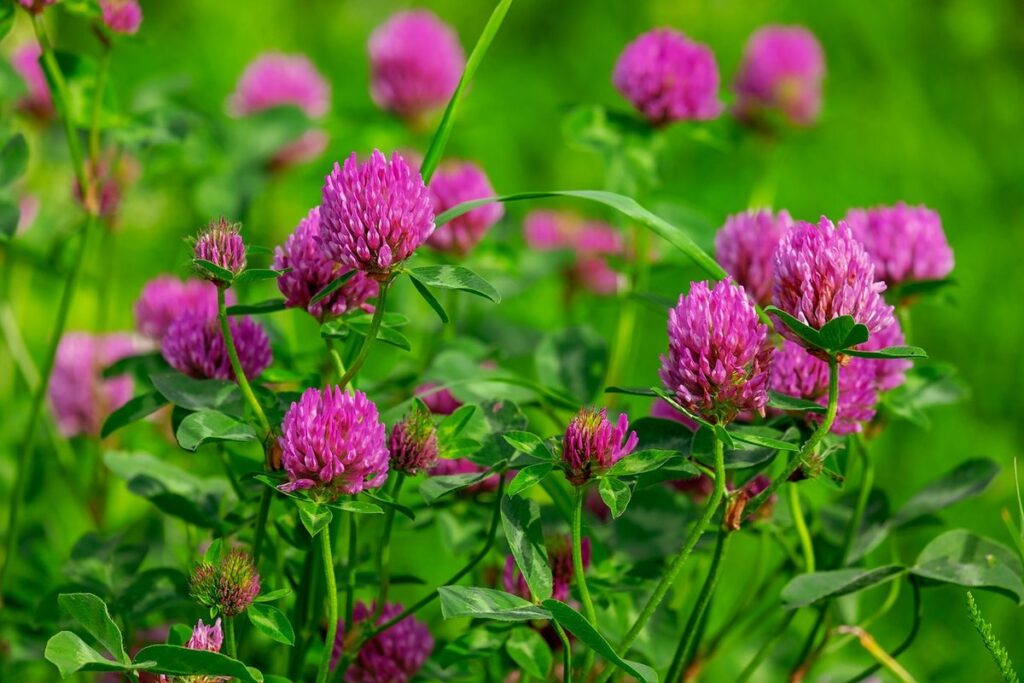
Clover is another valuable option, particularly red clover and white clover. These legumes are high in protein (15-18%) and energy-rich, which makes them suitable for broiler chickens. They also have the added benefit of fixing nitrogen in the soil, reducing the need for synthetic fertilizers.
Beans, including cowpeas and mung beans, can be grown as fodder crops for poultry. These legumes are rich in protein (20-25%) and fiber, making them a nutritious feed supplement. When incorporated into poultry diets, they not only provide essential nutrients but also help maintain gut health.
When growing legume-based fodder crops, ensure proper soil preparation, adequate irrigation, and timely harvesting to maximize yields. A mix of 30-50% legumes in the fodder crop can significantly boost protein levels in the feed, resulting in healthier poultry.
Grass-Based Fodder Crops
Grass-based fodder crops are an excellent option for poultry farmers looking to provide high-quality nutrition for their birds. Ryegrass, oats, and wheat are popular choices due to their ease of growth and adaptability to various climates.
Ryegrass, in particular, is a fast-growing crop that can be harvested within 30-40 days. It’s an excellent source of energy and nutrients for poultry, making it ideal for intensive farming operations. Oats, on the other hand, are known for their high fiber content and are often used to promote digestive health in poultry. Wheat is another versatile option that can be used to produce hay or silage, depending on your specific needs.
To incorporate grass-based fodder crops into your poultry operation, consider the following tips:
* Plant ryegrass in well-draining soil with a pH between 6.0 and 7.0.
* Apply fertilizer as needed to promote healthy growth.
* Harvest when the crop is at its optimal moisture level (around 30-40%).
* Consider using a combination of grass-based crops to provide a balanced diet for your poultry.
By following these guidelines, you can create high-quality fodder from ryegrass, oats, and wheat that will keep your poultry happy and healthy.
Root Crop-Based Fodder Crops
When it comes to root crop-based fodder crops, there are several options that can provide essential nutrients for poultry. One of the most popular choices is sweet potatoes, which are rich in vitamins A and C, as well as minerals like potassium and iron. They are also high in fiber, making them an excellent choice for promoting digestive health in birds.
Another option is carrots, which are a good source of vitamin A and beta-carotene. Beets, on the other hand, offer a range of essential nutrients including folate, magnesium, and potassium. These root crops can be grown in a variety of climates and can be harvested in as little as 60 days.
To incorporate root crop-based fodder crops into your poultry operation, start by selecting a suitable variety that is disease-resistant and well-suited to your climate. Plant the seeds in a fertile soil and ensure they receive adequate water and sunlight. Once the plants are mature, harvest them regularly to encourage new growth and prevent over-maturation.
These root crops can be fed fresh or dried, depending on your preference. Drying preserves their nutrients and makes them easier to store for later use.
Growing and Harvesting Fodder Crops
Now that you know which fodder crops are best for your flock, let’s dive into growing and harvesting these nutritious feed sources. In this next part of our guide, we’ll cover the essential steps to cultivate and harvest a variety of high-quality fodder crops.
Soil Preparation and Plant Selection
When it comes to growing fodder crops, the quality of the soil and the selection of suitable crops are crucial for optimal yields and healthy poultry production. Before planting, it’s essential to prepare the soil by removing debris, adding organic matter, and adjusting the pH level if necessary.
The ideal soil pH for most fodder crops ranges from 6.0 to 7.0. Test your soil regularly to ensure it falls within this range. Add lime or sulfur as needed to achieve the optimal pH. You can also incorporate compost or well-rotted manure into the soil to improve its structure and fertility.
When selecting suitable crops, consider factors like climate, availability, and nutrient content. Some popular fodder crop options include alfalfa, clover, and oats. Alfalfa is a good choice for areas with mild winters and hot summers, while clover is more adaptable to cooler climates. Oats are another option that can thrive in various conditions.
In addition to soil preparation and crop selection, ensure optimal growing conditions by providing adequate sunlight (at least 6 hours of direct sunlight), water supply, and fertilization. Aim for a mix of legumes and grasses to create a diverse fodder diet for your poultry.
Irrigation and Water Management
Proper irrigation and water management are crucial for optimal fodder crop production. Fodder crops typically require more water than other crops due to their high growth rates, making efficient water use essential. There are several irrigation techniques that can be employed, including drip irrigation, sprinkler systems, and flood irrigation.
Drip irrigation delivers water directly to the roots of the plants, reducing evaporation and runoff. This method is particularly effective for fodder crops like alfalfa and clover, which have deep taproots. Sprinkler systems, on the other hand, provide a broader coverage area but can be more wasteful if not properly calibrated.
A key consideration in irrigation planning is water quality. Fodder crops are sensitive to salinity and heavy metals, so it’s essential to use clean, fresh water whenever possible. To conserve water, growers should aim to apply the right amount of water at the right time – typically during periods of high growth or when plants are under stress.
By implementing efficient irrigation strategies and managing water resources effectively, poultry farmers can reduce their environmental footprint while improving crop yields and quality.
Harvesting and Storage Techniques
When it’s time to harvest and store your fodder crops, careful handling is crucial to maintain their quality and nutritional value for your poultry. Harvesting methods vary depending on the crop type and growth stage, but common techniques include cutting, grazing, or mechanical harvesting.
Cutting involves using a mower or sickle bar to cut the crop at the optimal height for dry matter accumulation. This method is suitable for crops like alfalfa, clover, and ryegrass. Grazing allows animals to feed directly on the standing crop, which can be beneficial for rotational grazing systems. Mechanical harvesting uses specialized equipment to collect and process the crop in a single pass.
For storage, you have two primary options: hay or silage. Hay is dried and baled crop material that’s ideal for dry climates and when you want to feed poultry during the winter months. Silage, on the other hand, involves fermenting the crop in airtight containers to create a nutrient-rich feed. Proper storage conditions, including clean and dry facilities, are essential to prevent spoilage and maintain the nutritional integrity of your fodder crops.
To minimize losses, it’s vital to follow proper handling procedures. This includes promptly drying or ensiling the crop after harvest, monitoring moisture levels, and storing fodder in rodent-proof containers. By following these guidelines, you can ensure your poultry receive high-quality feed while maintaining a healthy and productive flock.
Nutritional Value and Feed Formulation
Understanding the nutritional value of fodder crops is crucial for creating balanced feed formulations that meet your poultry’s specific dietary needs. This section will break down the key considerations to keep in mind.
Nutrient Profile of Fodder Crops
When it comes to selecting the right fodder crops for poultry, understanding their nutrient profile is crucial. Different crops offer varying levels of essential nutrients such as protein, fiber, and minerals.
For example, alfalfa hay is an excellent source of protein, containing around 17-20% crude protein on a dry matter basis. This makes it an ideal choice for laying hens or broilers that require high protein diets. On the other hand, oats are relatively low in protein but rich in fiber, which can be beneficial for digestive health.
Other key nutrients to consider include calcium and phosphorus, essential for strong bone growth and development. Crops such as clover and ryegrass contain moderate levels of these minerals, making them suitable for poultry feed. In addition to nutritional content, the digestibility of fodder crops is also vital. Some crops like corn can be difficult for birds to digest, whereas others like barley are more easily broken down.
When formulating a feed mix using various fodder crops, it’s essential to balance nutrient levels to meet your flock’s specific needs. Consult with a qualified nutritionist or use online tools to help you create an optimal blend.
Feed Formulation and Recipe Development
Creating balanced feed recipes using fodder crops as main ingredients requires careful consideration of several factors, including the age and breed of the birds. For example, starter rations for young chicks need to be formulated differently from finisher rations for mature hens.
When developing a feed recipe, it’s essential to assess the nutrient profile of the fodder crops. Legumes such as alfalfa or clover are rich in protein, whereas cereals like oats and barley provide fiber and energy. A general rule of thumb is to aim for a balanced ratio of 16-18% protein, 2-3% calcium, and 0.5-0.7% phosphorus.
To illustrate this, let’s consider an example feed recipe using a mix of fodder crops:
* 50% alfalfa hay (15% protein, 10% fiber)
* 20% oats (8% protein, 4% fiber)
* 10% barley (8% protein, 3% fiber)
* 5% sunflower seeds (25% protein, 3% fat)
This recipe provides a balanced nutrient profile for broiler chickens at the growth stage.
Economic Viability and Sustainability
When it comes to growing fodder crops for poultry, understanding their economic viability and sustainability is crucial to making an informed decision. This section explores the financial benefits and environmental considerations of different fodder crop options.
Cost-Benefit Analysis of Fodder Crops
When considering fodder crops as an alternative to traditional feeds for poultry, it’s essential to weigh the costs and benefits. One of the primary advantages of growing fodder crops is that they can significantly reduce the initial investment required for feed production. For example, a fodder crop like oats or barley requires less land and infrastructure compared to large-scale grain production.
However, labor and equipment requirements may be higher in the short term due to the need for seeding, irrigation, and harvesting. Nevertheless, these costs are often offset by the reduced reliance on external feed sources. According to a study by the University of California, using fodder crops can reduce feed costs by up to 30% while improving the nutritional quality of the feed.
To give you a better idea of the cost-benefit analysis, consider this: if your flock consumes $1 million worth of traditional feed annually, switching to fodder crops could save you around $300,000 per year.
Environmental Impact and Carbon Footprint
When it comes to poultry farming, the environmental impact of feed production is often overlooked. However, using fodder crops as a sustainable feed option can significantly reduce this footprint. One of the primary benefits of fodder crops is their ability to sequester carbon dioxide from the atmosphere through photosynthesis.
Studies have shown that perennial fodder crops like alfalfa and clover can absorb up to 200 kg CO2 per year per hectare, making them an attractive option for farmers looking to mitigate climate change. In contrast, traditional feed sources like corn and soybeans often contribute to greenhouse gas emissions during transportation and production.
By incorporating fodder crops into their rotation, farmers can not only reduce their carbon footprint but also promote soil health and biodiversity on their land. For example, a study conducted in the UK found that switching from conventional feed to locally-grown fodder crops reduced the environmental impact of poultry farming by 75%. To get started with using fodder crops for your flock, begin by assessing your farm’s climate and soil type to determine which species will thrive best.
Conclusion and Future Prospects
Now that you’ve learned how to grow and utilize various fodder crops for your poultry, let’s discuss the key takeaways from our comprehensive guide. We’ll also explore future prospects for incorporating these crops into your farm operations.
Summary of Key Takeaways
In conclusion, we’ve explored the vast potential of fodder crops for poultry production. These crops offer a sustainable and cost-effective way to improve feed quality, reduce environmental impact, and increase farm profitability. By incorporating fodder crops into their operations, farmers can reap numerous benefits, including improved flock health, enhanced egg production, and increased meat yields.
Some key takeaways from our discussion include the importance of selecting suitable fodder crops for local climates and poultry needs, as well as the need to balance crop diversity with efficient production methods. We’ve also highlighted the potential for fodder crops to improve soil fertility, reduce feed costs, and promote ecosystem services.
To apply these insights in your own operation, consider the following practical steps: evaluate your farm’s climate, soil, and resources; research suitable fodder crops and their growing requirements; develop a crop rotation plan that integrates fodder crops with existing production systems. By adopting these strategies, you can unlock the full potential of fodder crops for poultry production and contribute to more sustainable, efficient, and productive farming practices.
Potential Areas for Further Research
While significant progress has been made in understanding the benefits and applications of fodder crops for poultry farming, there are still areas where further research is needed to optimize their use. One key area is the development of more resilient and adaptable fodder crop varieties that can withstand extreme weather conditions and diseases prevalent in specific regions.
Additionally, the long-term effects of feeding poultry with fodder crops on environmental sustainability need to be extensively studied. For instance, how do different levels of fertilizer application impact soil health? What are the implications of large-scale fodder cultivation on local ecosystems?
Another area requiring attention is the cost-benefit analysis of incorporating fodder crops into commercial poultry operations. How can farmers balance the potential benefits of improved feed quality and reduced costs with the initial investment required for establishing fodder crop production? Answering these questions will help poultry farmers make informed decisions about adopting this sustainable practice.
Moreover, integrating genetic engineering techniques to enhance fodder crop yields or nutritional content could be a valuable area of research.
Frequently Asked Questions
What are the ideal conditions for growing fodder crops, and how can I ensure they thrive on my farm?
The ideal conditions for growing fodder crops include well-draining soil with a pH between 6.0 and 7.0. It’s essential to provide sufficient irrigation, especially during hot or dry weather. Regular monitoring of temperature, humidity, and nutrient levels will also help you identify any potential issues.
Can I use fodder crops as a replacement for traditional feed entirely, or should I start with a combination?
Starting with a combination of fodder crops and traditional feed is recommended to ensure the birds’ nutritional needs are met while allowing your flock to adapt. Gradually increasing the proportion of fodder crops in their diet will help prevent any adverse effects.
How can I calculate the cost-benefit ratio for incorporating fodder crops into my poultry farm’s feed?
To determine the cost-effectiveness, consider factors like initial investment costs, labor requirements, and potential yield increases. Compare these against traditional feed expenses and your farm’s existing profit margins to make an informed decision.
What are some common mistakes farmers make when introducing fodder crops to their poultry feed, and how can I avoid them?
Common mistakes include inadequate planning, poor soil preparation, and insufficient nutrient balance in the crop mixture. Avoiding these pitfalls will require thorough research on the specific needs of your farm’s climate, soil type, and bird species.
Can I use different types of fodder crops together to create a diverse feed mix for my flock?
Yes, combining different types of fodder crops can help ensure a well-rounded diet for your birds. Mixtures of legume-based, grass-based, and root crop-based fodder can provide varying levels of protein, fiber, and other essential nutrients. Just be sure to balance the proportions according to your flock’s specific needs.