
As a poultry farmer or caretaker, you’re likely no stranger to the challenges that come with keeping your flock healthy and thriving. But one crucial factor that often gets overlooked is cold stress response in poultry. When temperatures drop, even slightly, it can have a profound impact on your birds’ health and productivity. Recognizing the signs of cold stress – such as reduced feed intake, lethargy, and increased mortality rates – is essential for mitigating its effects. But how do you prevent cold stress from occurring in the first place? In this article, we’ll explore the poultry cold stress response, providing practical tips on how to recognize, manage, and mitigate its impact on your flock’s health, productivity, and welfare.
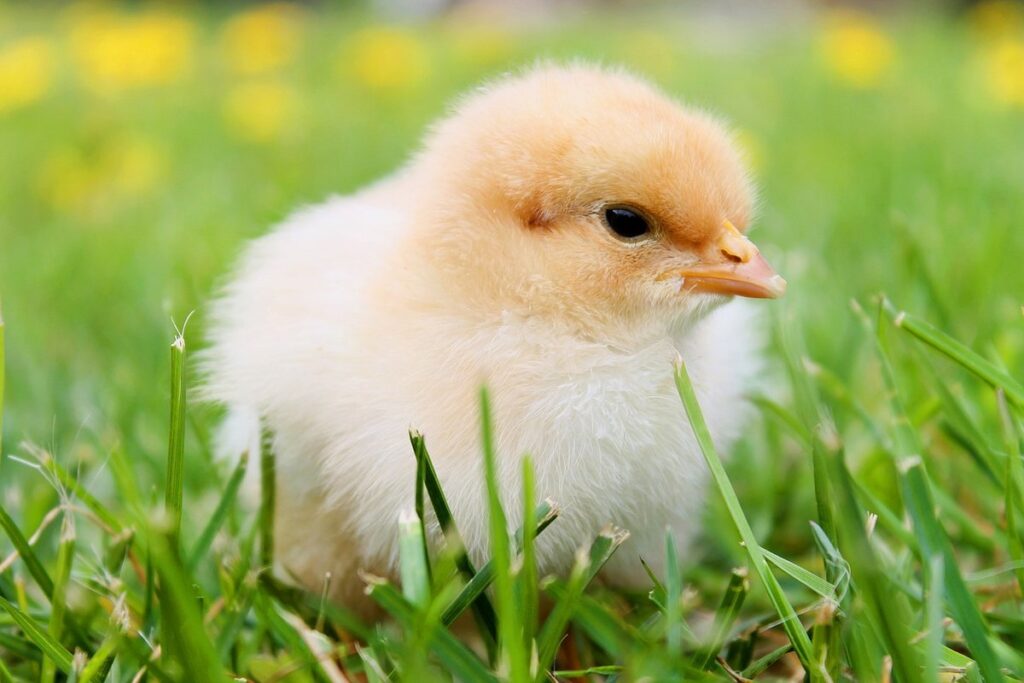
What is Cold Stress in Poultry?
Let’s dive into what cold stress in poultry actually means, and why it’s a critical factor in maintaining healthy flocks and preventing economic losses. We’ll break down the basics of cold stress.
Definition and Importance
Cold stress in poultry is a critical issue that affects not only the birds’ health and welfare but also the overall efficiency of poultry production. When poultry are exposed to cold temperatures, their metabolism speeds up as they try to generate heat, leading to increased energy expenditure. This can result in reduced feed intake, lower egg production, and decreased growth rates.
The causes of cold stress in poultry are multifaceted and include extreme temperature fluctuations, poor ventilation, inadequate bedding, and insufficient lighting. When these conditions combine, the birds may struggle to cope with the environmental demands, leading to a cascade of physiological responses that can have lasting effects on their health and productivity.
Understanding and managing cold stress is crucial for producers as it directly impacts the bottom line. By recognizing the signs of cold stress – such as huddled birds, reduced activity levels, and changes in droppings or egg production – farmers can take corrective action to mitigate its impact. This may involve adjusting ventilation rates, providing adequate bedding, or implementing strategies to reduce heat loss during cold snaps.
Signs and Symptoms of Cold Stress
Cold stress can manifest in poultry through a range of visible signs and symptoms. One of the most noticeable effects is behavioral changes. Chickens may become lethargic, disoriented, or agitated, pacing back and forth in their enclosures. Some birds may also exhibit unusual pecking behaviors, such as eating litter or pecking at their own feathers.
Decreased feed intake is another common sign of cold stress in poultry. Birds that are struggling to regulate their body temperature may lose interest in food, leading to weight loss and reduced growth rates. Physiological responses can also be a key indicator of cold stress. Poultry may develop pale combs, wattles, or legs due to poor blood circulation.
Monitoring for these signs is crucial for identifying the onset of cold stress. Farmers should pay close attention to feed intake patterns and observe their birds’ behavior regularly. Keeping records of temperature fluctuations, feed consumption, and mortality rates can also help identify potential issues before they become severe.
Factors Contributing to Poultry Cold Stress
When managing poultry cold stress, it’s essential to understand what factors can lead to heat loss and discomfort in your birds. This includes environmental conditions like temperature and humidity levels.
Temperature Extremes
Temperature fluctuations can have a profound impact on poultry comfort and productivity. While you might expect cold temperatures to be the primary cause of cold stress, hot temperatures can also contribute to the issue. This is because birds are capable of dissipating heat only when they’re exposed to ambient temperatures between 45°F (7°C) and 70°F (21°C).
When temperatures rise above or drop below this range, it puts significant pressure on the bird’s thermoregulatory system. For instance, if the temperature exceeds 75°F (24°C), birds may start panting excessively in an attempt to cool down. Conversely, when exposed to low temperatures, they’ll often huddle together for warmth, which can lead to overcrowding and reduced mobility.
In reality, temperature extremes are common in many poultry farms. According to data from the US Department of Agriculture, average daily temperature fluctuations can range between 5°F (3°C) and 15°F (8°C). These fluctuations can be exacerbated by environmental factors like humidity, wind speed, and proximity to heat sources or cold surfaces.
Humidity Levels
Humidity levels play a significant role in exacerbating cold stress in poultry. When it comes to bird health and welfare, high humidity can be just as detrimental as low humidity. Birds are more comfortable when the air is neither too dry nor too moist.
High humidity can lead to respiratory issues due to increased moisture in the lungs, while extremely low humidity causes dryness in the respiratory tract, making birds more susceptible to disease. When temperatures drop and humidity levels rise, it’s not uncommon for poultry producers to witness a spike in illness-related mortalities.
On average, a relative humidity (RH) range of 40-60% is ideal for maintaining optimal bird health. However, this can vary depending on the breed, climate, and temperature fluctuations within the coop. Poultry producers must take steps to maintain an optimal RH balance by adjusting ventilation systems, employing evaporative cooling methods, or incorporating dehumidifiers.
Monitoring humidity levels closely is crucial in preventing cold stress-related issues. By being aware of the current conditions, poultry farmers can develop strategies to mitigate potential risks and ensure bird health and welfare are prioritized.
Cold Stress Response in Poultry Physiology
When it comes to poultry, exposure to cold temperatures can have severe physiological effects. Let’s dive into what happens inside a bird’s body when it experiences cold stress.
Mechanisms of Cold Stress
When poultry is exposed to cold temperatures, their body responds with a complex series of physiological mechanisms aimed at maintaining homeostasis. One of the primary changes that occur during cold stress is a shift in metabolism, where energy is redirected from non-essential processes to maintain vital functions such as heart rate and respiration.
Hormone regulation also plays a critical role in responding to cold stress. The hypothalamic-pituitary-adrenal (HPA) axis is activated, releasing hormones like cortisol and adrenaline that help mobilize energy stores and increase circulation to extremities. This hormonal response is often referred to as the “fight or flight” response.
Immune function is also impacted by cold stress, with a suppression of immune activity that can make birds more susceptible to disease. This is thought to be an adaptive response aimed at conserving energy for essential functions during times of extreme cold. By understanding these mechanisms, poultry producers and caretakers can take steps to mitigate the effects of cold stress on their flocks, including providing adequate ventilation, nutrition, and shelter to help birds maintain optimal health and productivity in challenging weather conditions.
Behavioral Adaptations to Cold Stress
When birds are exposed to cold temperatures, they exhibit various behavioral adaptations to cope with cold stress. One of the primary responses is feather fluffing, where birds spread their feathers to trap warm air close to their bodies, increasing insulation and reducing heat loss. Shivering is another common behavior, where birds generate body heat through rapid muscle contractions.
However, these mechanisms have limitations, and prolonged exposure to cold temperatures can lead to exhaustion. In such cases, birds may seek shelter in warmer locations or aggregate together for mutual warmth. For example, broilers will often huddle together in a corner of the pen to conserve energy. By recognizing these behavioral adaptations, poultry farmers can take proactive steps to mitigate cold stress.
To encourage beneficial behaviors and prevent heat loss, ensure that your farm provides adequate ventilation and lighting to promote activity levels and reduce wind chill. Additionally, provide dry bedding materials like straw or sand to maintain a comfortable surface temperature for birds.
Consequences of Poultry Cold Stress
If left unchecked, poultry cold stress can have severe consequences on your flock’s health and productivity. We’ll explore the devastating effects it can cause in more detail below.
Economic Impacts
Cold stress can have far-reaching economic consequences for poultry producers. One of the most significant impacts is reduced growth rates. When birds are exposed to cold temperatures, their metabolism slows down, and they may not be able to grow at an optimal rate. This can result in longer production cycles and increased feed costs.
Another critical consequence is increased mortality. Cold stress can weaken a bird’s immune system, making them more susceptible to diseases and infections. In severe cases, this can lead to substantial losses, especially during critical growth stages. For instance, a study on broiler chickens found that cold stress was responsible for 15% of total mortality.
Decreased egg production is yet another significant economic concern for layer producers. Cold stress can disrupt reproductive cycles, leading to reduced egg laying and lower fertility rates. To mitigate these effects, it’s essential to implement proper ventilation systems, maintain adequate temperature ranges, and monitor bird health closely.
Welfare Implications
When poultry are exposed to cold temperatures, it can have severe welfare implications for their health, happiness, and longevity. Cold stress can lead to a range of problems, from reduced egg production to increased mortality rates.
One of the most significant concerns is the impact on bird behavior. Poultry subjected to cold stress may exhibit abnormal behaviors such as pacing, panting, or even self-mutilation in extreme cases. These behavioral changes are often indicative of underlying physiological stress and can be a sign that the birds need attention and intervention. For example, if you notice your flock is spending more time huddled together or seems lethargic, it may be a sign that they’re struggling to cope with the cold.
To mitigate these effects, ensure your poultry house has adequate ventilation, insulation, and heating systems in place. Monitor temperature fluctuations closely and adjust housing conditions as needed to maintain a comfortable range for your birds. Regular health checks can also help identify any underlying issues before they escalate into more serious problems.
Mitigating Cold Stress in Poultry Production
When temperatures drop, poultry health can be severely impacted. This section focuses on practical strategies for mitigating cold stress in your flock and preventing related losses.
Environmental Controls
Controlling environmental factors is crucial to mitigating cold stress in poultry production. One key strategy involves optimizing ventilation systems to maintain optimal air circulation and temperature levels within the coop. This can be achieved by adjusting fan speed, ensuring adequate intake of fresh air, and monitoring humidity levels.
Proper insulation is also essential in regulating the environment. Insulate walls, floors, and ceilings with materials that provide adequate thermal resistance. Consider using a combination of natural and synthetic insulation to achieve optimal results. Climate control systems should be programmed to adjust temperature settings according to external weather conditions.
To further enhance environmental controls, consider implementing heating systems specifically designed for poultry production. These can be fueled by propane or electricity and are often equipped with thermostats that allow for precise temperature adjustments. Additionally, incorporate windbreaks around the coop to shield against harsh winds and precipitation.
Nutritional Considerations
When it comes to mitigating cold stress in poultry production, nutrition plays a crucial role. A well-balanced diet can help support bird health during periods of cold stress, while an inadequate diet can exacerbate the issue. One key consideration is ensuring that birds receive sufficient energy from their feed to maintain body heat. This can be achieved by increasing the energy density of the diet or adding energy-rich supplements such as fat or oil.
Other nutritional modifications can also help alleviate cold stress in poultry. For example, feeding a diet high in fiber can help promote gut health and improve overall immune function. Additionally, incorporating antioxidants like vitamin E into the feed can help protect against oxidative stress caused by cold temperatures.
When selecting dietary supplements or modifications to support bird health during periods of cold stress, it’s essential to consult with a poultry nutritionist or veterinarian to determine the best course of action for your specific flock. This may involve assessing factors such as breed, age, and environmental conditions to develop an effective nutritional strategy. By taking a proactive approach to nutrition, you can help reduce the risks associated with cold stress in poultry production.
Monitoring and Managing Cold Stress in Poultry Flocks
To effectively manage cold stress, you need to be able to recognize its signs and take prompt action to prevent long-term consequences for your flock. This section outlines key monitoring and management strategies.
Early Warning Signs
Recognizing early warning signs of cold stress is crucial for producers to intervene promptly and prevent its progression. Prolonged exposure to cold temperatures can lead to significant losses, making it essential to monitor flock behavior closely.
Initially, birds may exhibit subtle changes that go unnoticed, but as the condition worsens, these signs become more pronounced. Some early warning signs include a decrease in water intake, which can be a precursor to hypothermia. Birds may also display lethargy, refusing to move or engage in normal activities. Respiratory rates may increase due to shivering and hyperventilation.
Another indicator is a drop in egg production, especially if the flock has been performing well under optimal conditions. Birds may also become less responsive to feeding times, with many opting to forage instead of accessing feeders. Producers should keep an eye on these indicators, as they can signal the onset of cold stress. By recognizing and addressing these signs early, producers can take proactive measures to mitigate its effects, thereby preventing significant losses in productivity and flock health.
Best Practices for Cold Weather Management
When it comes to managing cold weather conditions for poultry flocks, implementing effective best practices is crucial to prevent cold stress. One of the most critical aspects of this process is monitoring temperature and humidity levels within the poultry house.
It’s essential to maintain a consistent temperature range between 40°F and 60°F (4°C and 15°C) during winter months. Temperature fluctuations can be particularly challenging, so it’s vital to invest in a reliable temperature control system that allows for precise adjustments. Regularly checking thermometers and hygrometers throughout the house ensures you’re aware of any changes.
Adequate ventilation is also essential for preventing cold stress. Ensure your poultry house has sufficient airflow to remove moisture and heat evenly. This can be achieved through regular maintenance of fans, vents, and other ventilation systems. Proper nutrition plays a significant role in cold weather management as well. Ensure your flock receives balanced feed that provides adequate energy and nutrients.
By monitoring temperature and humidity levels, providing adequate ventilation, and ensuring proper nutrition, you’ll significantly reduce the risk of cold stress in your poultry flock. Regularly inspecting equipment and adjusting practices according to changing conditions is also vital for maintaining a healthy and thriving flock during harsh winter months.
Frequently Asked Questions
How can I ensure my flock’s water supply remains unfrozen during cold temperatures?
Ensuring your flock’s water supply doesn’t freeze is crucial for preventing dehydration and related health issues. Install a frost-proof waterer or use heated waterers specifically designed for poultry, which maintain the temperature of the water above freezing even in sub-zero temperatures. You can also insulate the water pipes to reduce heat loss.
What are some common mistakes I should avoid when trying to manage cold stress in my flock?
Some common mistakes include not recognizing early warning signs or underestimating the severity of cold weather conditions. It’s also crucial to avoid over-crowding your birds, as this can exacerbate heat loss and increase the risk of cold stress. Moreover, ensure you’re providing adequate nutrition and shelter for your flock during extreme temperatures.
Can I use any specific nutrients or supplements to help mitigate cold stress in my poultry?
Yes, certain nutrients like vitamins A and E, as well as omega-3 fatty acids, can play a role in enhancing the bird’s natural resistance to cold. You may also want to consider adding some energy-rich feed or other supplements to support your birds’ increased metabolic demands during cold weather.
What are some signs that I’ve successfully mitigated cold stress in my flock?
Success is often measured by improved feed intake, egg production, and overall growth rates. Keep an eye on these key performance indicators (KPIs) to gauge the effectiveness of your management strategies. Additionally, monitor for a decrease in mortality rates and an overall improvement in your birds’ behavior and well-being.
How do I handle extreme temperature fluctuations or sudden changes in weather?
To prepare for such events, ensure you have contingency plans in place, including backup power sources for heating systems and emergency feeding protocols. It’s also essential to maintain good communication with nearby farmers, veterinarians, and other stakeholders to stay informed about local weather forecasts and share best practices for managing cold stress.