
If you’re an Orpington enthusiast, chances are you’ve wondered about the color of your hens’ eggs. Do they lay the classic white eggs or perhaps some gorgeous brown ones? The answer might surprise you! As it turns out, the color of an Orpington’s egg is influenced by a combination of genetics, nutrition, and environment. But what does this mean for you as a backyard chicken keeper? In this article, we’ll delve into the world of Orpington egg colors and explore the factors that determine the shade of your hens’ eggs. From white to brown and beyond, we’ll cover it all and help you understand how to encourage the most vibrant egg-laying abilities from your girls.
The Basics of Egg Laying in Orpingtons
So, what color eggs can you expect from your lovely Orpington hens? Let’s take a closer look at how egg laying works in this popular breed.
Breed Origin and History
The origins of the Orpington breed date back to the 19th century in England. Sir Joseph Harrison, a wealthy farmer and breeder, aimed to create a dual-purpose chicken that excelled both as a meat producer and an egg layer. His goal was to breed a bird with impressive size, gentle nature, and robust health. After years of selective breeding, Harrison successfully developed the Orpington in various colors, including black, blue, buff, and white.
Today, the Orpington is one of the most popular backyard chicken breeds due to its friendly temperament and exceptional egg-laying abilities. With an average annual production of 200-220 large brown eggs, Orpington hens are renowned for their prolificacy. Their impressive size, combined with a sturdy build, makes them well-suited for small-scale farming and urban homesteading.
As you consider adding Orpingtons to your flock, it’s essential to understand the breed’s rich history and its contributions to modern egg production. By doing so, you’ll appreciate their remarkable qualities and be better equipped to provide the care they need to thrive. With proper management, an Orpington can become a trusted member of your backyard flock, providing you with an abundance of fresh eggs for years to come.
Key Characteristics of Orpingtons
One of the key characteristics that make Orpingtons well-suited for egg laying is their robust body type. Orpingtons are a medium to large breed, known for their sturdy build and compact bone density. This sturdy build provides them with the strength and stability needed to support the weight and pressure of frequent egg production.
Their feathering also plays a crucial role in their ability to lay eggs efficiently. Orpingtons have a thick undercoat and a soft, fluffy outer layer that helps to keep them warm in cold temperatures. This unique combination of feathers not only keeps them insulated but also allows for better circulation and oxygenation of the reproductive organs, ultimately contributing to healthy egg production.
Additionally, their bone density is another vital aspect that contributes to their egg-laying abilities. Orpingtons have a dense skeleton that provides excellent support for the ovaries and uterus, allowing for efficient egg development and release. This characteristic makes them an ideal choice for many backyard chicken keepers who are looking to produce plenty of fresh eggs.
Understanding Egg Production in Orpingtons
When it comes to egg production in Orpingtons, several key factors come into play. Genetics, nutrition, and environmental conditions all have a significant impact on the number of eggs an Orpington will lay.
Genetics play a major role in determining an Orpington’s egg-laying abilities. Some breeds are naturally more prolific layers than others, but within the Orpington breed itself, there can be a significant variation in egg production depending on the individual bird and its lineage. Research has shown that certain genetic lines of Orpingtons can produce upwards of 280-300 eggs per year, while others may only lay around 200.
Nutrition also plays a critical role in supporting an Orpington’s egg-laying abilities. A balanced diet rich in protein, calcium, and other essential nutrients is crucial for maintaining strong reproductive health in these birds. Providing access to fresh fruits, vegetables, and whole grains can help support optimal nutrition levels.
In addition to genetics and nutrition, environmental factors such as light exposure, temperature, and social interaction also impact an Orpington’s egg production. For example, providing 14 hours of daylight per day can stimulate increased egg-laying in some Orpingtons, while others may require more or less light to achieve optimal production levels.
Practically speaking, if you’re looking to maximize your Orpington’s egg-laying potential, focus on creating a well-rounded and nutritious diet that meets its specific needs. Consider consulting with a poultry expert to determine the best nutrition plan for your birds based on their individual characteristics and living conditions.
Egg Color Variations in Orpingtons
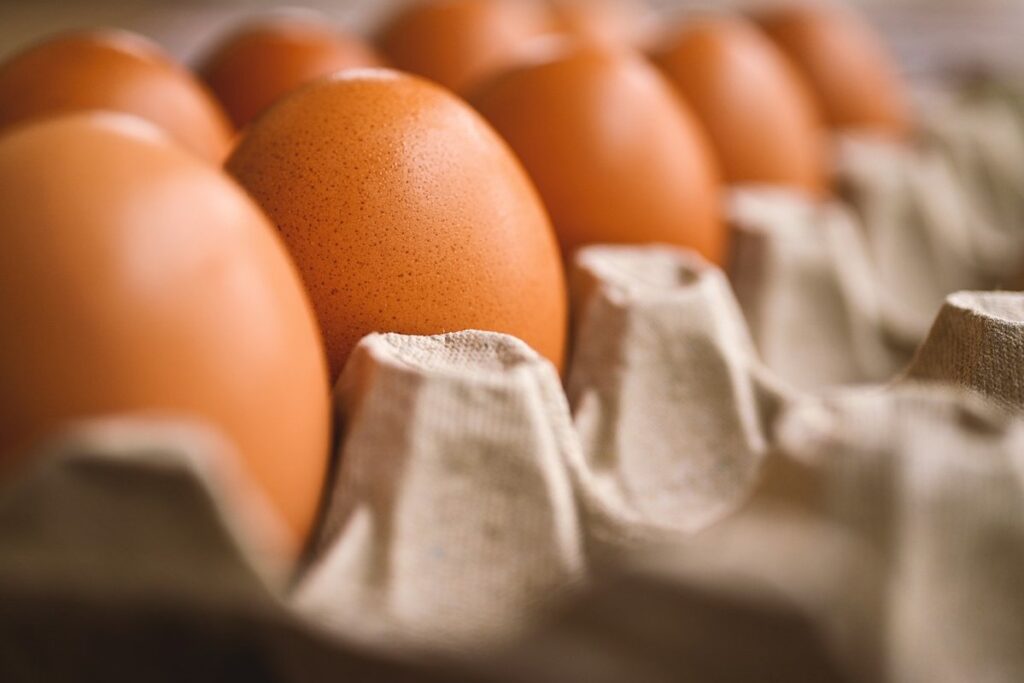
Let’s explore the fascinating world of egg color variations, as we delve into the beautiful possibilities that Orpington eggs come in. From light tan to rich brown, each shade is uniquely beautiful!
White-Shelled Eggs: A Common Phenomenon
It’s no secret that Orpington hens are known for laying some of the most beautiful eggs in the world. But have you ever stopped to think about why so many Orpingtons produce white-shelled eggs? In fact, it’s quite common for these lovely ladies to lay eggs with a pristine white shell.
From a genetic standpoint, Orpingtons owe their white eggshells to the genetics of their parents. You see, eggshell color is influenced by two main genes: the brown gene and the yellow gene. When neither of these genes are present, you get white eggs. But here’s the thing: nutrition and environmental factors can also play a role in determining eggshell color.
For example, if your Orpington hens aren’t getting enough calcium in their diet, they may produce eggs with thinner or more brittle shells, which can be more prone to cracking. And did you know that temperature and humidity levels can also impact eggshell color? While the exact mechanisms are still a bit of a mystery, it’s clear that these factors all work together to determine the beautiful colors of your Orpingtons’ eggs.
To maximize the quality of your Orpington hens’ eggs, make sure they’re getting a balanced diet rich in calcium and other essential nutrients. You should also ensure their coop is well-ventilated and kept at a comfortable temperature. By doing so, you’ll be well on your way to collecting some truly stunning white eggs from your beloved Orpingtons!
Brown-Shelled Eggs: The Other Side of the Coin
While many people associate Orpington chickens with white eggs, some breeds within this group lay brown-shelled eggs. But what’s behind this phenomenon? It all comes down to genetics.
The genetics of eggshell color are relatively simple: it’s determined by a single gene that codes for the production of melanin, the pigment responsible for pigmentation. Brown eggs get their color from eumelanin, while white eggs lack this pigment altogether. Some Orpington breeds, like the Marans and the Welsummer, have a genetic predisposition to laying brown eggs due to the presence of the eumelanin gene.
This doesn’t mean that brown egg-laying Orpingtons are any less healthy than their white-egg counterparts. In fact, research suggests that the genetics behind eggshell color don’t impact overall egg health or quality. So, if you’re an Orpington owner and your hens are laying brown eggs, rest assured they’re just as nutritious and delicious as white eggs.
It’s worth noting that eggshell color can be influenced by diet as well – but more on that in the next section. For now, let’s focus on appreciating the unique characteristics of our feathered friends, regardless of their eggshell hue!
Other Egg Colors: Rare but Possible
While white and brown eggs are the norm for Orpingtons, there have been instances where they’ve laid eggs in rare colors like blue or green. These deviations from the usual egg color are often due to specific genetic combinations or breed characteristics.
One such instance is the Blue Orpington, a variation of the breed that carries the gene responsible for the blue coloration. When mated with other Blue Orpingtons, they can produce eggs in various shades of blue, ranging from pale sky blue to deep slate. Similarly, Green Eggs are extremely rare and have been reported in some Orpington flocks. This phenomenon is usually attributed to genetic mutations that result in an overproduction or underproduction of pigment, leading to the unique green hue.
Keep in mind that these instances are relatively rare, and you’re unlikely to encounter them in your own flock. However, they do highlight the fascinating diversity within the Orpington breed and the importance of considering genetics when breeding for specific traits.
Caring for Your Orpington’s Egg-Laying Health
While we’ve discussed egg colors, it’s just as important to ensure your Orpingtons are healthy and happy layers. Let’s cover some essential tips for maintaining their egg-laying well-being.
Nutrition and Diet
A well-nourished Orpington is essential for optimal egg-laying health. As these birds are prolific layers, it’s crucial to provide them with a balanced diet that meets their nutritional needs. Calcium, protein, and vitamins A, D, and E are vital for maintaining strong bones, muscle development, and overall health.
A calcium deficiency can lead to soft-shelled eggs or even breakages during laying. Ensure your Orpington’s feed contains 2-3% calcium content. Supplement with crushed oyster shells or dark leafy greens like kale or spinach if needed. Protein is also essential for egg production; provide a high-quality layer feed that contains at least 16% protein.
Fresh vegetables and fruits should be introduced gradually to avoid digestive issues. A mix of carrots, sweet potatoes, and apples will provide essential vitamins and fiber. Consider adding probiotics or omega-3 fatty acids to their diet to support gut health and eggshell quality.
Housing and Living Conditions
When it comes to an Orpington’s egg-laying health, living conditions play a significant role. A happy and healthy bird is more likely to lay eggs consistently. Start by ensuring your Orpington has enough space to roam around. The ideal coop size is 3-4 square feet per bird inside the coop and 8-10 square feet in the run. This allows for ample exercise and movement, which promotes overall well-being.
Temperature control is also crucial. Orpingtons prefer temperatures between 40°F and 80°F (4°C and 27°C), making them adaptable to various climates. However, extreme temperatures can impact egg production. Keep your coop well-ventilated to prevent moisture buildup and maintain a stable temperature. Proper humidity levels are equally important; aim for a relative humidity of 50-60% inside the coop.
Light exposure is another vital aspect of an Orpington’s living conditions. Ensure your birds receive natural light for at least 14 hours a day, either through a large window or by supplementing with artificial lighting. This will help regulate their circadian rhythms and stimulate egg production. By considering these factors, you can create an environment that supports your Orpington’s overall health and encourages consistent egg-laying.
Health Considerations for Orpingtons
When keeping your lovely Orpingtons healthy is top of mind, it’s essential to consider their specific needs and any potential health risks that may arise from breeding this gentle giant. Let’s explore some key considerations for your flock’s well-being.
Common Health Issues Affecting Egg Laying
Orpingtons are known for their exceptional egg-laying abilities, but like all breeds, they can be prone to certain health issues that may impact their reproductive capabilities. As an Orpington owner, it’s essential to be aware of these potential problems and take preventative measures to ensure your girls stay healthy and productive.
One common issue affecting Orpingtons is reproductive problems. Mites, lice, and fleas can all cause discomfort and stress for your birds, leading to reduced egg production or even stopping laying altogether. Regular cleaning of the coop, providing a balanced diet, and maintaining good hygiene practices can help prevent these external parasites.
Nutritional deficiencies are another concern for Orpingtons. A lack of essential vitamins and minerals, such as calcium, vitamin D3, or omega-3 fatty acids, can hinder egg production or cause eggs to be soft-shelled. Ensuring your girls have access to a nutrient-rich layer feed, along with fresh fruits and vegetables, will help support their reproductive health.
By being mindful of these potential issues, you can take proactive steps to promote healthy egg-laying in your Orpingtons.
Managing Stress to Optimize Egg Production
Managing stress is crucial for maintaining an Orpington’s overall health and, consequently, their egg-laying performance. When an Orpington feels stressed, it can affect the quality of its eggs, causing them to be smaller or less frequent. To minimize stressors that could impact your Orpington’s egg production, start by ensuring their coop is secure from predators like foxes, raccoons, and stray dogs.
Provide adequate ventilation in the coop, as poor airflow can lead to ammonia buildup from droppings, causing stress. Limit human activity around the coop during peak hours when your birds are most active. When introducing new chickens or adding equipment to their space, do so gradually to prevent startling them.
Incorporate natural elements into their environment, like plants and trees surrounding the coop, which can provide shelter and visual interest for your Orpingtons. Additionally, keep a consistent daily routine for feeding, cleaning, and collecting eggs, as sudden changes can cause stress.
Conclusion: What Color Eggs Do Orpingtons Lay?
So, you’ve learned all about the characteristics and egg-laying habits of Orpington chickens. Now let’s summarize what we’ve discovered together!
Recap of Key Points
In reviewing the discussion on what color eggs Orpingtons lay, it’s essential to revisit the key points. As we’ve explored, eggshell color is primarily influenced by genetics, with some breeds like Orpingtons being known for their brown eggs due to a dominant gene.
However, nutrition also plays a role in determining egg yolk and white coloration. A balanced diet rich in omega-3 fatty acids, vitamins, and minerals ensures the health of your flock. Research has shown that supplementing with antioxidants can enhance egg quality, including reducing the risk of oxidative stress on eggs.
When considering the overall health of your Orpingtons, it’s crucial to address potential factors like nutritional deficiencies and parasites. A comprehensive care plan should include regular monitoring for signs of illness or disease and maintaining a clean living environment.
Some notable takeaways from this discussion include the importance of genetic makeup in determining eggshell color and the value of a well-rounded diet in supporting overall health and egg quality.
Final Tips for Backyard Chicken Keepers
As you continue to enjoy the fruits of your labor, it’s essential to create an optimal environment for your Orpingtons to thrive. Providing adequate space is crucial for their overall health and egg-laying capacity. Ensure each bird has at least 3-4 square feet of space inside the coop and about 8-10 square feet in the run. This will not only keep them happy but also encourage egg production.
Regular health checks are also vital to maintaining a healthy flock. Monitor your Orpingtons for signs of stress, illness, or injury, such as unusual droppings, feather loss, or lethargy. Keep their living area clean and well-ventilated, and provide fresh water at all times.
Adjusting feeding schedules can also impact egg production. Provide a balanced diet that includes a mix of grains, proteins, and calcium-rich foods to support strong eggshells. Limit treats to about 10% of their daily intake to prevent overfeeding. By following these simple tips, you’ll be well on your way to creating an environment where your Orpingtons can thrive and lay those beautiful eggs you’ve come to love.
Conclusion
In conclusion, understanding what color eggs an Orpington lays can have a significant impact on your backyard chicken-keeping experience. As we’ve discussed throughout this article, these lovable birds are capable of producing an array of eggshell colors, including white, brown, and even blue.
Now that you know the possibilities, it’s essential to consider how this information can be used to optimize your Orpingtons’ egg-laying abilities. By choosing the right breed, providing optimal nutrition and living conditions, and being attentive to their individual needs, you can encourage your Orpingtons to lay the most valuable eggs possible.
For example, if you’re looking for a consistent source of brown eggs, an Orpington’s natural egg-laying tendencies might be a great asset. On the other hand, if you prefer a more varied egg assortment, their potential to produce blue or green eggs could add some excitement to your egg collection.
By recognizing and working with your Orpingtons’ unique characteristics, you can create a harmonious and productive backyard chicken coop that benefits from these wonderful birds’ many talents.
Frequently Asked Questions
What factors should I prioritize to encourage the most vibrant egg-laying abilities from my Orpingtons?
Prioritize a balanced diet rich in calcium, protein, and essential vitamins and minerals. Ensure access to clean water, adequate housing with ventilation, and regular health checks. Manage stress through routine care and monitoring their living conditions.
Can any factors beyond genetics influence the color of an Orpington’s egg?
Yes, nutrition plays a significant role in determining the shade of eggs laid by your Orpingtons. A diet lacking essential nutrients can affect eggshell quality and color, even if genetics would normally dictate a specific hue.
How often should I collect my Orpingtons’ eggs to maintain their health and promote continued production?
Collect eggs daily or every other day to prevent breakage and bacterial growth, which can negatively impact your hens’ health. Regular egg collection also helps maintain cleanliness within the coop and encourages continued egg-laying behavior.
What are some common mistakes backyard chicken keepers make when caring for Orpingtons that affect their egg-laying abilities?
Common pitfalls include inadequate nutrition, poor living conditions, neglecting regular health checks, and failing to manage stress. Address these issues promptly to optimize your hens’ well-being and maintain healthy egg production.
Can I expect my Orpingtons to lay eggs consistently throughout the year, or are there any seasonal variations I should be aware of?
Orpingtons typically exhibit moderate seasonal variation in egg production, with peak laying usually occurring during spring and summer months. Provide adequate nutrition, ensure proper care, and monitor your flock’s behavior to maintain consistent egg-laying patterns.