
As a poultry farmer or industry professional, you’re likely familiar with the term “lockdown” in commercial egg production. But do you truly understand its significance? Lockdown is more than just a process – it’s a critical measure that not only prevents disease outbreaks but also has far-reaching implications for your business and the welfare of your birds. In this article, we’ll delve into the importance of lockdown in egg production, exploring its impact on disease prevention, economic viability, and animal welfare. We’ll discuss best practices for implementing an effective lockdown strategy and provide insights on preparing for future scenarios, including potential pandemics or outbreaks. By the end of this article, you’ll be equipped with the knowledge to protect your flock, maintain business continuity, and ensure compliance with regulations.
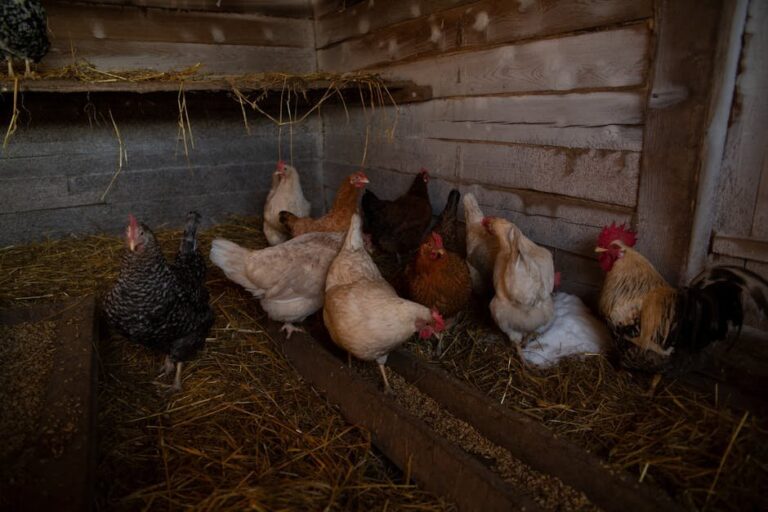
The Need for Lockdown in Commercial Egg Production
Let’s explore why lockdowns are essential for commercial egg production, and how they can prevent widespread disease outbreaks that put both humans and animals at risk.
Benefits of Lockdown on Disease Prevention
When implemented correctly, lockdown can be a game-changer for commercial egg farms in terms of disease prevention. By isolating birds from each other and external factors, farmers can significantly reduce the risk of outbreaks such as salmonella or avian influenza.
One key way lockdown helps is by breaking the transmission chain of diseases. When birds are grouped together, they can easily spread germs to one another through contact, respiratory droplets, or contaminated food and water. By separating them, farmers can prevent these interactions and reduce the chances of an outbreak occurring in the first place. For instance, if a bird contracts avian influenza, lockdown ensures that it doesn’t have the opportunity to infect its fellow birds.
To make lockdown effective in preventing disease outbreaks, farms need to adopt stringent protocols. This includes regular cleaning and disinfection procedures, proper ventilation systems, and adherence to biosecurity measures such as temperature checks for workers entering the premises.
Common Challenges Faced by Poultry Farmers During Lockdown
When a lockdown is implemented on commercial egg production, poultry farmers face numerous challenges that can impact their operations and ultimately affect the availability of eggs for consumers. One of the primary concerns is access to essential resources such as feed and water. In some cases, transportation restrictions may limit the delivery of these critical supplies, leaving farms without adequate stock.
Furthermore, lockdowns often lead to difficulties in obtaining veterinary care for sick or injured birds. This can result from restricted movement of personnel and limited availability of medical equipment and supplies. Farmers must therefore rely on their own resources and expertise to manage any health issues that may arise during this period.
Additionally, maintaining biosecurity measures is crucial during a lockdown to prevent the spread of diseases within the farm. This requires careful planning and execution to minimize risks and ensure the continued health of the flock.
Economic Impact of Lockdown on Small-Scale Egg Producers
For small-scale egg producers, lockdown can have far-reaching financial implications. One of the primary concerns is reduced consumer demand. When consumers are locked down at home, they tend to rely on alternative sources for their eggs, such as large-scale commercial farms that operate under strict guidelines and have a lower risk of contamination. This shift in consumer behavior leads to a decline in sales for small-scale producers.
As a result, these producers face significant revenue losses due to decreased market demand. According to data from the US Department of Agriculture, small-scale egg farms typically generate between 10% to 20% of their annual revenue during peak lockdown periods. This reduction can be devastating for many small-scale operations, forcing some to either scale back or even close down entirely.
To mitigate these losses, it’s essential for small-scale producers to diversify their markets and explore alternative channels for selling their eggs, such as direct-to-consumer sales or partnerships with local restaurants. By adapting quickly to changing consumer behavior, small-scale egg producers can minimize the financial impact of lockdowns on their businesses.
The Science Behind Lockdown: How It Affects Chicken Behavior
When chickens experience lockdown, their natural instincts kick into high gear, influencing their behavior and possibly affecting egg production. Let’s explore how this phenomenon impacts their daily lives.
Understanding the Stress Response in Chickens During Lockdown
When chickens experience stress during a lockdown, their physiological response is triggered, leading to changes in heart rate, breathing, and behavior. Their heart rate can increase by up to 50% within minutes of being confined, indicating anxiety or fear. Breathing becomes more rapid and shallow as the chicken’s body prepares for “fight or flight.” This increased stress can disrupt egg production, with some studies showing a decrease of up to 40% in egg laying during periods of high stress.
In addition to these physical changes, stressed chickens may exhibit behavioral changes such as increased pacing, feather pecking, and vocalization. They may also experience reduced appetite and altered social interactions. For example, a flock of chickens that was normally calm and sociable may become aggressive towards each other or even their owners during a lockdown.
By recognizing the physiological response to stress in chickens, we can take steps to minimize its effects on egg production. This might include providing a safe and comfortable environment for the birds, ensuring adequate ventilation and lighting, and implementing stress-reducing measures such as enrichment activities or calming music.
Effects of Lockdown on Egg Production and Quality
When lockdown is implemented on chicken farms, it can have a significant impact on egg production rates and quality. One of the most noticeable effects is a reduction in egg size. This is because chickens are not getting enough exercise, which is essential for maintaining healthy weight and muscle tone. As a result, they may produce smaller eggs with thinner shells.
Studies have shown that lockdowns can lead to a decrease in shell thickness by up to 10%. This can make the eggs more prone to cracking and breaking during transportation or storage. Additionally, reduced mobility can also affect fertility rates. Chickens need regular exercise to maintain reproductive health, and prolonged lockdown can disrupt this process.
To mitigate these effects, farmers can implement temporary enrichment programs that provide mental stimulation and encourage physical activity. For example, providing puzzle toys filled with treats or rotating foraging areas can help keep chickens engaged and active during lockdown periods.
Chicken Welfare Concerns During Prolonged Lockdown Periods
Prolonged lockdown periods can have severe consequences on chicken welfare. When chickens are confined to small spaces for extended periods, they become increasingly stressed and restless. This stress can lead to overcrowding, which is a major concern for chicken welfare during lockdowns.
For instance, if you’re keeping chickens in a backyard coop during a lockdown, it’s essential to ensure there’s enough space per bird to prevent overcrowding. The general rule of thumb is to provide at least 4-5 square feet of space per bird inside the coop and 8-10 square feet outside. Failure to do so can result in fights among chickens, which may lead to injuries.
Chickens also require regular exercise and mental stimulation during lockdowns. Without adequate activity and interaction with their environment, they may become depressed, stop laying eggs, or even develop feather pecking disorders. To mitigate these risks, consider providing your chickens with additional enrichment activities like puzzles, scratching posts, or even temporary outdoor access to a fenced area.
To maintain good chicken welfare during lockdowns, it’s crucial to monitor your flock regularly for signs of stress and overcrowding. Make sure to provide adequate food, water, and ventilation within the coop. Regular cleaning and disinfection are also essential to prevent disease outbreaks that can further exacerbate the risks associated with lockdowns.
Best Practices for Implementing a Successful Lockdown in Egg Production
To ensure your lockdown strategy is effective, it’s crucial to implement these best practices from day one, including regular monitoring and adjustment as needed. This will help you optimize production and minimize stress on your flock.
Establishing Clear Guidelines and Protocols for Lockdown Procedures
Clear guidelines and protocols are essential for implementing a successful lockdown procedure on egg farms. These procedures ensure that all farm staff, including those handling eggs, know exactly what to do in the event of an outbreak or contamination. Effective communication with suppliers is also crucial, as they may be required to quarantine their own facilities if there’s a risk of further transmission.
Farm owners should develop and document comprehensive protocols for lockdown procedures, outlining responsibilities for each team member, including supervisors and egg handlers. For instance, staff might need to report any unusual incidents or changes in egg production to the supervisor immediately. It’s also vital to establish communication channels with suppliers, such as regular meetings to discuss potential risks and prevention strategies.
To implement these protocols successfully, farm owners should:
* Establish clear expectations for lockdown procedures through comprehensive training
* Conduct regular drills and practice exercises to ensure staff are prepared
* Communicate effectively with suppliers to prevent further transmission
* Continuously review and update protocols based on lessons learned from previous incidents
Training Farm Staff on Lockdown Procedures and Safety Measures
When implementing lockdown procedures on an egg production farm, it’s essential to ensure that all staff members are properly trained and equipped to handle this critical task. This includes training on lockdown procedures themselves, as well as the use of personal protective equipment (PPE) to minimize risks.
Staff must be familiar with emergency protocols, including evacuation routes and communication plans in case of an incident. They should also understand how to secure buildings and prevent escape or intrusion during a lockdown. Training sessions can include mock scenarios, workshops, and regular drills to maintain staff preparedness and confidence.
When it comes to PPE usage, farm staff must be aware of the risks associated with handling biosecurity-sensitive areas and equipment. This includes donning gloves, masks, and eye protection while in these areas. Regularly scheduled training sessions can help reinforce best practices for PPE use and ensure that all staff is up-to-date on their responsibilities.
Practicing lockdown procedures with your team will not only prepare them for an actual lockdown but also build trust and a sense of camaraderie among the staff, which is essential in high-pressure situations like these.
Ensuring Continuous Monitoring and Evaluation During Lockdown Periods
During lockdown periods, it’s easy to get complacent and assume that everything is running smoothly. However, this is precisely when you need to be most vigilant. Continuous monitoring and evaluation are crucial for identifying areas where things can go wrong and making adjustments to prevent them.
This means keeping a close eye on temperature and humidity levels in the coop, as well as monitoring the flock’s overall health and behavior. Are there any signs of stress or discomfort? Is feed intake dropping off? These subtle changes can have significant consequences if left unchecked.
Regular egg production checks are also vital during lockdown periods. This includes weighing eggs to monitor their size and weight, as well as checking for any visible cracks or imperfections. By doing so, you’ll be able to identify any issues with the flock’s diet or living conditions that might affect egg quality.
It’s also essential to evaluate your lockdown protocols regularly, looking for areas where improvements can be made. This could include implementing new training programs for staff or investing in more advanced monitoring equipment.
By staying vigilant and proactive, you’ll be able to ensure the well-being of your flock while maintaining optimal egg production levels.
Implementing Lockdown in Small-Scale and Backyard Egg Production
When setting up lockdown for your backyard hens, it’s essential to consider how to effectively manage their movement and access to eggs, especially during breeding periods. Let’s dive into implementing lockdown in small-scale and backyard egg production settings.
Adapting Lockdown Procedures for Small-Scale and Backyard Flocks
Small-scale and backyard egg producers have unique challenges when implementing lockdown procedures. First, assess your flock size and available space to determine the most effective locking system. For smaller flocks, a simple door latch or gate lock may suffice, while larger operations might require more sophisticated solutions.
Consider the layout of your coop and surrounding areas to minimize stress on the birds during lockdowns. Ensure that feeding and watering systems are accessible from outside the locked area to prevent waste buildup and maintain flock health.
For backyard flocks, adaptability is key. Develop a flexible locking plan that accounts for seasonal changes in flock size or unexpected events like severe weather. Regularly inspect your locking system to ensure it remains functional and consider investing in automated solutions for added convenience.
Managing Feed, Water, and Veterinary Care During Lockdown
Managing feed, water, and veterinary care during lockdown is crucial to ensure the health and productivity of your flock. With reduced access to external resources, it’s essential to think creatively about sourcing these necessities.
Consider partnering with neighboring farms or suppliers who may be willing to share resources or provide alternative delivery options. This can help minimize disruptions and maintain a steady supply chain. For instance, you could establish a mutual agreement with a nearby farm to split feed orders or exchange services like fencing maintenance for veterinary care.
Additionally, prioritize efficient use of existing resources by implementing strategies such as reducing water waste through rainwater collection systems or using DIY water conservation methods. Regular flock monitoring and health checks can also help identify potential issues early on, allowing for prompt veterinary intervention when needed.
By being proactive and adaptable, you can mitigate the challenges posed by lockdown and maintain a thriving egg production system.
Preparing for Future Lockdowns: A Proactive Approach
As you prepare for future lockdowns, it’s essential to consider how they might impact your access to chicken eggs. This proactive approach can help ensure a steady supply of this crucial food source.
Developing Emergency Preparedness Plans for Lockdown Scenarios
Developing emergency preparedness plans for lockdown scenarios is crucial to ensure the well-being of your flock during such events. When a lockdown occurs, you’ll need to quickly identify critical resources and personnel to maintain the health and safety of your chickens. Start by assessing your farm’s vulnerabilities and identifying essential supplies, including feed, water, medications, and equipment.
Consider designating key personnel for specific tasks, such as feeding, monitoring, and providing care during a lockdown. This will help ensure continuity of operations even if some team members are unavailable. It’s also vital to establish clear communication protocols with your team, neighbors, and local authorities in case of an emergency. Regular drills can help you test the effectiveness of your plan and identify areas for improvement.
In addition, have a backup plan for alternative resources, such as a nearby storage facility or a community-supported network. This will enable you to adapt quickly if critical supplies become unavailable during a lockdown scenario.
Building Resilience in Commercial Egg Production Through Training and Capacity-Building Programs
In commercial egg production, resilience is key to withstanding unexpected disruptions like lockdowns. Training and capacity-building programs for farm staff and suppliers can play a crucial role in enhancing the industry’s ability to adapt and recover from such shocks.
These programs should focus on equipping farm staff with essential skills, such as crisis management, communication, and problem-solving. Regular training sessions on best practices, disease control, and biosecurity measures will also help reduce the risk of outbreaks and ensure business continuity.
To build resilience, consider implementing the following:
* Conducting regular staff workshops on emergency preparedness and response
* Encouraging open communication channels with suppliers to identify potential risks and opportunities for improvement
* Developing and enforcing strict protocols for disease monitoring and control
* Investing in technology that facilitates remote monitoring and data analysis, enabling swift decision-making during lockdowns
By investing time and resources into these programs, commercial egg producers can not only reduce the impact of lockdowns but also enhance their overall operational efficiency.
Conclusion
As we conclude our exploration of lockdown for chicken eggs, it’s essential to take away key insights and apply them to your own backyard flock. In this process, you’ve likely learned about the importance of egg cleanliness and safety, as well as the potential risks associated with contamination. To ensure a healthy flock, consider implementing regular health checks and maintaining impeccable sanitation practices in your coop and surrounding areas. This may involve disinfecting surfaces regularly, providing adequate ventilation, and monitoring for signs of disease or stress. By prioritizing these measures, you’ll be better equipped to safeguard the well-being of your hens and ultimately produce clean, safe eggs for consumption.
Frequently Asked Questions
What are the key performance indicators (KPIs) to measure the effectiveness of a lockdown strategy in commercial egg production?
The success of a lockdown can be measured by tracking disease incidence rates, mortality rates, and biosecurity metrics such as feed and water contamination levels. Regular monitoring and evaluation of these KPIs will help farmers adjust their lockdown procedures for optimal results.
How do I adapt my lockdown procedures for small-scale or backyard egg production, considering the unique challenges they face?
Small-scale producers may benefit from simpler, more flexible lockdown protocols that prioritize animal welfare while maintaining biosecurity. This could involve adjusting flock sizes, reducing movement between farms, and implementing robust sanitation measures to prevent disease transmission.
What are some common mistakes farmers make during a prolonged lockdown period, and how can I avoid them?
Common pitfalls include neglecting mental health support for farm staff, failing to regularly monitor animal behavior and welfare, or overlooking the potential for feed and water contamination. Staying vigilant, prioritizing clear communication, and maintaining open lines of feedback with staff will help prevent these errors.
How do lockdown procedures impact egg production and quality, particularly in terms of stress on the birds?
Lockdowns can have both positive and negative effects on egg production and quality. Reduced disease transmission and improved biosecurity contribute to better health outcomes, but prolonged isolation can also increase stress levels in chickens. To mitigate this, farmers should ensure adequate space, nutrition, and enrichment activities for their flocks during lockdown periods.
What are the essential components of an emergency preparedness plan for lockdown scenarios, including potential pandemics or outbreaks?
A comprehensive emergency preparedness plan should include clear protocols for lockdown implementation, communication strategies with stakeholders, supply chain contingency planning, and procedures for staff training and vaccination. Regular review and updating of this plan will help farmers respond effectively to unexpected events.