
Are you tired of breaking the bank on expensive commercial chicken feed, only to see your flock struggle with health issues? Did you know that fermenting your own chicken feed can be a game-changer for your birds’ nutrition and overall well-being? Not only does it reduce costs and waste, but it also unlocks a wealth of benefits for your chickens. By learning how to ferment chicken feed at home, you’ll not only save money, but you’ll also provide your flock with a more natural, nutrient-rich diet that will boost their immunity, improve their egg production, and leave them happy and healthy.
This article is packed with practical tips and expert advice on how to ferment your own chicken feed, so you can start seeing the benefits for yourself. We’ll cover everything from the basics of fermentation to troubleshooting common issues, so whether you’re a seasoned homesteader or just starting out, you’ll be well-equipped to give your flock the best possible start in life.
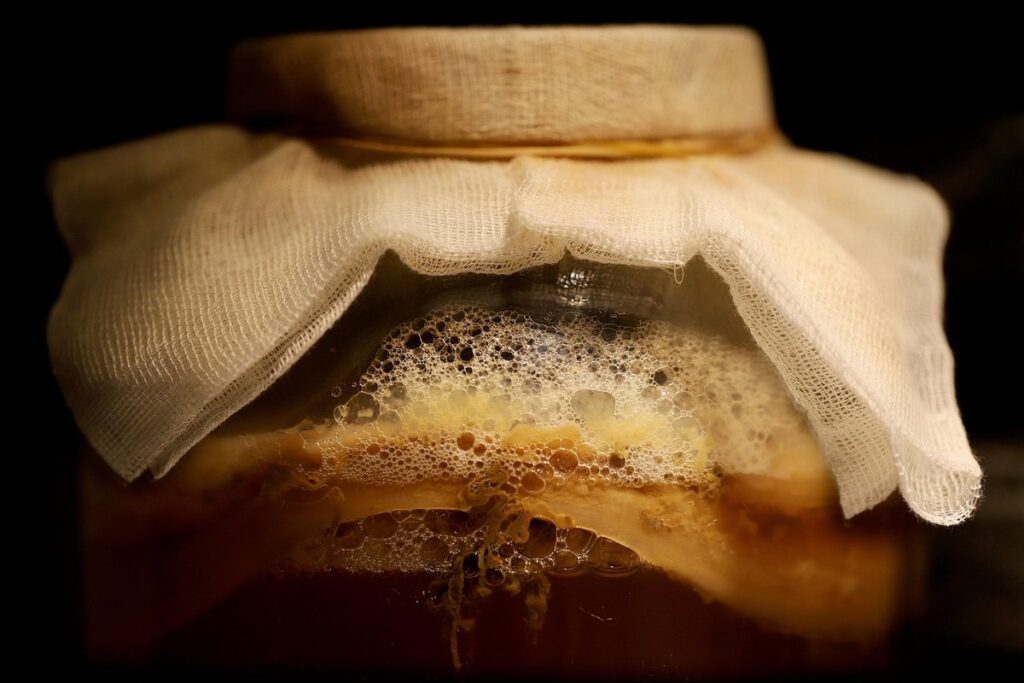
Benefits and Importance of Fermented Chicken Feed
When it comes to fermenting chicken feed, understanding its benefits is crucial for creating a healthier flock. This section explores the advantages of fermented feed and why it’s essential for optimal bird health.
Improved Nutrient Availability
When you ferment chicken feed, one of the most significant benefits is the increased bioavailability of nutrients. This means that the natural enzymes and microorganisms present in the fermentation process break down the complex compounds in the feed into more easily accessible forms.
As a result, your chickens can absorb these nutrients more efficiently, leading to improved overall health and growth. For instance, research has shown that fermented feed can increase the bioavailability of calcium by up to 40%, which is essential for strong eggshell production and bone development in laying hens.
Furthermore, fermentation also enhances the availability of other vital micronutrients like vitamins and minerals. This is because microorganisms during fermentation convert complex plant compounds into more digestible forms. For example, fermented feed can increase vitamin B12 levels by up to 25%, which is crucial for maintaining a healthy nervous system in chickens.
By incorporating fermented chicken feed into your flock’s diet, you can expect significant improvements in their overall well-being and productivity.
Enhanced Gut Health
When we talk about fermenting chicken feed, one of the most significant benefits is its impact on gut health. A balanced gut microbiome is essential for a chicken’s overall well-being, and fermented feed plays a crucial role in achieving this balance.
A healthy gut is like a strong foundation for your flock – it provides immunity against diseases, improves digestion, and boosts energy levels. When chickens are fed fermented feed, the beneficial microbes present in the fermentation process help populate their intestines with good bacteria. This, in turn, crowds out the bad bacteria that can cause illness and disease.
To put this into perspective, research has shown that chickens raised on fermented feed have lower levels of stress hormones like cortisol, which can compromise their immune systems. Furthermore, fermented feed contains higher amounts of vitamins and minerals, including vitamin K2, which is essential for gut health.
By incorporating fermented feed into your flock’s diet, you’re essentially giving them a nutritional boost while also supporting their gut health. This can lead to improved egg production, faster growth rates, and reduced instances of disease.
Reduced Cost and Waste
When you ferment chicken feed, you’re not only providing your flock with a nutrient-rich diet, but also reducing costs and minimizing waste. Compared to purchasing commercial feeds, fermenting your own chicken feed can be a more cost-effective option. This is because you’re using locally sourced ingredients, such as grains and fruits, that are often cheaper than commercial feeds.
Reducing waste generation is another significant benefit of fermenting chicken feed. Commercial feeds come in large bags or packets, which generate a substantial amount of packaging waste. By making your own fermented feed, you can significantly reduce the number of plastic bags and containers ending up in landfills. Additionally, the fermentation process allows for some flexibility in using leftover or spoiled ingredients, thus minimizing food waste.
In fact, studies have shown that small-scale farmers who adopt on-farm feed production methods like fermenting can save up to 50% of their feed costs annually. By implementing this simple yet effective method, you too can reap the benefits of reduced costs and minimized waste while providing your flock with a healthier diet.
Setting Up a Fermentation System
To get started fermenting your chicken feed, you’ll first need to set up a system that’s easy to maintain and produces healthy, nutrient-rich food for your flock. This section will walk you through the essential components of a fermentation setup.
Choosing the Right Equipment
When selecting equipment for fermenting large quantities of chicken feed, it’s essential to consider efficiency, safety, and ease of use. A dedicated fermentation vessel is a must-have, and you have several options to choose from. A stainless steel or ceramic container with a wide mouth is ideal, as it allows for easy cleaning and monitoring of the fermentation process.
When choosing a vessel, ensure it has adequate space to hold the feed, and consider factors such as temperature control and aeration. You may also want to invest in a secondary container for storing the fermented feed. A drum or bucket with a tight-fitting lid is perfect for this purpose.
In addition to the fermentation vessel, you’ll need a reliable way to monitor temperature and pH levels. An accurate thermometer and pH meter will help you adjust the environment as needed, ensuring optimal conditions for fermentation. Regular stirring and monitoring of the feed are also crucial; a long-handled spoon or paddle can be used to facilitate this process.
Investing in proper equipment upfront will save you time, energy, and potential losses down the line.
Preparing the Feed Mix
Creating an optimal blend of ingredients is crucial for promoting healthy fermentation and nutrient-rich output. To do this, you’ll need to consider the nutritional needs of your chickens, as well as the characteristics of each ingredient.
Start by determining the ideal protein content for your flock. As a general rule, 18-20% protein levels are suitable for most chicken breeds. Next, choose a balanced mix of grains, such as oats, barley, and wheat, which provide fiber, vitamins, and minerals. You’ll also want to include some high-protein ingredients like soybeans or peas to boost the overall protein content.
Consider adding supplements like kelp meal or alfalfa meal to enhance nutrient profiles and promote healthy gut bacteria. When selecting ingredients, keep in mind their moisture levels and potential impact on fermentation speed. For example, high-moisture ingredients can lead to over-fermentation, while low-moisture ingredients may not ferment effectively.
To ensure your feed mix is optimal for fermentation, stick to a simple 4:1:1 ratio of grains:high-protein ingredients:supplements. This balance will promote healthy growth, maintain gut health, and support the fermentation process.
Maintaining Sanitation and Safety
When it comes to fermenting chicken feed, maintaining sanitation and safety is crucial to prevent contamination and spoilage. This is especially important since you’ll be handling live cultures and storing them in a specific environment.
First and foremost, ensure that all equipment and surfaces are thoroughly sanitized before starting the fermentation process. Use a solution of 1 part white vinegar to 9 parts water or a commercial sanitizer specifically designed for fermenting. Allow the solutions to sit for at least 10 minutes before rinsing with clean water. It’s also essential to dry all surfaces with a clean towel to prevent bacterial growth.
When handling fermented feed, make sure to wash your hands frequently and thoroughly clean any utensils or tools used in the process. Consider implementing a ‘first-in, first-out’ system for storing fermented feed to avoid old batches from spoiling newer ones.
Regularly inspecting the fermentation area for signs of contamination or spoilage will also help prevent issues down the line.
Fermentation Process and Monitoring
To ferment chicken feed successfully, it’s crucial to understand the steps involved in the fermentation process, as well as how to monitor its progress.
Understanding Fermentation Stages
To successfully ferment chicken feed, it’s essential to understand and recognize the different stages involved in this process. The journey from initial setup to active fermentation is crucial for achieving optimal results.
When you first set up your fermentation vessel, it may seem like nothing is happening – but trust us, something is! This is known as the lag phase, where microorganisms begin to adjust to their new environment and multiply at an exponential rate. During this time, it’s not uncommon for the mixture to appear inactive or even sluggish.
However, within 24-48 hours, a remarkable transformation takes place. The lag phase gives way to active fermentation, characterized by increased temperature, effervescence, and a pungent aroma. This is where beneficial microbes like Lactobacillus and Bifidobacterium start breaking down the feed’s complex compounds into easily digestible nutrients.
As your mixture enters this active phase, be sure to monitor it closely for any signs of spoilage or over-fermentation.
Monitoring Temperature and pH
Monitoring temperature and pH levels is crucial during fermentation to ensure optimal conditions for healthy microbial growth. Microorganisms thrive within a specific temperature range, typically between 20°C and 40°C (68°F to 104°F). If the temperature is too high or low, it can inhibit microbial activity or even lead to contamination.
pH levels also play a vital role in fermentation. Most microorganisms prefer a pH range of 4.5 to 6.5. A pH level that’s too acidic or alkaline can disrupt the balance of beneficial microbes, leading to an imbalance in the fermented feed’s nutritional profile.
To monitor temperature and pH, you’ll need a thermometer and a pH meter specifically designed for fermentation applications. These tools will help you track and adjust conditions as needed. Keep in mind that temperature fluctuations can be challenging to control, especially during hot summer months or cold winter periods. A general rule of thumb is to aim for consistent temperatures within 2-3°C (3.6-5.4°F) range.
Remember to record your readings regularly to track trends and make adjustments accordingly. This will help you maintain a stable environment that supports the growth of beneficial microbes in your fermented chicken feed.
Troubleshooting Common Issues
When working with fermented chicken feed, you may encounter some common issues that can impact the quality and safety of the final product. One such problem is mold growth, which can occur due to excess moisture or poor air circulation.
Moldy fermentation can lead to contamination, making it inedible for your chickens. To prevent this, ensure you’re following a proper recipe with the right ratio of water to feed, and regularly inspect the fermentation vessel for any visible signs of mold. If you notice mold growth, discard the entire batch immediately and start over.
Another issue that may arise is inadequate nutrient availability. This can happen if the fermented feed is not left to ferment long enough or if the initial ingredients are of poor quality. To avoid this, make sure to use a high-quality starter culture and follow the recommended fermentation time for your specific recipe.
Additionally, ensure you’re using clean equipment and handling the fermented feed safely to prevent contamination. Regularly monitoring the temperature and pH levels during fermentation can also help you catch any potential issues early on.
Tips for Successful Fermentation
To get consistent results and healthy hens, mastering a few key tips is essential when fermenting chicken feed. Let’s dive into what works well in practice.
Selecting the Right Microorganisms
When selecting microorganisms for chicken feed fermentation, it’s essential to choose strains that are specifically beneficial for poultry. Lactic acid bacteria (LAB) and yeast are two popular options for fermenting chicken feed.
LAB is a great choice because they produce lactic acid, which not only improves the nutritional value of the feed but also helps to preserve it by creating an acidic environment that’s less favorable to pathogens. Some examples of LAB strains suitable for poultry fermentation include Lactobacillus plantarum and Pediococcus pentosaceus.
Yeast is another excellent option for fermenting chicken feed, as it produces compounds that enhance the nutritional value of the feed while also improving its digestibility. Saccharomyces cerevisiae (baker’s yeast) is a common strain used in poultry fermentation. When selecting microorganisms, make sure to research and choose strains specifically isolated from poultry or formulated for use in animal feed. This ensures their safety and efficacy for your flock.
Remember to always follow proper handling and storage procedures when working with microorganisms.
Balancing Nutrient and Moisture Levels
When fermenting chicken feed, it’s essential to strike the right balance between nutrient and moisture levels. If the feed is too dry, microbial growth will be sluggish, while an overabundance of water can lead to mold and spoilage.
To achieve a harmonious balance, ensure that your fermented feed has around 30-40% moisture content. This allows beneficial microbes to thrive without creating an environment conducive to pathogens. A general rule of thumb is to start with a wet feed mix (around 50-60% water) and gradually reduce the moisture level as fermentation progresses.
Monitor your feed’s consistency, aiming for a thick, porridge-like texture that holds its shape when pressed between your fingers. Be cautious not to over-mix, which can break down the feed too much and lead to imbalanced nutrient profiles. Regularly check the pH levels of your fermented feed using pH paper or a digital meter; ideal fermentation pH ranges from 4.5 to 5.5.
A balanced nutrient profile is also crucial for healthy microbial growth. Aim for a mix that includes around 10-20% protein, 30-40% carbohydrates, and 10-20% fat content. This will ensure your chickens receive the necessary nutrients while promoting optimal fermentation conditions.
Managing Temperature and Time
When it comes to fermenting chicken feed, managing temperature and time is crucial to prevent spoilage or under-fermentation. Temperature plays a significant role in the fermentation process, as bacteria thrive within a specific range. For most lactic acid bacteria, this optimal temperature range is between 64°F (18°C) and 75°F (24°C). If it’s too hot, the risk of mold growth increases, while temperatures below 64°F can slow down fermentation.
A general rule of thumb for fermenting chicken feed is to maintain a temperature around 70°F (21°C), which allows for a steady fermentation process. Monitor your temperature using a thermometer and adjust the environment as needed. Keep in mind that indoor environments tend to be more consistent, whereas outdoor temperatures may fluctuate significantly. Aim to ferment your chicken feed for at least 2-3 days, with some recipes requiring up to a week or more. Regularly check on the fermentation process, and once it reaches the desired consistency and aroma, it’s ready to use in your flock’s feed.
Health Benefits for Chickens
Fermenting chicken feed isn’t just good for their taste buds, it also has a range of health benefits that’ll keep your flock thriving. Let’s explore some of these advantages in more detail.
Improved Immune Function
When it comes to maintaining optimal health, a strong immune system is essential for chickens. Fermented feed plays a crucial role in supporting their immune function, reducing the risk of disease, and improving overall well-being. By incorporating fermented feed into your flock’s diet, you can provide them with a concentrated dose of beneficial microbes that will aid in digestion and boost their defenses.
During fermentation, microorganisms such as lactic acid bacteria and yeast break down complex nutrients, creating a more bioavailable form for chickens to absorb. This process not only enhances nutrient uptake but also stimulates the immune system, helping it respond more effectively to pathogens. A study on fermented feed found that it significantly reduced the incidence of coccidiosis in chicken flocks by 50%.
To reap these benefits, be sure to ferment your feed regularly and use a diverse range of microorganisms. Monitor your flock’s health closely, and make adjustments as needed. By doing so, you’ll be giving your chickens the best possible chance at thriving immunity.
Enhanced Digestive Efficiency
When you ferment chicken feed, you’re not just providing a nutritious meal for your flock – you’re also enhancing their digestive efficiency. Microbial fermentation breaks down complex nutrients into simpler forms that are more easily absorbed by chickens. This process involves beneficial bacteria feeding on the fibers and breaking them down into short-chain fatty acids, vitamins, and other essential compounds.
Think of it like cooking with a pressure cooker. Just as the intense heat and pressure break down tough ingredients, microbial fermentation uses beneficial microbes to break down complex nutrients. The result is a more easily digestible feed that’s rich in nutrients, making it easier for chickens to extract the energy they need from their food.
By fermenting chicken feed, you’re effectively giving your flock a digestive boost, which can lead to improved overall health and well-being.
Reduced Antibiotic Use
When you ferment chicken feed, you’re not only enhancing its nutritional value but also creating an environment that promotes a balanced gut microbiome. This is particularly beneficial for reducing the need to use antibiotics in your flock.
A healthy gut microbiome plays a crucial role in maintaining your chickens’ overall health and immune function. Fermented feed supports this balance by providing beneficial bacteria, which can help crowd out pathogenic microorganisms. By doing so, you’re minimizing the likelihood of disease outbreaks, thereby reducing the need to resort to antibiotics.
Research has shown that fermented feeds can significantly reduce antibiotic use in poultry farming. For instance, a study found that using fermented feed led to a 30% decrease in antibiotic usage among layer hens. To replicate this success, focus on creating a diverse and nutrient-rich fermenting process for your chicken feed. This involves incorporating a mix of probiotics, prebiotics, and beneficial bacteria into the fermentation process. Regularly monitoring your flock’s health and adjusting the fermented feed as needed will also help optimize its benefits.
Conclusion
Now that you’ve successfully started fermenting your chicken feed, let’s recap the key takeaways and finalize our understanding of the process. This last step will solidify everything we’ve covered so far.
Recap of Key Takeaways
When it comes to fermenting chicken feed, there are several key takeaways that can help improve your flock’s nutrition and health. Let’s recap the main points:
Fermenting chicken feed provides a rich source of nutrients for your chickens. The process breaks down complex compounds into easily digestible forms, making them more available to your birds. This is especially important for young chicks or hens who may struggle with nutrient deficiencies.
One of the biggest benefits of fermented feed is its improved palatability. Your chickens will be drawn to the sour smell and taste, encouraging them to eat more regularly and thoroughly. This can lead to a reduction in stress, energy expenditure, and even disease susceptibility.
In addition to these benefits, fermenting chicken feed also increases the bioavailability of essential vitamins and minerals. This means that your birds are able to absorb the nutrients they need more effectively, leading to improved egg production, plumage quality, and overall health.
Another advantage is the potential for increased gut health. The beneficial microorganisms present in fermented feed can help regulate the balance of bacteria in your chickens’ digestive system, promoting a strong immune response and reducing the risk of disease.
To reap these benefits, be sure to follow proper fermentation techniques and ensure that your feed is handled safely. Regularly monitor your flock’s health and adjust their diet accordingly, taking note of any improvements or changes. By incorporating fermented feed into your chicken-keeping routine, you’ll be providing your birds with a more nutritious and healthy foundation for growth and development.
Frequently Asked Questions
How can I ensure the fermented feed is safe for my chickens to eat?
When fermenting chicken feed, it’s essential to maintain proper sanitation and safety standards to avoid contamination. Ensure you’re using clean equipment, following aseptic techniques, and regularly cleaning and sanitizing your fermentation vessels.
What happens if I notice mold or an off smell during the fermentation process?
If you notice mold or an unpleasant odor during fermentation, it may indicate that something has gone wrong with the process. Check for temperature fluctuations, inadequate ventilation, or poor sanitation practices. Address these issues promptly to prevent spoilage and ensure a healthy feed.
Can I use any type of microorganism for fermenting chicken feed, or are there specific recommendations?
While some microorganisms can be used for fermentation, it’s crucial to select strains that are specifically beneficial for poultry nutrition. Research and choose microorganisms like Lactobacillus or Bifidobacterium, which have been shown to enhance nutrient availability and gut health in chickens.
How long does the fermented feed last, and how should I store it?
Properly stored fermented feed can last for several weeks to months when kept refrigerated at a consistent temperature below 40°F (4°C). It’s essential to seal the container tightly and ensure adequate moisture levels to prevent spoilage. When in doubt, always err on the side of caution and discard any spoiled or moldy feed.
What if I notice a significant reduction in egg production after switching to fermented feed – is this normal?
A temporary decrease in egg production can occur when introducing fermented feed, but it should return to normal within 1-2 weeks. Monitor your flock’s overall health, weight gain, and fertility rates to ensure the change is beneficial in the long run.